REVIEW · HERITAGE & COLONIAL HISTORY TOURS
Disappearing Trades
Book on Viator →Operated by Tribe Tours · Bookable on Viator
Three disappearing trades in one morning. This private half-day in Singapore is built around the private guide experience and the coffee-and-bread tastings you can’t really copy on your own. You’ll move through neighborhoods that still keep everyday craft traditions alive, while the tour explains how and why these practices are slowly fading.
One thing to keep in mind: each stop is fairly short, so you’ll get the story and key techniques, not a long hands-on workshop that takes hours to master.
In This Review
- Key takeaways
- Why Disappearing Trades Feels Like a Living History Lesson
- Price and Value: $112 for 4 Hours and Four Trade Stops
- The 9:00 Start on Pagoda Street: A Smart Way to Set Your Singapore Map
- Chinatown’s Disappearing Snacks: Sachima and Fermented Biscuits
- Bedok’s Kopi Roasting Factory: The Tricks of the Trade
- Ang Mo Kio Paper House: Ancestor Offerings and Chinese Prayer Ritual
- Paya Lebar Road Park Bread-Making the Old Fashioned Way
- How the Morning Route Works Across Singapore Neighborhoods
- What Makes a Private Tour Worth It for Crafts Like These
- Who This Tour Suits Best (and Who Might Want Another Option)
- Should You Book Disappearing Trades?
- FAQ
- What is Disappearing Trades in Singapore?
- Where does the tour start?
- How long is the tour?
- How much does it cost?
- What trades and stops are included?
- Is food or drink included?
- Is it a private tour?
- What kind of ticket do I get?
- Is the tour canceled if the weather is bad?
- Can I get a refund if I cancel?
Key takeaways
- Chinatown snacks, Bedok kopi, Ang Mo Kio paper offerings, and Paya Lebar bread in one focused route
- Tastings of kopi O (black coffee) and freshly made bread, plus Chinatown treats like sachima and fermented biscuits
- Private tour pace with time for questions instead of watching a group shuffle
- A small air-conditioned van between places, plus some walking so you see street-level details
- Stop-by-stop, craft-based storytelling that’s hard to piece together solo
Why Disappearing Trades Feels Like a Living History Lesson
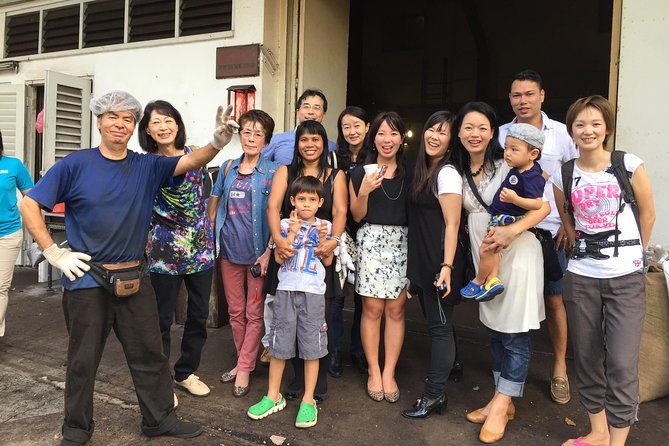
Singapore changes fast. That’s true in the city core and even more so when you track specific trades that depend on routines, skilled hands, and customers who buy the old-school way. This tour puts a spotlight on that shift by pairing four stops that are tied to traditional food and ceremonial craft—then explaining what’s at risk as those trades thin out.
What I like about this format is that it’s not just watching. It’s structured around three disappearing trades plus a bread-making stop, with sampling built in. That means you don’t leave with only photos; you leave with flavors and small “how it works” details you can repeat when you’re back home.
And because it’s private, the guide can answer questions on the spot. In at least one group I’ve seen referenced, the guide Stefan was able to handle anything people asked—exactly the kind of thing that makes a short tour feel worth it.
You can also read our reviews of more tours and experiences in Singapore.


Price and Value: $112 for 4 Hours and Four Trade Stops
At $112 per person for about 4 hours, you’re paying for two things: a guide who can connect craft details across neighborhoods, and the transportation that gets you between areas without turning your morning into a transit puzzle.
You’re also getting free admission at the first three stops, and admission is included for the bread stop. Even if you don’t think about “admission costs” much when you travel, it signals that the tour is designed to cover the experiences themselves, not just sightseeing from the sidewalk.
Is it cheap? No. But it’s also not priced like a full-day workshop or a multi-day deep immersion program. The sweet spot here is time efficiency: you sample, you learn the process at a level you can actually understand, and you still finish back at the start point without ending your morning exhausted.
The 9:00 Start on Pagoda Street: A Smart Way to Set Your Singapore Map
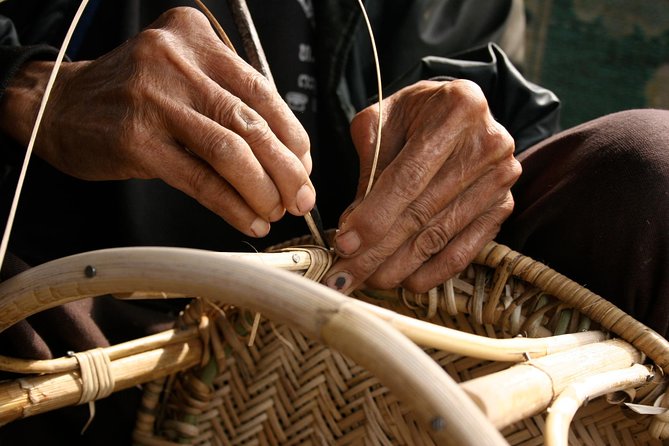
Your morning begins at 69 Pagoda St, Singapore 059228 at 9:00am. Starting in Chinatown makes practical sense. It gives you easy access to familiar streets early in the day, and it helps you later when you want to wander on your own.
From there, the flow is designed to keep you moving between different parts of the city. Reviews and tour descriptions point to a small air-conditioned vehicle between stops. That matters in Singapore, where a bright morning can quickly turn into heat and humidity if you’re walking too much.
You’ll also do a mix of walking and riding. Think of it like: a bit of street-level context, then comfortable transport so you can spend your energy on the crafts and the explanations.
Chinatown’s Disappearing Snacks: Sachima and Fermented Biscuits
Chinatown is where the tour starts, and it gives you two trades in one stop. You’ll spend about 45 minutes there, with admission free.
First up is sachima, described as a granola-bar type of handmade Asian snack. Even without turning it into a lab experiment, the point is clear: this is traditional snack craft, shaped by technique and ingredients, and it’s the kind of thing people may stop noticing as convenience products take over.
Then you’ll see fermented biscuits. This is one of those categories that sounds simple until you realize fermentation is a process, not an ingredient list. You’re not just being told to taste; you’re being pointed toward the idea that time and preparation are part of the flavor itself.
What makes this stop valuable for you is the contrast. You start with snack culture that’s easy to eat, then you learn how preparation methods create repeatable results. By the time you move on to coffee and bread, you’ll understand the broader theme: technique lives in details, and disappearing trades are often the ones people assume are effortless.
Possible downside here: if you’re the type who wants long explanations before tasting, the pacing might feel brisk. But the flip side is you get multiple stops in a single morning.
Bedok’s Kopi Roasting Factory: The Tricks of the Trade
Next you head to Bedok for a coffee-roasting factory experience, about 30 minutes, again with admission free.
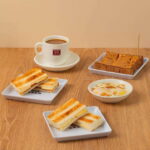
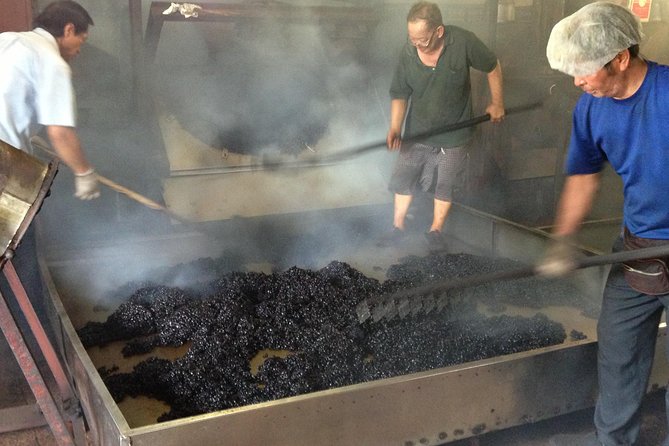
This is where the tour shifts from snack craft into a craft industry. You’ll learn about the local kopi scene—specifically kopi industry basics—and get a look at roasting techniques. Then you get to sample kopi O, which is black coffee, in a way that’s more meaningful than ordering a drink and moving on.
Why this stop matters: kopi in Singapore isn’t just a beverage. It’s part of everyday identity, and roasting is where flavor becomes controlled. Even a short explanation of roasting timing and technique helps you understand why two cups that look similar can taste totally different.
This is also a great stop if you’re traveling with people who don’t want museums but do want real food stories. You’ll leave knowing at least a few roasting ideas you can use when you’re choosing coffee back home, instead of treating it like a one-note souvenir.

Ang Mo Kio Paper House: Ancestor Offerings and Chinese Prayer Ritual
In Ang Mo Kio, you’ll visit a paper craft house and spend about 45 minutes there.
This stop is about the ceremonial side of craft. You’ll hear firsthand from a master involved with paper houses—specifically how Chinese pray and pay their respects to ancestors through burning paper objects as offerings to the afterlife.
This is not a “look, see, leave” moment. It’s structured around understanding intent: what the offering represents, why the ritual exists, and how craft supports belief. Even if you don’t follow the same traditions, you’ll likely find it easier to respect the practice once you know it has a purpose beyond decoration.
Practical note: if you’re sensitive to incense or ceremonial burning, you might want to mentally prepare. The tour framing is clear—this is tied to offerings—so it’s not going to be a quiet craft demo. But it is also one of the most distinctive experiences in the whole route, and it’s the kind of thing that makes the morning feel genuinely “Singapore.”
Paya Lebar Road Park Bread-Making the Old Fashioned Way
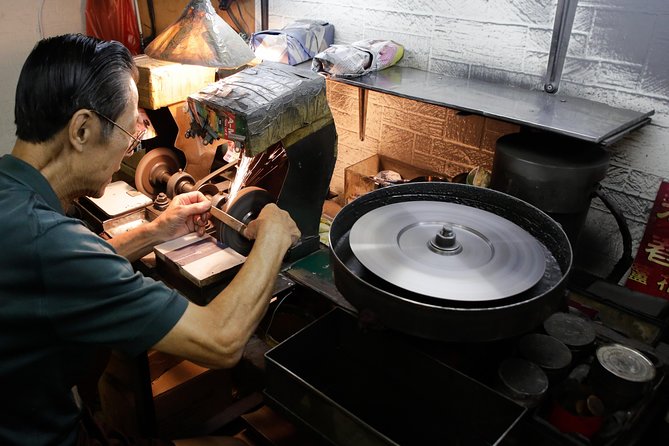
The final craft stop is around Paya Lebar Road Park, with about 45 minutes on bread-making in an old-fashioned way. Admission is included here.
You’ll learn how bread was made traditionally, and you’ll also get freshly made bread sampling. Because bread is a daily staple, it’s easy to underestimate how much craft lives in everyday processes. The old approach tends to emphasize method: ingredients, timing, and handling.
For you, this stop is a palate reset after coffee and a cultural reset after the paper house. You get something warm and immediate, not just a concept. And if you’re the type who likes to bring home a story you can repeat—this is it. “Bread can be made differently” is obvious, but learning the old-school process helps it become real.
One caution: bread stops can feel like a “main meal highlight,” so consider timing. Since the tour is about 4 hours and starts at 9:00am, you don’t want to eat a huge breakfast beforehand and then treat the tasting like a formality.
How the Morning Route Works Across Singapore Neighborhoods
This tour is designed as a half-day, but it still covers multiple zones: Chinatown, Bedok, Ang Mo Kio, and then back toward the start point near Pagoda Street.
That kind of routing is exactly where a guide and transportation add value. If you tried to DIY it, you’d likely spend time figuring out transit timing, local directions, and whether each stop can actually be visited on your own. Here, you’re following a planned sequence that keeps the craft experiences grouped logically for a 4-hour block.
Also, the “mix of walking and van” approach is smart. You get street-level context without turning the whole morning into logistics and sweaty steps. If you’re traveling with someone who hates rushing, the short durations (30–45 minutes each) help avoid the feeling that you’re stuck somewhere too long.
What Makes a Private Tour Worth It for Crafts Like These
For trade-focused tours, the private format matters more than it does for pure sightseeing.
Here’s why. Crafts raise follow-up questions. Why this method? Why this ingredient? Why keep doing it when it’s disappearing? A private guide can answer as you go, and you can steer the conversation based on what you care about—food, ritual craft, coffee technique, or the bigger “why trades fade” story.
That’s why people consistently highlight the guide experience. In one commonly cited case, Stefan stood out for being able to answer questions without batting an eye. When your tour is only half a day, you want that kind of responsiveness so the time doesn’t get wasted.
If you’re the sort of traveler who reads every sign, a private tour will feel even better. If you don’t, the guide’s framing will still keep the stops connected so it feels like a single story rather than four random errands.
Who This Tour Suits Best (and Who Might Want Another Option)
This tour fits you if you like:
- Food plus craft, not just eating
- Local traditions tied to specific neighborhoods
- Stories that explain process and meaning, not only facts
- A comfortable morning pace with real stopping points
It may be less ideal if you want:
- A long workshop where you personally make something from start to finish
- Only outdoor sightseeing or big city landmarks
- Very slow travel with extended time at each site
Overall, it’s a good match for couples, small groups, and first-timers who want something authentic and specific. It’s also a strong choice for travelers who feel like Singapore’s “must-see list” can be edited down—and want instead to learn what’s hard to find alone.
Should You Book Disappearing Trades?
Yes—if you want a Singapore morning that feels specific, practical, and grounded in real people’s skills. The $112 price makes sense when you factor in four guided stops, transport across neighborhoods, and tastings that you can’t easily recreate. It’s also one of those tours where the private format pays off, because craft questions don’t have to wait.
Book it especially if you care about disappearing traditions and you’d like your travel to leave you with more than photos—like flavors, process details, and a clearer sense of how daily life once worked.
If you’re short on time but still want something that feels genuinely “local,” this one is a solid bet.
FAQ
What is Disappearing Trades in Singapore?
It’s a private half-day tour focused on visiting four craft-related stops tied to traditional foods and paper offerings. You’ll learn about the trades and do tastings during the experience.
Where does the tour start?
The meeting point is 69 Pagoda St, Singapore 059228. The tour starts at 9:00am and ends back at the meeting point.
How long is the tour?
It runs for about 4 hours.
How much does it cost?
The price is $112.00 per person.
What trades and stops are included?
You’ll visit Chinatown for sachima and fermented biscuits, Bedok for a coffee roasting factory experience with kopi O sampling, Ang Mo Kio for a paper craft house and ancestor offerings, and Paya Lebar Road Park for old-fashioned bread making.
Is food or drink included?
Yes. You can sample kopi O at the coffee stop and freshly made bread at the bread-making stop. Chinatown tastings include sachima and fermented biscuits.
Is it a private tour?
Yes. It’s a private tour/activity, meaning only your group participates.
What kind of ticket do I get?
You receive a mobile ticket.
Is the tour canceled if the weather is bad?
The experience requires good weather. If it’s canceled due to poor weather, you’ll be offered a different date or a full refund.
Can I get a refund if I cancel?
You can cancel up to 24 hours in advance for a full refund. Changes made less than 24 hours before the start time aren’t accepted.