REVIEW · SINGAPORE
Singapore: Rainforest Wild Asia Entry Ticket
Book on GetYourGuide →Operated by GlobalTix Pte Ltd · Bookable on GetYourGuide
Rainforest Wild ASIA is not a one-track zoo. What makes it fun is the way the habitats shift across the day, so your wildlife odds change with time, not just with luck. You also get to pick your pace, from easy walkways to tougher forest routes.
I especially like the mix of animal encounters and active experiences. You’re in for 20-meter canopy jumps and cave-style adventures inspired by Sarawak’s Mulu Caves, while you also meet 36 species, including François’ langur and Philippine spotted deer.
One heads-up: the ticket redemption process can be fussy. Some people have had to go to another site or re-select a date/time slot after paying, so build in extra time to sort out your entry time before you arrive.
In This Review
- Key things I’d plan around
- Rainforest Wild ASIA: what makes it different from a typical park
- The layout that lets you choose your own pace
- Wildlife encounters are planned like a moving target
- The thrill stops: canopy jumps and Mulu-inspired cave adventures
- Exploring the 8 zones, from limestone karsts to cavern chambers
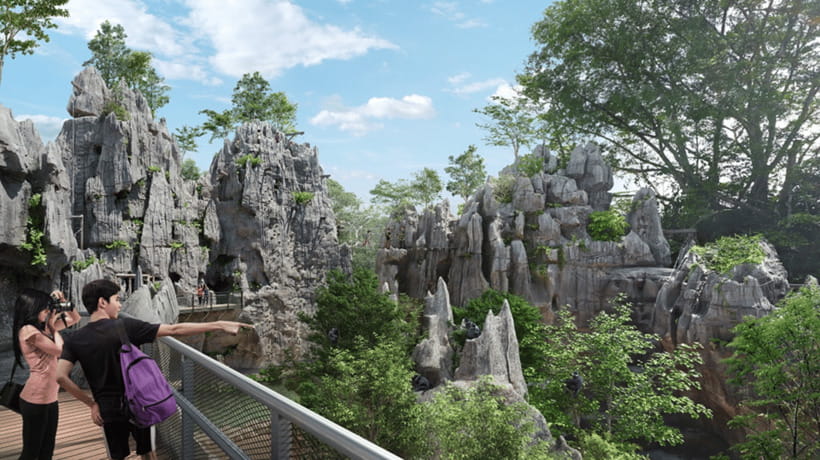
- The Karsts: towering limestone scenery
- Rock Cascade: where tiger viewing fits the story
- The Canopy: primates and the treetop feel
- The Cavern: cave chambers and subterranean vibes
- Additional zones across the full park
- Price and time: getting $27 of value in one day
- What it feels like on the ground (and who might like it most)
- Quick planning tips so your day goes smoother
- Should you book Rainforest Wild ASIA entry?
- FAQ
- What does the entry ticket include?
- How long is the experience?
- Where do I redeem my ticket?
- Are there starting times?
- What should I bring?
- Are children allowed?
Key things I’d plan around
- Changing habitats throughout the day so the park feels different at different times
- Two exploration styles: comfortable raised paths with shelters, or more rugged trails with water and suspension bridges
- High-adrenaline moments like 20m canopy jumps and rock/cave adventures
- Not-common-to-Singapore wildlife such as François’ langur and Philippine spotted deer
- A park built for exploring across 13 hectares, with 8 zones and 7,000+ native plants
Rainforest Wild ASIA: what makes it different from a typical park
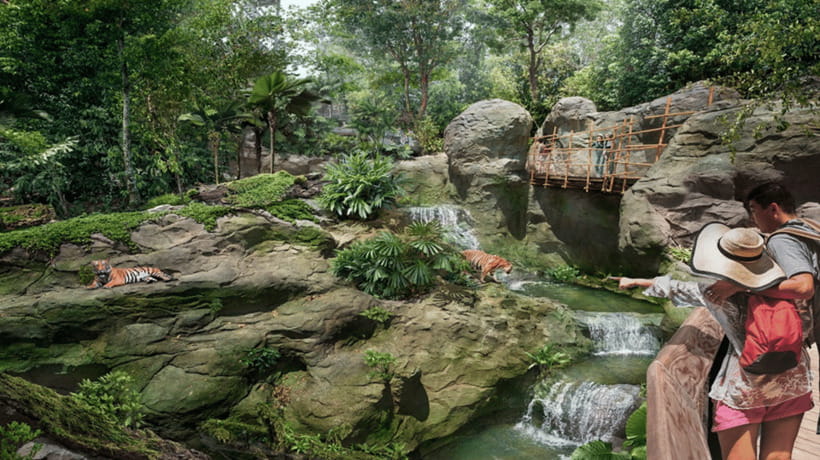
Singapore is packed with attractions, but Rainforest Wild ASIA tries a different angle. It’s designed as an adventure wildlife park where the experience isn’t locked into one loop. Instead, you move through 8 zones—some in treetop areas, some in limestone karsts, and some underground-like cave chambers—while habitats change during your visit.
That matters because it changes the rhythm of your day. If you treat it like a normal zoo, you might feel like you’re waiting for animals to show up. If you treat it like a route through changing environments, you’ll start noticing that the park is built to spread encounters out across your time there.
You also get two ways to do it: scenic, more stroller- and wheelchair-friendly routes, plus rougher trail segments for people who want physical effort. That mix is rare, and it’s one reason I think it works for families and for people who want something that feels like a mini expedition.
You can also read our reviews of more tours and experiences in Singapore


The layout that lets you choose your own pace
Rainforest Wild ASIA covers 13 hectares, which is big enough to make your feet do some work—but planned enough that you can still take breaks. The park uses wide raised walkways with sheltered rest stops, so you’re not constantly exposed to the sun or stuck on narrow paths.
For active explorers, the rugged option adds the fun stuff: you can tackle trail sections through streams and use suspension bridges. The point is not just scenery. It changes your perspective—wildlife can look different from higher walkways versus ground-level paths, and the park’s “adventure” sections naturally slow you down while you’re watching.
Practical takeaway for your plan: if you only want a moderate day out, lean toward the raised routes and take your time between zones. If you want your day to feel more physical, schedule time for the tougher trail segments and plan for slower travel between areas.
Wildlife encounters are planned like a moving target
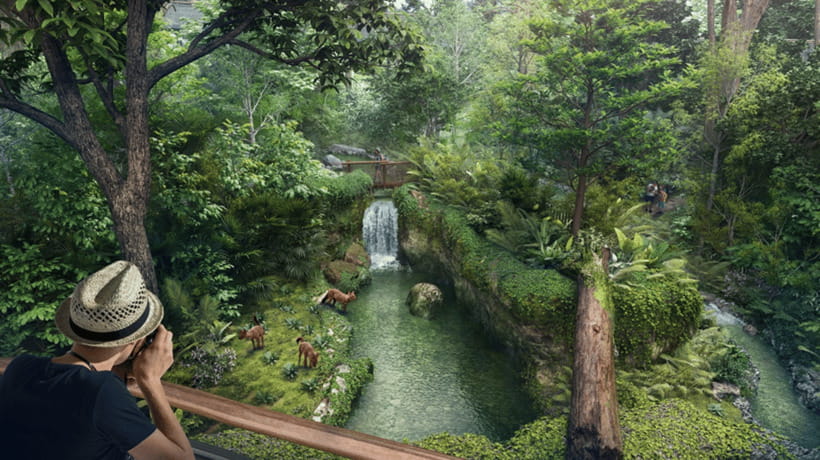
The park’s whole concept is that you can get different encounters on different visits, because habitats change throughout the day. That’s also why your animal experience depends on timing and movement, not just ticket purchase.
You may see species such as red dholes and babirusas across different times, and there are specific areas tied to predator and primate viewing. For example:
- Rock Cascade is associated with Malayan tigers prowl-style viewing.
- The Canopy is where you can look for primates swinging through the area.
And then there are the star species that make people book in the first place: François’ langur and Philippine spotted deer. These aren’t the everyday Singapore “see it anywhere” animals, so the park’s value rises if you like spotting and learning rather than only photographing.
One more practical note: animals can be sensitive. The park asks you to avoid perfume or strong scents, which is smart because you don’t want your smell to become the only thing the animals notice.
The thrill stops: canopy jumps and Mulu-inspired cave adventures
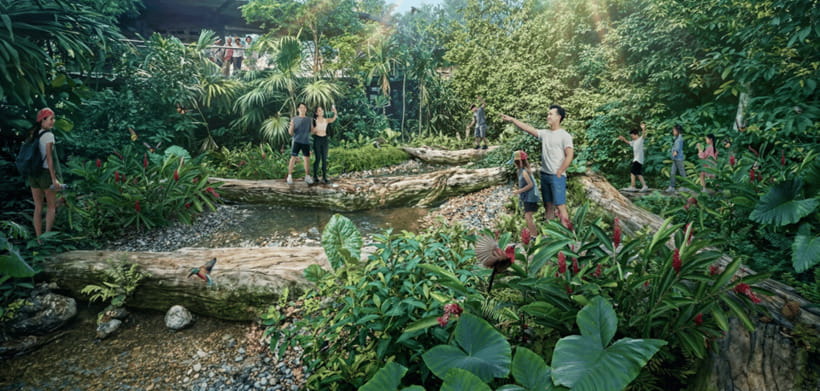
If you like your attraction to include real adrenaline, this is where Rainforest Wild ASIA earns its keep. The “exclusive” adventure parts include scaling and a big ticket item: 20-meter canopy jumps.
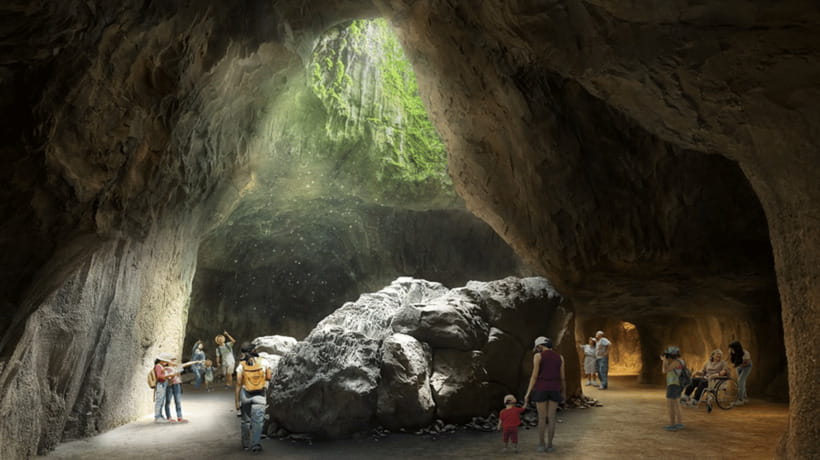
It’s not just a single activity either. You also have cave chambers inspired by Mulu Caves in Sarawak. The park blends these adventure elements into the rainforest-world theme, so it doesn’t feel like a separate rides area dropped into the middle of nature.
Who this fits best:
- People comfortable with heights and climbing-style experiences.
- Visitors who want the park to feel physical, not only observational.
- Families who are looking for an active day, as long as kids meet the park’s participation rules (the park notes that children aged 0–2 enter free, but for older kids, confirm any age-related requirements before you commit time and energy).
If you’re more nervous than excited about heights or cave-style areas, you can still have a great visit. Just don’t treat the entire day as guaranteed access to the most intense features.
Exploring the 8 zones, from limestone karsts to cavern chambers
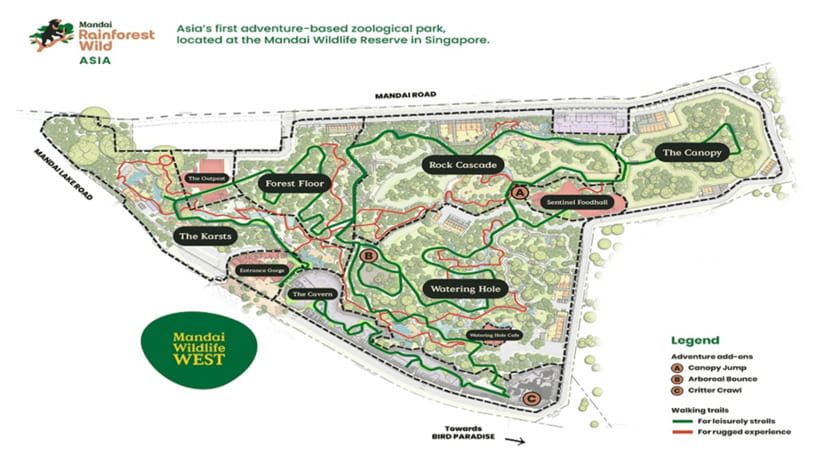
Think of the park as eight themed neighborhoods, and you’ll start enjoying it more. You’re walking through recreated rainforest settings, including lots of native planting—over 7,000 native trees and shrubs—so you’re not just viewing animals in empty-looking enclosures.
Here are the zones and what to expect from each:





The Karsts: towering limestone scenery
The Karsts is all about limestone formations—a very different feel from typical “rainforest” landscaping. This zone is where you can slow down and look at how the terrain is built. Even if animals aren’t visible at every moment, the rock features and the way paths move through them are part of the experience.
Rock Cascade: where tiger viewing fits the story
Rock Cascade is linked with Malayan tigers and looks designed for viewing movement and terrain. If tigers are on your must-see list, this is one zone to plan for rather than casually drift through.
The Canopy: primates and the treetop feel
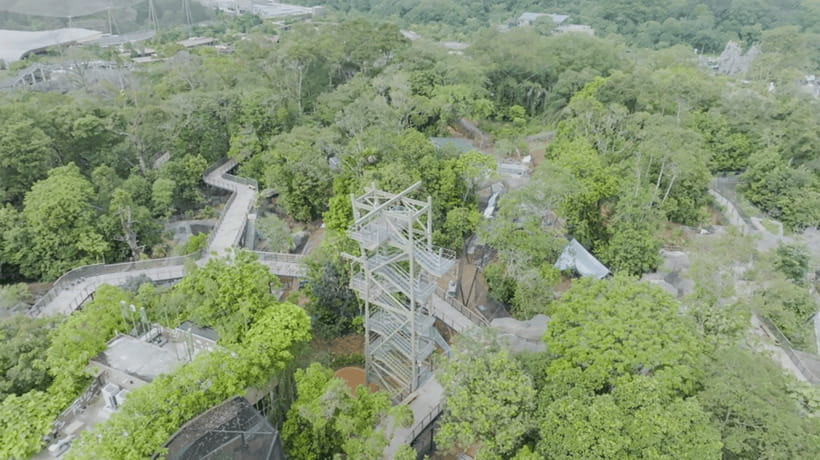
In The Canopy, you’re meant to watch primates swinging through that treetop environment. This is also a good zone for first-timers because it helps you understand the park’s viewing approach—watching from the right height and angle matters here.
The Cavern: cave chambers and subterranean vibes
The Cavern is the underground-feeling counterpoint to the open air zones. Cave chambers inspired by Mulu-style adventures bring the theme underground. If you love geology and dark, cool spaces, don’t rush this section.
Additional zones across the full park
Beyond those named highlights, there are other zones that build the day’s variety—some focused on forest feel, some on terrain shifts. The key idea is that each zone changes what you’re seeing and, with the habitat changes during the day, what species you may encounter.
Price and time: getting $27 of value in one day

The ticket is $27 per person for a 1-day visit. That sounds like “just entry,” but the real value is how much variety you get in one ticket: multiple zones, habitat changes during the day, and the option of both gentle routes and adventure sections.
To make this feel like a smart purchase, plan your day around two things:
- Your exploration style (raised paths vs rugged trails).
- Your timing (because habitats can change throughout the day).
If you only have one slot and you want the best chance at seeing more variety, don’t treat it as a quick walk-through. Take breaks. Move between zones. Give your day enough time to let the park’s “changing habitats” concept actually do its job.
One practical check: some visitors found that ticketing required extra steps after payment, including selecting a date/time slot on another site. That can eat into your visit start time. Build margin so you’re not stressed at the gate.
What it feels like on the ground (and who might like it most)
Rainforest Wild ASIA is a walking adventure. Even if you choose the gentler route, you’re moving through 13 hectares and across multiple zones. The raised walkways and shelters make it manageable, but it’s still not a “sit and watch” type of outing.
Wheelchair access is supported, and the park is set up for different needs with wide routes and sheltered rest spots. If you’re going with strollers, those same wide paths and rest stops are a big help.
This is a good fit if you:
- Like Southeast Asian rainforest settings and recreated habitats.
- Want an animal park with a physical element.
- Care about seeing species beyond the most generic ones.
- Prefer attractions where timing and walking matter.
It might feel less satisfying if you:
- Want guaranteed animal sightings at every stop.
- Plan to rush through quickly with no flexibility.
- Are expecting a purely educational, quiet zoo-style experience with minimal movement.
Quick planning tips so your day goes smoother
A few small things can make a big difference:
- Bring your ID: the park accepts a passport or ID card, and a copy is accepted.
- Skip strong scents: no perfume or strong smell, because animals are sensitive.
- Plan your route choice first: raised paths for a calmer day, rugged trails for streams and suspension bridges.
- Treat timing as part of the ticket: habitats can change through the day, so staying long enough and moving between zones helps.
Should you book Rainforest Wild ASIA entry?
Book it if you want a Singapore nature attraction that feels more like an active day out than a standard zoo. The combination of changing habitats, serious adventure options like 20-meter canopy jumps, and the chance to see less-common animals (including François’ langur and Philippine spotted deer) is exactly the kind of value that can justify one day and one ticket price.
Skip or reconsider if you’re coming mainly for guaranteed, constant animal viewing with minimal walking. Wildlife visibility can’t be controlled, and the park’s concept spreads encounters across time and terrain.
If you do book, give yourself buffer time for ticket redemption steps. Some people run into extra time spent selecting date/time slots after online payment. Do that legwork early, then focus on enjoying the zones and the shifting rainforest world.
FAQ
What does the entry ticket include?
The ticket includes entry to Rainforest Wild ASIA. Personal expenses are not included.
How long is the experience?
It’s valid for 1 day.
Where do I redeem my ticket?
You should proceed directly to Rainforest Wild ASIA for redemption.
Are there starting times?
The ticket is valid for 1 day, and you should check availability to see starting times.
What should I bring?
Bring a passport or ID card. A copy is accepted.
Are children allowed?
Children aged 0–2 enter free.