REVIEW · CHINATOWN, LITTLE INDIA & KAMPONG GLAM WALKING TOURS
Tastes of Chinatown
Book on Viator →Operated by Original Food Tours Singapore · Bookable on Viator
Food tours are my shortcut to Chinatown. This guided Chinatown food walk in Singapore turns hawker-center chaos into a clear plan, and you’ll rack up 8–10 tasting stops in about 3 to 3.5 hours. I also like the way the guide ties each bite to Chinese and Singapore heritage, so you’re not just eating, you’re picking up how the neighborhood works.
A good heads-up: you’ll be on your feet for most of the tour, with a few changes of pace between stops. If you’re sensitive to street-food conditions or you get overwhelmed by lots of small dishes, come prepared.
In This Review
- Key things to know before you go
- Why Chinatown is a smart place to eat in Singapore
- Hawker centers: the fast lane to eating like a local
- The Chinatown walk: what you’ll notice as you go
- The food stops: how the 8–10 tasting plan actually works
- What to expect from the tastings
- Learning Singaporean English and ordering without stress
- Meet your guide: Olivia, Keith, Eisler styles
- Price and value: is $129 worth it?
- Timing: morning vs evening departures in Chinatown
- Meeting point and what to bring for comfortable hawker hopping
- Who should book Tastes of Chinatown?
- Should you book this Chinatown food tour?
- FAQ
- How long is the Tastes of Chinatown tour?
- How much does the tour cost?
- How many food stops will I visit?
- Is hotel pickup or drop-off included?
- Where is the meeting point?
- Is this tour suitable for kids?
- What is the cancellation policy?
Key things to know before you go
- 8–10 food stops for a wide spread instead of one big meal
- Hawker-center style dining to learn the local way of choosing and eating
- Chinatown’s religious mix with temples and mosques side by side
- Singaporean English basics so ordering and chatting feel easier
- Small group (max 10) for a relaxed pace with time to ask questions
- Mobile ticket so you can show up without paper stress
Why Chinatown is a smart place to eat in Singapore
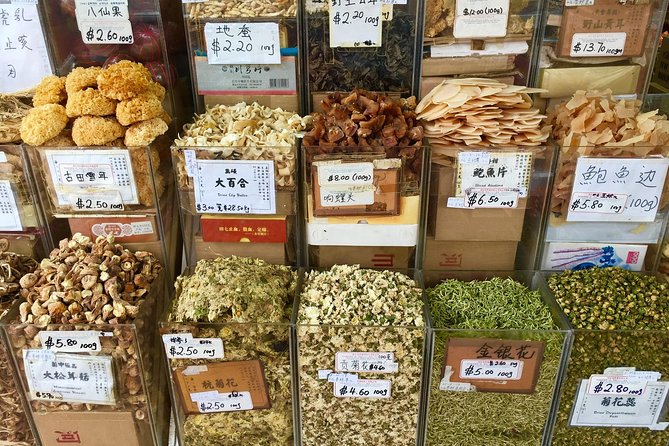
Chinatown isn’t just a photo-friendly district. It’s a neighborhood with layers: it was once home to early Chinese migrants, and you can still feel that history in the streets and shopfronts. One of the most interesting details is the religious diversity right in the area—Chinese temples sit next to Hindu temples and mosques. That mix matters because food in Singapore rarely stays in one box. It’s practical, it’s shared, and it evolves.
This tour gives you a way to experience that without turning it into a research project. You’ll walk through Chinatown’s atmosphere and then shift into one of Singapore’s greatest systems for everyday eating: hawker centers. Instead of guessing what to order, you follow a local guide through multiple tasting moments. That’s what makes it easier for first-timers—and honestly, it’s what makes it fun even if you’ve eaten hawker food before.
And because it’s a small group, the vibe is more “learn while walking” than “herded and hurried.” Some tours run 4–7 in the evening, and people often describe it as not rushed. That matters: in hawker settings, you want time to look, compare, and decide.
You can also read our reviews of more tours and experiences in Singapore.


Hawker centers: the fast lane to eating like a local
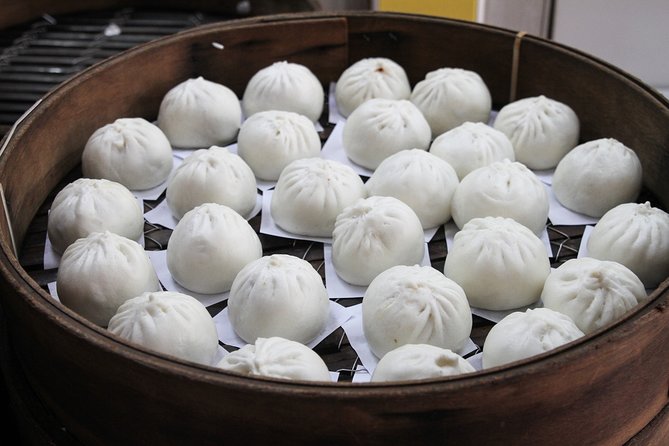
If you’ve ever wandered into a hawker center, you know the feeling: rows of stalls, smoke in the air, and menus that look like they were designed for speed and hunger—not indecision. The tour is built for that exact moment.
You’ll taste a range of local specialties across 8–10 separate food stops, which means you don’t need to lock into just one dish. You get variety in a controlled way, so you can leave with a sense of what Singapore flavors like and what you personally enjoy. That’s especially useful if you want to go deeper than one signature meal.
Here’s what you’ll likely learn that’s more valuable than the food itself:
- How Singaporeans choose stalls and dishes when there are too many options
- How to dine like a local, meaning less formality and more confidence
- How to use Singaporean English basics to order and talk without freezing
Even if you don’t remember every phrase, the confidence shift is real. One review I read highlighted that the guide was a real local and that the whole experience was a perfect intro for someone who was cautious about food safety. That’s a key takeaway: a guide helps you feel like you know what you’re doing, not just eating.
The Chinatown walk: what you’ll notice as you go
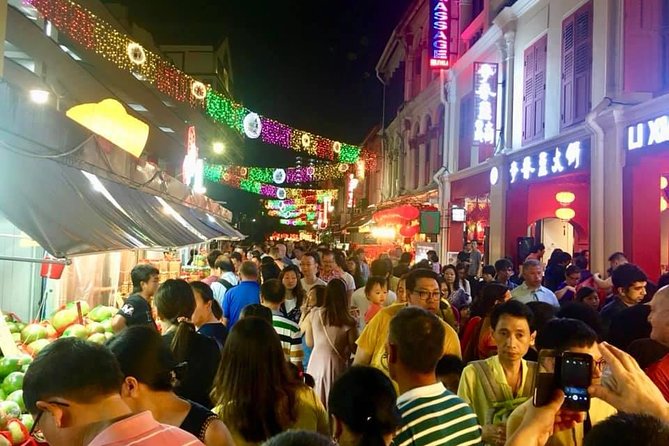
The tour starts right in Chinatown, near Chinatown’s street-level energy and right around the area where you’ll want to be anyway if you’re exploring on foot. You’ll begin at 151 New Bridge Road (the tour’s meeting point is listed with both 151 New Bridge Road and 91 Upper Cross Street addresses).
From the start, you’re in a neighborhood shaped by migration and trade. You’ll notice street geometry that makes you slow down: shopfronts, signs, and little clusters of activity. And the religious mix isn’t just a trivia fact. When temples and mosques share space, you understand why the food culture feels both Chinese and distinctly Singapore.
This matters because the guide doesn’t treat Chinatown like a museum. The story comes through the choices—where people eat, how they eat, and what’s considered comfort food. You’re not only consuming flavors; you’re watching the neighborhood perform its daily routine.
The food stops: how the 8–10 tasting plan actually works
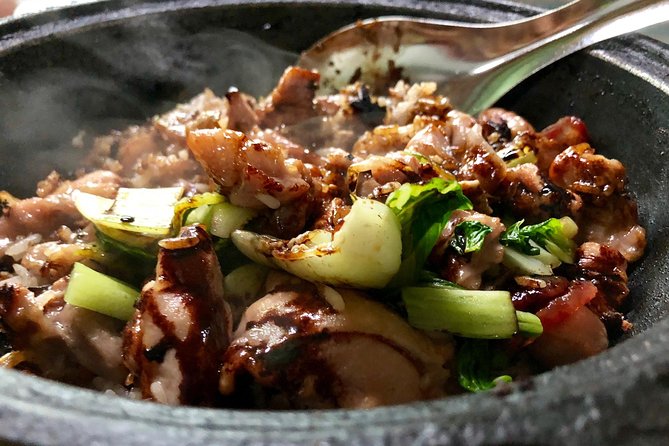
The big promise is straightforward: 8–10 separate food stops. The practical benefit is less so.
A list of stops doesn’t tell you how it feels to do them. Here’s what the format usually means on the ground:
- You’ll move between hawker centers and eating spots without spending hours stuck at one stall.
- You’ll get multiple chances to try different styles, textures, and spice levels.
- You’ll learn by comparison, which is better than ordering one “best guess.”
There’s also a pacing advantage. With a max group size of 10, you’re less likely to feel like you’re waiting behind someone taking a long time to decide. That can be the difference between a tour that feels smooth and one that feels like a food-related commute.
In one evening session review, the group made about 3–4 stops by the time the tour ended. That doesn’t contradict the 8–10 stop concept—what it suggests is that some stops may include multiple tastings or smaller portions per stop. In other words, you still get variety, even if the number of physical locations you visit can vary a bit.
What to expect from the tastings
The tour includes food tasting, plus snacks and bottled water. That means you’re not just paying for “someone walks you to a restaurant.” You’re getting structured sampling so you can handle the length of the tour without needing to scramble for more food mid-way.
Practical advice from experience with this kind of format: don’t arrive with a huge breakfast and then try to treat it like a buffet. One review specifically urged you to come extremely hungry. I agree with that logic. Your goal is to try and compare, not to “graze lightly.”

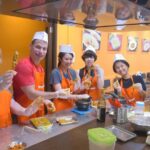


Learning Singaporean English and ordering without stress
One of the tour’s less obvious perks is language. The experience includes learning some basics of Singaporean English. This is not about becoming fluent. It’s about getting comfortable enough to participate.
In hawker settings, the biggest friction isn’t grammar. It’s speed and confidence. If you can greet, ask what’s good, and understand quick instructions, you’ll spend less time hovering and more time eating.
Also, language helps you connect the dots between what you ordered and what you’re supposed to notice. If the guide explains why a dish is popular, or what it represents in Chinese-Singapore life, you’ll remember it because you felt part of the interaction—not just a spectator.
And if you’re the type who tends to avoid asking questions, a guided group changes the game. You can listen, then copy the rhythm when it’s your turn.
Meet your guide: Olivia, Keith, Eisler styles
A good guide can make hawker food feel like a story instead of a gamble. In the reviews tied to this tour, you’ll see names like Olivia, Keith, and Eisler.
- Olivia was praised for being knowledgeable about food and Singapore/Chinese history in general, which is exactly the combination that makes the tastings land. You taste more because you understand what you’re tasting.
- Keith stood out as a real local foodie and a helpful presence for someone concerned about food safety. That’s a huge point for first-timers: the goal isn’t to be fearless; it’s to feel informed.
- Eisler was described as informative about both food and Singapore, with the main regret being that the tour happened the night before leaving—because people wanted more time to revisit favorites.
So if you’re deciding whether this tour is worth it, think about this: you’re not only buying food samples. You’re buying a local guide who can turn Singapore street food into something you can repeat on your own afterward.
Price and value: is $129 worth it?
At $129 for about 3 to 3.5 hours, the headline cost sounds steep if you’re imagining just a walk. But when you break it down, the value becomes clearer.
What you’re paying for:
- A local guide doing the heavy lifting of selection and timing
- Food tastings across 8–10 separate food stops
- Snacks and bottled water included
- A group size capped at 10 travelers, which helps keep it manageable
If you try to copy this yourself, you’ll likely run into two problems. First, choosing takes time and your choices might not compare well. Second, one “good meal” can cost enough that you end up spending for fewer dishes than you wanted. This tour solves both by giving you a structured tasting path.
Also, the tour doesn’t include hotel pickup and drop-off, so you’re expected to meet near Chinatown and start walking. That’s normal for this style of experience, and it’s part of why the per-person cost can stay focused on guiding and tastings.
Timing: morning vs evening departures in Chinatown
You can choose a morning or evening departure, which matters more than you might think. Chinatown changes mood as the day goes on. Evening often feels more social, and hawker centers can feel like the main event.
A specific review mentioned a 4pm–7pm slot, which lines up with the stated duration and suggests that evening departures can run right into dinner time. That’s ideal if you want hawker food at the moment people are actually hungry—not just sampling.
Morning might be better if you prefer cooler walking and want the rest of your day back afterward. Either way, the guide keeps the pace and stop flow organized, so you don’t have to worry about mixing “tour” time with “figure it out” time.
Meeting point and what to bring for comfortable hawker hopping
You meet at Chinatown at the listed address near 151 New Bridge Road / 91 Upper Cross Street. The tour ends back at the meeting point, so you’re not left stranded somewhere else after dessert-less street-food sampling.
Bring:
- Comfortable shoes (you’ll be walking and standing)
- A raincoat, if the forecast looks questionable
- A hunger level that matches a tasting format
Moderate physical fitness is the guideline, and the group is small. Still, this is not a sit-and-eat cruise. Plan on being on your feet most of the time.
If you’re traveling with children, they must be accompanied by an adult. That can be important in a hawker setting where pacing is guided but the environment is still active.
Who should book Tastes of Chinatown?
This tour fits best if you:
- Want a first taste of Singapore hawker food without gambling on what to order
- Like your food with context—how a neighborhood came to be, and why the flavors make sense
- Prefer a small group where you can ask questions and move at a human pace
- Are ready to eat several items instead of waiting for one big meal
I’d be a bit cautious if you:
- Hate walking or standing for long stretches
- Have strong food limitations and need exact accommodations (the tour description doesn’t spell out specific alternatives)
- Prefer restaurants with plated service and quiet pacing
If you’re the average food adventurer, though, this is exactly the kind of tour that helps you get more out of Singapore in less time.
Should you book this Chinatown food tour?
I’d book it if your goal is simple: understand Chinatown through food, try lots of local specialties, and walk away knowing what you actually like. The combination of 8–10 tastings, Singaporean English basics, and a guide who connects bites to neighborhood life is what makes the experience feel more useful than just eating for a few hours.
If you’re hoping for a food-and-history experience that’s structured, not chaotic, this one hits the mark. Just come prepared to snack, savor, and keep moving—Chinatown rewards curiosity, and this tour gives you a strong plan to use it.
FAQ
How long is the Tastes of Chinatown tour?
It runs about 3 hours to 3 hours 30 minutes.
How much does the tour cost?
The price is $129.
How many food stops will I visit?
You’ll do about 8–10 separate food stops.
Is hotel pickup or drop-off included?
No. Hotel pickup and drop-off are not included.
Where is the meeting point?
You meet in Chinatown at 151 New Bridge Road / 91 Upper Cross Street, Singapore (059443/058362).
Is this tour suitable for kids?
Children must be accompanied by an adult. The tour notes a moderate physical fitness level.
What is the cancellation policy?
Free cancellation is available. You must cancel up to 24 hours before the experience starts for a full refund. If you cancel less than 24 hours before, the amount paid is not refunded.