REVIEW · HAWKER & STREET FOOD TOURS
Vegetarian Culinary Adventure in Singapore
Book on Viator →Operated by Wok 'n' Stroll · Bookable on Viator
Singapore turns vegetarian food into an art. This morning tour strings together markets, specialty shops, and restaurant tastings focused on vegetarian and vegan dishes across multiple cultures. I like that you start with breakfast and food samples rather than just browsing, and I also like the small-group setup that makes it easier to ask questions as you go.
The one catch: it’s a food-first tour, so come ready to be very full. You’ll likely leave with leftovers or the urge to pace yourself, not because the tour rushes you, but because the tastings add up fast. The experience also layers in Buddhist and Hindu context, which gives the food a reason for being, not just a label on a menu.
In This Review
- Key highlights at a glance
- A Morning Tour Built Around Vegetarian Culture, Not Just Food
- Tekka Centre Start: Getting Oriented Before You Eat
- Market Stops for Vegetarian Staples: Vegetables, Dried Goods, and Fruit
- Temple Visits That Explain Why Vegetarian Food Exists
- Restaurant Tastings: Chinese Buddhist, Japanese, and Indian Plates
- How Much You’ll Eat: Snacks, Portions, and the Full-Morning Reality
- Price and Value: What You’re Really Paying For
- Who Should Book This Vegetarian Culinary Adventure?
- Practical Tips to Make the Most of Your 10:00 am Tour
- Should You Book This Vegetarian Food Tour in Singapore?
- FAQ
- What is the duration of the tour?
- What does the tour cost?
- Is breakfast and tasting included?
- Do I visit temples during the tour?
- How large is the group?
- What is the meeting point and start time?
- Is the tour suitable for kids?
Key highlights at a glance
- Small-group size (max 10) for better attention and easier questions
- Breakfast, snacks, and bottled water included, so you’re fueled from the start
- Temple visits that explain religion-based vegetarianism in everyday life
- Market and specialty-shop time for herbs, dried goods, fruit, and spices
- Multiple restaurant styles including Chinese Buddhist, Japanese, and Indian vegetarian (some vegan)
- Plenty of tasting so you get variety, not just one big meal stop
A Morning Tour Built Around Vegetarian Culture, Not Just Food
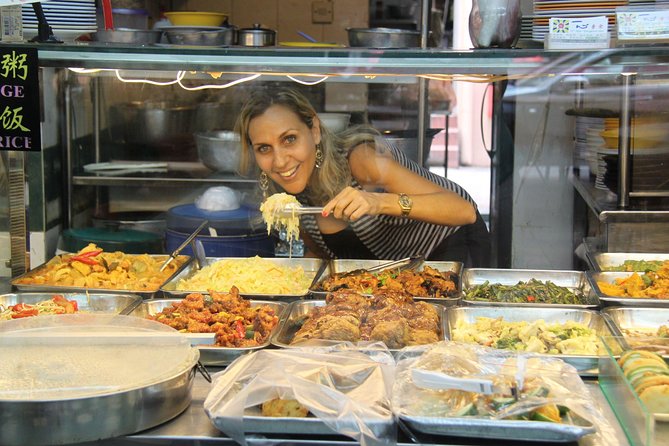
This is a 3-hour Singapore experience built for people who want more than a single restaurant recommendation. You’re eating vegetarian and vegan food that reflects how Singapore’s different communities cook and think about food, especially when religion influences what’s avoided and what’s embraced.
The appeal is simple: you get to taste a spread across cuisines—Chinese Buddhist, Japanese, and Indian—while still staying focused on a vegetarian theme. And you’re not stuck in one dining room. You spend time in shops and market-style settings where ingredients are the star.
I also like that the guide isn’t treating this as a generic “try this, try that” walk. The best part is the ingredient-to-meaning connection. Food rules, food names, and food preparation all get tied together so you understand why certain dishes exist.
You can also read our reviews of more tours and experiences in Singapore.

Tekka Centre Start: Getting Oriented Before You Eat
Your tour starts at Tekka Centre (665 Buffalo Road, Zhujiao Centre, Tekka Market area), meeting at the Fortune Centre entrance. Start time is 10:00 am, which matters more than you might think. In Singapore, mornings are when markets feel most practical for shopping and browsing, and you’re also more likely to find ingredients looking fresh rather than already picked over.
From the jump, the guide sets expectations for where you’ll go and what you’ll try. That “what’s coming next” clarity makes it easier to pace yourself. And because the group is capped at 10 travelers, you’re less likely to get lost in a crowd or miss the chance to ask follow-up questions.
Bottled water is included, and snacks are part of the mix. Translation: you’re not waiting until lunch to start enjoying the tour. You’re already sampling right away.
Market Stops for Vegetarian Staples: Vegetables, Dried Goods, and Fruit
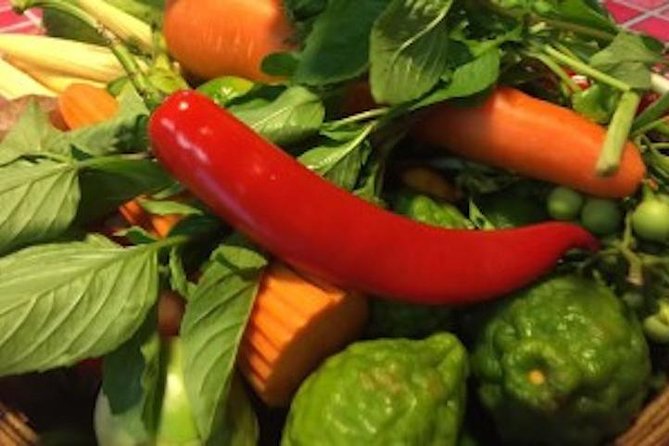
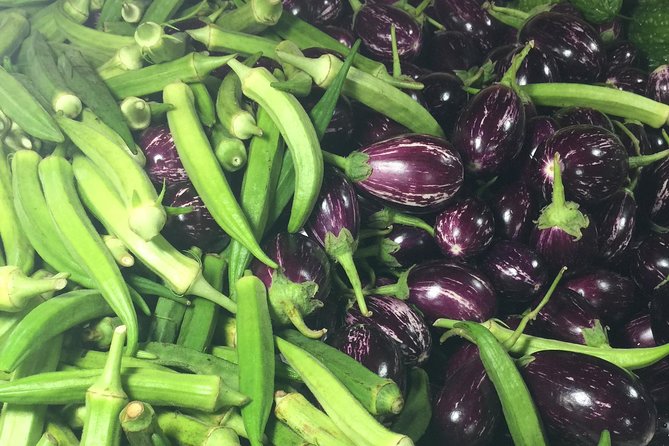
One of the smartest pieces of this tour is how much time goes to ingredient shopping rather than only restaurant eating. You’ll visit shops selling special ingredients for vegetarian cuisine in Asia, including the kinds of items that don’t always show up in regular grocery lists.
Here’s what you can expect to see and taste along the way:
- Vegetables treated as the main event, not a side dish
- Dried products that show up in many vegetarian staples
- Spices used for depth and aroma, not just heat
- Mouth-watering fruits that balance the savory side of vegetarian meals
This part matters because vegetarian cooking isn’t just “no meat.” It’s also about texture, umami, and how flavors are built. In Singapore—where cultures overlap and ingredients travel—these specialty items are a big part of that story.
Also, this shop-and-market pacing helps you avoid a common problem on food tours: showing up to tastings without understanding what you’re tasting. When you’ve seen the ingredients first, the later restaurant plates make more sense.
Practical tip: wear shoes you don’t mind getting a little stained from market floors and packaging boxes. You’ll be close to displays and product containers as the guide explains what’s what.
Temple Visits That Explain Why Vegetarian Food Exists
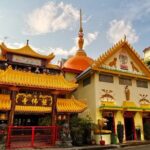
A regular food tour can be great, but it often treats vegetarian dishes as a menu choice. This tour adds something extra: a visit to a Buddhist and a Hindu temple in the neighborhood, tied directly to religion-based vegetarianism.
You’ll learn how vegetarian habits connect to spiritual practice and community life. This isn’t just a checkbox stop. It helps you understand why certain ingredient types and cooking styles are common in vegetarian traditions—and why some dishes feel familiar across cuisines.
If you care about context, you’ll enjoy this section. If you just want food and dislike religious sites, you might find it slower than you expect. Still, it’s short enough that you don’t lose the morning’s momentum, and it gives the tastings more meaning than a simple flavor review.
A useful mindset here: treat the temple stop like an “explain the rules” moment. When you return to the restaurant tastings, you’ll catch more details in how the dishes are presented and described.
Restaurant Tastings: Chinese Buddhist, Japanese, and Indian Plates
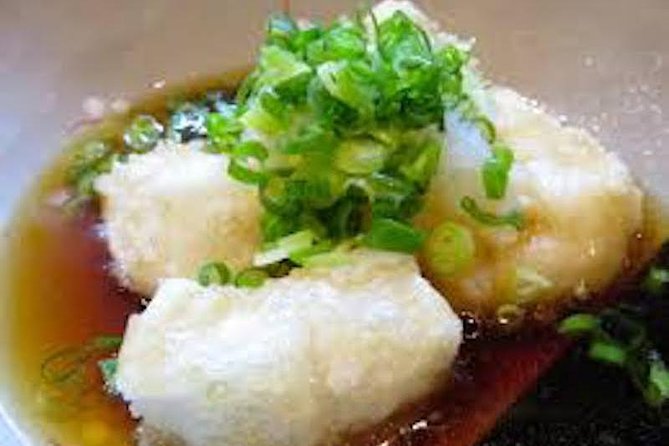
After the ingredient groundwork and temple context, the tour moves into multiple restaurant-style tasting stops. This is where the tour’s promise—some of the best vegetarian and vegan food in Singapore—becomes very real.
You’ll sample dishes from:
- Chinese Buddhist cuisine
- Japanese cuisine
- Indian cuisine, with vegetarian options and some vegan choices
The places are selected carefully to create a good experience, not just to serve “a vegetarian meal.” And the guide doesn’t hand you a menu and walk away. They explain ingredients and recipes as you eat—so you’re not only tasting, you’re learning how the flavors are constructed.
One of the standout elements from past guests’ experiences is that guides often connect food to naming and background meaning. For example, people have highlighted guides such as Kim for strong cultural-food context, and Ahmed for explaining place names and historical significance tied to what you’re eating. That kind of storytelling turns a plate into a lesson.
A balanced expectation: you won’t taste everything on the menus. You’ll taste enough to represent the cuisine style, the key ingredients, and the vegetarian logic behind the dish. That’s a good trade when you’re on a tight 3-hour schedule.


How Much You’ll Eat: Snacks, Portions, and the Full-Morning Reality
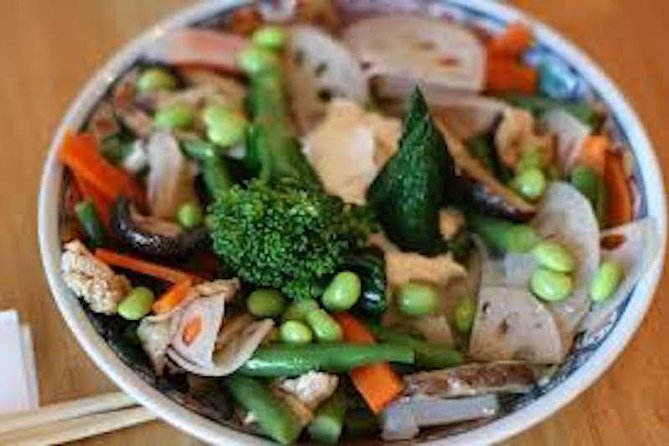
Let’s talk about the part everyone needs to know: you’ll probably leave very full.
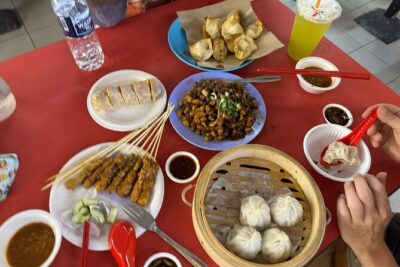
The tour includes breakfast and food samples, plus snacks during the route. Then you add restaurant tastings across multiple cuisines. It’s a lot of food, and not in a sad way—this is the good kind of overindulgence. Several people pointed out the generous amount of tastings, with the challenge being that it can be hard to finish everything.
So I recommend you plan your day like this:
- Eat a light breakfast or just arrive hungry at 10:00 am
- Expect a late-morning stomach win, not a quick snack
- Keep your afternoon flexible and not too scheduled
- Bring a small container only if you’re the type who likes saving leftovers—some people do finish less than planned
This isn’t a critique of the tour. It’s part of the value. You’re paying to sample widely and learn while you’re eating, and that requires real portions, not tiny “one bite” plates.
Price and Value: What You’re Really Paying For
At $161.08 per person for about 3 hours, the cost can look high if you compare it to a single meal. But the value changes once you count what’s included: a local guide, breakfast and food samples, snacks, bottled water, and multiple tasting stops across markets and restaurants.
Also, you get a small-group advantage. With a maximum of 10 travelers, the experience isn’t just a mass walking event. It’s designed for personalized attention—meaning the guide can respond to questions and dietary needs during the tastings.
The average booking window is about 31 days in advance, which suggests this tour gets planned ahead. That matters because vegetarian-focused experiences can fill up, especially if you want a specific time.
If you’re the type who likes learning while eating—ingredients, naming, cultural rules—this price starts to make sense. If you only want a casual bite without stopping for ingredient explanations or temple context, you might find a cheaper standalone meal better.
Who Should Book This Vegetarian Culinary Adventure?
This tour is a great fit for:
- Vegetarians and vegans who want more than one cuisine style
- Food lovers who enjoy learning ingredient roles, not just chasing flavors
- People who like cultural context, especially when religion influences daily meals
- Visitors who want a short morning plan that feels substantial
It’s also family-friendly with a minimum age of 7 years, which tells me it’s geared toward understandable, guided eating rather than an adult-only tasting crawl.
If you hate temples or prefer only one type of cuisine (say, only Indian vegetarian), the mix might feel broad. But the whole point is comparison—how vegetarian food shifts across cultures while staying grounded in the same theme.
Practical Tips to Make the Most of Your 10:00 am Tour
A few common-sense moves will improve your morning a lot:
- Arrive on time so you don’t feel rushed during the first tastings
- Wear comfortable shoes for shop-and-restaurant pacing
- If you have dietary restrictions, advise the operator at booking so the guide can plan around them
- Bring a curious attitude. The tour works best when you ask what a dish is made from and why
- Pace your tasting—there’s a good chance you’ll get more food than you expect
And if you’re worried about getting overwhelmed by explanations, don’t be. The guide’s job is to connect what you’re tasting to ingredients and recipes, and the group size helps keep things readable rather than chaotic.
Should You Book This Vegetarian Food Tour in Singapore?
If you want a vegetarian-focused Singapore experience that includes markets, temple context, and multiple cuisine styles in one 3-hour morning, I’d say this tour is worth it. The built-in value is the combination of generous tastings plus a guided explanation that helps the food make sense, not just taste good.
I’d especially recommend it if you’re traveling for food learning—ingredient stories, cuisine comparisons, and the religion-based reasons behind vegetarian practices. For people who want a quick, no-explanation snack run, it may feel like more structure than they need. But if you’re here to eat and understand, this is a strong choice.
FAQ
What is the duration of the tour?
The tour lasts about 3 hours.
What does the tour cost?
The price is $161.08 per person.
Is breakfast and tasting included?
Yes. Breakfast, food and drinks tasting, snacks, and bottled water are included.
Do I visit temples during the tour?
Yes. The tour includes visits to a Buddhist and a Hindu temple in the neighborhood.
How large is the group?
The maximum group size is 10 travelers.
What is the meeting point and start time?
The tour starts at Tekka Centre (meeting at the Fortune Centre entrance) at 10:00 am.
Is the tour suitable for kids?
The minimum age is 7 years.