Batik starts as a wax trick. In Singapore, this hands-on class teaches you the traditional way of making batik using hot wax on fabric, then helps you turn your design into a souvenir you can actually use. It’s also tied to the local Malay community, so it’s more than just a craft demo.
I love the fact that you get to work with the real method, not a watered-down version. You’ll practice with a traditional hot-wax tool, then leave with a finished piece, not just a sketchbook full of good intentions.
One thing to consider: the workshop happens in a community-focused setting, and a couple of past participants noted the room can be a bit noisy. Also, if you need extremely detailed step-by-step guidance, speak up early so you get the pacing you want.
In This Review
- Key things to know before you go
- Batik in 2 Hours: What You Actually Make and Why It Matters
- Meeting at Wisma Geylang Serai: A More Local-Feeling Classroom
- The Batik Lesson Itself: Hot Wax Tools, Simple Steps, and Room for Questions
- Geylang Serai New Market and Paya Lebar Square: How the Stops Fit the Craft
- Price and Value: Is $96.89 Worth It?
- Small Group Size and Daily Sessions: Scheduling Without Stress
- Tips to Get the Most From Your Class
- Should You Book This Batik Painting Class?
- FAQ
- What is the duration of the batik painting class?
- Where does the experience start?
- What is the price per person?
- How large are the groups?
- Are there multiple session times each day?
- Will I take my artwork home?
- What materials or technique are used?
- Is there local cultural context included?
- Is the venue near public transportation?
- What is the cancellation policy?
Key things to know before you go
- Hands-on batik with hot wax: you’ll do the process yourself, including applying wax and building a design
- Local instruction from Kamal Arts: the owner-instructor approach means you can ask questions and get support
- Small group size: capped at 20 people, which helps the class feel less rushed
- Take-home souvenir: you finish the session with your own batik artwork
- Flexible scheduling: sessions run daily, with at least two times available each day
Batik in 2 Hours: What You Actually Make and Why It Matters
You’re signing up for a short creative session with a clear goal: make batik with hot wax and fabric, then walk out holding the finished artwork. That “finish line” is what makes this class work for a trip schedule. In about two hours, you get the basics down and turn them into something tangible.
Batik isn’t just pretty patterns. It’s a resist-dye process. Wax blocks dye where you apply it, so the design only shows up once you build layers and let the method do its trick. In class, you’ll learn how to start, how to manage the wax tool, and how the steps connect to the final result.
If you want a break from Singapore’s heat and constant moving, I like that this is a calm, seated activity. Reviews also describe it as therapeutic and relaxing. You’re concentrating, hands busy, with just enough structure to keep a beginner from feeling lost.
You can also read our reviews of more tours and experiences in Singapore.



Meeting at Wisma Geylang Serai: A More Local-Feeling Classroom
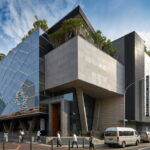
The meeting point is Wisma Geylang Serai, at 1 Engku Aman Turn, Singapore 408528. From there, the experience is built around the Geylang Serai area, with stops that include Geylang Serai New Market, Wisma Geylang Serai, and Paya Lebar Square Retail.
Here’s why that location choice matters. The workshop isn’t presented like a tourist-only studio. One participant specifically noted it felt like a working space in an office/community setting rather than a “set up for visitors” room. That can be a good thing. You’re learning the craft where people live and buy and go about their day.
A practical tip: plan to arrive early. One review recommended arriving at least 30 minutes before class to find the room inside the building/community center. If you’re even slightly late, you can lose the calm start that helps you focus on the wax work.
The Batik Lesson Itself: Hot Wax Tools, Simple Steps, and Room for Questions
This workshop teaches the traditional batik method using hot wax and fabric. The class is guided by a local artist, and the teaching style shows up in the way people describe the session: patient, encouraging, and clear about the steps.
In terms of what you’ll do, expect the core workflow:
- pick or follow a pattern idea
- apply hot wax using a traditional tool to create the resist design
- add color with guidance so your final piece looks intentional
The best part is that you’re not just watching. You’re making. Several people praised how hands-on the experience feels, and how the instructor gave time and support while you work through the unfamiliar steps.
Kamal Arts is repeatedly mentioned as the instructor/owner, and that matters for you. When the teacher is the artist and runs the studio, the class tends to feel more personal. People also said the instructor shared history and culture alongside technique, so you’re not left thinking only about colors and tools.
Now, the honest consideration. One lower-rated experience said the process wasn’t explained as well as expected after the first step, with more of a jump from selecting a pattern to tool use. Language could also have played a role in clarity for that participant. Your takeaway: if anything feels confusing, ask questions immediately. Don’t wait until mid-session.
Geylang Serai New Market and Paya Lebar Square: How the Stops Fit the Craft
Your itinerary includes three stops: Geylang Serai New Market, Wisma Geylang Serai, and Paya Lebar Square Retail. Even if you’re there mainly for the batik class, these stops can help you understand the neighborhood context around the workshop.
Geylang Serai is connected to the Malay community in Singapore, and the workshop being based at Wisma Geylang Serai is part of that link. One review highlighted the building as a cultural hub and suggested exploring the surrounding area for a fuller local experience. That’s a good mindset for you. After class, take 20 minutes to wander, look at what’s around, and let the area sink in.
As for drawbacks, if you’re looking for a long guided walking tour, this isn’t that kind of day. The class is the main event, and the neighborhood stops support it rather than replacing it. If you want a lot of big-ticket sightseeing, pair this with other plans in the same day.
Price and Value: Is $96.89 Worth It?
At $96.89 per person, this isn’t the cheapest activity you can book in Singapore. But it’s also not just a short demo where you leave with nothing. You’ll spend about two hours making your own batik, learn the wax-and-dye method basics from a local artist, and take home your completed artwork as a souvenir.
That “take-home” part is the value anchor. You’re paying for time with a teacher, materials, and guided help so a beginner can produce something finishable in one sitting. Several reviews also mention the instructor providing what you need and supporting you through the process, which is exactly what you want for a hands-on craft in a foreign city.
It’s also relatively small-group with a maximum of 20 people. Smaller groups usually mean less waiting around and more help when your wax work needs correction.
If budget is tight, ask yourself one question: do you want a memory you can hang on a wall, or do you just want photos? If you’re in the first group, this price starts to make sense fast.






Small Group Size and Daily Sessions: Scheduling Without Stress
This experience runs daily, and there are at least two session times each day. That flexibility helps because batik is the kind of activity that works better when you choose the time that matches your energy level.
Also, you get a mobile ticket. That sounds small, but in Singapore, it reduces friction. You can focus on showing up and finding the right room early, rather than messing with printed paperwork.
Group size matters too. With up to 20 participants, you’re more likely to get feedback and encouragement rather than being left to figure out hot wax on your own. Several reviews described the instructor as patient and supportive, and the group cap likely helps make that possible.
Tips to Get the Most From Your Class
Here’s how to set yourself up for a smoother session and a better result, especially if you’re a first timer.
Arrive early. One review recommended getting there at least 30 minutes before start so you can locate the classroom inside the building. Use that time to settle down, observe how others are setting up, and ask one question before you start.
Plan to ask questions early. The class is designed for people who can participate, but batik has a few “wait, what?” moments for beginners. If you need clarification on wax tool use or color blending, ask right away rather than hoping it becomes obvious later.
Treat noise like weather, not an emergency. If your room happens to be noisy, don’t fight it. Wear comfortable clothing, focus on your hands, and use the instructor’s step-by-step guidance as your anchor.
Make peace with simple designs. Batik rewards patience. You don’t need to recreate a masterpiece. A clean, well-placed pattern will look good, even if it’s not complicated.
Should You Book This Batik Painting Class?
If you want a hands-on art experience with a local instructor, I think you’ll enjoy this. The biggest reasons to book are straightforward: you learn the traditional hot-wax batik method, you get guided help from Kamal Arts, and you leave with your own finished artwork.
I’d hesitate only if you’re very sensitive to noise or you require extremely detailed step-by-step instruction at every moment. In that case, go in prepared to ask questions immediately if something doesn’t land. The class format is set up for beginners, but clarity is always a two-way street.
If you’re choosing between more sightseeing and one creative activity, this is a great trade. You’ll get a break from the pace, learn something tactile and genuinely Singapore-linked, and bring home a souvenir that looks like you earned it.
FAQ
What is the duration of the batik painting class?
It runs for about 2 hours.
Where does the experience start?
The meeting point is Wisma Geylang Serai, 1 Engku Aman Turn, Singapore 408528.
What is the price per person?
The price is $96.89 per person.
How large are the groups?
The class has a maximum of 20 travelers.
Are there multiple session times each day?
Yes. Sessions are available daily, with at least two sessions each day.
Will I take my artwork home?
Yes. You finish the experience with your own unique batik artwork as a souvenir.
What materials or technique are used?
You’ll practice traditional batik painting using hot wax and fabric with a traditional tool.
Is there local cultural context included?
Yes. You learn from a local artist about art culture in Singapore as part of the experience.
Is the venue near public transportation?
Yes, the meeting point is near public transportation.
What is the cancellation policy?
Free cancellation is available. You can cancel up to 24 hours in advance for a full refund; changes within 24 hours are not accepted and the amount paid will not be refunded.