Chinatown feels personal when someone local slows you down. You get a well-paced route that strings together heritage streets, photo-friendly murals, and real food decisions.
I really like the history you can see as you walk—Pagoda Street, old shop-houses, temple details—and I also like the food-center guidance so you don’t waste time guessing what’s worth it. If you’re lucky and your guide is Kelvin or Jeanette, you’ll hear stories that feel current, not dusty.
One thing to plan for: this is mostly walking, including older streets and steps, so bring comfortable footwear. It’s also not wheelchair-accessible.
In This Review
- Key tour highlights at a glance
- How the Chinatown Route Stays Smooth (and Worth the Time)
- Starting Point: Chinatown MRT Exit A and the Easy Meet-Up
- Chinatown Heritage Centre and Pagoda Street Storytelling
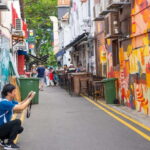
- Hidden Alleys and 3-D Murals by Yip Yew Chong
- Sri Mariamman Temple: Oldest Hindu Temple, Real Architectural Details
- Ann Siang Hill & Club Street: History and a Crazy Rich Asians Photo Spot
- Maxwell Food Centre: How to Eat Smart Without Winging It
- Buddha Tooth Relic Temple and Museum: Tang-Style Chinese Buddhist Art
- Chinatown Complex: Shop-Houses and Tile-Ornament Details
- What You’ll Like Most (Based on Real Guide Strengths)
- Price, Value, and Who This Tour Fits Best
- Should You Book the Chinatown Hidden Treasures Walk?
- FAQ
- Where do I meet for the tour?
- How long is the tour, and where does it end?
- What food is included?
- Is this tour available as a private group?
- What languages are the guides?
- What is the cancellation deadline for a full refund?
Key tour highlights at a glance
- Hidden alley access + 3-D murals by local artist Yip Yew Chong
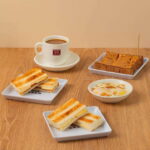
- Coffee or milk tea with shared kaya toast as a mid-tour reset
- Sri Mariamman Temple with its towering gopuram and intricate sculpture work
- Ann Siang Hill & Club Street photo spot tied to Crazy Rich Asians
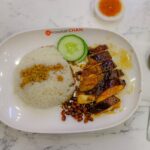
- Maxwell Food Centre picks for iconic chicken rice and Fuzhou oyster cakes
- Buddha Tooth Relic Temple + Sago Lane near the street-of-the-dead area in Cantonese
How the Chinatown Route Stays Smooth (and Worth the Time)
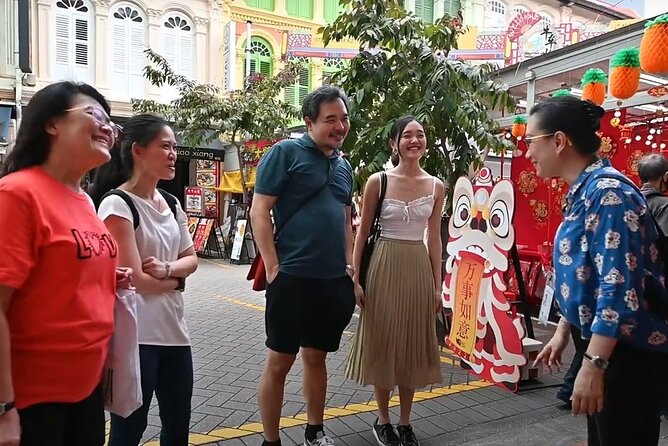
This tour is built like a smart walk, not a random list of places. You start at Chinatown MRT Exit A at street level, directly in front of Bee Chiang Heng Bak Kwa store, then you move zone by zone through the area. That matters in Singapore, where you can burn time figuring out which lane leads where. Here, the guide keeps you flowing.
The whole experience runs about 3 hours with multiple stops, and the pacing is designed so you get photos, context, and time to ask questions. Several guides (like Ronnie/Ronny and Jeanette) are praised for being able to answer everything without rushing you. You also get licensed guide time the entire way, not just at one landmark.
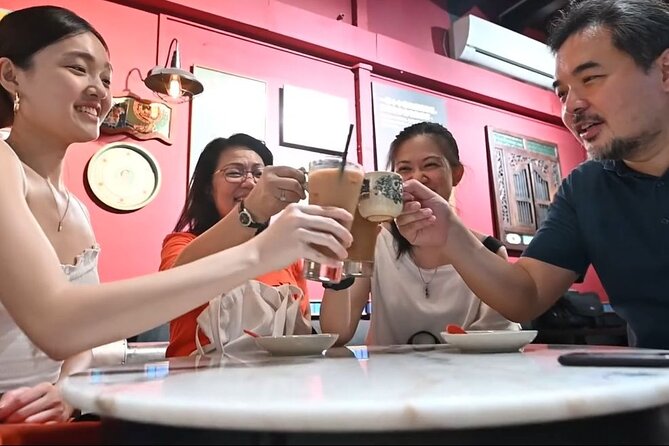
At $63 per person, the value is mostly in two things: (1) guided context that helps you read what you’re looking at, and (2) a food moment included halfway through. You’re not just walking—you’re learning what to notice, then getting practical suggestions for where to eat next at Maxwell.
You can also read our reviews of more walking tours in Singapore

Starting Point: Chinatown MRT Exit A and the Easy Meet-Up
Meeting at Chinatown MRT Exit A is one of those small details that makes the whole thing easier. No complicated hotel lobby hunts, no maze of back alleys to find your group.
You meet at street level in front of Bee Chiang Heng Bak Kwa store. Plan to arrive a few minutes early so you can settle in and match faces to names. This is also the moment to tell your guide anything important—like if you’re traveling with kids, if you have a foot issue, or if you want gentler stops.
Chinatown Heritage Centre and Pagoda Street Storytelling
Your first meaningful stop takes you into Chinatown’s immigrant-era past on and around Pagoda Street. The guide sets the scene with stories of Chinese immigrants chasing dreams in Singapore—and then facing harsh realities such as coolie work and the experience of Samsui women. You’ll hear these names and terms in context, not as trivia.
Why I think this stop matters: in Chinatown, buildings can look similar until you know what they once meant. After the Heritage Centre portion, you’re better able to understand why certain streets and shop-houses took on the patterns they did. You start seeing the area as a living outcome of migration, labor, and community.
You’ll also get a short walking segment along the way that works like a warm-up. Expect a steady pace, with time for questions.
Hidden Alleys and 3-D Murals by Yip Yew Chong
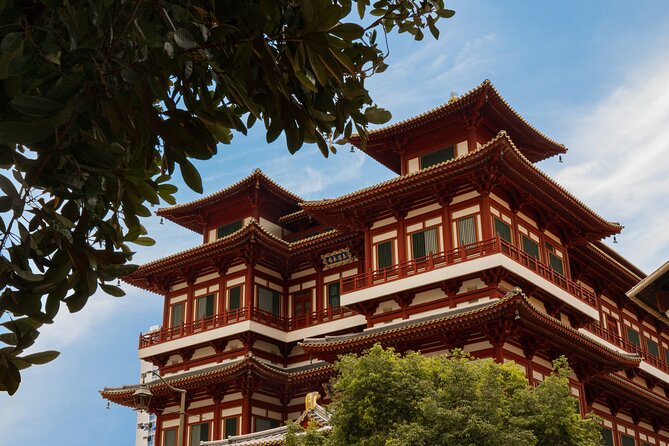
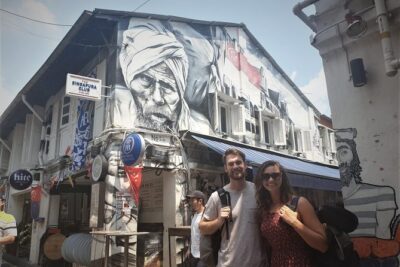
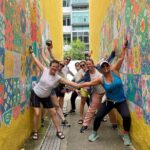
Then comes the part that feels like Chinatown’s secret side streets are letting you in. The tour moves into hidden alleys with picturesque ethnic shop-houses and 3-D murals by local artist Yip Yew Chong.
This stop is all about two things:
- Turning corners on purpose. You’re not just passing by walls and hoping something looks good.
- Using your eyes with a guide. The guide helps you spot details you’d likely miss if you were alone—like where the murals are best photographed and how the alley life plays out at street level.
It’s also where the tour earns its name. If your plan is mostly “walk around Chinatown until you find something cool,” you’ll likely end up with a lot of random scenes. With this guide-led route, the cool scenes are more likely to show up when you’re there.
Sri Mariamman Temple: Oldest Hindu Temple, Real Architectural Details
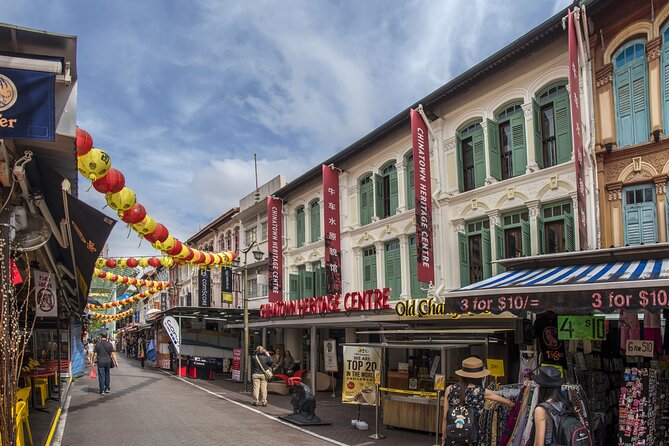
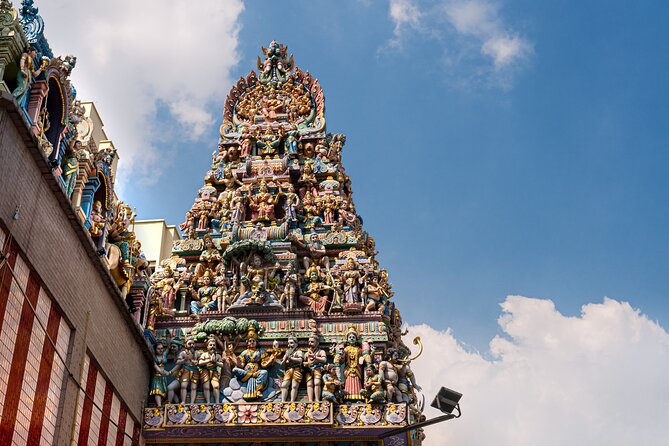
Sri Mariamman Temple is one of those places where the art isn’t decorative fluff—it’s the point. You’ll see the ancient beauty of the temple and pay attention to the towering gopuram covered with Hindu deities and figures.
This stop is especially valuable if you like understanding how religions show up in architecture. The carvings and layers tell a story, and the guide helps you connect what you see to why it exists.
One practical note: temples are places where you should go respectfully, and you’ll be walking around with your group. Comfortable shoes help here too, because the best viewing angles often mean taking a few careful steps.
You can also read our reviews of more guided tours in Singapore
Ann Siang Hill & Club Street: History and a Crazy Rich Asians Photo Spot
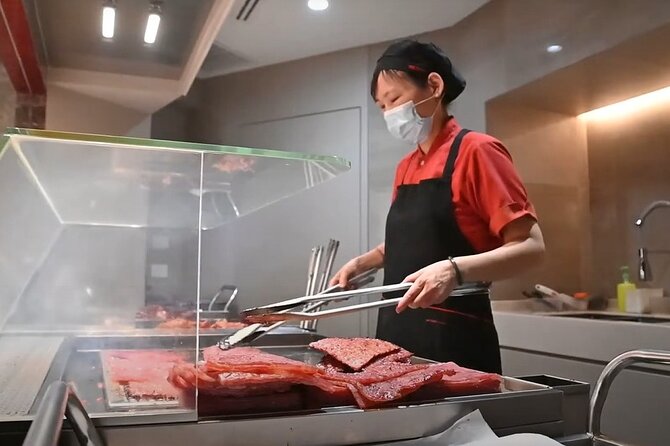
After the temple, the tour shifts tone. Ann Siang Hill and Club Street show Chinatown in a more modern, storybook setting—restored shop-houses, changing streetscapes, and architecture that feels like it has character even before the guide speaks.
You’ll also hear about how these areas once served as a business hub for Chinese immigrants. Then the guide points you to a photo-taking spot featured in Crazy Rich Asians.
I like this stop because it gives you a “before and after” feeling. You’re looking at places that have evolved, yet still carry recognizable shapes from earlier Chinatown life. If you’re a photo person, this is a clear win. If you’re not, it still works because the guide ties the buildings back to real people and real work.
Maxwell Food Centre: How to Eat Smart Without Winging It
Now you hit the hungry part of the tour—in the best way. Maxwell Food Centre is where the guide helps you order with confidence.
You’ll get recommendations for classics like:
- Singapore chicken rice
- Fuzhou oyster cakes
- and other local treats suited to what’s available in the moment
This is a big deal in hawker centers, because the hardest part isn’t eating—it’s choosing. With a guide, you’re less likely to end up with something that looks good but doesn’t match your tastes.
You’re also in a location that makes solo follow-up easy. The stop is conveniently near Buddha Tooth Relic Temple, so after the tour you can keep going without losing time.
One consideration: hawker centers can mean waiting, and the tour experience uses hawker spaces where table booking or food pre-ordering isn’t possible. Build a little flexibility into your expectations and you’ll have a calmer time.
Buddha Tooth Relic Temple and Museum: Tang-Style Chinese Buddhist Art
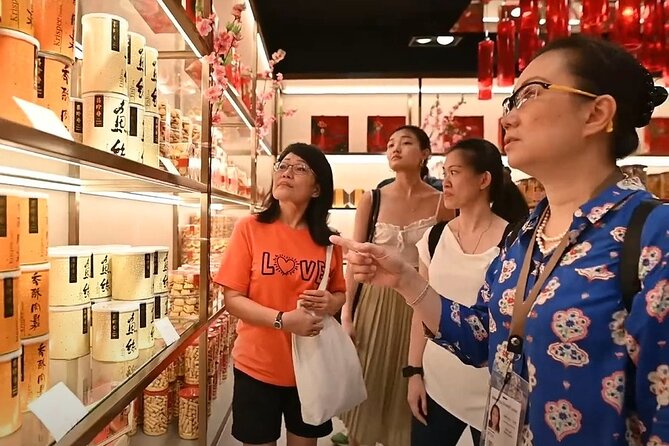
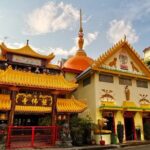
Next up is Buddha Tooth Relic Temple and Museum. This is a Tang-style Chinese Buddhist temple, and the tour focuses on what makes it historically and artistically interesting. You’ll see ancient art and history, plus the revered relic said to be a Buddha tooth.
If you’ve been to other temples in Asia, you’ll notice familiar elements—scale, symbolism, and craft—but this one has its own specific identity. The guide helps you slow down just enough to notice what you might otherwise race past.
Right after, you’ll also learn about Sago Lane, known in Cantonese as the street of the dead. Even if you’re not looking for spooky stories, it’s an example of how Chinatown holds memory in its street names and local phrasing.
Chinatown Complex: Shop-Houses and Tile-Ornament Details
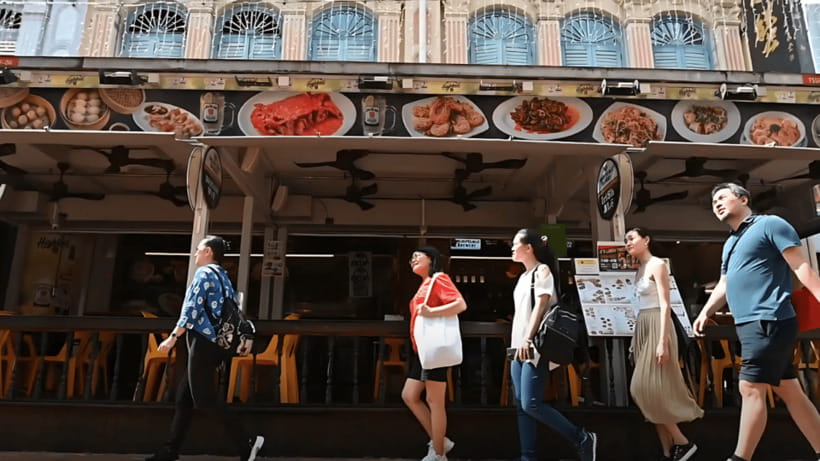
The last stop is Chinatown Complex, and it’s more than a finish line. This area brings you back to architecture and daily life: you’ll look at traditional two- or three-storey shop-houses decorated with Chinese tile ornaments.
It’s a fitting ending because by now you’ve seen:
- immigrant-era stories
- hidden alley art
- temple symbolism
- and hawker-world food culture
Chinatown Complex lets you wrap those themes together in a place that looks like commerce and community living side-by-side.
Then the tour finishes at Chinatown Complex, which is useful if you want to continue exploring the neighborhood without needing to retrace your steps.
What You’ll Like Most (Based on Real Guide Strengths)
I’m going to highlight patterns you can use when deciding if this tour fits you.
- Guides who handle questions well. Kelvin is praised for being up to date on Chinatown history, and Jeanette is praised for adding economical and political background. If that’s your style, you’ll enjoy how much context you can ask for.
- Personal attention, especially on small groups. One couple-tour experience noted full attention from the guide when it was just two people. If you want a slower, more conversational pace, this is a strong match.
- Practical food guidance. Ronnie/Ronny gets named for chicken rice recommendations and for pointing out where to eat afterward. That’s real value because it turns the tour into a starter map for the rest of your day.
- Mindful pacing. There’s praise for a slow, gentle pace that worked well for elderly participants, plus at least one instance of a guide checking in on a foot injury and adjusting focus. That matters because the itinerary includes walking across multiple zones.
Price, Value, and Who This Tour Fits Best
Let’s talk about the money plainly. At $63 for about 3 hours, you’re paying for a licensed guide, a structured route through multiple landmarks, and an included drink and kaya toast set.
What makes it feel fair is that you’re not paying just for “being taken to places.” You’re paying for interpretation—how the immigrant stories connect to street form, how temple details connect to symbolism, and how hawker centers connect to food ordering decisions.
This tour is a good fit if:
- you want an efficient first pass through Chinatown
- you like history explained in a way you can see with your own eyes
- you want a food plan for Maxwell instead of random ordering
- you prefer a guided route that reduces wandering
It might be less ideal if:
- you want a fully self-guided day (this is guided for a reason)
- you struggle with walking on older streets and steps
- you need specific dietary accommodations, since dietary needs aren’t guaranteed unless it’s a private tour
Should You Book the Chinatown Hidden Treasures Walk?
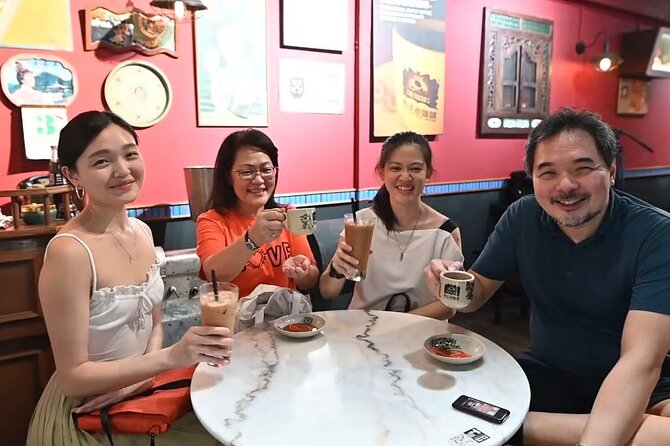
If you’re spending limited time in Singapore and you want Chinatown to make sense fast, this is a smart booking. The included coffee or milk tea with shared kaya toast gives you a low-effort break that still feels local. The mix of heritage, hidden alleys, temple architecture, and hawker-center food picks keeps the tour from becoming one long landmark parade.
Book it if you want Chinatown with context and with a guide who can steer you toward good decisions—especially around food. Skip it if you hate walking, need guaranteed dietary support, or want a purely flexible itinerary with no structure.
If you do book, do one thing that pays off: wear good shoes and come hungry enough to enjoy Maxwell. The tour sets you up for the next meal, not just for photos.
FAQ
Where do I meet for the tour?
You meet at Chinatown MRT Station, Exit A (street level), in front of Bee Chiang Heng Bak Kwa store.
How long is the tour, and where does it end?
The tour is 3 hours, and it finishes at Chinatown Complex.
What food is included?
You get 1 cup of coffee or milk tea with a shared set of kaya toast.
Is this tour available as a private group?
Yes. Private group options are available, and the experience can be personalized for private tours.
What languages are the guides?
Guides are available in Chinese, English, and Japanese.
What is the cancellation deadline for a full refund?
You can cancel up to 24 hours in advance for a full refund.