REVIEW · CHINATOWN, LITTLE INDIA & KAMPONG GLAM WALKING TOURS
Singapore: Chinatown, Little India, Arab Street Walking Tour
Book on GetYourGuide →Operated by Fiesta Tours SG · Bookable on GetYourGuide
Singapore’s neighborhoods tell stories fast. This 4-hour small-group walking tour strings together Chinatown, Little India, and Arab Street so you can see how Singapore’s communities live, worship, shop, and eat. I like that you get a real guide for context (not just photos), and I also like the built-in “wow stops” like the Buddha Tooth Relic Temple and Parkview Square, the Batman Building.
You’ll also spend real time in the streets where most people rush through: photo-friendly alleys, colorful walls, spice shop storefronts, and street-level details around temples and markets. One thing to consider: this is 4 hours of walking in heat, and MRT rides are on you, so wear comfy shoes and plan water breaks.
In This Review
- Key takeaways
- Entering Chinatown Point and Choosing the Right Start Time
- Buddha Tooth Relic Temple: More Than a Photo Stop
- Chinatown Streets, Markets, and Food-Stall Culture
- Little India in 45 Minutes: Saris, Spices, and Henna Art
- Arab Street and Parkview Square’s Batman Building
- Haji Lane’s 20-Minute Street Art Detour
- MRT, Walking Time, and Value at $53 Per Person
- What Guides Do Right: Names Worth Noting
- What to Bring for a Comfortable 4-Hour Walk
- Who Should Book This Tour (and Who Should Skip It)
- Should You Book This Singapore Chinatown–Little India–Arab Street Tour?
- FAQ
- Where do I meet for the tour?
- How long is the tour?
- What does the tour cost?
- How many people are in a group?
- What is included in the price?
- Are MRT subway fares included?
- Are food and drinks included?
- What should I bring?
- Does the tour run in rain or shine?
- Who is the tour not suitable for?
Key takeaways
- Licensed, English-speaking guides who answer questions and keep the group moving at a human pace
- Parkview Square (Batman Building) with standout art deco style
- Three major districts in one trip, so you don’t waste time figuring out what’s where
- Street-level photo stops, from murals to shopfronts and temple architecture
- MRT used during the walk, with fares paid separately
- Max 10 people, which makes it easier to ask questions and regroup
Entering Chinatown Point and Choosing the Right Start Time
The tour starts at the entrance of Starbucks at Chinatown Point Mall. It’s a practical meeting spot: easy to find, easy to regroup, and close to the Chinatown subway area. Since the tour runs on a fixed 4-hour schedule, being on time matters. The walk starts promptly and won’t be extended for late arrivals.
Pace is the honest deal here. You’re covering several neighborhoods in a short window, which usually means a brisk rhythm plus quick orientation stops. Guides are often praised for checking in and adjusting to the group’s comfort. You’ll still want to show up ready for walking, not sightseeing from a stroller.
If you’re booking your day, I’d pick an earlier time slot when possible. Singapore heat and humidity can hit hard, even when the sky looks innocent. And because it’s rain or shine, bringing an umbrella is not optional—one pop-up shower can turn “easy street stroll” into “slippery sprint.”
You can also read our reviews of more walking tours in Singapore


Buddha Tooth Relic Temple: More Than a Photo Stop
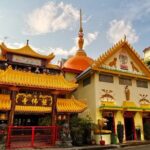
Your first major guided visit is Buddha Tooth Relic Temple, about 30 minutes. This isn’t just a landmark you pass by; you get a guided moment to understand what you’re seeing—architecture, temple purpose, and the feel of the place. Even if you’re not a temple person, this is a strong starting point because it gives you cultural context before you hit the street markets.
What I like about starting here: it sets the tone for Chinatown. The rest of the route makes more sense once you’ve seen how religion, community life, and everyday commerce sit side by side.
Practical tip: go in with your camera ready, but also take a minute to look slowly. Temple details—roof lines, carvings, and interior rhythms—tend to reward slower attention. The guided portion is short, so don’t spend the whole time only framing shots.
Chinatown Streets, Markets, and Food-Stall Culture
After that first temple stop, you’ll spend around 1 hour in Chinatown. Expect a guided walk through areas tied to Chinese heritage: markets, historic temple surroundings, and the kind of street-level commerce that shapes day-to-day life.
This is where the tour earns its keep. You’ll learn how the neighborhood works—why certain streets feel the way they do, what traditions show up in everyday patterns, and where to look for details you’d usually miss if you were just wandering. Guides like Priscilla and Chris come up repeatedly for explaining how people live, not only what buildings look like.
Food is a big theme in Chinatown, and the guide’s job is to point you toward what to try next. Even though food and drinks aren’t included on this tour, the insider suggestions can save you a lot of time. You’ll get recommendations on local restaurants, bars, and must-try foods—use that info later when you’re hungry and ready to commit.
Potential drawback: Chinatown can get crowded, especially during holidays. If your dates overlap with Chinese New Year, some people note the area can feel different—sometimes less packed than you’d expect in certain moments. Either way, keep your “move fast, stop quick” mindset.
Little India in 45 Minutes: Saris, Spices, and Henna Art
Next up is Little India, with about 45 minutes of guided exploring. This portion focuses on what you can actually see at street level: colorful textiles, spice shops, and the artistic detail that shows up in places like henna work.
This is the best segment for sensory details. Spices and storefront aromas make the area feel distinct right away. And visually, you’ll notice how the streets are organized around commerce tied to community needs—where people shop, pause, and connect.
The guided time matters because it helps you read the signs and understand the reasons behind what you’re seeing. Guides such as Jolynn and Tim are often praised for being professional, friendly, and very willing to answer questions. That’s helpful here, because Little India isn’t just a photo backdrop—it’s a living neighborhood.
What you should watch for: smaller side streets and shopfront details. The tour is designed to help you notice those narrow alleys and murals. You’ll likely get ideas for your own shopping plan afterward too, since you’ll see where the best storefront energy is.
Arab Street and Parkview Square’s Batman Building
Arab Street gets about 30 minutes, and it’s where the tour adds real pop. You’ll see eclectic boutiques, vibrant street art, and Middle Eastern flavors in the air—then you’ll add one of the route’s signature photo moments: Parkview Square, also known as the Batman Building.
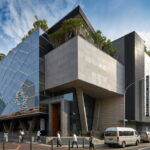
Parkview Square is special because it’s art deco in a city that’s often associated with modern glass and clean lines. That contrast makes it memorable. If you like architecture, this stop is one of the best “stop and stare” moments in the whole walk.
Arab Street also helps tie the trip together thematically. You’re not just hopping between random districts. You’re seeing how Singapore’s cultural mix shows up in the street: languages, food smells, storefront styles, and the look of the buildings.
Practical note: the route continues after Arab Street, so treat this as a “get the best photos now” segment, not a “browse forever” segment. You’ve only got 4 hours.


Haji Lane’s 20-Minute Street Art Detour
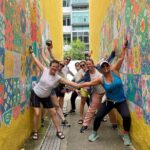
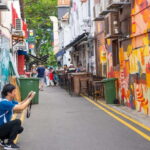
You’ll finish with Haji Lane for about 20 minutes. Haji Lane is where you’ll spot a lot of street art energy—great for quick photos, and also a handy place to slow down and take in the wall-to-wall personality.
This is a good capstone. After the heavier context of temples and neighborhood history, Haji Lane feels more like the present moment: art, fashion-adjacent storefronts, and that Singapore street-scene vibe that’s easy to enjoy even if you’re not shopping.
Timing matters here. Because it’s near the end of the tour, you’ll be tired. That’s normal. Keep your camera ready but don’t over-plan. Your goal should be to grab a few strong frames, then enjoy the last minutes without rushing.
MRT, Walking Time, and Value at $53 Per Person
Let’s talk value, because $53 for 4 hours sounds simple until you see what’s included. You’re paying for a licensed English-speaking guide, plus the structured walk through several key neighborhoods and guided temple/area time. What’s not included: local MRT/subway fares, food and drinks, attraction tickets, and personal expenses.
So where’s the value? In Singapore, the biggest time sink is not getting lost—it’s trying to figure out what’s worth your attention. This tour aims to solve that with guided context and smart routing. When guides are praised for adapting to questions, planning shade, and managing short breaks (like toilet or drink stops), that’s exactly the kind of value you can feel immediately.
Also, small group size matters. Max 10 people is still small enough that you can hear explanations and stay with the guide without feeling like you’re in a herd. Many people specifically mention a more personalized pace, and that’s what you’re paying for.
Budget note: since MRT fares are on you, bring some spare cash or make sure your transit card is ready. Even if you know Singapore transit, it’s still annoying to stop mid-tour to handle payment.
What Guides Do Right: Names Worth Noting
I’ll give you a quick reality check on something I learned from guide names that keep coming up. People frequently praise guides like Priscilla, Chris, Jolynn, Tim, Quek, Janet, and Chris Chang for practical things: being friendly, answering questions clearly, and checking that the group is okay in the heat.
You also see a pattern of guides taking small comfort steps seriously. Some notes include planning shade and break moments, and one guide even handled water for people who didn’t carry it. That’s not something you should treat as guaranteed, but it tells you what the best guides in this program focus on.
If you care about explanation quality, this matters. The tour doesn’t just point; it teaches you how to interpret neighborhoods—why each quarter looks and feels the way it does.
What to Bring for a Comfortable 4-Hour Walk
Bring what keeps you functional. The tour strongly suggests:
- Comfortable shoes
- Umbrella
- Water
That’s not dramatic. Singapore walking can be unforgiving, and a rain shower can hit without warning. If you hate carrying things, at least plan a small daypack or crossbody bag so you can keep water accessible.
One more tip: if you’re someone who likes shopping or photographing, leave room in your plan for “quick impulse stops.” This route is paced, but the areas are full of small distractions. Better to expect them than to fight your own curiosity.
Who Should Book This Tour (and Who Should Skip It)
This tour is best if you want Singapore’s multicultural neighborhoods in one focused day. It’s great for first-timers who want structure, and it’s also good for returning visitors who want a guided shortcut to street-level sights they might miss on their own.
You should skip it if you have mobility limitations. It’s not suitable for wheelchair users or people with mobility impairments, and there are age limits too: people over 95 and over 70 are not suited. The tour involves plenty of walking and is only about 4 hours, but that doesn’t mean it’s gentle.
In other words: bring your best walking legs, not your casual flip-flops.
Should You Book This Singapore Chinatown–Little India–Arab Street Tour?
Book it if:
- You want three major districts with guidance instead of aimless wandering
- You like photo stops with context (temple meaning plus street art details)
- You appreciate a small group cap (max 10) and a guide who answers questions
Skip it if:
- You want a low-walking, sit-down day
- You don’t want to pay extra for MRT fares
- You need heavy accessibility accommodations
If you’re on the fence, here’s my practical advice: use this tour as your map day. Afterward, you’ll know where to return for longer meals, shopping, and slower wandering.
FAQ
Where do I meet for the tour?
Meet at the entrance of Starbucks at Chinatown Point Mall.
How long is the tour?
The duration is 4 hours.
What does the tour cost?
It costs $53 per person (ages 5+).
How many people are in a group?
Groups are kept small, with a maximum of 10 participants.
What is included in the price?
An English-speaking, licensed guide is included.
Are MRT subway fares included?
No. MRT/subway fares are not included, and you pay them yourself.
Are food and drinks included?
No. Food and drinks are not included.
What should I bring?
Bring comfortable shoes, an umbrella, and water.
Does the tour run in rain or shine?
Yes. It operates in all weather conditions.
Who is the tour not suitable for?
It’s not suitable for people with mobility impairments, wheelchair users, people over 95, or people over 70.