REVIEW · CHINATOWN, LITTLE INDIA & KAMPONG GLAM WALKING TOURS
Singapore Group History & Culture Walking Tour
Book on Viator →Operated by The Hello Tourism Company Singapore Pte Ltd · Bookable on Viator
A city changes fast here, and at night you really feel it. This Singapore Group History & Culture Walking Tour strings together major sights from colonial-era buildings to modern Marina Bay, then slows down for local food and a classic bumboat ride. You’ll walk through the layers of the city and hear how Singapore shaped itself from third-world challenges to first-world life.
I especially like the mix of big-picture history with street-level moments: St Andrew’s Cathedral, Former City Hall, and the art at National Gallery, plus real Singapore food at Maxwell Food Centre. I also like the ending ritual, with the tea tasting at Tea Chapter and a take-home souvenir that feels more personal than a quick stop.
The main consideration is the walking. The tour asks you to be able to walk about 9 km at a slow, casual pace, and if your feet tire easily, you may want a taxi reduction option through a private version.
In This Review
- Key highlights you should care about
- A night tour that tells you how Singapore became Singapore
- Starting point and route flow: from City Hall to Chinatown
- Stop 1: Hello Singapore and what to listen for right away
- St Andrew’s Cathedral: the 1836 anchor in the middle of a fast city
- Former City Hall: colonial power, wartime change, independence
- National Gallery Singapore: art that maps Southeast Asian identity
- Clarke Quay and the Singapore River story at street level
- Bumboat cruise: seeing trade routes from the water
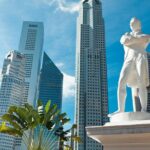
- Merlion Park at sunset: the city’s biggest postcard, with context
- Esplanade Park and the memorial pieces that explain values
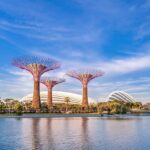
- Marina Bay waterfront walk: icons on foot
- The Fullerton Waterboat House: a 1940s reminder at the river mouth
- The Pinnacle @ Duxton sky gardens: public housing with serious views
- Maxwell Food Centre: chicken rice dinner the local way
- Tea Chapter: the traditional tasting finale (with imperial tea history)
- Price and value: what $126 buys you (and what to compare)
- How much you’ll walk, and how to not regret it
- Group size and guide impact: why this tour feels personal
- Weather and rooftop changes: be ready for Plan B
- Who should book this tour?
- Should you book Singapore Group History & Culture Walking Tour?
- FAQ
- How long is the Singapore Group History & Culture Walking Tour?
- What time does the tour start?
- Where do I meet the guide and where does the tour end?
- What is included in the tour price?
- Is the bumboat cruise included?
- How much walking is involved?
- Is this a small group tour?
- Will I visit The Pinnacle @ Duxton rooftop?
- Can vegetarians be accommodated?
- Is the tour suitable for young children?
Key highlights you should care about
Small group pace (max 9 travelers) for questions and photos
Chicken rice dinner at a hawker centre plus sugar cane juice
Traditional Singapore River bumboat cruise included in the tour
Real downtown landmarks: St Andrew’s Cathedral, Former City Hall, National Gallery
Marina Bay sunset viewpoints and signature skyline stops
Tea Chapter tea tasting with a take-home souvenir as the finale
A night tour that tells you how Singapore became Singapore
Singapore at night is when the city feels most like itself—cooler air, bright waterfronts, and streets that still carry old commercial routes. This tour is built for that feeling. You start in the Civic District at 3:30 pm near City Hall, then head toward Chinatown by the end of the evening. You move at a slow, casual walking pace, with a guide handling the story, the timing, and the in-between details.
What makes it work is the rhythm. You get stops that are easy to photograph and understand fast, like Merlion Park and the waterfront at Marina Bay. Then you get stops that explain why the city looks the way it does today, including colonial-era architecture and the big civic buildings that show Singapore’s changing priorities.
And you don’t just learn theory. You also eat like Singaporeans do—at hawker centre tables—then finish with a tea tasting that’s quiet and structured, the exact opposite vibe from the river cruise.
You can also read our reviews of more walking tours in Singapore

Starting point and route flow: from City Hall to Chinatown
You meet at City Hall, 150 N Bridge Rd, and you finish near Tea Chapter Trading Pte Ltd on Neil Road in Chinatown. Your guide gives you directions to get back to your hotel afterward, so you’re not left standing around wondering what MRT line to use.
The route is designed to group landmarks in a sensible order:
- You begin with historic civic and religious buildings in the Civic District.
- You then move through downtown art and river-adjacent areas.
- You hit the Singapore River by water, not just by street.
- Then you walk past major waterfront icons toward the food and tea finale in Chinatown.
One practical thing: the itinerary includes multiple short photo stops (often 10–20 minutes). That means you should plan to travel light and keep your pace steady. If you rush ahead, you miss the guide’s context. If you drift behind, you slow everyone down. The small group size helps here.
Stop 1: Hello Singapore and what to listen for right away
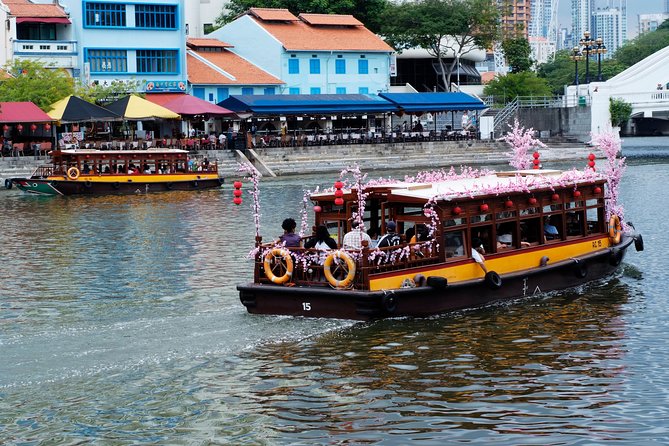
Your first stop is labeled Hello Singapore, starting at 3:30 pm. Even though it’s brief, it’s where I’d expect the guide to set the framework: what the city looked like in earlier decades and how you’ll recognize that in the buildings you see later.
For you, the value is getting the guide’s mental map early. Once you understand what to look for—trade, colonial influence, wartime disruption, independence, and then modern redevelopment—you start seeing “links” between places instead of a list of attractions.
St Andrew’s Cathedral: the 1836 anchor in the middle of a fast city
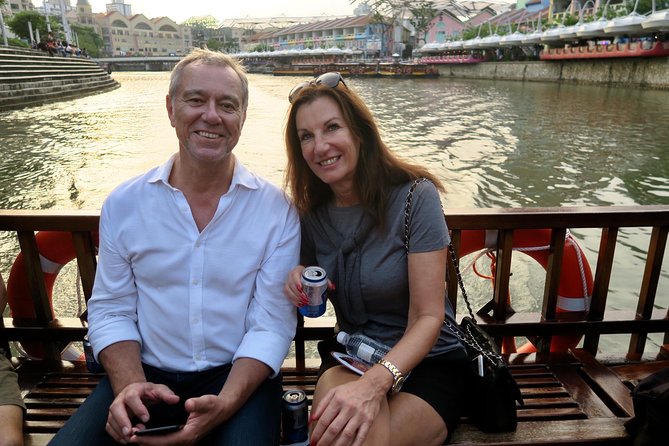
The tour visits St Andrew’s Cathedral, described as the oldest Western religious building in Singapore, with the site dating to 1836. It’s also noted as the largest Western religious building in Singapore, which makes it a useful landmark for orientation.
Here’s what I think is genuinely worthwhile: you’re not just looking at an old church. You’re seeing how early Singapore’s identity formed through global links—missionary activity, colonial governance, and the mix of people living around key civic zones.
If you notice restoration work or scaffolding, that can happen. The point is still the same: this is a long-running presence in a city that keeps remaking itself.
Former City Hall: colonial power, wartime change, independence
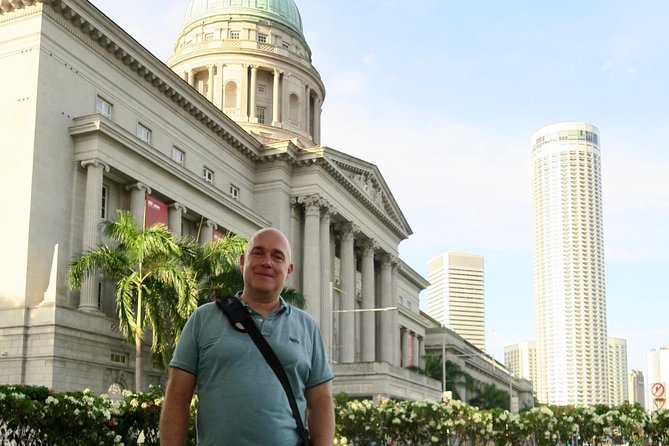
Next is Former City Hall, built in 1926 and now a national monument. This stop is especially strong if you like political history, because it connects three eras: colonial past, Japanese occupation, and the road leading up to independence.
Why it matters for you: buildings like this don’t just look impressive. They show what governments wanted to project—authority, permanence, and order. When you stand in front of it, the architecture becomes a clue to why the city developed the way it did.
You can also read our reviews of more historical tours in Singapore

National Gallery Singapore: art that maps Southeast Asian identity
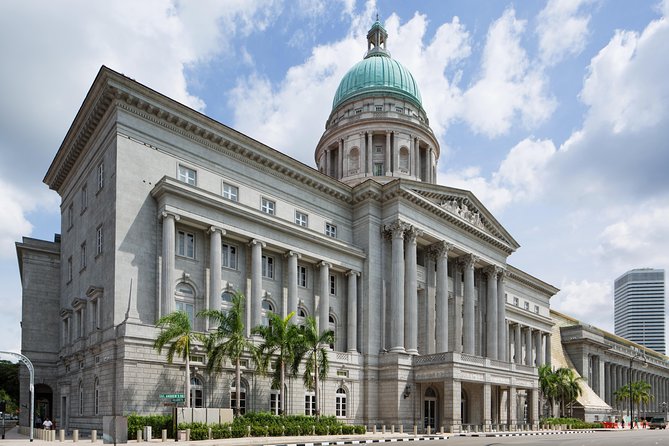
You’ll visit National Gallery Singapore, an art museum with the world’s largest public collection of Singaporean and Southeast Asian art, with over 8,000 artworks. Even if you’re not an art-history person, this stop helps you connect the city’s story to culture, not only politics.
In many cities, downtown museums feel like a separate world. Here, the museum reinforces how Singapore builds identity through art and public collections. You’re also in a prime location for quick skyline views, which helps if you want both learning and atmosphere.
Clarke Quay and the Singapore River story at street level
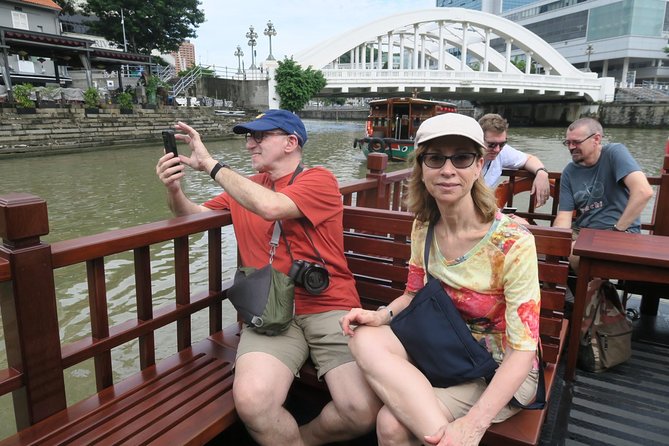
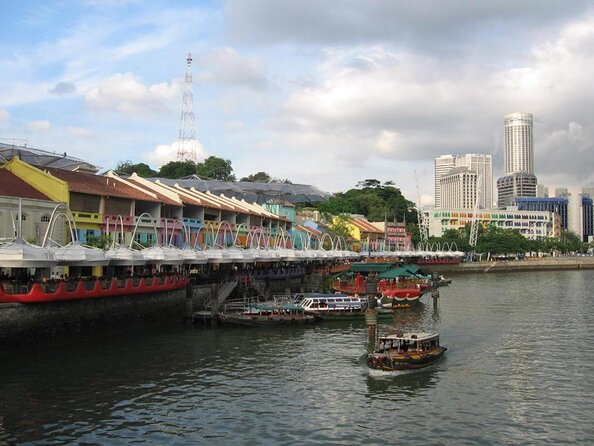
Clarke Quay is next, with a walk along the Singapore River and a look at the early traders who built businesses along the water. This stop gives you a transition: you go from buildings and institutions into commerce—who used the river, why it mattered, and why the waterfront still feels like a spine of the city.
If you like photographs, this is where you’ll probably want to slow down. The river corridor tends to give you framing that includes both historic structure and modern skyline angles.
Bumboat cruise: seeing trade routes from the water
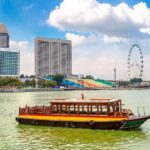
Now comes one of the best “Singapore-only” moments: the bumboat ride. The cost of the Boat Quay River Cruise is included, and you’ll spend about 30 minutes on the river.
This is more than a scenic break. From the water, it’s easier to imagine how goods moved before today’s bridges and road networks. You also get a calmer pace. You’ve been walking; the cruise lets your brain catch up and ties the history together in a way photos alone can’t.
A small timing note: it’s a fixed slot. If you’re the type who wants to sprint through photos, this is a good check-in moment to settle and just watch.
Merlion Park at sunset: the city’s biggest postcard, with context
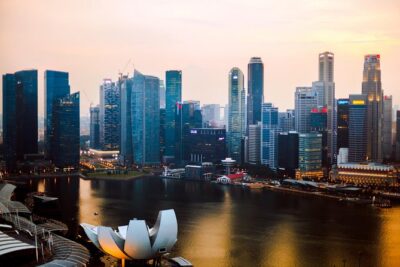
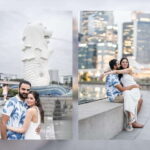
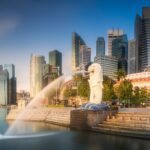
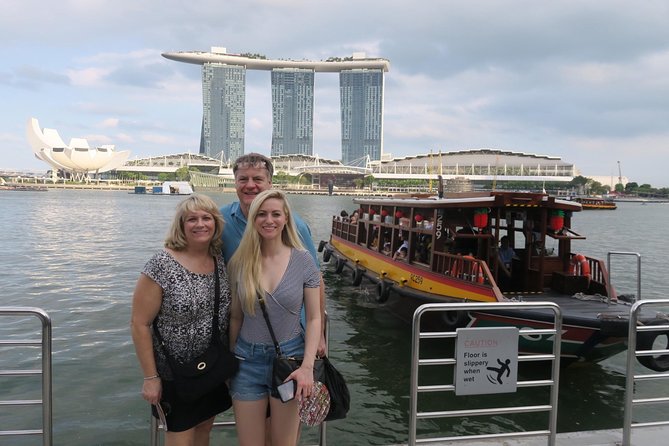
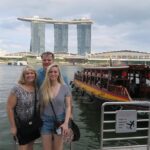
You’ll stop at Merlion Park to soak in sunset views of Marina Bay and learn about the mega construction project behind it. Merlion Park is famous, sure. But what makes it more useful on a tour like this is the “why” behind the skyline—how large-scale planning shaped what you see today.
For you, this stop is a payoff. By now you’ve moved through historic buildings and the river trade story. Standing at Marina Bay, it becomes obvious how Singapore re-built itself for a future that looks outward.
Esplanade Park and the memorial pieces that explain values
Next is Esplanade Park, described as one of Singapore’s oldest parks, with memorials reflecting the contributions made to Singapore by many great men. The visit is about 20 minutes, and it’s meant more as a thoughtful pause than a fast sightseeing sprint.
If you’ve been expecting only architecture and views, this stop is a reminder that Singapore also tells its story through public remembrance. It’s civic space with a purpose.
Marina Bay waterfront walk: icons on foot
You’ll then stroll along Marina Bay, spending about 20 minutes soaking in the bay and the distinctive architectural icons.
This is where you get the classic waterfront experience, with the advantage that you arrive with context. The buildings stop being random shapes. They read as choices—how Singapore shows modern ambition while keeping older layers close by.
The Fullerton Waterboat House: a 1940s reminder at the river mouth
A quick stop follows at The Fullerton Waterboat House, located at the mouth of the Singapore River, adjacent to Merlion Park. It’s part of Fullerton Bay Hotel and was built in the 1940s.
This is one of those “blink and you’ll miss it” stops. If you take a minute here, though, you’ll notice the contrast: the river’s industrial story still has physical anchors, even after the waterfront became a showpiece for skyline views.
The Pinnacle @ Duxton sky gardens: public housing with serious views
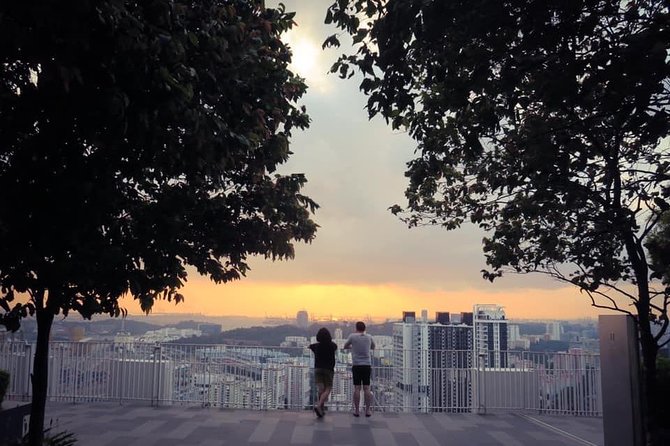
You’ll visit The Pinnacle @ Duxton, a 50-story residential development with the world’s two longest sky gardens at 500 meters each, on the 26th and 50th floors.
Two practical points for you:
- The rooftop experience is weather-dependent. If the rooftop is closed due to bad weather, the tour takes you to a different HDB building.
- This stop is especially good if you think of housing only as functional. Here, public housing is shown as something designed with community and shared outdoor space in mind.
It’s also a great photo moment, but the best part is how it reframes what “modern Singapore” looks like.
Maxwell Food Centre: chicken rice dinner the local way
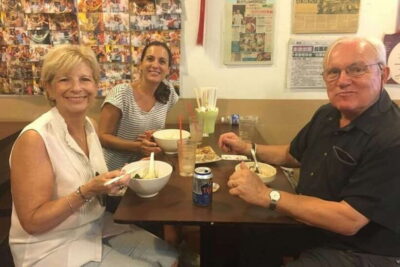
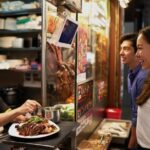
For dinner, you’ll head to Maxwell Food Centre and enjoy Singapore’s iconic chicken rice, typically paired with sugar cane juice. The tour allots about 30 minutes here, and the chicken rice dinner and sugar cane juice are included.
This is where the tour delivers value fast, because hawker food is a core part of what makes Singapore feel like a real place. Eating on this route also keeps you from doing guesswork on where to go on your own.
One caution: hawker centres can be busy, and service times vary. You’ll want to be patient and ready to follow the guide’s lead to keep the schedule moving.
Vegetarian note: the tour states they can provide something for vegetarians, but they can’t guarantee the exact options since availability depends on what’s available that day. If you have strong dietary needs, you’ll want to speak up early.
Tea Chapter: the traditional tasting finale (with imperial tea history)
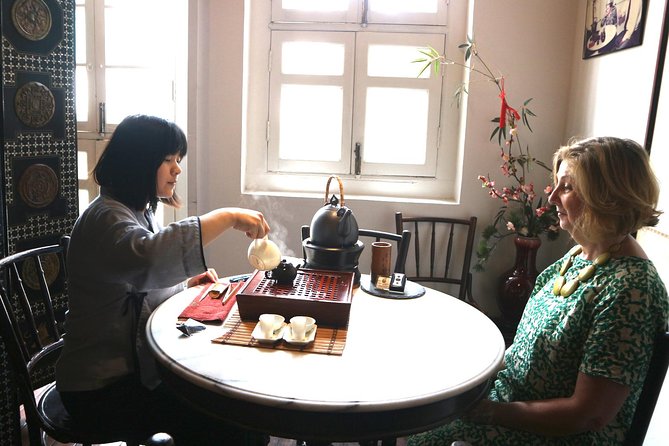
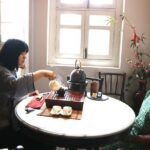
The evening ends at Tea Chapter, where you learn the art of tea ceremony and do a tea tasting for about 30 minutes. The tour also includes a take-home souvenir, and it highlights Imperial tea that Queen Elizabeth II was served in the same tea house.
This part matters because it changes your pace. After walking, river movement, and food, you get a calmer setting with time to ask questions. It’s also a good moment to slow down and reflect on everything you’ve seen—colonial buildings, independence-era civic spaces, and modern redevelopment—without feeling rushed.
If you like culture that’s practical, not just theatrical, tea ceremony is a smart closer. You leave with something you can remember and use later.
Price and value: what $126 buys you (and what to compare)
At $126.05 per person, this tour is priced like a full evening program rather than a simple walking route. The value comes from the mix of included items:
- Chicken rice dinner (included)
- Traditional tea tasting (included) plus a take-home souvenir
- Sugar cane juice (included)
- Bumboat cruise cost (included)
- A professional guide
- Taxes and fees included
- A mobile ticket
To judge value, think about what you’d pay if you did it yourself. In Singapore, hawker meals are often affordable, but once you add structured time, multiple guided stops, and the river cruise, the costs add up quickly. Also, the tour’s biggest benefit may be narrative. You’re not just moving through landmarks; you’re getting the reasoning behind them.
The price gets even more reasonable when you’re visiting for the first time and want a “first map” of downtown Singapore without spending half your trip figuring out routes.
How much you’ll walk, and how to not regret it
The biggest practical factor is distance. The tour says you must be fit and able to walk about 9 km, even though the pace is slow and casual.
My advice for you:
- Wear comfortable shoes you can walk in for hours. This isn’t a flip-flop night.
- Bring a light layer. Evening temperatures can shift, and you’ll be outside for extended periods.
- If you get tired fast, consider a private version where occasional taxi rides can reduce walking (at your own expense).
The tour is not suitable for children under 6 due to the walking requirement, and the guidance specifically suggests private tours for young kids. If you’re traveling with older teens or adults who can handle walking, it’s generally a good fit.
Group size and guide impact: why this tour feels personal
This is a small group tour with a maximum of 9 travelers. That matters more than people think. With more time spent listening, you’ll catch details you’d miss on your own, and you can ask questions without waiting.
The guide quality is repeatedly noted in feedback tied to specific names such as Kavin, Pam, Gee Soo, RK, and Daryl. In practice, what you should expect is friendly pacing, clear explanations, and help with things like where you are and what you’re seeing.
Also, the tour provides a kind of safety net: directions are given after the tour finishes in Chinatown, so you’re not left to decode the city at the end of a long day.
Weather and rooftop changes: be ready for Plan B
A small but important logistics detail: the Pinnacle rooftop can close in bad weather. If that happens, the tour swaps in a different HDB building.
This doesn’t ruin the tour, but it does mean you should pack for unpredictability:
- Have an umbrella or a packable rain layer.
- Keep your schedule flexible and don’t build a photo mission that depends on one exact rooftop view.
Who should book this tour?
I think this tour is a great match if you:
- Want a guided introduction to downtown Singapore in one evening
- Like history but also want real Singapore life through food and tea
- Are happy walking around 9 km at a casual pace
- Prefer a small group over crowded bus tours
You might want to skip or switch to something else if you:
- Have limited mobility or fatigue quickly with long walking distances
- Travel with very young children under 6
- Want a fully light, low-steps evening with minimal walking time
Should you book Singapore Group History & Culture Walking Tour?
Yes, if you want an evening that connects skyline photos to the actual story of Singapore’s development. The included bumboat cruise, hawker chicken rice dinner, and tea tasting make it feel like a complete program, not just a walk.
Book it if you’re a first-timer or you want a strong “downtown foundation” for the rest of your trip. Skip it if your body can’t handle 9 km walking, because even a slow pace is still a lot by the end of a 4.5-hour route.
If you do book, plan your evening like this: charge your phone, wear real shoes, and treat the tea and dinner as part of the experience, not an afterthought. That’s where the tour stops being educational and turns into a memory you’ll actually keep.
FAQ
How long is the Singapore Group History & Culture Walking Tour?
It runs for about 4 hours 30 minutes.
What time does the tour start?
Tours start at 3:30 pm.
Where do I meet the guide and where does the tour end?
You meet at City Hall, 150 N Bridge Rd, Singapore 179100. The tour finishes in Chinatown, near Tea Chapter Trading Pte Ltd at 9 Neil Rd, Singapore 088808, and your guide will provide directions back to your hotel.
What is included in the tour price?
Dinner (chicken rice), sugar cane juice, a traditional tea tasting experience with a take-home souvenir, and a professional guide. Taxes, fees, and handling charges are also included.
Is the bumboat cruise included?
Yes. The Boat Quay River Cruise cost is included in the tour.
How much walking is involved?
You should be able to walk about 9 km. The pace is slow and casual, but the distance is still significant.
Is this a small group tour?
Yes. It is limited to a maximum of 9 travelers.
Will I visit The Pinnacle @ Duxton rooftop?
The tour includes a visit, but if the rooftop is closed due to bad weather, the group visits a different HDB building instead.
Can vegetarians be accommodated?
Vegetarians can be accommodated at the hawker centre, but the tour cannot guarantee specific menu items since availability may be basic.
Is the tour suitable for young children?
No. It is not suitable for children under 6 because of the walking requirement. A private tour is recommended for young children.