REVIEW · HAWKER & STREET FOOD TOURS
Singapore Private Food, Culture and Heritage Tour with 9 tastings
Book on Viator →Operated by Woopa Travels Pte Ltd · Bookable on Viator
Nine tastings, three neighborhoods, one story.
This private walking tour strings together Singapore’s food, architecture, and immigrant history across Chinatown, Little India, and Kampong Glam, then finishes by the river and Marina Bay Sands. You’ll ride local MRT and bus for an efficient loop, with a Singapore River cruise ticket included in the experience.
I really like two things: the 9 to 10 tastings (with drinks) are spread through multiple communities, and the guide weaves the dishes into what the streets are saying about Singapore. I also like that the stops are timed to keep you moving while still letting you pause for landmarks and photos.
One drawback to weigh: the food plan is fixed and the tour isn’t suitable if you need special dietary accommodations or walking help. The walking is moderate, and you’ll be outdoors in rain or shine, so pack for heat and humidity.
In This Review
- Quick takeaways
- What You’re Really Buying: structure, stories, and local transit
- Route and vibe: from Kreta Ayer Square to Sago Street
- Chinatown’s landmarks: temples, heritage shophouses, and quick photo stops
- Little India: curries, traditions, and Tekka Centre’s food energy
- Kampong Glam and Bugis: Sultan Mosque, Arab Street, and hipster-era street life
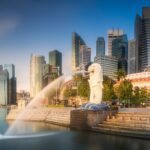
- Clarke Quay, Singapore River, and the Marina Bay Sands finish
- The 9 tastings: what you should expect (and what to watch for)
- Guide quality: the difference between a good walk and a great day
- Price and Logistics: is $185.75 worth it?
- Who this tour suits best (and who should skip it)
- Should you book? My practical call
- FAQ
- How long is the Singapore Private Food, Culture and Heritage Tour with 9 tastings?
- Where does the tour start and where does it end?
- Is hotel pickup included?
- What’s included in the 9 tastings?
- Can I customize the food for my preferences or dietary needs?
- Does the tour run in rain?
- How much walking is involved?
- Can I cancel for a full refund?
Quick takeaways
- Food + city history together: you’re not just eating, you’re learning why these places and dishes exist.
- Three ethnic quarters in one loop: Chinatown, Little India, and Kampong Glam each get a focused block of time.
- Guide-led ordering and timing: many guides in recent feedback waited in line and managed the pacing so bites keep flowing.
- River time and a big finish: Clarke Quay, Singapore River, then a final stop at Marina Bay Sands.
- Private group feel: it’s only your group, so the day usually runs smoother than crowded group tours.
What You’re Really Buying: structure, stories, and local transit
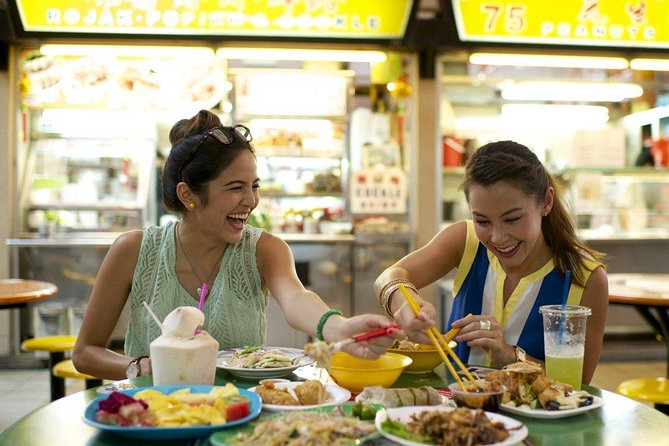
This tour is built for people who want to get oriented fast in Singapore without playing guesswork. The value isn’t only the tastings. It’s the mix of guided route planning, food context, and the practical help of public transport (MRT and bus) so you can spend less time figuring out where to go next.
In places like Singapore, you can absolutely DIY hawker food. The difference here is that you’re traveling with an English-speaking local guide who connects each stop to the people who shaped it, and who explains what you’re eating and why it matters.
Also, this is a private tour, so you’re not competing with a dozen strangers for attention or pace. That tends to make the food stops feel less rushed and the cultural talk easier to follow.
You can also read our reviews of more food & drink experiences in Singapore
Route and vibe: from Kreta Ayer Square to Sago Street
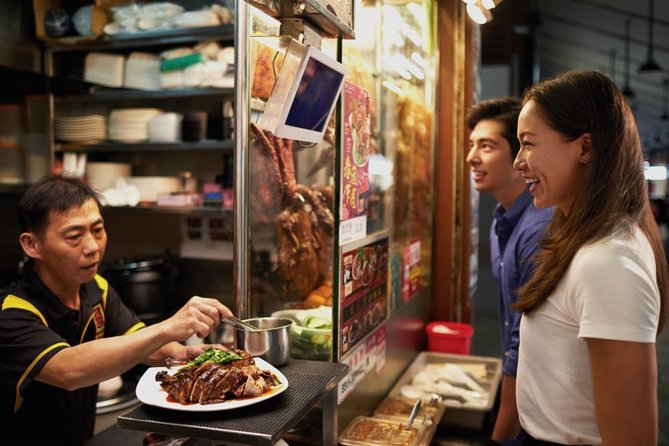
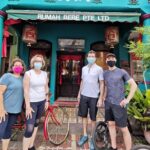
The day starts in Chinatown, right by Chinatown MRT (Exit A151 on New Bridge Road). From the start, the tour’s framing is clear: Singapore identity is tied to racial and cultural mix, and you’ll see it in streetscapes as much as in menus.
Stop 1: Kreta Ayer Square
This area sets the theme of Singapore’s diversity through architecture and heritage. Think of it as your “how this city got built” warm-up: the guide points out how mixed communities shaped daily life and what people did—and ate—nearby.
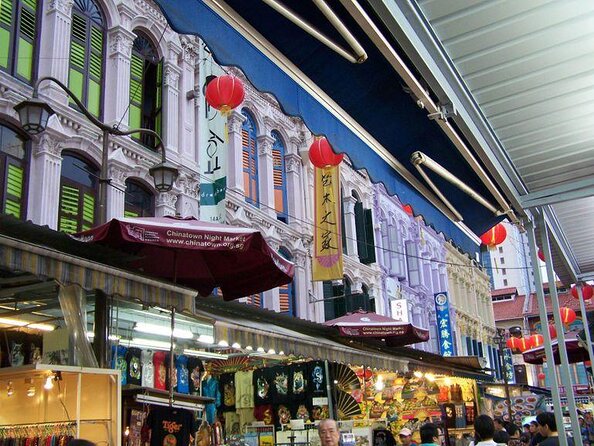
Stop 2: Chinatown
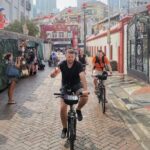
You’ll walk through the broader Chinatown context, including a visit that’s oriented toward what locals use: Chinatown Complex with a hawker center and a wet market nearby. This is a good place to understand that hawker culture is both eating and everyday commerce, not just a tourist activity.
Stop 3: Chinatown Street Market
This stop is shorter, but it helps you read the neighborhood. You’re seeing how markets plug into street life and why these older blocks still function.
Stop 4: Sago Street (Street of the Dead)
The name is startling for a reason. You’ll hear the story behind early immigrants and the street’s past—exactly the kind of background that makes food stops feel less random. It’s also a useful reminder: Singapore’s present is built on migration patterns, not just modern design.
Chinatown’s landmarks: temples, heritage shophouses, and quick photo stops
After setting up the immigrant-history backdrop, the tour moves into key cultural markers. These aren’t just postcard stops. They help explain how faith, community, and commerce overlap in real neighborhoods.
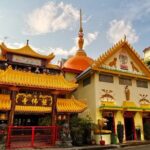
Stop 5: Buddha Tooth Relic Temple and Museum
You’ll get a photo moment here, plus a quick orientation. Even if you don’t spend much time inside, it’s a strong visual anchor for Chinatown’s religious and cultural presence.
Stop 6: Chinatown Heritage Centre
This is one of the more valuable “pause and look” moments. You’ll peek at insider 100-year-old shophouses, which is where you start to understand why these neighborhoods feel so layered. Shophouses are more than cute architecture—they’re a practical way to combine home, work, and street-facing business.
At this stage, the walking stays manageable, but you’re building up heat. Singapore days move fast, so I like that the tour keeps momentum without pretending you won’t get tired.
Little India: curries, traditions, and Tekka Centre’s food energy
Then comes Little India, and the sensory shift is the point. You’ll be introduced to the differences between North and South Indian traditions and cuisine—so even before you eat, you’re getting a mental map of what you’re about to taste.
Stop 7: Little India
This stop is about the neighborhood vibe: the scent of curries, garlands, and the cultural signals you’ll notice as you walk. The guide also breaks down cuisine traditions, which helps you taste with context instead of just “trying a dish.”
Stop 8: House of Tan Teng Niah
Short photo stop. It’s helpful because it marks how Singapore mixes heritage buildings with the living street scene around them.
Stop 9: Tekka Centre
This is one of the practical “food research” moments. You’ll learn where it sits in the neighborhood and what kinds of local food here are good to seek out. Even if you don’t memorize everything, it gives you a starting point for your own follow-up meal later.
Stop 10: Little India Arcade
Another quick stop, mostly photo-friendly. But it also gives you a sense of how shoppers move through covered walkways and how crowds flow around food.
Stop 11: Campbell Lane
A short orientation stop that rounds out the Little India block so you understand how the streets connect.
If you’re a first-timer, this section is where the tour starts feeling like a “Singapore crash course.” You’re seeing how culture isn’t isolated; it’s visible in shopping streets, temples, and daily food rhythms.
Kampong Glam and Bugis: Sultan Mosque, Arab Street, and hipster-era street life
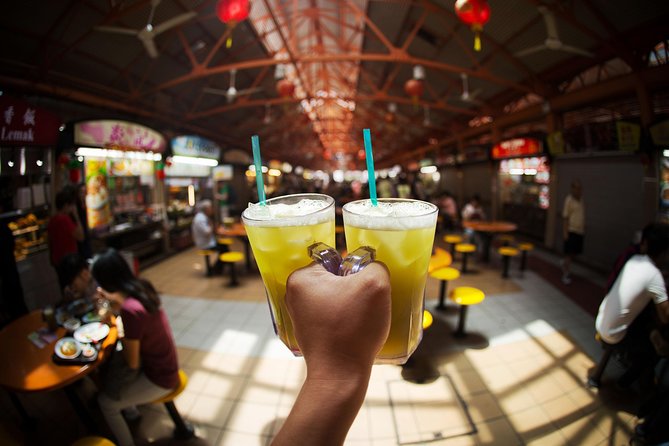
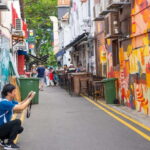
Kampong Glam is where the tour blends heritage with a modern creative edge. The description of the area mentions Malay culture plus today’s café and design-focused lanes, so you’ll be walking through a living neighborhood, not a frozen museum district.
Stop 12: Kampong Glam
This is the big cultural quarter introduction. You’ll learn how Malay culture shapes the area and how modern Singapore energy shows up in what people do now.
Stop 13: Malay Heritage Centre (pointed out after the tour)
This one matters because it’s not a full guided stop in the schedule. The tour notes it as a place to visit after, which is good if you like to wander. Just don’t assume you’ll get entry time here.
Stop 14: Sultan Mosque
Another photo and orientation stop. The mosque is a major visual landmark, and you’ll learn where it sits and how the neighborhood is arranged around it.
Stop 15: Arab Street
This is about location and neighborhood context. You’re learning how street identity shifts from one block to another and why that matters when you’re walking with a guide instead of guessing.
Stop 16: Bugis
Bugis is presented as a modern multi-purpose zone—shopping, food, and even the kind of quick services locals look for when they’re out. You get a fast intro, not a deep shopping tour, so it’s good if you want flavor without getting dragged into a mall marathon.
One thing I’d keep in mind: some experiences can turn into a sales-heavy walk in parts of the city. In the feedback I read, I saw at least one complaint about the guide spending too much time encouraging shop visits. If you’re sensitive to that, ask your guide early that you want the day to stay focused on food and heritage.
You can also read our reviews of more tours and experiences in Singapore

Clarke Quay, Singapore River, and the Marina Bay Sands finish
The last stretch leans toward the city’s waterfront side. This is where the day connects your earlier neighborhood stories to Singapore’s modern showpiece energy.
Stop 17: Clarke Quay
A short stop in a riverside dining and entertainment area. It’s a good transition: you move from temple and market visuals to water-facing city life.
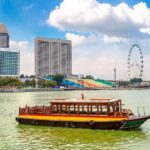
Stop 18: Singapore River (45 minutes)
This is the longer block. The tour also includes an admission ticket to a river cruise (noted as part of the 6-hour option). Even if you don’t ride for the entire block, expect the schedule to use this stretch for river views, narration, and a breather from nonstop sidewalk time.
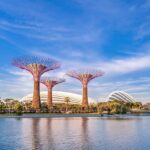
Stop 19: Marina Bay Sands (end of tour)
The finish at MBS gives you a clean endpoint near one of Singapore’s most recognizable landmarks. It’s not subtle, but it works. If you want a “capstone” moment after walking all day, this delivers.
Practical note: your feet will feel it by now. The good news is the day ends near a major area where it’s easy to continue on your own.
The 9 tastings: what you should expect (and what to watch for)
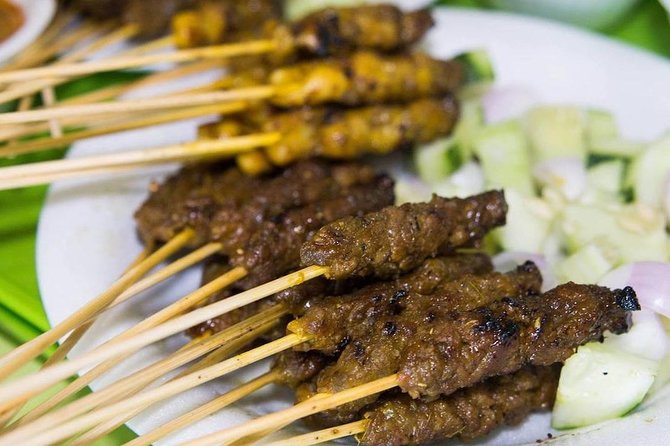
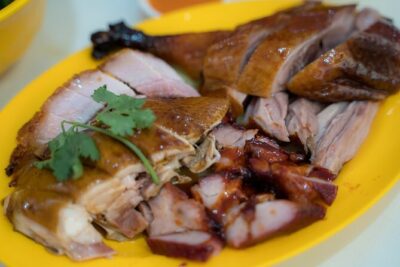
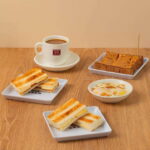
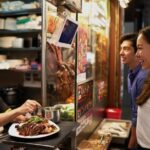
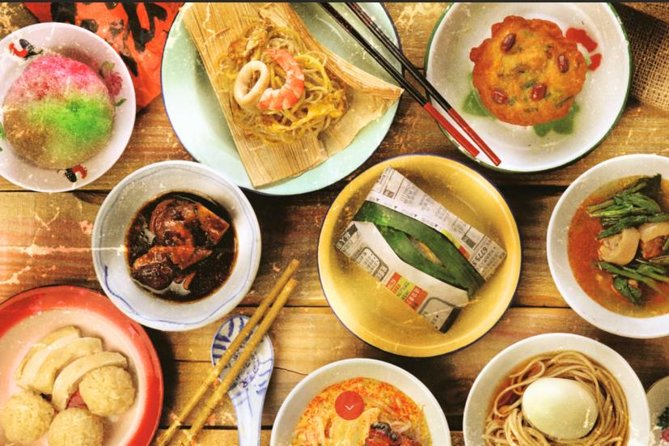
The core promise is 9 to 10 local ethnic food dishes and drinks. That’s enough to qualify as a proper eating plan, but not enough to replace a full dinner if you’re a big eater. The tour also explains each dish with stories behind the communities, which is where the experience separates from a simple snack run.
A pattern in the best guide accounts: efficient pacing. People praised guides for waiting in line for the next course so you weren’t stuck standing around. That matters in Singapore. Hawker lines can be quick—or they can drain your energy fast.
That said, one major consideration is mismatch between expectation and reality. The negative feedback I saw complained about only tasting a small number of items and having food or drinks shared, plus one person said it felt more like a history lesson than a food tour. I can’t tell you what your portions will be, but I can tell you how to reduce risk:
- Go hungry, since the goal is multiple small tastings.
- Ask the guide about how the tastings are portioned for your group size at the start of the tour.
- If you have a strong preference (like wanting more meat dishes), confirm what the fixed tasting plan tends to include.
Also, the tour description says food items are fixed and not customized for individual preferences, and the tour is not suitable for guests with dietary restrictions. So if you need customization, this might not be the right format.
Guide quality: the difference between a good walk and a great day
Private tours rise or fall on the guide. In the feedback I read, a lot of guides got praised for storytelling and for making the day feel personal.
Names that stood out in the guide feedback include Ping, Reyney, Leo, Andrew, Simon, Cecelia, Walter, Pamela, Marcus, Swee Lin, Raynee, Bryan, Notel, and Justin. Across those comments, a common thread was a strong connection between food and Singapore’s social history.
Some praised guides for taking time to explain how communities formed and why certain foods show up in specific neighborhoods. Others highlighted efficiency: fewer pauses, more steady progression.
At the same time, not every experience hit the “food-forward” target. One review described it as not worth the money and another said it was fabulous but not a food tour. That’s why it helps to know what you want most going in: if you’re hunting for a heavy meal of multiple hawker stalls, you may want to compare other options. If you want structured culture plus snacks, this fits that bill more often.
Price and Logistics: is $185.75 worth it?
At $185.75 per person, this is not a budget hawker crawl. You’re paying for a few things at once:
- a local guide who handles route flow and explanations
- transport support via MRT and bus
- included river cruise admission tied to the 6-hour option
- hotel pickup if you select it (there’s no hotel drop-off)
Here’s the reality check: Singapore food can be inexpensive when you choose your own stalls. So the price only feels like a win if you value the guidance and the story behind what you’re eating—plus the time savings of not figuring out the whole route.
In the higher-rated feedback, people specifically pointed to the guide quality, the amount of food, and the clean mix of culture and snacks as the reason it felt worth it. In the low-rated feedback, people felt the tastings were too small or too shared.
My advice: treat this as a guided cultural outing where you’re also eating, not as a guaranteed “eat until you’re stuffed” event. If you’re okay with that trade, it can be strong value.
Who this tour suits best (and who should skip it)
This is a great match if you:
- want a guided way to see three iconic cultural quarters in one day
- like food when it comes with context—immigration, neighborhoods, and community stories
- want help using Singapore’s MRT and bus system
- like the idea of ending at Marina Bay Sands after river time
It’s probably not the best match if you:
- have dietary restrictions that require customization
- need walking assistance
- expect a huge quantity of food or a purely hawker-stall marathon with lots of meat options
- hate any chance of shop promotions during cultural walks
One more practical thing: the tour operates rain or shine, and you’re outdoors for a good chunk of it. Bring a poncho or umbrella and water.
Should you book? My practical call
Book this tour if you want a tidy, guided way to understand Singapore through its neighborhoods and food, ending with a river cruise moment and a landmark finish. The best versions of this day are the ones where the guide keeps the pacing tight and connects dishes to the people behind them.
Skip or switch to another option if food customization is your top need, if mobility is an issue, or if you’re the type who would feel disappointed unless the day is mostly pure eating. With this format, you’re choosing culture plus tastings—not a standalone eating feast.
FAQ
How long is the Singapore Private Food, Culture and Heritage Tour with 9 tastings?
The tour runs for about 6 hours.
Where does the tour start and where does it end?
It starts at Chinatown MRT Exit A151 on New Bridge Rd in Singapore and ends in a different location at Marina Bay Sands.
Is hotel pickup included?
Hotel pickup is offered if you select the pickup option. Hotel drop-off is not included.
What’s included in the 9 tastings?
The tour includes 9 to 10 local ethnic food dishes and drinks, an English-speaking local guide, public transport (MRT and bus), and admission ticket to a river cruise.
Can I customize the food for my preferences or dietary needs?
Food items are fixed and the tour does not customize for individual preferences or needs, and it is not suitable for guests with dietary restrictions.
Does the tour run in rain?
Yes, the tour operates rain or shine. You’re advised to bring a poncho or umbrella and water.
How much walking is involved?
There is a moderate amount of walking, including outdoors.
Can I cancel for a full refund?
Yes. You can cancel up to 24 hours in advance for a full refund.
If you want, tell me what day of the week you’ll be in Singapore and what kind of food you’re most excited to try, and I’ll help you decide whether this tour’s balance fits your style.