REVIEW · HAWKER & STREET FOOD TOURS
Singapore: UNESCO Street Food & Cultural Experience
Book on Viator →Operated by Singapore Foodsters · Bookable on Viator
Your morning snack route hits three cultures. This half-day Singapore hawker center tour pairs UNESCO street food tasting with walks through Chinatown, Kampong Glam, and Little India, in a group capped at 8. I like that you sample Chinese, Malaysian, and Indonesian-inspired dishes instead of getting stuck in one flavor lane. I also like the guide storytelling and the chance to use MRT and buses so you learn how the city actually moves.
One consideration: this tour isn’t set up for strict dietary restrictions, and you’ll do steady walking with only a few breaks. It’s also not a great fit for vegetarians or anyone with food allergies, since the experience is built around tasting multiple stalls.
In This Review
- Key things to know before you go
- Why UNESCO hawker centers are the heart of this tour
- The 5½-hour route: Chinatown to Kampong Glam to Little India
- Chinatown stop: where you connect food to the streets
- Kampong Glam: a cultural walk with street-food context
- Little India: your second UNESCO hawker-center tasting
- Food tastings and drinks: you will eat (a lot)
- Drinks, beer, and coffee breaks: how it keeps the pace sane
- Getting around with MRT and bus guidance
- Hotel pickup and meeting point: convenience with limits
- Price and value: is $161.62 a fair deal?
- Who should book this hawker and cultural tour
- Quick tips to make the most of it
- Should you book this Singapore UNESCO street food tour?
- FAQ
- How long is the Singapore hawker center food and cultural experience?
- What time does the tour start?
- How many people are in each group?
- Is hotel pickup included?
- Is this tour good for vegetarians?
- Are there dietary restrictions accommodations?
- What food and drinks are included?
- Do I learn how to use public transit?
Key things to know before you go
- UNESCO hawker centers in Chinatown and Little India are the core food stops.
- Small group (max 8) keeps the pace friendly and questions easy.
- Half-day timing (~5.5 hours) works well if you only have a short stay.
- Drinks are included: coffee or tea, soda/pop, bottled water, and beer only.
- You’ll get help with MRT and buses, so you leave with real local know-how.
Why UNESCO hawker centers are the heart of this tour
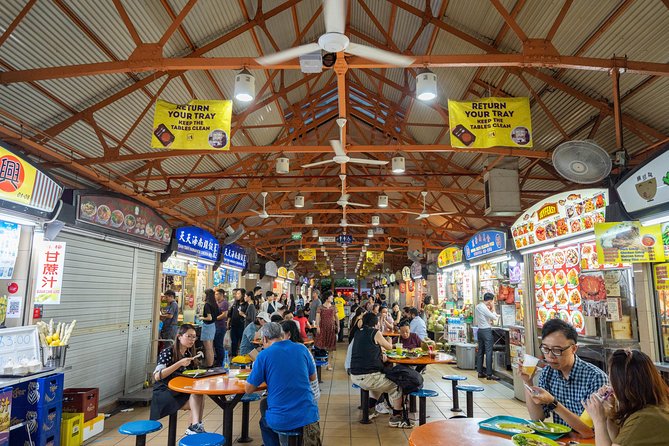
Singapore’s hawker culture is one of the best ways to understand everyday life here. This tour is built around that idea: you don’t just look at neighborhoods—you eat where locals eat, then connect the flavors to the cultures that shaped them.
The big draw is that two of the tastings happen at UNESCO-inscribed hawker centers—specifically in Chinatown and Little India. That matters because it keeps the experience focused. You’re not wandering into random food spots. You’re going to places that are part of Singapore’s public food heritage, where stall owners have built repeat customers over years.
Also, the food plan is designed to reflect Singapore’s mix of Chinese, Malay/Malaysian, and Indonesian influences. In practice, that means you’ll taste across different cooking styles and seasoning profiles, and you’ll start noticing how migration, trade, and local adaptation shaped what’s on the menu.
You can also read our reviews of more food & drink experiences in Singapore
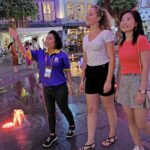

The 5½-hour route: Chinatown to Kampong Glam to Little India
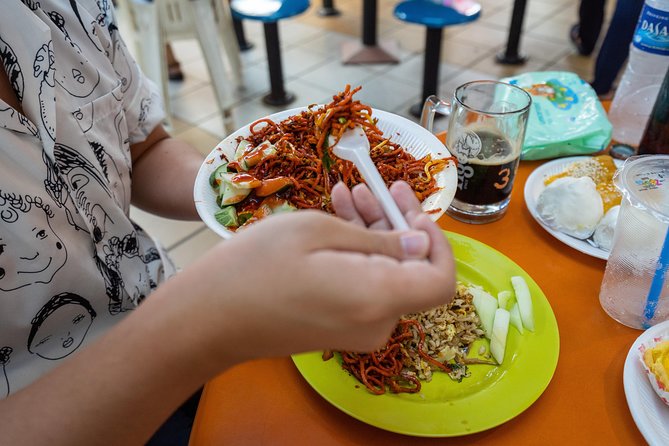
This is a half-day tour starting at 9:00 am and running about 5 hours 30 minutes. The itinerary is structured as three neighborhood walks, each around 1 hour 10 minutes, with tasting built into the hawker-center stops.
Here’s how that usually feels for you on the ground:
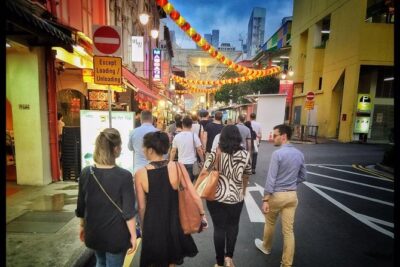
- You’ll start in Chinatown, where the sights and food lean more Chinese-influenced.
- You’ll move toward Kampong Glam, a different cultural mood—more street-level variety in one compact area.
- Then you’ll end up in Little India, where the hawker scene shifts again and the flavors tend to get louder and spicier.
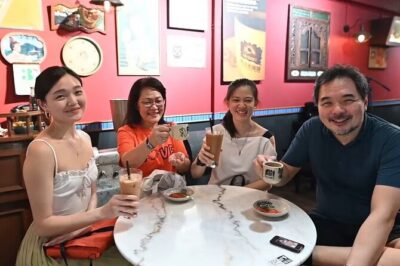
Because the group is kept small, you’re not stuck behind a crowd of strangers. You can ask questions, pause for photos, and actually hear the guide’s explanations without yelling over the noise all day.
Do note the pace: it’s “moderate fitness level” walking, not a sit-down museum tour. If you want a low-effort day, you might find this tiring.
Chinatown stop: where you connect food to the streets
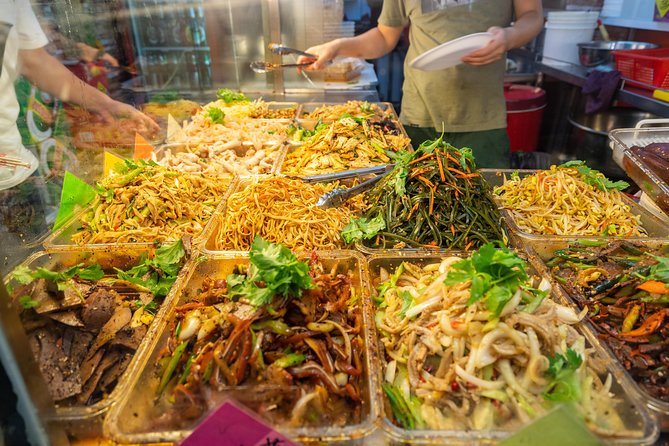
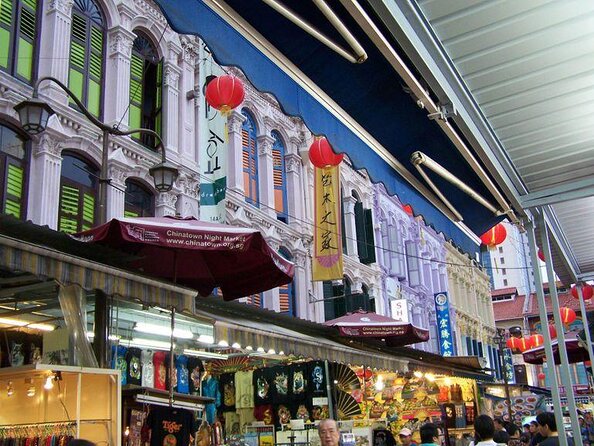
The Chinatown part of the tour is more than a snack stop. It’s a guided discovery of how Chinatown fits into Singapore’s broader ethnic story. You’ll walk the area and get the context that helps you understand what you’re eating and why it looks the way it does.
This stop is also where you’ll experience the first main hawker-center tasting at an area linked with UNESCO’s hawker story. The goal isn’t to “try everything”—it’s to sample enough to notice patterns. You’re tasting multiple dishes and drinks that connect to the broader Chinese-influenced food culture, while still staying within Singapore’s overall mix.
What I like about this approach: it prevents the common street-food trap where you only taste one style and leave thinking you’ve “done hawkers.” Here, Chinatown is a starting chapter, not the whole book.
Kampong Glam: a cultural walk with street-food context
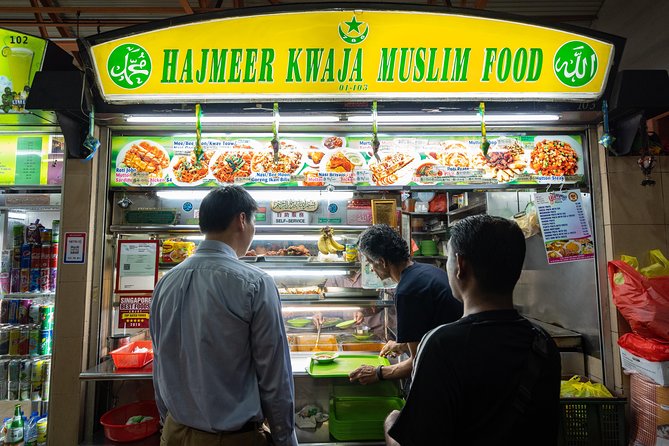
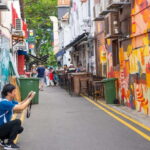
Kampong Glam (spelled Kampong Gelam on the schedule) is the middle leg. This is the part of the tour that feels like a change in rhythm. You’re still walking through the same general story—Singapore’s multi-ethnic identity—but the neighborhood shifts what you notice on the street.
The itinerary frames Kampong Glam as part of the three-neighborhood loop: Chinatown, Little India, and Kampong Glam together. That’s useful. You start seeing how Singapore doesn’t treat these communities as separate islands. They overlap in the city plan, and you can physically move from one vibe to another quickly.
One practical point: since the tour’s UNESCO hawker-center tastings are called out for Chinatown and Little India, Kampong Glam is more about the neighborhood walk and the cultural grounding. If you want the maximum food volume every single minute, this section might feel a little less “eating-heavy” than the hawker-center stops.
Little India: your second UNESCO hawker-center tasting
Little India is where you get the second key tasting at a UNESCO-inscribed hawker center. If Chinatown is the opener, Little India is the payoff.
This is the moment where the tour’s theme of Chinese, Malaysian, and Indonesian-inspired flavors becomes easy to feel. Singapore dishes often carry overlapping influences, and hawker stalls make that visible because you can compare items side-by-side. You’ll taste a range of dishes and drinks rather than repeating the same flavor profile.
I also like how this stop sets you up for the rest of your day after the tour. When you’ve tasted in a place like Little India, you get a better sense of what to look for if you return on your own. Even if you don’t remember every dish name, you’ll remember the style and spice direction.
You can also read our reviews of more tours and experiences in Singapore


Food tastings and drinks: you will eat (a lot)
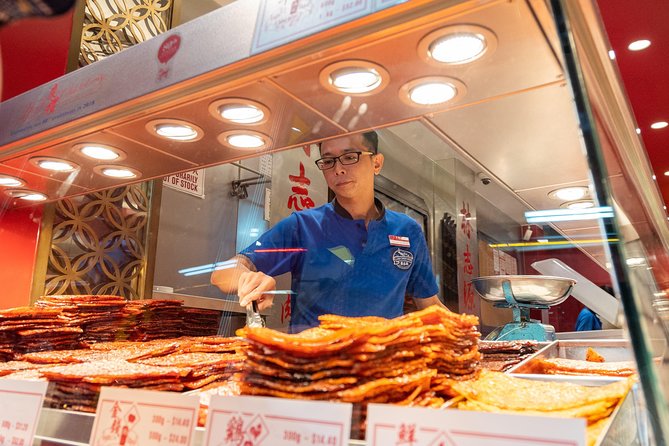
The included items are built around a tasting format:
- Food tasting
- Bottled water
- Coffee and/or tea
- Soda/pop
- Alcoholic beverages: beer only
That “beer only” detail is practical. It keeps the bar simple and avoids the chaos of a mixed bar menu. If you do drink, you’ll likely find the beer inclusion works with the walking pace, especially on a morning start that later becomes early afternoon.
How much food should you expect? Based on the common experience from groups who do well on this tour: you typically don’t just taste a bite and move on. The tastings are generous enough that you’ll feel like you ate a full meal, then some. One smart tip that comes up often is to plan your morning so you don’t have a big breakfast competing with your appetite later.
If you’re vegetarian: the tour description warns the experience will be compromised. That’s because it’s designed around tasting a broad range of stalls. If you have food allergies or strict dietary needs, the same warning applies—you should treat this as a “check first” situation rather than a safe default.
Drinks, beer, and coffee breaks: how it keeps the pace sane
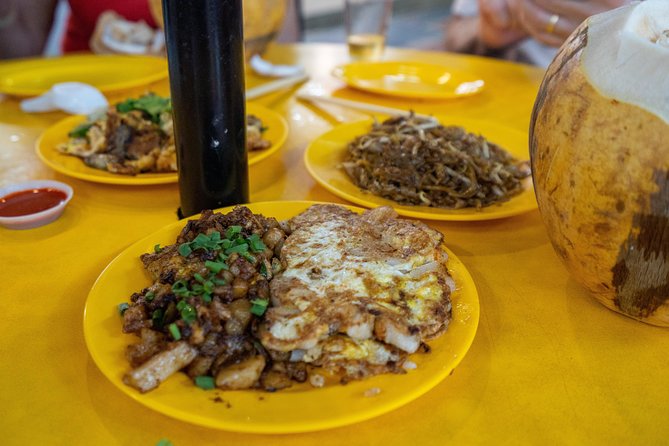
Street-food tours can go two ways: either you’re constantly in line, or you’re so full you stop enjoying things. This one tries to split the difference by including drinks like coffee/tea and soda/pop, plus bottled water.
That matters because hawker centers can be humid and busy, and you’ll be moving between areas. Having a drink plan built into the schedule is one less thing for you to worry about. It also helps you slow down long enough to actually taste, not just graze.
If you’re someone who doesn’t drink beer, you can still use the included non-alcohol options to keep yourself comfortable during the walking segments.
Getting around with MRT and bus guidance
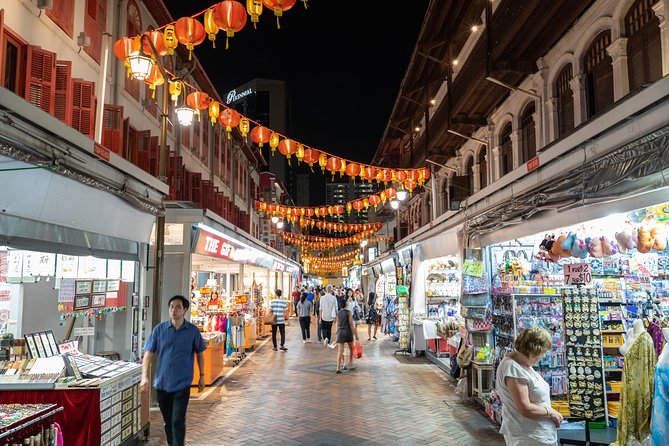
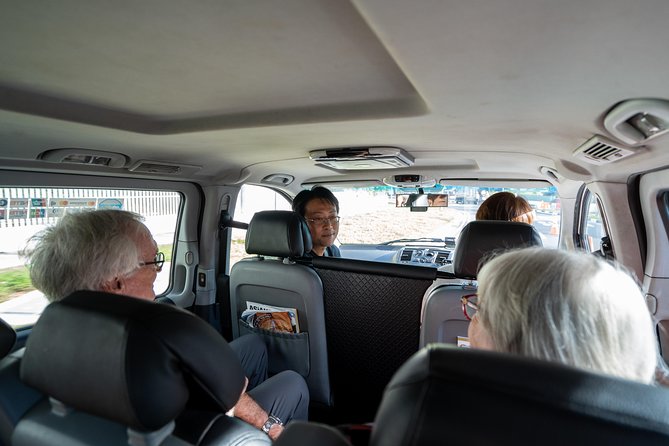
One of the most valuable parts of this tour is that you’re taught how to use MRT (subway) and/or public buses with guidance. This isn’t just “look at the city.” It’s functional. You’re learning the system while you’re already in motion.
Why this matters: Singapore’s transit is fast, clean, and easy once you understand the basics—but the first day can still feel like a puzzle. When a guide walks you through that, you’re more likely to feel confident navigating on your own the rest of your trip.
In real terms, this means you leave the tour with:
- A better sense of where the neighborhoods sit relative to each other
- A head start on figuring out routes
- Less time wasted on the first half-day of your visit
Hotel pickup and meeting point: convenience with limits
The tour includes hotel pickup and drop-off, but the pickup is described as optional and depends on your location. So if you’re staying far from the route, you should expect a different level of convenience.
You’ll meet at the start point in Singapore at 9:00 am, and the tour ends back at the meeting point. A mobile ticket is used, which usually helps reduce paper on your end.
For planning: if you’re choosing between an early-start hawker tour and a later one, this start time is a plus. You get the hawker experience before the day gets fully hot and hectic, and then you still have enough time for the rest of your itinerary.
Price and value: is $161.62 a fair deal?
At $161.62 per person, you’re paying for a guided, structured half-day that combines:
- Multiple neighborhood walks
- UNESCO hawker center tastings
- Food and drink inclusions
- A guide with local stories
- Transit guidance (MRT/bus)
- Hotel transfers when available (optional / location-dependent)
Is it a bargain? Not exactly. But it can be good value because hawker food alone is usually cheap, while what you’re buying here is organization plus context plus access. For many first-time visitors, the guide component is what makes the experience feel effortless. You don’t have to guess which hawker center to trust or how to move between areas efficiently.
In other words: you’re not paying for the literal food cost. You’re paying for the day being put together well—so you eat well and you understand what you ate.
Who should book this hawker and cultural tour
This tour fits best if:
- You want a first-time friendly introduction to Singapore food culture
- You like guided walking tours with stops for tasting
- You’re comfortable with moderate walking for a half-day
- You’re curious about how multiple cultures show up in everyday meals
It might not fit well if:
- You’re vegetarian or have food allergies (the experience may be compromised)
- You have strong dietary restrictions and need careful substitutions
- You need pram-friendly or mobility-aid-friendly routes (it’s not recommended for these)
One more “fit” detail: the maximum group size is 8, and you can feel that. You’ll get more personal attention than you would on larger bus-style tours.
Quick tips to make the most of it
- Come hungry. If you eat a big breakfast, you’ll feel it later when you’re trying to enjoy multiple tastings.
- Wear shoes you don’t mind for street walking.
- If you have any dietary limits, message ahead and be ready for the possibility that the tour isn’t designed for strict substitutions.
- Bring curiosity. The best payoff is when you let the guide connect what you’re tasting to the neighborhood you’re standing in.
Should you book this Singapore UNESCO street food tour?
I’d book it if you want a short, well-organized way to taste hawkers and learn the “why” behind the flavors—especially if Chinatown and Little India are on your list anyway. The UNESCO hawker-center tastings, the small-group format, and the MRT/bus guidance make it more than just a food sampler.
I would think twice if food allergies, strict vegetarian needs, or major dietary restrictions are in play. This tour is built around eating across stalls, so it’s not the safest bet if your menu has to be tightly controlled.
If you fit the “come hungry and walk a bit” profile, this is one of the most efficient ways to get your bearings fast and leave with a real sense of what makes Singapore food culture tick.
FAQ
How long is the Singapore hawker center food and cultural experience?
It lasts about 5 hours 30 minutes.
What time does the tour start?
The tour starts at 9:00 am.
How many people are in each group?
The maximum group size is 8 people.
Is hotel pickup included?
Hotel pickup and drop-off are included when available, and pickup depends on your location.
Is this tour good for vegetarians?
No. The tour is not recommended for vegetarians because the experience will be compromised.
Are there dietary restrictions accommodations?
The tour is not recommended for travelers with dietary restrictions or food allergies. In some cases, the guide may adjust items, but you should confirm what’s possible for your specific needs.
What food and drinks are included?
Food tasting is included, along with bottled water, coffee and/or tea, and soda/pop. Beer is included as the only alcoholic option.
Do I learn how to use public transit?
Yes. The tour includes MRT/subway and/or public bus use with guidance on how to use it.