Kaya toast and temple sights in one walk. This 3-hour Chinatown experience is interesting because you get kaya toast + coffee right up front at Nanyang Old Coffee, and you also get clear stop-by-stop stories from guides like Ronnie Tan and Jeanette. One possible drawback: the route is not wheelchair or stroller friendly, so plan on normal walking and steady pavement.
I like that the tour mixes food culture with major religious sites: you’ll see the Sri Mariamman Temple and the Buddha Tooth Relic Temple, then cap it off at Chinatown’s biggest food and shopping hub. If you hate walking when it rains, bring a light umbrella and comfy shoes—parts of Chinatown are uncovered and you’ll be moving most of the time.
In This Review
- Key highlights worth planning for
- Kaya toast first: the smartest start for Chinatown
- Chinatown Heritage Centre: where the alley stories begin
- The alley maze and Yip Yew Chong murals: looking up changes everything
- Nanyang Old Coffee: a short lesson that makes the drink stick
- Ann Siang Hill and Club Street: shophouses, stories, and a photo you’ve seen before
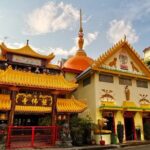
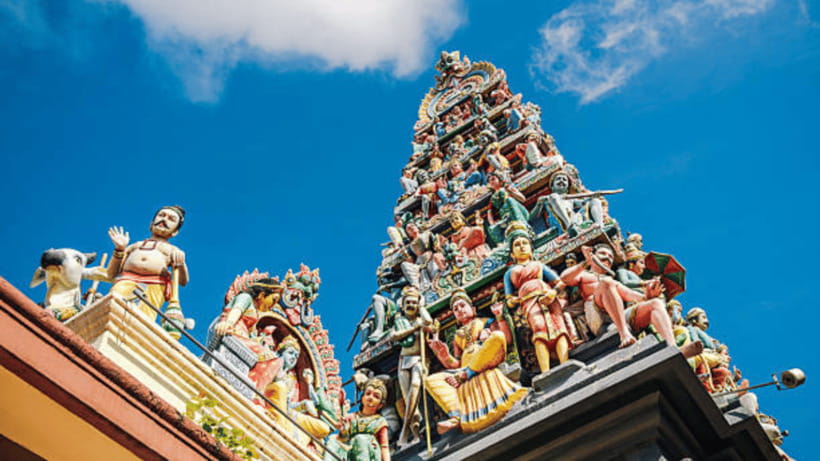
- Sri Mariamman Temple: gopuram detail and old faith in motion
- Buddha Tooth Relic Temple: tang-style architecture with a strong inner focus
- Chinatown Complex: where food culture and architecture meet
- Price and value: what $63 buys you in 3 hours
- Guides: the real difference between a stroll and a story
- Who should book this Chinatown snack tour
- Should you book this Chinatown Hidden Treasure Walking Tour with Snack?
- FAQ
- How long is the Chinatown hidden treasure walking tour?
- What does the tour cost?
- What food and drinks are included?
- Where do I meet the guide, and where does the tour end?
- What languages are available?
- Is it wheelchair or stroller accessible?
Key highlights worth planning for
- Kaya toast set + coffee tasting at Nanyang Old Coffee to set the tone fast
- Hong Tou Jin sculpture at Chinatown Heritage Centre, a strong visual anchor
- Photo stops around Ann Siang Hill and Club Street, including the Crazy Rich Asians spot
- Sri Mariamman Temple gopuram photos at Singapore’s oldest Hindu temple
- Buddha Tooth Relic Temple visit with Tang-style architecture and Buddhist exhibits
- Chinatown Complex food-and-architecture stop to connect eating with the neighborhood’s shape
Kaya toast first: the smartest start for Chinatown
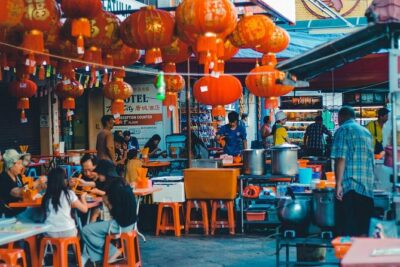
The tour’s opening move is pure Singapore logic: you don’t start with a lecture. You start with food. After meeting at Chinatown MRT Exit A (street level) in front of Bee Chiang Heng, you head into the heart of the area with a snack rhythm that keeps the whole walk from turning into one long museum shuffle.
I especially like that the coffee stop is tied to how the drink is made. At Nanyang Old Coffee, you get a coffee tasting plus a short lesson on the traditional roasting process. It’s only about 15 minutes, but it gives you a mental picture for what you’re drinking—so your second cup later tastes different because you’re paying attention to the roast, not just the sweetness.
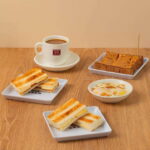
The tour also includes a milk tea or coffee with a kaya toast sharing set, plus one bottle of mineral water. At $63 for 3 hours, that inclusion matters. You’re not just paying for a walk; you’re paying for a licensed guide, time with multiple major landmarks, and a snack that’s part of the local routine.
You can also read our reviews of more walking tours in Singapore
Chinatown Heritage Centre: where the alley stories begin
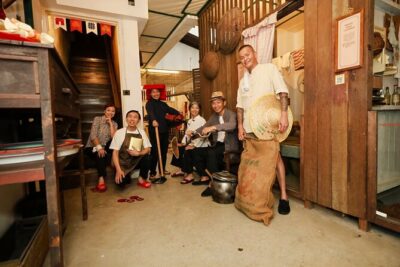
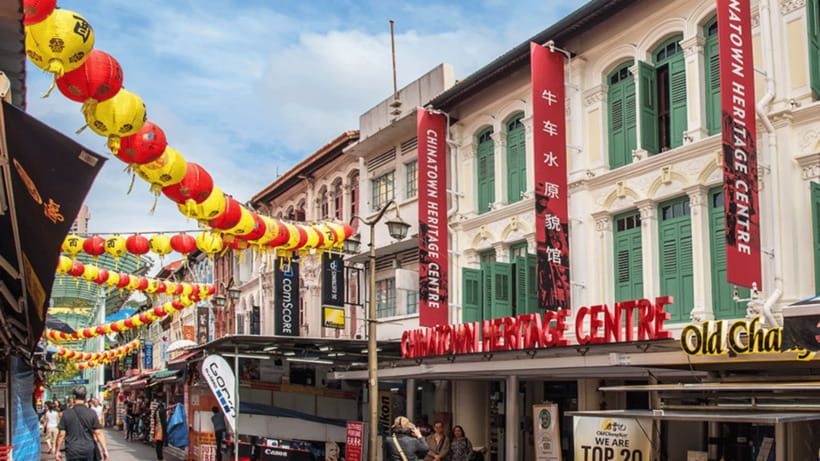
Your first big stop is Chinatown Heritage Centre. This is where the neighborhood stops being generic “old streets” and turns into a place with human stakes. You’ll learn about Chinese immigrants who settled in Singapore and endured harsh living conditions—information that makes later scenes in the alleys feel more grounded.
Don’t rush past the sculpture of the Hong Tou Jin woman. It’s the kind of detail you’ll remember, because it turns history into something you can actually point at in photos. I like having that early visual anchor: it gives your brain a reference point before you start hopping between temples, murals, and food streets.
You’ll spend about 35 minutes here with guided sightseeing and walking time, so it’s not a quick glance. Still, it’s short enough that you won’t feel trapped reading plaques for the whole session.
The alley maze and Yip Yew Chong murals: looking up changes everything
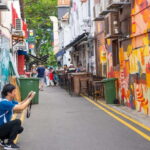
After the heritage center, you move through Chinatown’s side lanes for photo stops and guided wandering. This is where the tour becomes more than “landmark bingo.” You’ll notice colorful murals by local artist Yip Yew Chong, each one telling a different story.
If you’ve only ever passed Chinatown quickly, these alleys are the part that can surprise you. The murals encourage you to look at walls the way you’d look at storefronts—like the neighborhood is speaking in layers. Since you’ll have a guide pointing out what to notice, you’ll avoid the common mistake of photographing everything without understanding why any of it matters.
This section runs about 35 minutes, and it includes both walking and guided time. The pacing works well because it keeps you moving, but it still gives you a chance to slow down for pictures and ask questions.
Nanyang Old Coffee: a short lesson that makes the drink stick
The coffee break is one of the most practical parts of this tour. You get tasting time plus an explanation of the traditional roasting process. That combo is what makes it useful even after you leave—because you’ll know what you’re tasting and why the flavor profile exists.
Coffee in Singapore isn’t just caffeine. It’s habit, schedule, and social life. Even without heavy jargon, you’ll come away with a better sense of why old-school coffee shops remain central in Chinatown.
You’ll also get the kaya toast sharing set alongside your milk tea or coffee. Kaya toast is simple, but it’s also a centerpiece food. I like that the tour frames it as something locals actually eat, not just a tourist snack.
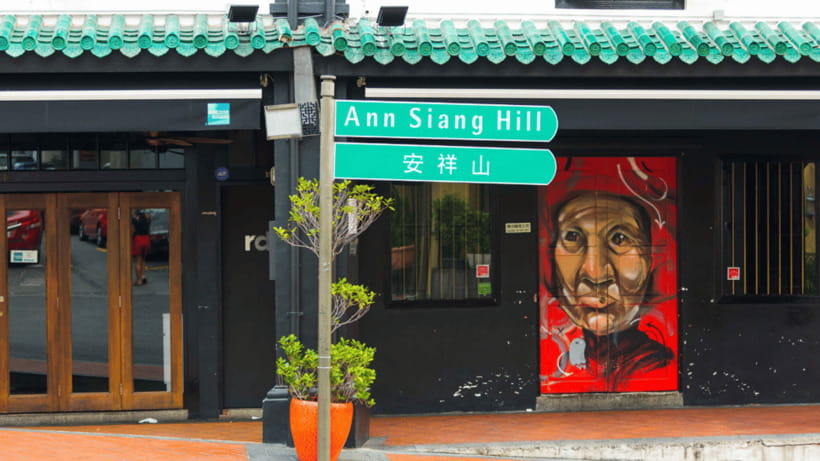
Ann Siang Hill and Club Street: shophouses, stories, and a photo you’ve seen before
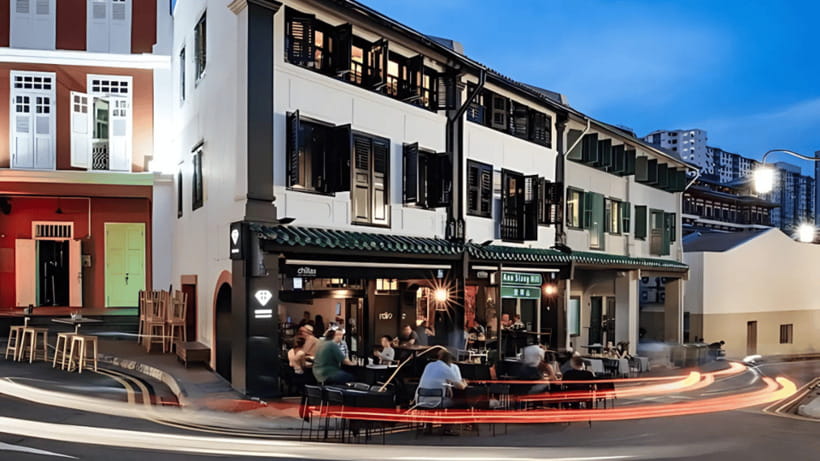
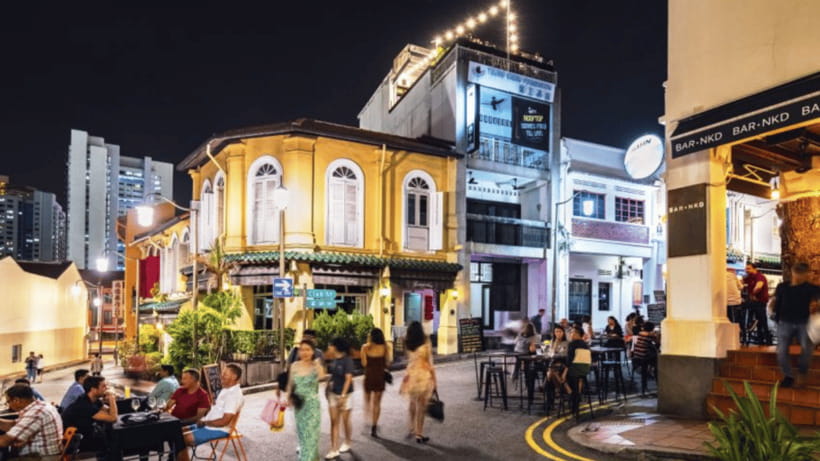
Next comes Ann Siang Hill and Club Street. This is where the tour leans into Singapore’s “vertical street life.” You’ll see beautifully restored shophouses and learn how the area shaped everyday living.
There’s also a photogenic spot made famous in Crazy Rich Asians. If you’re into movie-location moments, this is your chance to stand where the publicity basically came from. If you’re not into it, no stress—the restored facades and the street angles still do something special for photos.
You’ll spend about 35 minutes around this area with photo stops and guided sightseeing. Wear shoes you trust here. Chinatown streets can be uneven, and you’ll want stable footing for both walking and taking pictures.
Sri Mariamman Temple: gopuram detail and old faith in motion
Then you reach Sri Mariamman Temple, Singapore’s oldest Hindu temple. You’ll admire the architecture, with special attention to the intricately designed gopuram (tower). This is the kind of place where you’ll want to look longer than you planned because the carvings pull your eye in different directions.
The payoff here is context. The guide helps you connect the temple’s look to what it represents, so the building doesn’t feel like scenery. Instead, it becomes a living part of the neighborhood’s identity.
Photo stops are included here, along with guided tour time and sightseeing, for about 35 minutes total. The time box is helpful: you’ll get a real look without turning the visit into a half-day detour.
Buddha Tooth Relic Temple: tang-style architecture with a strong inner focus
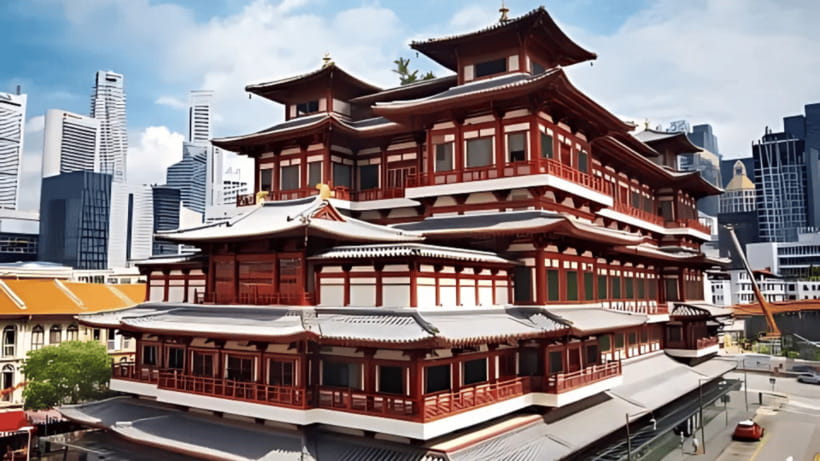
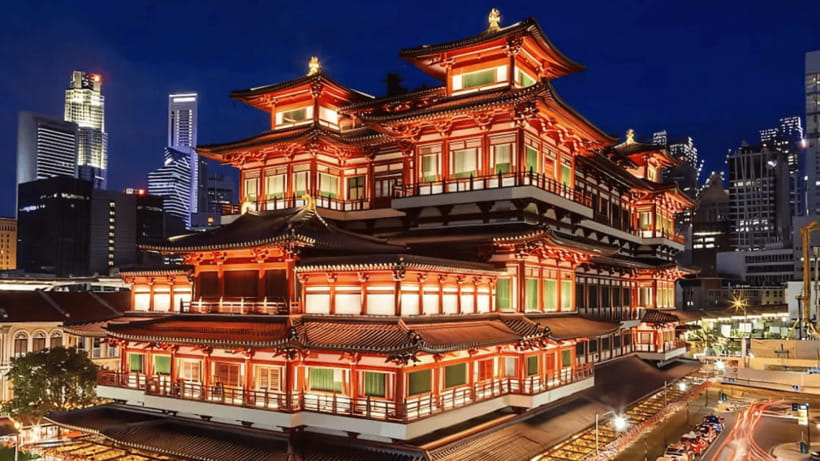
After Sri Mariamman, the tour takes you to the Buddha Tooth Relic Temple. This is a Tang-style temple, and it’s known for housing a revered Buddha tooth relic as well as Buddhist exhibits.
What I like about this stop is that it shifts the mood. Sri Mariamman gives you one strong religious style and exterior drama; Buddha Tooth Relic Temple gives you another style plus an interior “look closer” feel. Even if you’re not a temple expert, you’ll leave with a clearer sense of why this place is a draw.
You’ll have photo stops plus time for a visit and guided tour, again about 35 minutes. That balance matters. It’s not just standing outside and snapping. You’ll actually experience the temple space as part of the tour, not just as a landmark to tick off.
Chinatown Complex: where food culture and architecture meet
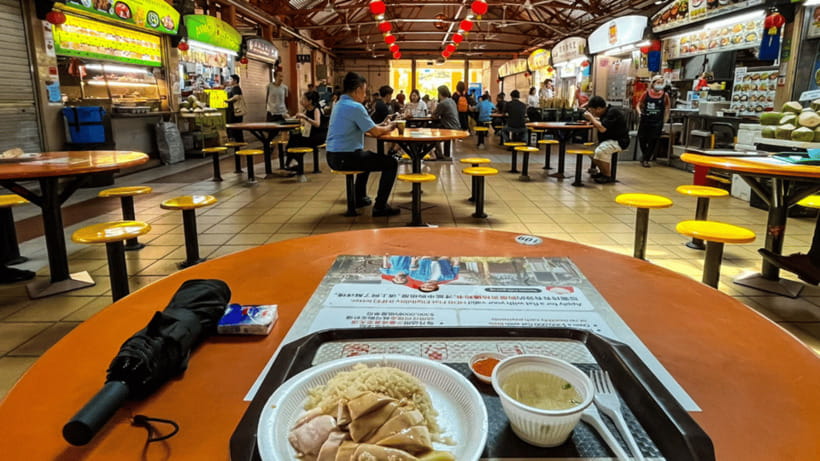
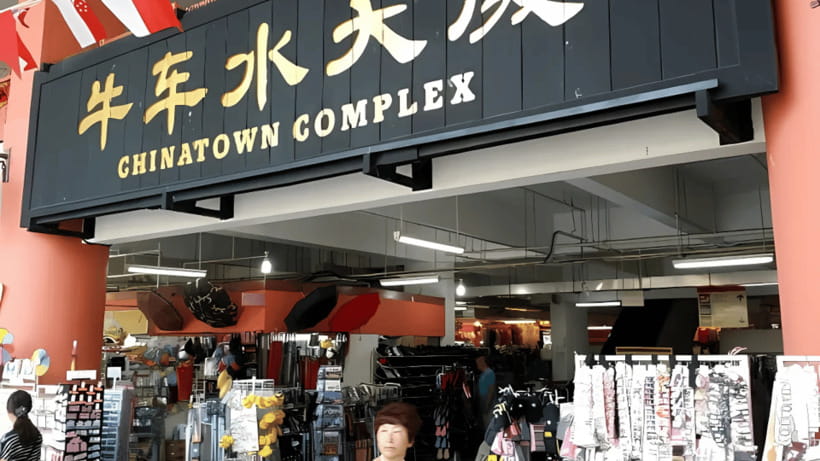
You finish at Chinatown Complex, near Maxwell MRT Exit 1. This is the practical ending point because it’s built for eating, browsing, and getting your next snack without thinking too hard.
The tour includes about 20 minutes here for visiting, guided sightseeing, and getting a sense of the area’s culinary and architectural history. I like this kind of capstone stop because it connects the earlier stories to what you can do immediately after the tour: explore food halls, window-shop, and keep tasting your way through Chinatown.
If you’re the type who plans to eat after tours, this ending is convenient. You won’t feel like you’re walking away from the action with only memories and one half-finished bottle of water.
Price and value: what $63 buys you in 3 hours
At $63 per person for a 3-hour guided walk, the value comes from the combination. You get:
- a licensed expert guide,
- multiple landmark stops (not just one area),
- one milk tea or coffee plus a kaya toast sharing set,
- and one bottle of mineral water.
If you compare it to paying for a coffee shop snack plus paying for a separate guided attraction, this package-style setup is the advantage. You’re paying for guidance through places that are easier to appreciate when you understand what you’re looking at—especially at the heritage center, the temples, and the alley murals.
Also, the tour’s format helps you stay on track. You’re moving with a plan, so you don’t spend half the time deciding where to go next.
Guides: the real difference between a stroll and a story
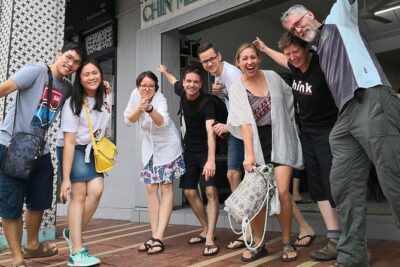
This tour is also about people. The guides named in the feedback stand out for taking time to explain clearly and for being polite and patient. Ronnie Tan is praised for clear, precise explanations, while Jeanette is noted for friendly, helpful teaching plus extra Singapore details beyond the main stops.
Kelvin and Edwin are also highlighted for connecting Chinatown to Singapore’s broader story and everyday life. That matters because Chinatown can look like one long set of streets until someone helps you see the patterns.
A good guide also makes Q and A feel natural. You’ll likely get answers that help you interpret what you see—like why specific features matter at the temples or what to pay attention to in the heritage center.
Who should book this Chinatown snack tour
You’ll love it if you want:
- a mix of food and major landmarks in one evening-friendly length,
- guided explanations that help you understand Chinatown fast,
- and photo stops that are actually worth your time.
You might reconsider if:
- you need wheelchair or stroller access (the tour is not set up for that),
- or you’re the kind of traveler who dislikes walking for long stretches.
The tour expects comfortable footwear and rain readiness, so bring the basics and you’ll be in good shape.
Should you book this Chinatown Hidden Treasure Walking Tour with Snack?
Book it if you want a structured Chinatown experience that still feels local—snack first, then culture, then temples, then a food-and-shopping finish. The coffee tasting at Nanyang Old Coffee and the kaya toast set are the right kind of “taste-and-then-learn” starter, and the route covers enough iconic spots that you won’t feel like you paid for just one neighborhood corner.
Skip it only if mobility is a hard constraint for you, or if you prefer unstructured self-guided wandering with no scheduled stops. Otherwise, this is a very practical way to get your bearings in Chinatown while eating your way through the best kind of detour.
FAQ
How long is the Chinatown hidden treasure walking tour?
It lasts 3 hours.
What does the tour cost?
The price is $63 per person.
What food and drinks are included?
You get 1 milk tea or coffee with a kaya toast sharing set, plus 1 bottle of mineral water. There’s also a coffee tasting break at Nanyang Old Coffee.
Where do I meet the guide, and where does the tour end?
Meet at Chinatown MRT Exit A (street level) in front of Bee Chiang Heng Bak Kwa Store. The tour finishes at Chinatown Complex near Maxwell MRT Exit 1.
What languages are available?
The live guide is offered in English, Chinese, and Japanese.
Is it wheelchair or stroller accessible?
No. It is not wheelchair or stroller accessible.