REVIEW · CHINATOWN, LITTLE INDIA & KAMPONG GLAM WALKING TOURS
Tasting Trails: Chinatown OR with Kampong Glam, Little India
Book on GetYourGuide →Operated by OMNICITY TOURS PTE. LTD. · Bookable on GetYourGuide
Singapore’s best stories come with food. In a few hours, this small-group route links Chinatown, Kampong Glam, and Little India with 8–10 tastings at hawker stalls and heritage eateries, then adds guided walking so you understand what you’re eating and why it matters.
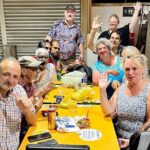
I love two things most. First, the 8–10 tastings feel like actual Singapore, not a theme-park menu. Second, guides such as Dawn, Kelvin, Jeanette, and Leo focus on the meaning behind each stop, so the history comes in bite-sized pieces that you can remember while you’re still chewing.
One consideration: the food mix leans meat-forward, so vegetarian options are limited, and since most items come from outside vendors, you can’t count on allergen-free meals.
In This Review
- Key highlights I’d plan my day around
- Two route lengths: 3 hours in Chinatown or the full 3-district loop
- Starting on Pagoda Street: why the tour begins with a real local brand
- Chinatown Heritage Centre and the street-level context you’ll miss on your own
- Roasted meats, dim sum, and Nanyang-style coffee breaks
- Maxwell Food Centre and Chinatown Complex: where your stomach learns Singapore’s rules
- Buddha Tooth Relic Temple to Kampong Glam: switching from Chinese heritage to Malay-Arab streets
- Little India’s spices and dosai finishes with your senses turned on
- What the guide adds: pacing, ordering help, and named storytelling strengths
- Price and value: what $67 buys you in Singapore terms
- Practical tips so the tour feels easy, not exhausting
- Who should book, and who might prefer a different plan
- Should you book Tasting Trails: Chinatown OR with Kampong Glam, Little India?
- FAQ
- How long is the tour?
- What’s included in the price?
- Do I get reserved seating at hawker centres?
- Can vegetarians join?
- What if I have food allergies?
- Is the tour suitable for children?
- What should I bring?
- Does the tour run in bad weather?
Key highlights I’d plan my day around
- 8–10 tastings across hawker centres, coffee shops, and heritage spots
- Licensed local guide storytelling tied to each neighborhood’s role in Singapore
- Two time options: 3 hours in Chinatown, or a longer route mixing 3 districts
- Food-first walking route that keeps you moving without feeling rushed
- First-come hawker seating (sharing tables is part of the fun)
- Kid-friendly pacing with kids as young as 3 able to join
Two route lengths: 3 hours in Chinatown or the full 3-district loop
This experience comes in two main lengths, and that matters because Singapore days can be packed.
If you pick the 3-hour Chinatown option, you spend most of your time in the heritage lanes and focus on the flavors tied to this area: roasted meats, old-school kopi, and classic stall dishes. Think more “deep neighborhood flavor” than “checklist sightseeing.”
If you choose the longer trio route, you add Kampong Glam and Little India, which means more walking and more variety in what you eat and see. You’ll switch between distinct cultural streets, including the Sultan Mosque area and the spice-market lanes of Little India. The result is a bigger taste map of Singapore’s “melting pot” feeling, without turning it into a full-day marathon.
For most people, I think the decision is simple: go 3 hours if Chinatown is your priority, go longer if you want one day to cover multiple food-and-culture worlds.
You can also read our reviews of more food & drink experiences in Singapore
Starting on Pagoda Street: why the tour begins with a real local brand
The longer route can start near Bee Cheng Hiang on Pagoda Street (69 Pagoda Street). You’ll get an early taste right away, before the walking and the deeper neighborhood storytelling begins.
That opening choice is smart. You’re not “warming up” with a generic snack. You’re starting with something Singapore locals actually reach for, then you build from there into Chinatown’s lanes and later into Kampong Glam and Little India. It helps you orient fast: you taste, then you learn the cultural connections while your appetite is already switched on.
You’ll also move by metro/subway between districts. That’s a practical win in Singapore, where weather can swing from sunny to sweaty quickly. You get the best of foot-walking while still using transit to keep the schedule realistic.
Chinatown Heritage Centre and the street-level context you’ll miss on your own
After the opening taste, the tour’s Chinatown part leans into context. You’ll visit Chinatown Heritage Centre, then walk through streets like Smith Street and Pagoda Street, with photo stops and guide-led explanations along the way.
What I like about this approach is that it makes the neighborhood feel less like a postcard. You’re given the background for why certain foods and communities show up where they do. You also get language for what you’re seeing—temples, heritage lanes, and shopfront details—so your brain can file the area correctly instead of just saying, “it’s old and busy.”
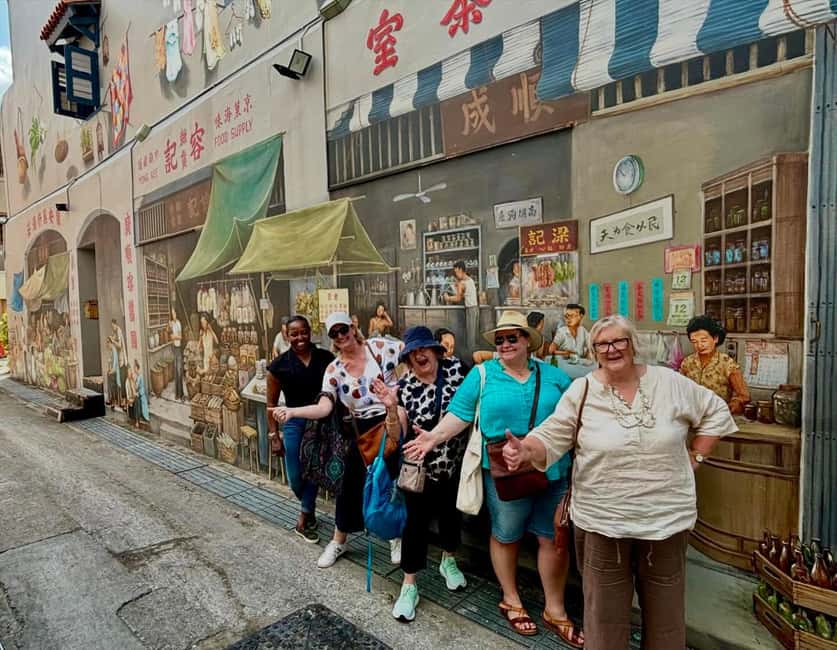
There’s also a specific art touch mentioned in the Chinatown route highlights: murals by artist Yip Yew Chong. That kind of detail is exactly what a good guide catches, because you’d likely walk past it without realizing it’s part of the neighborhood’s visual story.
Roasted meats, dim sum, and Nanyang-style coffee breaks
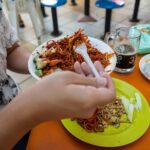
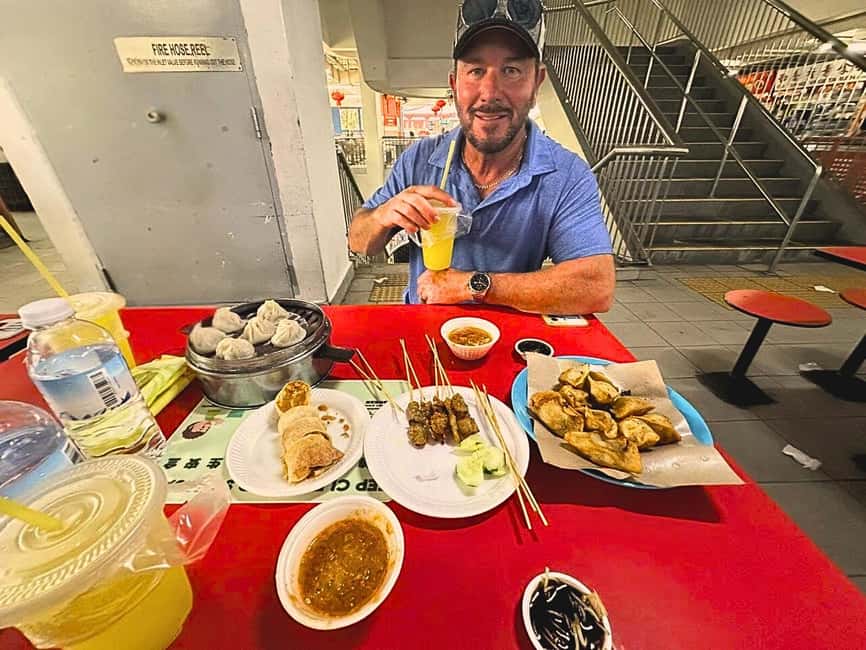
Food in this tour is built around classic hawker patterns: one bite here, another bite there, then a drink or snack to reset your palate.
In Chinatown, you’re looking at the “signature” items people associate with the area: charcoal-roasted meats, dim sum, and kopi in older-style teahouses. The guide doesn’t just point at food. You’ll learn what you’re ordering and what makes each item typical for the neighborhood.
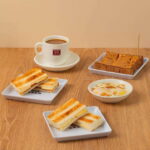
At Nanyang Old Coffee, you’ll get a coffee break plus a short tasting. This part is more than caffeine. It’s your chance to understand how kopi and local snack pairings fit into everyday life here, not just as a tourist stop.
One small but memorable kind of detail that comes up with guides: they may explain special Singapore soup ingredients, such as bird’s nest used in a well-known dish. That kind of tidbit helps you understand why some menu items sound unusual and how Singapore treats “everyday” food as something with deep traditions.
Pro tip from the pacing: don’t plan a big meal before you start. This is one of those tours where you can easily end the first third of it thinking you’ll be fine, then realize you’re still building toward more tastings later.
Maxwell Food Centre and Chinatown Complex: where your stomach learns Singapore’s rules
Two of the biggest “taste anchors” on the route are Maxwell Food Centre and Chinatown Complex, each with guided time and tastings.
These stops matter because hawker centres are the heart of local eating. They’re not one special restaurant. They’re a food system: lots of vendors, lots of locals, first-come seating, and the steady rhythm of ordering and sharing space. The tour helps you navigate that without feeling like you’re guessing.
Maxwell is also where the experience tends to finish back toward transit convenience, with the tour ending at Maxwell MRT Station (TE18). That’s practical if you’re heading onward after your food time.
Chinatown Complex adds variety and keeps things from becoming repetitive. You’re not just tasting one style of dish. You’re sampling across the kinds of foods hawker centres serve day after day.
One real-life logistics consideration: hawker seating is first-come, first-served, so you might share tables during busy periods. If that would stress you out, plan to treat it like part of the cultural experience instead of a “comfort problem.”


Buddha Tooth Relic Temple to Kampong Glam: switching from Chinese heritage to Malay-Arab streets
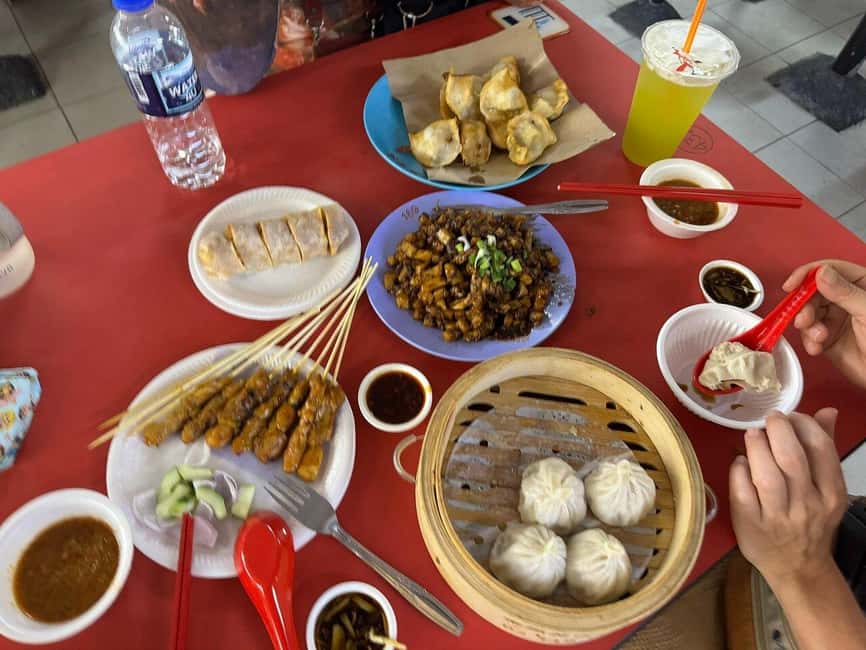
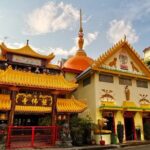
After Chinatown’s heritage and food stops, the tour transitions. You’ll visit Buddha Tooth Relic Temple, with a guided visit and walking time. Then the route moves by transit toward Kampong Glam.
This is where the tour becomes more than just a food crawl. You get a visible culture shift: architecture, street vibe, and the way daily life shows up around food. It helps you understand Singapore as a set of neighborhoods with their own identity, not one uniform city.
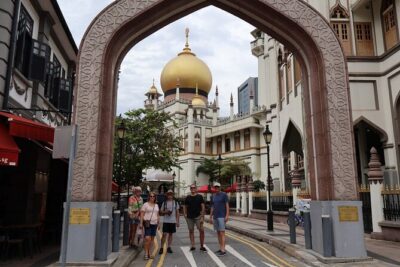
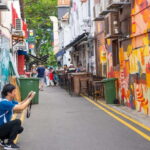
In Kampong Glam, you’ll see Sultan Mosque from a close photo stop point, with mention of the golden dome. You’ll also walk through areas like Haji Lane and Muscat Street, plus the guide will help connect what you see to what you taste next.
Food here includes Malay bites, with examples such as seasonal tropical fruits and kuih from family-run stalls. This part is valuable because it turns “street visuals” into meaningful context: you learn why certain sweets and flavors fit the local rhythm and community.
Little India’s spices and dosai finishes with your senses turned on
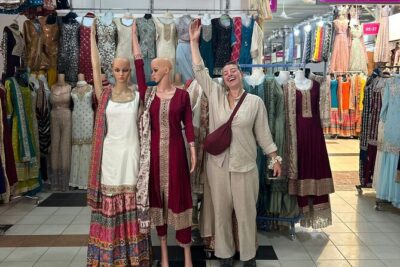
Little India is the grand finale for the longer trio route. You’ll spend guided time in the area, with sensory details built around spice markets, flower garlands, incense, and the strong audio-visual energy of the neighborhood.
You’ll also hit iconic architecture and shopfront references, including Tan Teng Niah near Tekka Centre (mentioned in the highlights). Then there are the food targets: less-obvious dosai stalls plus bold flavors you may not think to order on your own.
Why this ending works: by the time you reach Little India, you’ve already tasted your way through Chinatown-style food and Kampong Glam-style bites. So when you hit the spice-heavy, fermented-and-fried flavors of dosai and Indian street food, it feels like a real payoff instead of “more of the same.”
What the guide adds: pacing, ordering help, and named storytelling strengths
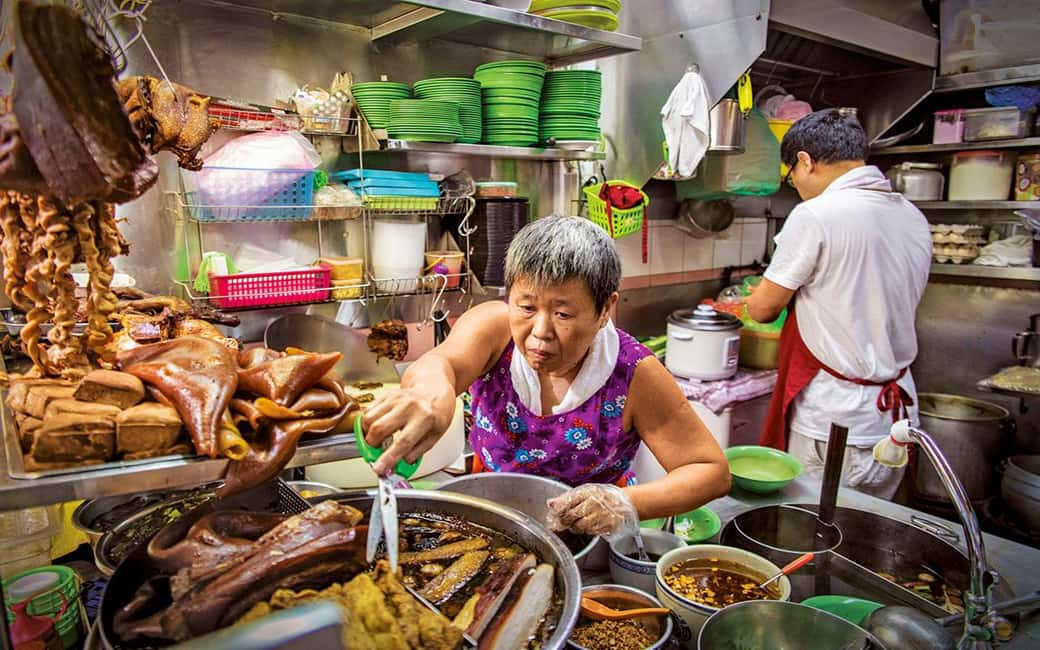
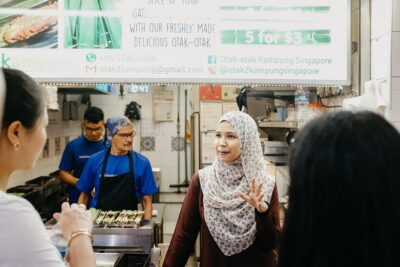
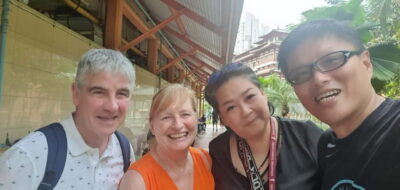
This tour’s biggest reputation strength is the guide work. People cite guides like Dawn, Kelvin, Jeanette, Leo, Liang, and others for doing more than listing food.
What that usually means in practice:
- You get help deciding what to order at hawker stalls and coffee shops
- You hear history tied to specific streets, temples, and market areas
- You get pacing that stays relaxed even while you walk
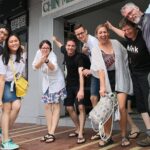
I also like that the tour is built for small-group interaction. The goal is not just “show up and taste.” It’s more like, your guide becomes your local translator: translating smells, menu names, and street symbolism into something you can actually use later.
Some guides also show practical care details in their approach, like being prepared with wet wipes and tissues and helping keep the table situation manageable. Those touches sound small, but they make the difference between a stressful meal and a smooth one.
Price and value: what $67 buys you in Singapore terms
At $67 per person, the value comes from three things.
First, the tour includes 8–10 handpicked tastings plus drinks (and 1 bottle of mineral water). If you’re paying for each bite and drink on your own, you’ll likely spend a lot more once you add multiple hawker dishes plus coffee/tea and snacks.
Second, you’re buying time. Singapore districts like Chinatown, Kampong Glam, and Little India aren’t hard to reach, but doing them well takes planning. This route does that planning for you and wraps it in food sequencing that helps your stomach and your schedule.
Third, you’re paying for the guide’s “translation.” A stall menu can look simple, but choosing confidently is the difference between a great first bite and a forgettable one. The guide work is what turns stalls into a story you can repeat later.
The main thing you’re not paying for is transit and personal expenses. You’ll handle bus/metro/taxi costs yourself, and you should budget time for walking in humid conditions.
Practical tips so the tour feels easy, not exhausting
Here are the things I’d do before you go, based on how the tour is structured.
- Wear comfortable shoes. You’ll walk between lots of narrow lanes and crowded areas.
- Bring a hat, umbrella, and sunscreen. The tour runs rain or shine.
- Bring a camera because there are multiple photo-stop areas, including around Smith Street, Pagoda Street, and Sultan Mosque.
- Don’t eat a full meal right before you start. Plan to arrive hungry, since the tastings continue through multiple hawker stops.
Ordering and seating tip: hawker seating can mean sharing tables. Treat it as part of the local experience. Also, you’ll likely be sampling enough food that you won’t want to add extra items afterward unless you’re truly still hungry.
Who should book, and who might prefer a different plan
This tour is a good fit if you:
- Want Singapore culinary soul without spending your day researching stalls
- Like history and culture tied to what you’re eating
- Travel as a couple, solo, or with family and want a structured, time-efficient day
Families can join, and the Q&A notes kids as young as 3 have participated.
Consider another option if you:
- Need lots of vegetarian variety. Vegetarian choices exist, but the tour is meat-based, and variety depends on stall availability.
- Have severe allergies. You can inform the operator in advance, but there’s no guarantee of allergen-free meals since food is prepared by outside vendors.
Should you book Tasting Trails: Chinatown OR with Kampong Glam, Little India?
If you’re the type who wants to eat well and learn fast, I think this is an easy yes—especially if you want one guided day that covers Chinatown, Kampong Glam, and Little India instead of only one district.
The tour’s strength is the combination of 8–10 tastings and guide-led storytelling, plus a route that uses metro to avoid turning Singapore heat into a full-day grind. It’s also one of the better values when you compare what multiple hawker meals plus coffee/tea would cost by yourself.
Just be honest about fit: if vegetarian options are a major requirement, or you have serious allergies, you’ll need to plan carefully and manage expectations. For everyone else, this is a smart way to get your bearings fast and leave with a real sense of how Singapore flavors connect to place.
FAQ
How long is the tour?
It runs 3 to 7 hours, depending on which version you choose (3 hours in Chinatown, or a longer trio across three districts).
What’s included in the price?
You get 8–10 handpicked local food and drinks, a professional licensed tour guide, and 1 bottle of mineral water.
Do I get reserved seating at hawker centres?
Not always. Seating at hawker centres is first-come, first-served, so you may share space with others during busy periods.
Can vegetarians join?
Yes, but options are limited because the tour focuses mainly on meat-based dishes. The actual selection depends on stall availability.
What if I have food allergies?
Let the team know in advance. Since food is prepared by external vendors, they cannot guarantee allergen-free meals.
Is the tour suitable for children?
Yes. The information provided says children as young as 3 have joined and enjoyed the experience.
What should I bring?
Wear comfortable shoes, and bring a hat, umbrella, camera, sunscreen, and water.
Does the tour run in bad weather?
Yes. The tour runs rain or shine.