REVIEW · CHINATOWN, LITTLE INDIA & KAMPONG GLAM WALKING TOURS
Feel the Heartbeat: A Singapore Chinatown Walking Tour
Book on Viator →Operated by Tours by Istoria Collective Singapore · Bookable on Viator
Food and stories beat wandering Chinatown. This 2-hour guided walk pairs a shared local dish tasting with the sights and symbols you’d otherwise miss in Singapore’s Chinatown. I love the small group feel (max 8), which makes it comfortable to ask questions while you move between landmarks and old shophouse streets.
My other favorite part is the mix of faiths and everyday life in a tight route: you’ll pass Street of Harmony-style religious landmarks, then work your way toward Chinatown Complex for real hawker-and-market energy. The one potential drawback: food choices on this tour are fixed, and they can’t be adjusted for dietary requirements, so it’s not ideal if you need special meals.
In This Review
- Key highlights you’ll feel right away
- Start at Chinatown MRT and get oriented fast
- Tastings first: why that shared dish changes the whole walk
- Chinatown, in one smooth loop of sights and faiths
- Street of Harmony moments that make the area click
- Shophouse facades and murals: what to notice while you walk
- Buddha Tooth Relic Temple and the main temple stops
- Chinatown Complex: hawker-and-market energy without the guesswork
- Finishing with a Chinese tea session (and why it’s not just a gimmick)
- Guide style: how Serene and Ronald-type storytelling lands
- Price and value check for about $62.08
- Timing, weather comfort, and what to bring
- Who this tour suits best
- Should you book this Chinatown walking tour?
- FAQ
- How long is the Chinatown walking tour?
- Where do I meet and where does the tour end?
- What’s included in the price?
- Do I get a mobile ticket?
- What is the maximum group size?
- Is admission included for the sights?
- Can the tour accommodate dietary restrictions?
- Can I cancel for a full refund?
- What if the weather is bad?
- Is insurance included?
- Final verdict
Key highlights you’ll feel right away
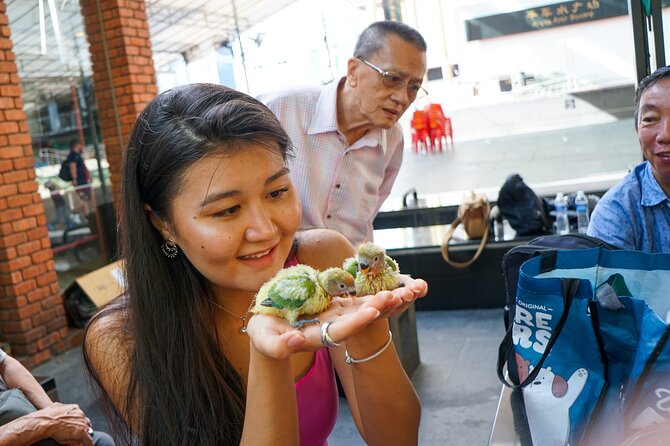
- Small group (up to 8 people): an easier pace and more time for questions.
- Food first, then stories: a shared tasting helps you understand what you’re seeing.
- Street of Harmony area: temples, a mosque, and other religious sites sit close together.
- Tea session ending: a calm, mindful finale to slow the whole experience down.
- English-speaking guide: explanations are built for your day on foot.
- Start near the MRT: Chinatown MRT (DT19) is close enough to keep the morning simple.
Start at Chinatown MRT and get oriented fast
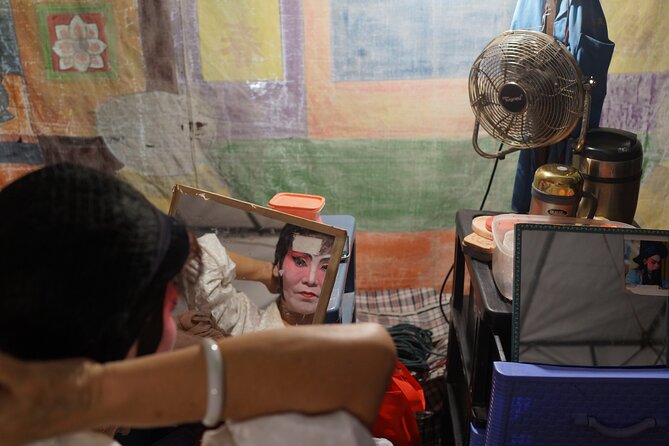
You meet at Chinatown MRT Station (DT19) on Upper Cross Street (91 Upper Cross St). From there, you’re not stuck planning turns or guessing which lane to take next. It’s a practical setup: Chinatown is dense, so having a guide matters more than you think.
The tour runs about 2 hours but can stretch closer to 2–2.5 hours depending on group pace. That small timing buffer is good. You’ll spend enough time at each stop to notice details, without feeling like the guide is rushing you through.
You can also read our reviews of more walking tours in Singapore


Tastings first: why that shared dish changes the whole walk
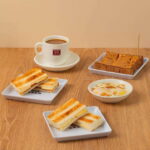
This tour doesn’t start with a long history lecture. It starts with a shared food tasting of a local dish. That matters because your senses are already switched on by the time you hit the streets and shophouses.
Once you’ve tasted something, you notice context fast: what people eat, what ingredients show up together, and how dialect communities shaped everyday Singapore life. You’ll also feel less “tourist-hungry” during the first stretch, which makes the whole morning easier to enjoy.
You’ll also get meals, plus coffee and/or tea, and then a Chinese tea session later as the finale. In other words, this is built like an experience for people who want to eat, not just photograph.
Chinatown, in one smooth loop of sights and faiths
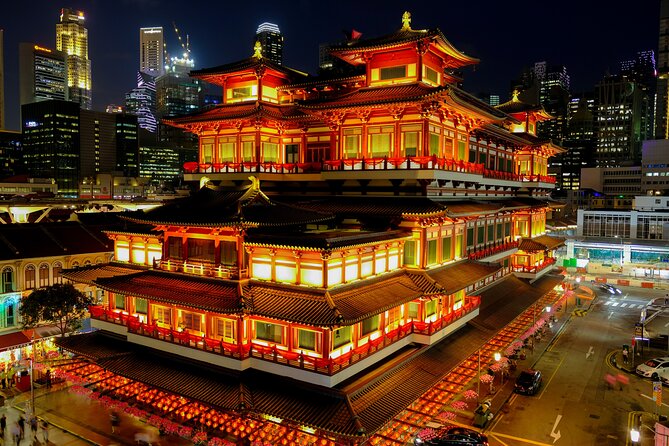
You’ll spend the core of your time in Chinatown, moving through a cluster of landmarks that show Singapore’s multicultural story. The tour is focused, but it doesn’t feel rushed. You’ll walk past religious sites that can seem unrelated at first glance, then realize how close communities were in daily life.
A standout focus is the Street of Harmony concept—where different houses of worship sit within short walking distance. You’ll see:
- The Buddha Tooth Relic Temple area
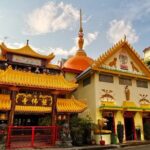
- Sri Mariamman Temple
- Jamae Mosque
- Plus local-life stops like Chinatown Complex and familiar mural scenes
That mix is the point. Chinatown isn’t just one style of architecture or one community. It’s many lives stacked close, and the tour keeps showing you the connections.
Street of Harmony moments that make the area click
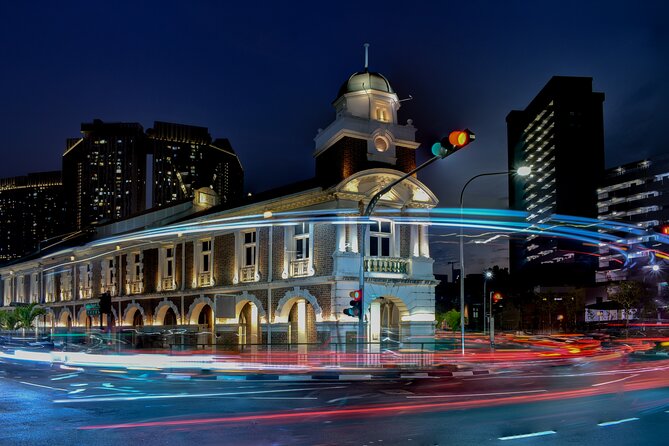
The Street of Harmony angle is one of the best reasons to take a guided walk instead of DIY. Up close, these sites aren’t just impressive buildings. They’re landmarks that help you understand how different groups lived side by side.
As you pass them, you’ll also get help reading what you’re looking at. Expect explanations that connect symbols on the facades to local meaning, rather than generic background. This is where a good guide earns the money.
One practical tip: keep an eye on where you step. Some of the streets around these landmarks can get busy with pedestrians, so move with the group and leave space for people flowing through.
Shophouse facades and murals: what to notice while you walk
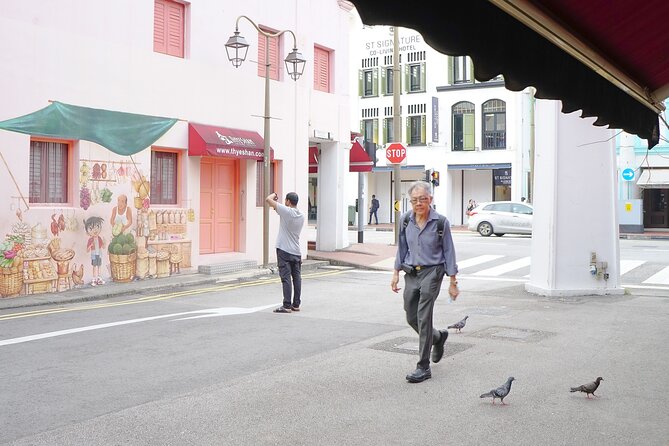
Chinatown’s shophouses can look repetitive at first if you’re only scanning for photo spots. The guide approach here helps you slow down just enough to see patterns: entrances, signage, and painted details that point to the neighborhood’s past.
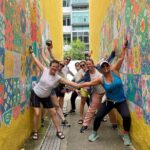
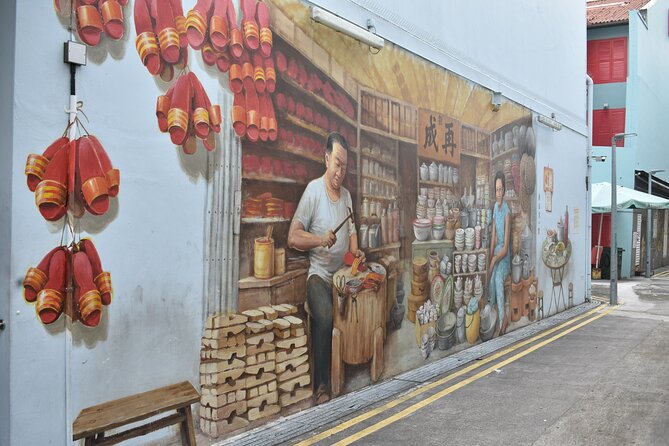
You’ll also encounter nostalgic mural scenes—visual stories that make old Singapore feel specific, not abstract. The murals help you connect architecture to people and daily routines. Instead of “this looks old,” you start to ask, Who lived here, and what did they value?
The tour’s design is built for comfort and attention. You’re not expected to sprint between stops. You’re meant to walk, notice, then taste.

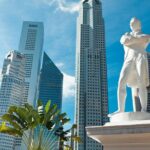
Buddha Tooth Relic Temple and the main temple stops
The big temple moments are there for a reason. The Buddha Tooth Relic Temple is often a highlight because it has presence—both visually and in how it anchors the surrounding streets.
Then you’ll see Sri Mariamman Temple, which brings a very different visual language. Watching these sites appear one after another helps you understand that Chinatown’s identity isn’t “one thing.” It’s a set of layers that changed over time.
And Jamae Mosque rounds out the feeling of proximity between communities. Seeing these landmarks in a single walking sequence makes the neighborhood feel less like a checklist and more like a lived-in place where faiths share space.
If you want to get the most out of these stops, take a few seconds before each one to look upward. Façades often tell their best stories at eye level and above signage.
Chinatown Complex: hawker-and-market energy without the guesswork
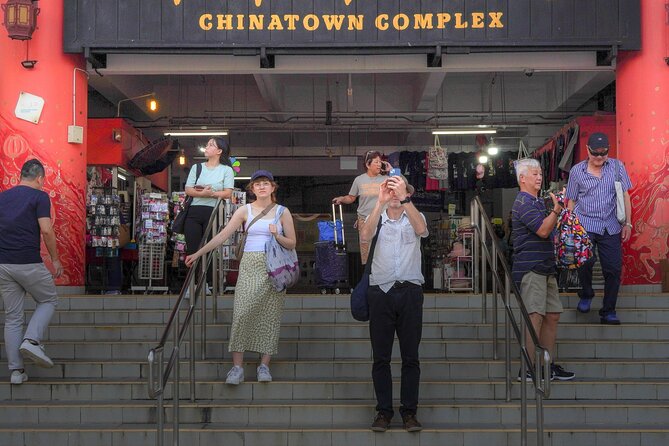
Midway through, you’ll reach Chinatown Complex, described as a hub for hawker fare and market stalls. This is the part of the experience that feels most like a real day in the neighborhood.
Your guide helps you connect what you’re eating to what you’re seeing. Instead of standing in line thinking, What is this dish and who eats it, you get context. That’s especially valuable in Singapore, where menus can be intimidating even for food lovers.
This is also where the tour’s pacing works for you. You’re not forced to make a big meal decision on the spot. You already have a tasting plan and a path, so you can relax.
Finishing with a Chinese tea session (and why it’s not just a gimmick)
Most walking tours end with you wandering off and hoping you find a calm place to sit. This one does the opposite. You finish with a Chinese tea session, a slower moment designed to savor aromas and wind down.
That final stop is a good reset. After a couple of hours of streets, temples, and tasting variety, the tea helps your brain stop spinning long enough to remember what mattered: the smells, the shapes, the stories, and the food.
It’s also a nice “Singapore” touch because tea culture shows up everywhere. Ending there makes the tour feel complete, not like you just got dropped in the next neighborhood.
Guide style: how Serene and Ronald-type storytelling lands
From the experience write-ups, guides get praised for being friendly and clear, with humor and story skills. Names that come up are Serene and Ronald/Roland, and that’s a helpful clue about what you’re buying: explanation with personality.
Good guiding here means you understand why certain details show up where they do. You’re not just told what a building is. You’re taught what it signals about community life.
If you like learning through walking—rather than museum-style lectures—this format tends to click. You’ll get the story while you’re moving, not after the fact.
Price and value check for about $62.08
$62.08 per person sounds specific, so it’s worth doing the math in your head. You’re paying for:
- an English-speaking guide
- meals
- coffee and/or tea
- and a Chinese tea session at the end
And you’re getting a route that covers multiple major landmarks and local-life stops in about two hours. If you were doing Chinatown on your own, you’d still spend money on snacks, a proper sit-down tea, and a guide if you wanted context. Here, those pieces are bundled with less planning stress.
It’s also a small-group tour (max 8). That matters because it often leads to a better experience than big batch group tours where you can’t hear, can’t ask, and spend half your time waiting for the line to catch up.
Timing, weather comfort, and what to bring
This experience requires good weather. Singapore weather can shift fast, so your tour provider plans for comfort and likely picks a route that works best when the streets aren’t drenched.
I recommend you dress for warm walking and bring:
- water (even if coffee/tea is included)
- comfortable shoes
- a light layer you can toss on if it gets breezy or rainy
If you have the option, mornings are often easier in Chinatown. One guide-led food-and-walk vibe makes more sense when the heat is lower and sidewalks aren’t packed. You’ll still see Chinatown in full motion, just with less discomfort.
Who this tour suits best
This fits you if you want:
- a guided route through Chinatown’s big sights and everyday spots
- a food-forward morning that’s not complicated to plan
- a calm ending with a tea session instead of rushing off
It’s also a smart pick if you prefer a smaller group where the guide can actually focus on your questions.
Skip it (or at least think twice) if you:
- need dietary accommodations, because the food selections are fixed and can’t be adjusted
- want a fully self-guided experience where you set every pace and stop
Should you book this Chinatown walking tour?
Book it if you’re excited by the idea of eating first, then reading the neighborhood through temples, murals, and shophouse details. The price makes sense for what you get because meals and tea are built in, not added later like optional extras. And the small group size helps the whole walk feel relaxed rather than chaotic.
Don’t book it if your dining needs are complex. Fixed food can be a deal-breaker. If that applies, look for an option that can match your requirements before you commit.
FAQ
How long is the Chinatown walking tour?
The tour is about 2 hours, and it may take closer to 2 to 2.5 hours depending on the group’s pace.
Where do I meet and where does the tour end?
You start at Chinatown MRT Station (DT19) at 91 Upper Cross St, Singapore 058362. The tour ends near Temple Street.
What’s included in the price?
It includes an English-speaking guide, meals, coffee and/or tea, and a Chinese tea session.
Do I get a mobile ticket?
Yes, the tour offers a mobile ticket.
What is the maximum group size?
The tour has a maximum of 8 travelers.
Is admission included for the sights?
The experience notes that the admission ticket is free.
Can the tour accommodate dietary restrictions?
No. Food selections are fixed and cannot be adjusted for individual preferences or dietary requirements.
Can I cancel for a full refund?
Yes. You can cancel up to 24 hours in advance for a full refund.
What if the weather is bad?
The experience requires good weather. If it’s canceled due to poor weather, you’ll be offered a different date or a full refund.
Is insurance included?
No. Insurance is not included.
Final verdict
If you want Chinatown to feel understandable fast, this is a strong pick. You get food built into the route, major religious landmarks in one walk, and a tea session that actually gives you time to land the experience. Just double-check dietary needs first, since the menu can’t be changed.