REVIEW · CHINATOWN, LITTLE INDIA & KAMPONG GLAM WALKING TOURS
Private Singapore Food Tour in Chinatown and Little India
Book on Viator →Operated by Culture Curious Singapore Tours · Bookable on Viator
One street corner can tell a whole city story. This private Singapore food walk connects Chinatown and Little India with 9 tastings, plus real context on religion, spices, and how hawker culture shaped everyday life. You’re not just eating on the go—you’re learning how the neighborhoods got their food personalities.
What I like most is the balance of flavors and meaning. You get a mix of carb-based dishes, popular snacks, and heritage foods, and the guide explains what you’re seeing, from temple traditions to food culture you would miss if you wandered alone.
A possible drawback: it’s not designed for everyone’s dietary needs. If you’re vegan, gluten intolerant, or have allergies, the tastings may include ingredients like soy, wheat/gluten, dairy, nuts, and pork/chicken—so you’ll need to check carefully before booking.
In This Review
- Key points before you book
- What you’re paying $141 for: private time, tastings, and context
- Starting at Chinatown MRT: how the walk sets the tone
- Stop 1: Chinatown street food heritage (and the stories behind it)
- Maxwell Food Centre: 9 tastings, multicultural flavors, no wasted time
- Buddha Tooth Relic Temple and Museum: why this temple matters in Chinatown
- Tekka Centre in Little India: roti prata, rojak, and more local favorites
- Serangoon Road: street snacks, street art, and the pace of Little India
- Two extra heritage moments in Little India: a war-era refuge and a hybrid villa
- Campbell Lane: garland artisans, street markets, and a local heritage wrap-up
- What makes the guides stand out (in a good way)
- Practical logistics that actually affect your day
- Who should book this tour (and who might skip it)
- Should you book the Private Singapore Food Tour in Chinatown and Little India?
- FAQ
- How long is the Private Singapore Food Tour in Chinatown and Little India?
- Where do I meet the guide, and where does the tour end?
- What does the tour include?
- Is hotel pickup available?
- How many food tastings should I expect?
- What should I know about dietary restrictions?
- What should I wear or bring?
- What is the cancellation policy?
Key points before you book
- Licensed local food guide with a history-and-culture lens, not just restaurant recommendations
- 9 authentic street-food tastings across Chinatown and Little India, meant for sharing
- Temple and heritage photo stops, including the Tang-style Buddha Tooth Relic Temple
- Market-to-market variety, with Tekka Centre and local snack time on Serangoon Road
- Hotel pickup option for the WITH Pickup option, plus public transport built in
- Private tour only for your group, so you can ask questions as you walk
What you’re paying $141 for: private time, tastings, and context
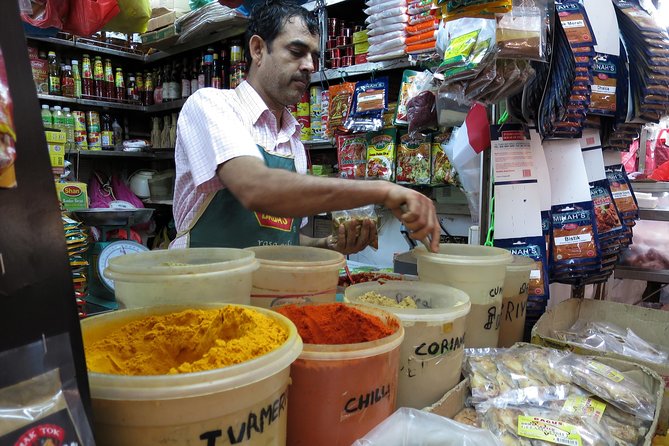
At $141.04 per person for about 3 hours, the price isn’t just about food. You’re also buying a guide, the stops, and a set of tastings that are designed to add up to a full experience rather than a quick bite and a souvenir photo. For many people, that’s the value: you get your bearings fast and you know what you’re eating—and why it exists here.
This is a private tour, so the pace and questions are yours. That matters in Singapore, where food culture runs on small details—what’s considered local, why certain dishes show up in specific neighborhoods, and how religion and community shape daily life.
One more value point: the tour includes 9 tastings plus refreshment, and they’re meant to be shared. The format helps you try a range of textures and flavors without feeling like you have to finish one heavy dish after another.
You can also read our reviews of more food & drink experiences in Singapore
Starting at Chinatown MRT: how the walk sets the tone
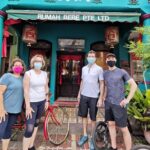
You meet at Chinatown MRT station and you’ll end near Little India MRT station. That end point is practical: you can roll right into more sightseeing, shopping, or a later meal without backtracking across town.
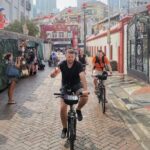
The tour begins in Chinatown with a food-history setup. You’ll walk old streets and alleyways where traveling hawkers once worked, and you’ll get a local explanation of how street food became a national pastime. This early storytelling is useful because it makes the later stops easier to read like a map.
Wear casual clothes and comfortable footwear. You’ll be on foot enough that shoes matter, and Singapore weather can shift quickly—so bringing a poncho or umbrella and water is smart.
Stop 1: Chinatown street food heritage (and the stories behind it)
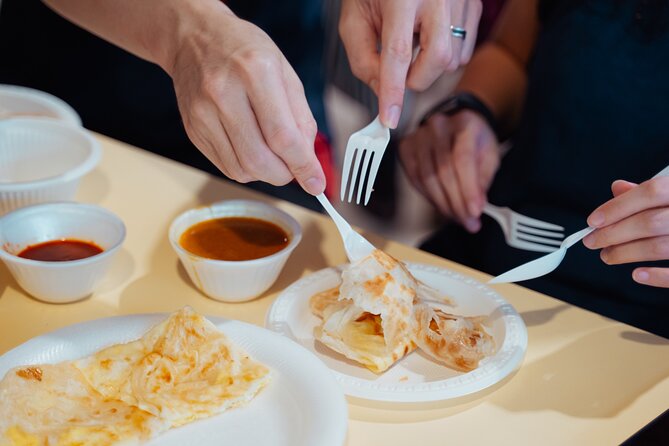
This first Chinatown segment runs about 1 hour, and it’s more than a warm-up. The goal is to show you the neighborhood’s street-food DNA—how the lanes, the trade, and the community traditions all connect.
The guide also clues you into Singapore’s history, culture, and religion. That’s what turns tasting time into learning time: you’re not only trying bites, you’re getting the mental framework for what you’re seeing.
If you’re the type who likes to understand the “why,” this part will land well. If you only want maximum food volume with minimal talking, you might notice this is a guided walk with explanation—not a pure eating sprint.
Maxwell Food Centre: 9 tastings, multicultural flavors, no wasted time
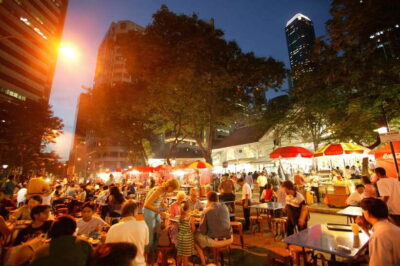
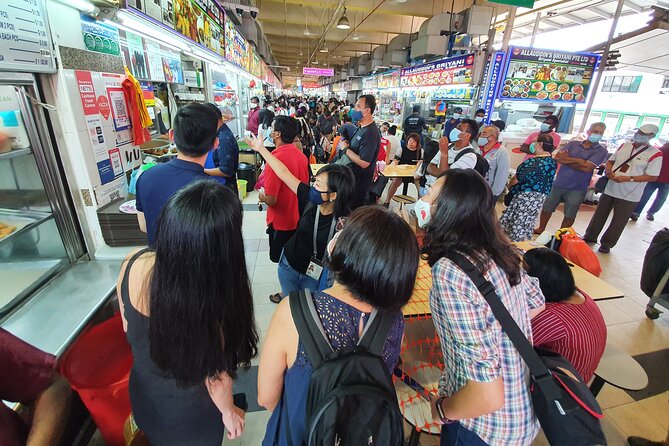
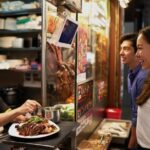
Maxwell Food Centre is where the tour’s food intensity ramps up. You spend about 30 minutes there, and the big promise is 9 different street-food tastings with multicultural influences. In practical terms, that usually means multiple small portions across different stalls and styles, not one giant meal at a single place.
This stop is valuable because hawker centers are the real engine of local eating. You learn how Singapore’s food traditions overlap—Chinese, Indian, Malay, and other influences show up in ingredients, technique, and flavor patterns.
You’ll likely notice that the tastings include ingredients such as soy, wheat/gluten, dairy, nuts, chicken, pork, and spices. If you have dietary restrictions, this is the moment to speak up early and clearly, because the tour is not described as vegan-friendly or gluten-free friendly.
Also, the tour format helps with pacing. Even if you like spicy food, you don’t want to pace yourself poorly on a short 3-hour window. This is designed so you can sample broadly without running out of energy.
Buddha Tooth Relic Temple and Museum: why this temple matters in Chinatown
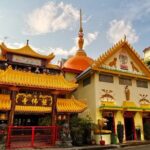
Next comes a quick but meaningful stop: the Buddha Tooth Relic Temple and Museum. You get about 15 minutes here, with photo opportunities of a major Chinatown landmark.
The temple is described as having architecture built in the Tang style. Even if you’re not a architecture nerd, it’s an easy win for your photos and your understanding of Chinatown’s religious footprint.
What makes this worthwhile on a food tour is the connection between belief and daily life. Food culture in Singapore is not separate from religion. Traditions influence holidays, community gathering, and even which public spaces become food hubs.
If you’re sensitive to crowds or you want quieter photo time, show up ready to move quickly. It’s a short stop, so you’ll want to keep your pace steady while still taking pictures.
You can also read our reviews of more tours and experiences in Singapore
Tekka Centre in Little India: roti prata, rojak, and more local favorites
Tekka Centre is about 40 minutes, which tells you the tour expects it to be a key tasting zone. In Little India, you’ll sample local foods such as roti prata (Indian flatbread), rojak, and other favorites.
This is one of the stops where you’ll feel the difference between “tourist food” and “local routine.” Tekka is a working market center, and your guide helps you land on choices that make sense for the overall route. You don’t just grab random snacks—you try combinations that reflect the neighborhood.
A practical note: this is still a shared-tasting experience. Come hungry, but don’t expect a buffet-style full meal in one sitting. The tastings are meant to stack across Chinatown and Little India.
Serangoon Road: street snacks, street art, and the pace of Little India
After Tekka, you head to Serangoon Road for about 15 minutes. This part focuses on Indian street snacks and the look-and-feel of the area, including street art and shops along the main thoroughfare of Little India.
This is a good segment for people who love wandering but don’t want to guess where to go. The guide’s route helps you see more than just the obvious lanes—plus you get quick visual cues about the neighborhood’s character as you move.
If you’re traveling with kids or you dislike long walks, this short stop can be a relief. It’s also a good moment to pace yourself after Tekka so you don’t overload before the final heritage segment.
Two extra heritage moments in Little India: a war-era refuge and a hybrid villa
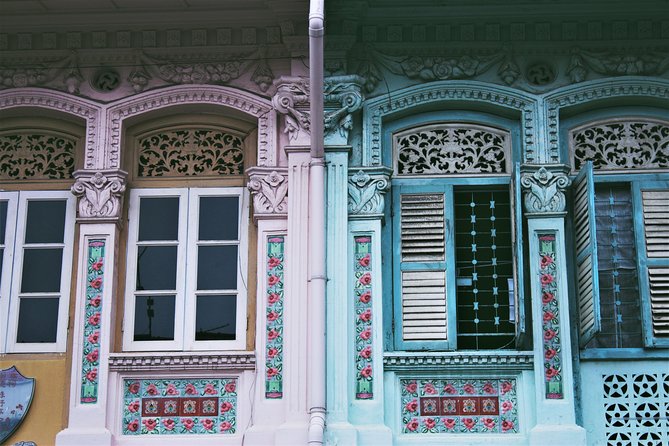
The tour includes additional stops described for their historical meaning and photo opportunities. One involves a historic temple that was once a refuge during the Japanese War Occupation, and you’ll hear how it remains relevant to the Hindu community.
Another stop highlights the last surviving Chinese villa in Little India, described as a hybrid of Malay, Chinese, and European architectural influences. You’ll have photo-taking opportunities here too, which is perfect if you like architecture and street-level history.
These moments matter because they explain how Little India didn’t grow in isolation. Communities overlapped, buildings adapted, and spaces collected layered identities. You end up understanding the neighborhood as a living record, not a single-note theme park.
Because these are described as short stops, treat them like quick scene changes. Have your phone camera ready, and then keep walking so you don’t fall behind the group pace.
Campbell Lane: garland artisans, street markets, and a local heritage wrap-up
Campbell Lane is your final flavor of Little India life, with about 15 minutes on the scene. You’ll see flower garland artisans, street markets, and the nearby Little India Heritage Centre add color to the street.
This is a satisfying closer because it shifts from major tasting nodes to everyday motion. You get a last look at how people use public spaces for work, worship, and commerce—right before the tour ends.
The tour ends near Little India MRT station. That makes it easy to continue your day: grab dessert, visit a museum, or head to another neighborhood without planning a complicated route.
What makes the guides stand out (in a good way)
The tour is run by Culture Curious Singapore Tours with a licensed local food guide. Based on guide names shared with past participants, you may be hosted by people like Rachel, Kelvin, or Corliss—each highlighted for strong connections between food and Singapore life.
The common theme in the feedback is that the guide doesn’t just list dishes. They explain what you’re eating and connect it to history, culture, and religion. That’s why the tour works even if you’re not a foodie in the strict sense.
If you have dietary needs, pay attention to one detail: the tour notes that it isn’t suitable for vegan travelers, gluten intolerant travelers, or anyone with allergies, because tastings include common allergens and meat/dairy ingredients. Still, people have praised the guide for working to help with dietary restrictions, which suggests communication matters. The best move is to contact the provider before you go and be specific about what you can and cannot eat.
Practical logistics that actually affect your day
Duration is about 3 hours. That’s long enough to feel like you did something real, but short enough that you shouldn’t burn a whole day. The rhythm also helps: walk, taste, learn, photo, taste, move on.
Transportation is handled in a couple ways. The tour includes public transportation, and there’s an option for hotel pickup if you book the WITH Pickup option. There’s also a mobile ticket, which helps if you don’t want to manage paper.
Meeting at Chinatown MRT is convenient because it’s a transit hub, and ending near Little India MRT gives you a clean finish. In a city where detours can eat time, this routing is a big deal.
Bring water and expect some walking. Also, consider weather. The tour suggests bringing a poncho or umbrella, which is sensible in Singapore.
Who should book this tour (and who might skip it)
This experience suits you if you want street food with context. You’ll like it if you enjoy learning why dishes exist, how neighborhoods formed, and how religion and community show up in food choices.
It’s also a strong match if you like meeting a guide who can point out what to notice. Food tours can turn into a random checklist, but this one is built around heritage stops and explained tastings.
You might skip it if you expect a long sit-down feast or a fully vegan/gluten-free experience. The description is clear that the tastings include ingredients like wheat/gluten, dairy, nuts, and meats, plus soy and spices.
And if you’re very price-sensitive, do a quick reality check. One shared concern is that the experience can feel expensive relative to the food volume. For me, the best way to judge is to decide whether you’re paying for just the taste—or for the guide + the route + the heritage stops. This tour is clearly in the second category.
Should you book the Private Singapore Food Tour in Chinatown and Little India?
If you want an efficient, private way to connect Singapore’s food with its neighborhoods, I’d book it. The mix of Chinatown history, Little India market eating, temple and heritage photo stops, and multiple tastings across two districts makes it feel like a full story in one afternoon.
Book it especially if you’ll enjoy the guide’s explanations on culture and religion while you eat. That’s the difference between eating in Singapore and understanding Singapore while you eat.
Skip or rethink it if your dietary needs are strict (vegan, gluten intolerance, allergies), or if you only care about maximum food quantity and don’t want guided talk. In those cases, you’ll likely feel the cost more than the value.
If you decide to go, come with comfy shoes, a willingness to try new flavors, and the expectation that this is a tasting walk with meaning—not just a meal.
FAQ
How long is the Private Singapore Food Tour in Chinatown and Little India?
It runs for about 3 hours.
Where do I meet the guide, and where does the tour end?
You start at Chinatown MRT station and the tour ends near Little India MRT station.
What does the tour include?
The tour includes a private tour with a licensed local food guide, 9 authentic tastings of foods and refreshment, public transportation, and breakfast/snacks that are meant for sharing.
Is hotel pickup available?
Yes, hotel pickup is available for the WITH Pickup option.
How many food tastings should I expect?
You should expect 9 different street-food tastings at stops like Maxwell Food Centre and other local food locations.
What should I know about dietary restrictions?
The tastings include ingredients such as soy, gluten, wheat, chicken, pork, dairy, nuts, and spices. It’s not suitable for travelers who are vegan, gluten intolerant, or who have allergies.
What should I wear or bring?
Wear casual attire and comfortable footwear. Bring water and a poncho or umbrella in case of rain.
What is the cancellation policy?
Free cancellation is available up to 24 hours in advance for a full refund. If you cancel less than 24 hours before the start time, the amount paid is not refunded.