REVIEW · CHINATOWN, LITTLE INDIA & KAMPONG GLAM WALKING TOURS
Singapore: Chinatown Hawker Market Food Tour with 7 Food Tastings
Book on Viator →Operated by Secret Food Tours · Bookable on Viator
Chinatown tastes better with a local map. This 3-hour walk in Singapore’s Chinatown strings together shophouse history and temple stops, then lands at a big hawker centre for seven tastings plus local beer and bottled water. I like that the bites are paired with stories, so you get more than a checklist.
I also like the small group size, capped at 12, which keeps the pace human and makes questions easy. One possible drawback: you’ll do a fair amount of walking, and there’s quite a bit of culture mixed in, so go expecting history as part of the meal plan.
In This Review
- Key highlights before you go
- Chinatown in 3 hours: what this walk really delivers
- Starting at Bee Cheng Hiang: the snack mindset begins early
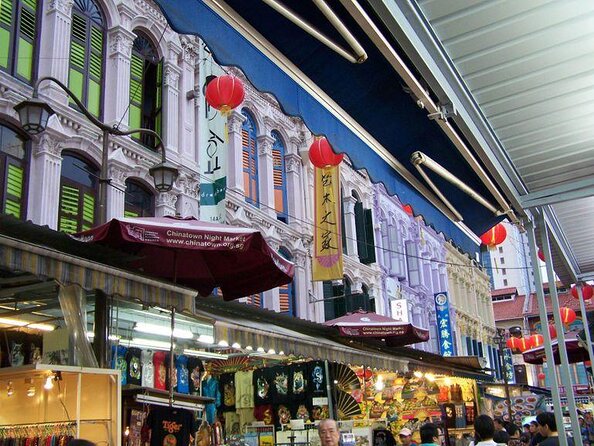
- Restored shophouses: why early Chinatown looks the way it does
- Temples built for centuries: the faith side of food
- The big food-centre stop: where you eat like you’re supposed to
- The seven tastings: what’s included and why it works
- Bak kwa + coffee toast
- Popiah or oyster cake snack
- Hainanese chicken rice: the icon course
- Prata or thosai off the griddle
- Dessert that cools everything down
- The secret dish
- And yes, come hungry
- The Chinatown story beat: Chia Ann Siang’s hill and one-way road
- Marina Bay’s Red Dot Design Museum detour: practical and surprising
- Value check: is $146 a fair deal for this mix?
- What group size and guides change in your day
- Who should book this Chinatown food and culture tour
- Should you book it?
- FAQ
- What is the duration of the tour?
- How many food tastings are included?
- What drinks are included?
- Where does the tour start?
- Does the tour end back at the meeting point?
- How large is the group?
- Are transportation costs included?
- Can the tour accommodate dietary requirements?
- What should I wear or bring for this tour?
- Is free cancellation available?
Key highlights before you go
- Seven tastings that cover icons and snacks so you can compare flavours side-by-side
- Local beer and bottled water included so you’re not hunting for drinks mid-walk
- Chinatown temples in the middle of your appetite which explains why food and faith overlap here
- Small group size (max 12) with a guide who can keep up with questions
- Marina Bay design museum stop that ties Singapore’s present to its past
Chinatown in 3 hours: what this walk really delivers
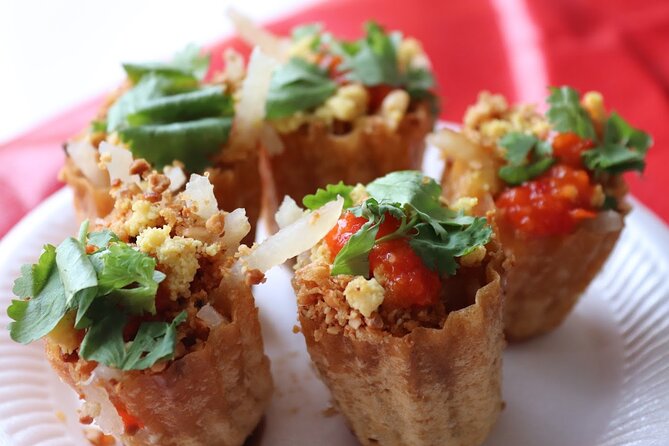
This tour is built like a smart morning in Chinatown: you start with classic local food, then you spend time seeing why Chinatown looks the way it does, and only then do you get hit with the bigger hawker-centre flavours. It’s not just a food crawl. The route uses architecture and religious sites to explain how different communities shaped Singapore’s food culture.
The pacing is designed for learning while you eat. You’ll move through restored early settler spaces, step into temple grounds with strong visual symbolism, and then get to a major food centre where the city’s everyday eating habits take over. If you like understanding the why behind what you’re tasting, this format clicks.
You can also read our reviews of more food & drink experiences in Singapore
Starting at Bee Cheng Hiang: the snack mindset begins early
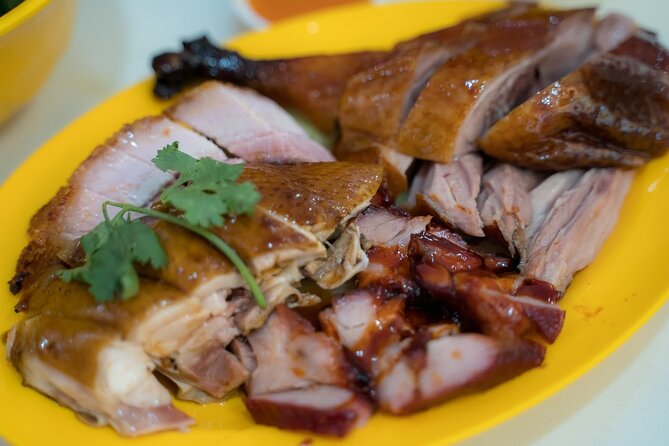
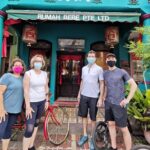
The meeting point is at Bee Cheng Hiang on Pagoda Street (69 Pagoda Street). It’s a fitting start because the tour kicks off with Singapore street-food energy right away, starting with bak kwa (smoky, tender barbecued meat delicacy). Even before you hit the hawker centre, you’re being trained to taste like a local: notice the sweet-savour balance, the smoke, and how it sets you up for what’s next.
Starting here also means you’re not scrambling to find food on your own. The tour takes the guesswork out of ordering, which matters in Chinatown where the menu choices can feel endless if you don’t know what to try first.
Restored shophouses: why early Chinatown looks the way it does
One of the early stops focuses on restored shophouses showing living spaces, furnishings, and artifacts from early Chinatown settlers. This is where Chinatown stops being just a place to eat and becomes a place to understand.
Shophouses matter because they explain the shape of daily life: how people lived close together, how small commercial spaces supported household income, and how streets became both work and social spaces. When you later see food centres packed with regulars, you’ll recognize the pattern—Singapore’s food culture grew inside tight, practical neighbourhood rhythms, not in separate worlds.
If you’re the kind of person who likes spotting details—doorways, layout, old-school textures—this part gives your eyes something to do between tastings.
Temples built for centuries: the faith side of food
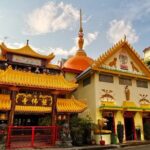
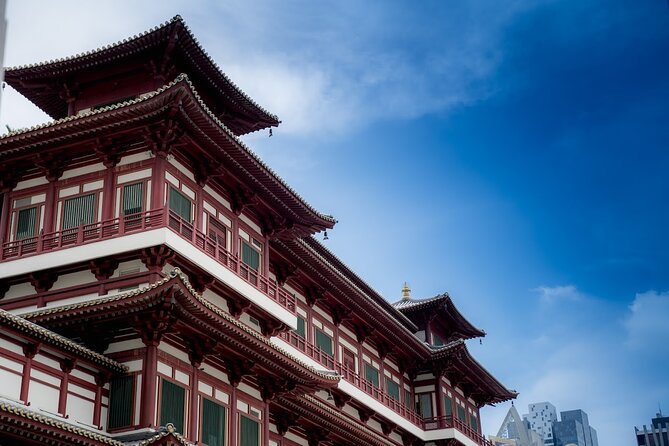
The tour then goes temple-hopping, and it’s not random. The first temple stop is the city’s oldest Hindu temple, built in 1827, with a tower densely ornamented with deities. You’ll also visit a Tang dynasty–style temple featuring religious relics, ornate rooms, and a tranquil rooftop garden.
Why does this belong on a food tour? Because in Singapore, religious communities have historically influenced what gets cooked, what gets offered, and what becomes familiar. Even if you don’t follow the traditions yourself, seeing these spaces helps you understand that meals here often carry meaning beyond taste.
Practical note: temples can be visually intense—lots to look at, lots of colour and detail. Give yourself permission to slow down for a few minutes, or you’ll rush past the very clues that make the food stories make sense later.
The big food-centre stop: where you eat like you’re supposed to
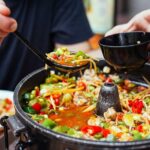
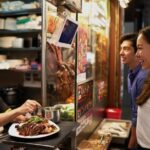
Next comes time for the main event: a stop at one of Singapore’s largest food centres. This is where the tour’s structure pays off. Instead of standing at a hawker stall wondering what looks good, you get directed through specific dishes that represent Singapore’s core flavours.
Hawker centres also reward people who come ready to learn. You’ll notice how meals are built around staples—rice, noodles, crispy snacks, and desserts—then you’ll realize how your “one lunch” experience becomes a survey of the city’s tastes.
If you’ve only eaten in one restaurant, this stop is your shortcut to understanding the broader food ecosystem.
You can also read our reviews of more tours and experiences in Singapore
The seven tastings: what’s included and why it works
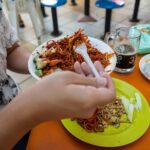
The tour includes local beer and bottled water along with seven food tastings. The menu isn’t just random variety. It’s arranged like a Singapore sampler platter—salty, sweet, hot, crispy, and cooling desserts—so you taste contrast instead of repeating the same flavour wheel.
Here’s how the included dishes tend to land:
Bak kwa + coffee toast
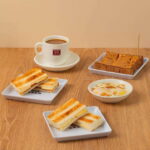
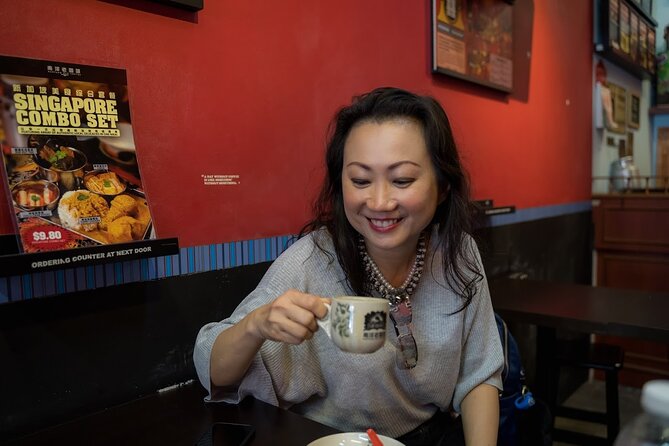
You start with bak kwa, then move toward Nanyang coffee with kaya butter toast (kaya butter toast adds sweet coconut-egg jam flavour paired with rich butter). This combo is a classic Singapore breakfast-direction. It’s also a smart warm-up because coffee and toast cut through the smoke-savour intensity of bak kwa.
Popiah or oyster cake snack
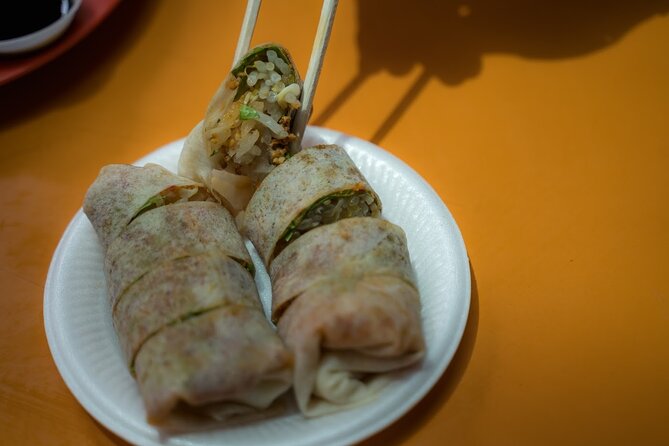
You’ll also get crispy popiah or golden oyster cake. These are your textural plays: crunchy edges, savoury filling, and that quick satisfaction that makes hawker food so addictive. The fact that this can vary matters, because it keeps you from feeling like you’re getting a rigid lecture about one exact menu.
Hainanese chicken rice: the icon course
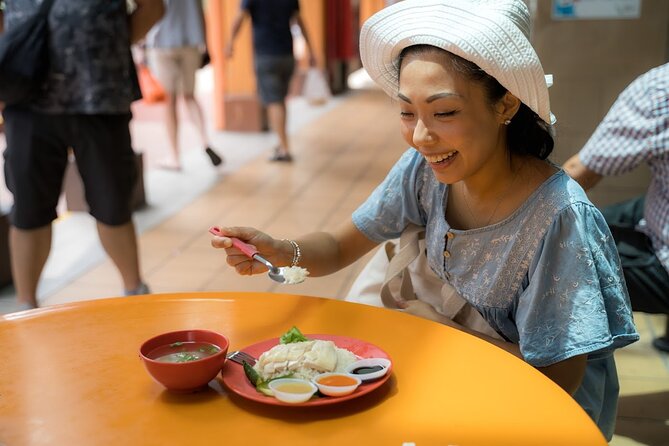
Then comes authentic Hainanese chicken rice, one of Singapore’s signature dishes. This isn’t just comfort food—it’s a benchmark. Once you taste it on the tour, you’ll know what to look for if you compare other chicken rice later: flavour balance, chicken tenderness, and how the sauce ties everything together.
Prata or thosai off the griddle
You’ll get fluffy prata or thosai served fresh off the griddle. Fresh matters here. The difference between warm, just-made flatbread and one that’s been sitting is huge. This stop is a reminder that some of Singapore’s best eats are about timing, not just ingredients.
Dessert that cools everything down
For dessert, you’ll taste chendol with coconut and gula melaka. Then there’s chwee kueh topped with savory radish. That second item is important because it’s not a sweet-only ending. It’s a contrast that keeps the tour from feeling like a parade of sugar.
The secret dish
Finally, you’ll get the secret dish. That “unknown” element is part of the fun because it stops the experience from becoming predictable. If you like food surprises, this is where the tour earns extra points.
And yes, come hungry
Across the experiences, a common thread is that the portions can be generous. If you show up after a big late breakfast, you may struggle to finish everything. I’d treat this like a real lunch (not a snack tour) and plan your day around it.
The Chinatown story beat: Chia Ann Siang’s hill and one-way road
After eating, the tour slows into geography and names. One stop focuses on a small hill and the name of a one-way road in Chinatown, tied to Chia Ann Siang, a wealthy businessman.
This kind of stop sounds minor until you realize how streets get remembered. Singapore’s modern city map is built on old power structures, migration patterns, and local identities. When you know why a road is named, the area stops feeling generic.
It’s also a good mental reset after hawker-centre intensity. You’ll get a breather before the last culture stop.
Marina Bay’s Red Dot Design Museum detour: practical and surprising
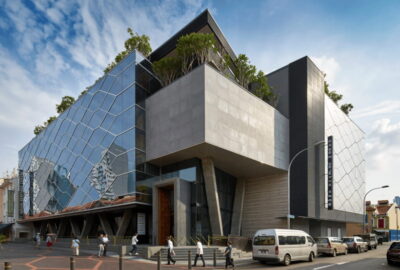
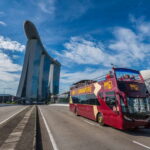
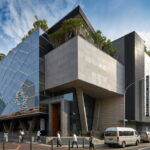
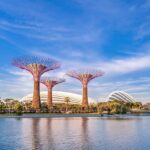
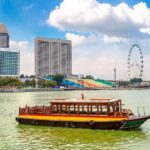
The tour ends with a boutique museum stop along the Waterfront Promenade at Marina Bay: Red Dot Design Museum, described as the physical embodiment of the international Red Dot Design Award.
This might sound like a random detour on a food tour, but it actually makes a lot of sense if you’re paying attention to Singapore’s “then and now” rhythm. You’ve spent the morning in early settler spaces and religious buildings; now you step into a museum space that represents Singapore’s modern design culture.
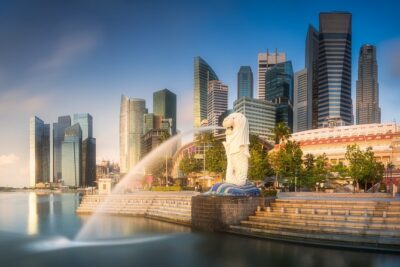
If you like photos, expect good viewpoints around Marina Bay too. It also gives the tour a clean end point near a major sightseeing zone.
Value check: is $146 a fair deal for this mix?
At $146 per person, this tour isn’t the cheapest way to eat in Chinatown. So here’s how I’d judge the value: you’re not paying for one dish. You’re paying for a guided route that combines seven tastings, drinks (beer + bottled water), and multiple cultural stops that help you understand what you’re eating.
You also get structure: knowing what to try saves time and reduces the chance of spending your lunch on a menu you can’t interpret. For many people, that’s the real cost-saver—one good ordering decision can be worth more than the difference between a guided tour and a DIY meal.
One caution: the experience isn’t pure food-only. If you want a tour that is almost entirely about stall-to-stall eating with minimal talking, this format may feel like it devotes more time to stories and architecture than you expected.
What group size and guides change in your day
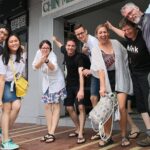
This experience runs as a small group with a maximum of 12, which helps in two ways. First, it’s easier to move together without feeling rushed. Second, it’s more realistic to ask questions—about ingredients, history, or what you should order if you return on your own.
You’ll also benefit from strong guide energy. The tour’s history-food mix is repeatedly praised when guides like Kent, Winston, Jag, Edwin, Jeanette, Ronnie/Ronny, Natalie, YC, Helen, Paul, TC, and Kuo Ai are at the helm. Different guides tell the stories in different styles, but the through-line is that the day stays both social and informative.
Who should book this Chinatown food and culture tour
This is a great fit if you want:
- A single morning that covers Chinatown’s food and its cultural context
- To try Singapore favourites you might not confidently order on your own
- A route that mixes walking, short stops, and eating without turning into a sprint
It may be less ideal if you:
- Hate walking and would rather stay seated
- Want only food and nothing else, because the itinerary includes major culture stops (temples, restored shophouses, and a museum)
If you’re using Chinatown as a base for several days, this tour can also be your ordering cheat sheet. After tasting the icons here, you’ll know what to target later.
Should you book it?
If you like the idea of eating well while also understanding why the food in Chinatown matters, I’d say yes, book it. The strongest selling points are the seven tastings with drinks included, the temple and shophouse context that explains Singapore’s food identity, and the small-group pace that makes questions easy.
Just go in prepared for a real meal (and some walking), and keep your expectations balanced: it’s a food tour with culture built in, not a food-only sprint.
FAQ
What is the duration of the tour?
The tour lasts about 3 hours.
How many food tastings are included?
There are 7 food tastings included.
What drinks are included?
Local beer and bottled water are included.
Where does the tour start?
It starts at Bee Cheng Hiang (69 Pagoda Street), in Singapore.
Does the tour end back at the meeting point?
Yes, it ends back at the meeting point.
How large is the group?
The tour has a maximum of 12 travelers.
Are transportation costs included?
Transportation is not included.
Can the tour accommodate dietary requirements?
You should contact the operator in advance for any dietary requirements so they can cater as best they can.
What should I wear or bring for this tour?
Comfortable shoes are recommended because the tour involves a fair amount of walking.
Is free cancellation available?
Yes. You can cancel up to 24 hours in advance for a full refund.