Peranakan culture looks better on foot. This guided walk through Katong and Joo Chiat turns pastel shophouses, family-made textiles, and food customs into one clear cultural storyline. I especially liked the private Peranakan museum inside an original home, and I also enjoyed the tea-and-snack tasting that makes the flavors feel personal, not just explained.
One thing to keep in mind: pacing can vary by guide, and in one recent experience the group spent time on a stop that felt off-theme, with only a small snack portion during the food stop. If you prefer a tight focus on traditional culture, it helps to go in with that expectation.
In This Review
- Key Highlights You Should Care About
- Katong and Joo Chiat: Where Peranakan identity shows up fast
- Koon Seng Road’s 1920s shophouses: the best photo stop on purpose
- Inside a private Peranakan museum: textiles you can actually picture
- The hidden gem stop: guided context that makes the neighborhood legible
- Walking Katong-Joo Chiat with street-level cultural clues
- Kim Choo Kueh Chang: chewy rice dumplings and tea that ties it together
- Batik and laksa: souvenirs and stories that explain fusion
- Price and value: what $113 gets you in 150 minutes
- Guide quality and the audio headset: why the experience can swing
- Getting started: meeting point, walking comfort, and the route end
- Who this Peranakan culture tour fits best
- Should you book this Katong–Joo Chiat Peranakan tour?
- FAQ
- How long is the Peranakan Culture, Cuisine & Hidden Treasures tour?
- Where do I meet the tour?
- Where does the tour start and end?
- What’s included in the price?
- Is hotel pickup or drop-off included?
- What food will I try?
- What language is the tour guide?
- Is this tour suitable for wheelchair users?
- What should I bring?
Key Highlights You Should Care About
- Koon Seng Road’s 1920s shophouses: pastel façades, photo-friendly streets, and local context
- A private Peranakan museum visit: you’ll see material details like kebaya, kerosang, and beaded shoes
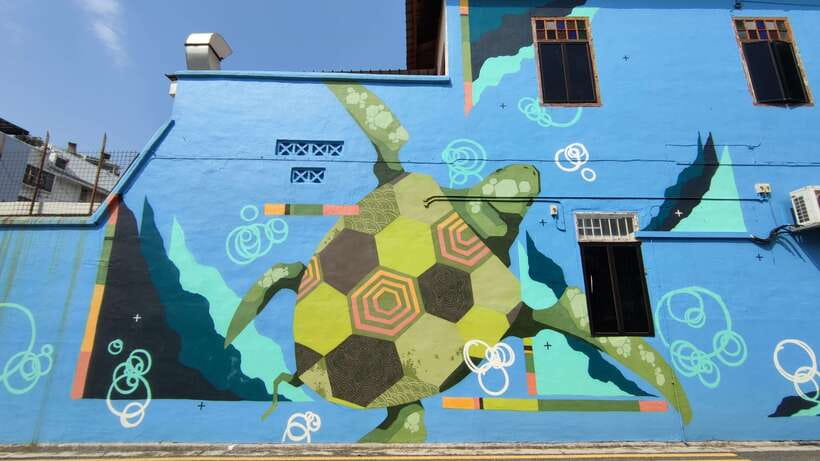
- Katong-Joo Chiat storytelling on the street: including the sea turtle connection and how the area shifted over time
- Kim Choo Kueh Chang food tasting: chewy rice dumplings and other Nyonya snacks paired with tea
- Batik fabrics as a take-home option: useful if you want a Peranakan-style souvenir beyond photos
- Laksa explained as fusion food: a spicy coconut broth linked to Malay-Chinese cultural blending
Katong and Joo Chiat: Where Peranakan identity shows up fast
If you only have one evening in Singapore, this area is a smart choice because Peranakan culture isn’t hidden behind a screen. It’s right in front of you—in the architecture, the textiles, and the way people talk about food like it’s family history.
Katong and Joo Chiat have a reputation for colorful homes and strong community identity, and the tour leans into that. You’ll hear why the Katong sea turtle connection matters and how this neighborhood became a place where wealthy Peranakans lived. Then you’ll also get the post-war shift: it evolved into today’s mix of older shophouses and newer café culture.
What I like about this approach is that it helps you connect the dots. You’re not just looking at pretty buildings; you’re learning why those buildings and traditions formed where they did.
You can also read our reviews of more tours and experiences in Singapore.

Koon Seng Road’s 1920s shophouses: the best photo stop on purpose
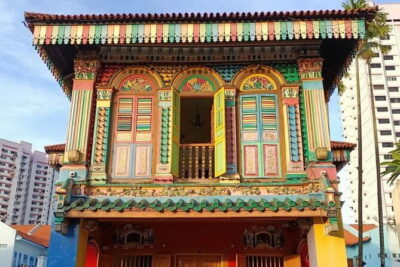
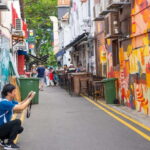
Koon Seng Road is where you’ll get your first real hit of the neighborhood’s personality. The tour starts you off with a guided walk here, and it’s worth paying attention to what the guide points out because these are not generic colorful houses.
These pastel shophouses were built in the 1920s and once housed a diverse community, including Peranakan Chinese families. You’ll hear why the street is known for some of the prettiest houses in Singapore, and why it draws people who want more than a quick glance.
Practical tip: bring a camera you’re comfortable using one-handed while you slow down for photos. The street is photo-friendly, but you’ll still be walking, so don’t wait until the best angle appears to start fiddling with settings.
Inside a private Peranakan museum: textiles you can actually picture
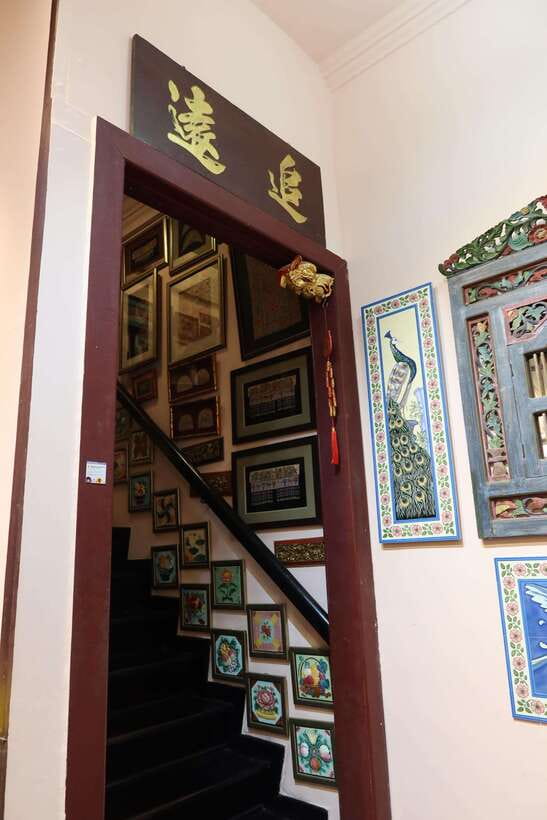
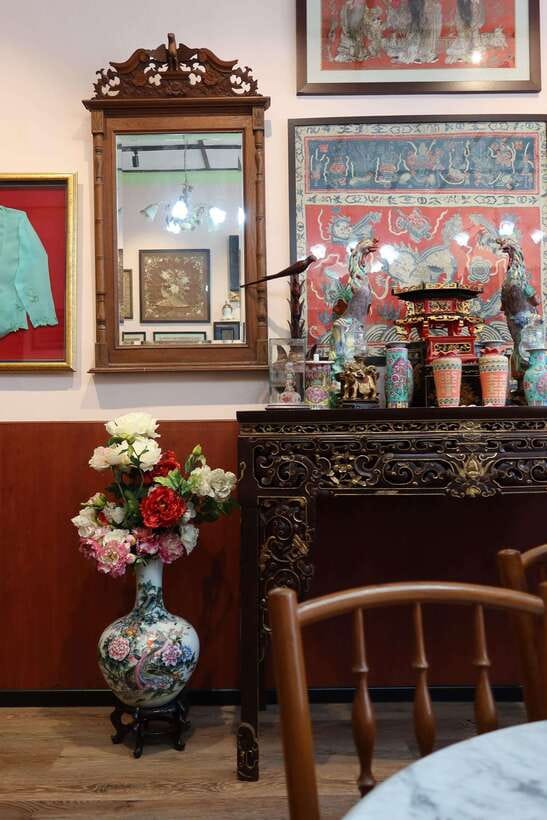
One of the biggest reasons this tour works is the private Peranakan museum stop. You’re not just seeing a sign and moving on—you step into an original home that has been turned into a museum space. That matters because Peranakan culture is heavy on everyday materials and personal styling, not just big monuments.
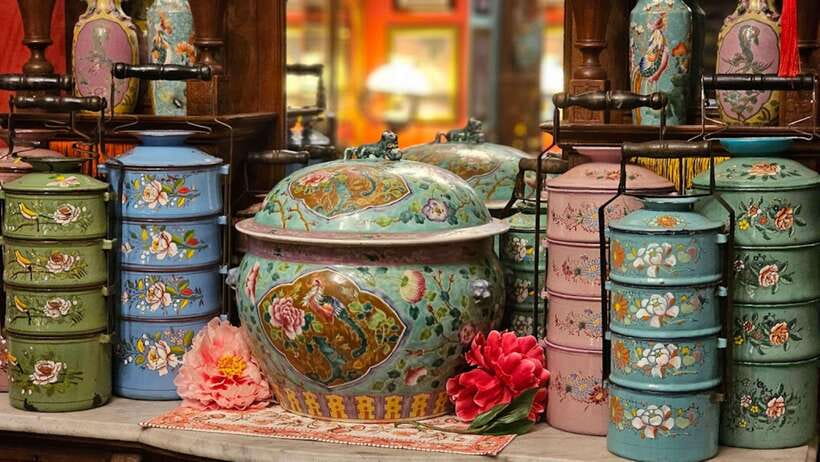
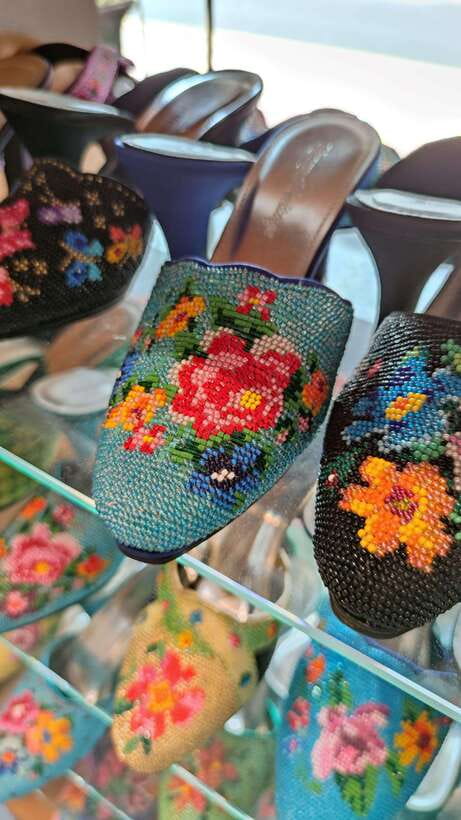
Inside, the focus is on material culture, specifically items you can connect to daily life and social identity. You’ll learn about pieces like kebaya (a key Peranakan blouse style), kerosang (often worn as decorative brooch pieces), and beaded shoes. The tour uses these items to explain how craftsmanship and aesthetic choices showed up in real homes.
This is also where you start understanding how Peranakan culture blends influences. Even without a formal lecture, seeing these objects in context gives your brain something concrete to hold onto later when you try the food or shop for textiles.
If you’re the kind of traveler who likes one good indoor stop after a few outdoor blocks, this one is a strong payoff.
The hidden gem stop: guided context that makes the neighborhood legible
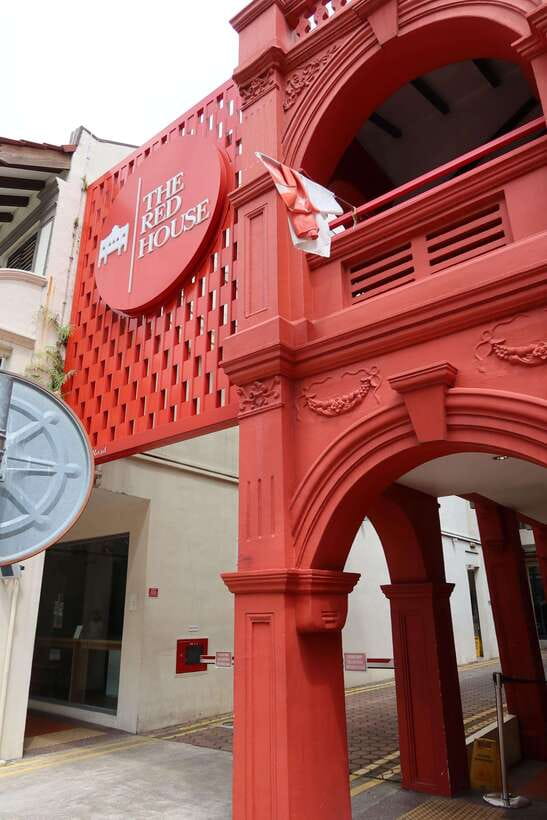
After Koon Seng Road, you continue with a guided visit to what’s described as a hidden gem, and this part is where you get more than a surface-level stroll. You’re moving at a pace that’s meant to help you understand the neighborhood layout and the cultural symbolism connected to the area.
The key value here is explanation. When you walk through Katong and Joo Chiat on your own, it’s easy to treat everything as scenery. A good guide turns those streets into a readable map: where the wealthy Peranakans fit in, how sea-turtle symbolism ties into Katong, and why the area looks the way it does today.
In a perfect world, this stop feels like the cultural backbone of the tour. In the less-perfect scenario, timing issues can cause some detours that pull attention away from the theme. Still, if you arrive ready to listen, you’ll get a much better sense of what you’re seeing.
Walking Katong-Joo Chiat with street-level cultural clues
The heart of this experience is the guided walking through the colorful enclaves of Katong-Joo Chiat. You’ll spend time along Joo Chiat Road and learn how this neighborhood became associated with both prosperity and strong Peranakan presence.
You’ll also hear about the post-war evolution: how the area shifted into a place known today for hipster cafés, historical shophouses, and an ongoing mix of old and new. That’s an important lesson if you’re trying to understand Singapore’s neighborhoods as living places instead of preserved museums.
Here’s how to make this walk work for you:
- Look up at the façade details as much as you look forward at the next corner.
- When the guide mentions a cultural symbol (like the sea turtle link), try to spot where such references show up in the neighborhood’s identity.
- Keep your camera ready, but don’t rush the explanation. The meaning often comes before the shot.

Kim Choo Kueh Chang: chewy rice dumplings and tea that ties it together
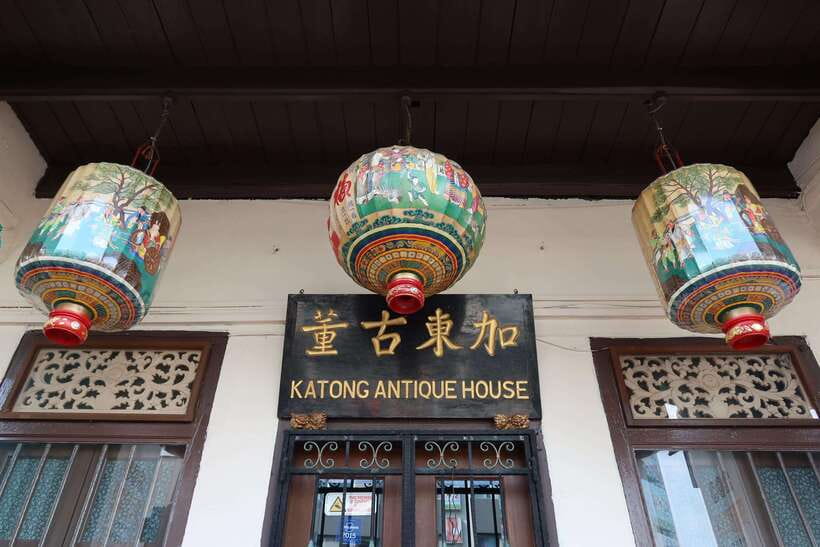
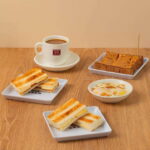
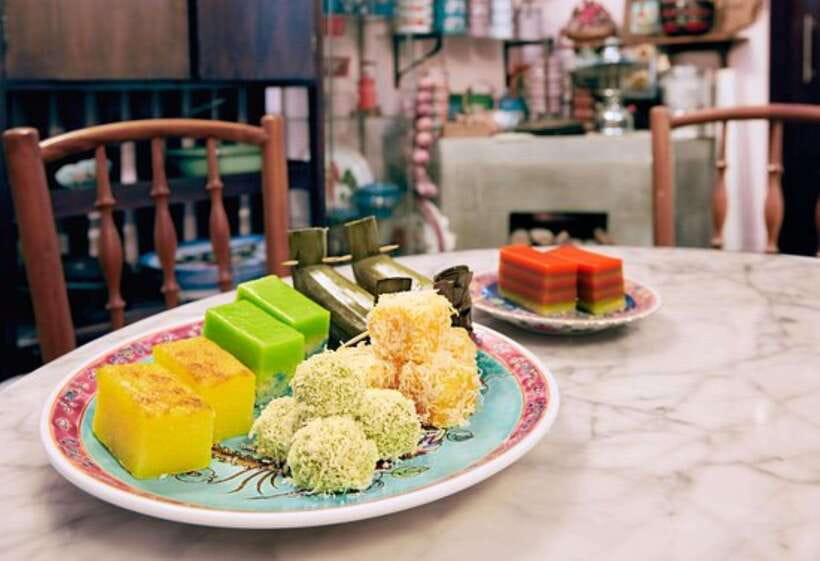
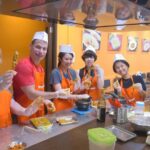
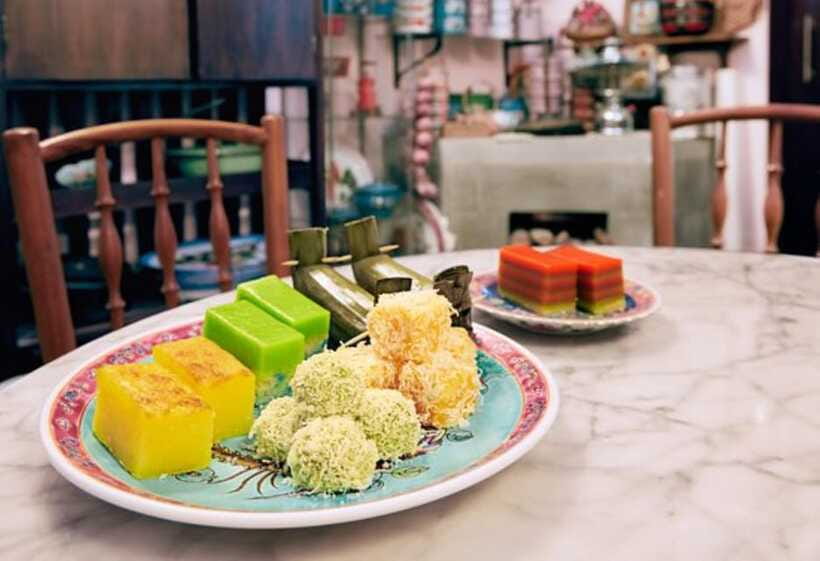
Food stops can be either fun or disappointing, so I like that this one is anchored at a well-known Peranakan food spot. At the Singapore Visitor Centre @Kim Choo Kueh Chang, you’ll have a tasting session that pairs snacks with Peranakan-style tea.
You’ll be introduced to Nyonya snacks here, and one highlight is the chewy rice dumplings (kueh chang). Since 1945, this establishment has been serving those dumplings, which gives the tasting more weight than a random bite-and-run stop.
In addition to the dumplings, you’ll sample other Nyonya snacks during the tea session. In an ideal version of the tour experience, the food stop feels like a true cultural moment: you taste, you listen, you connect the flavors to what you learned earlier about Peranakan identity.
One caution from a recent negative experience: the food stop can feel light if you expected a bigger spread. So go in knowing it’s a tasting, not a full meal.
Batik and laksa: souvenirs and stories that explain fusion
This tour doesn’t only focus on what you eat. It also gives you options for what you can take home and how to understand what you’re seeing on the street.
You may be able to check out batik fabrics, which can be a practical souvenir if you want something beyond postcards and magnets. Even if you don’t buy, it helps to see how pattern and craft are part of the broader cultural picture.
Then there’s laksa, introduced as a spicy coconut broth that represents Malay-Chinese fusion through the Peranakans. The point isn’t just that laksa is tasty—it’s that food becomes a way cultures mix and then redefine themselves over time.
If you’re a food-focused traveler, this piece is useful because it turns a dish you might otherwise treat as just another menu item into a cultural clue.
Price and value: what $113 gets you in 150 minutes
At $113 per person for a 150-minute tour, you’re paying for a package: guided walking, entry to a private museum, and a structured tea-and-snack tasting. The value depends on what you want most—some people are happy when a tour adds context, not just sights.
Here’s what’s clearly included:
- Guided tour through Katong and Joo Chiat Road
- Entry to a private Peranakan museum
- A Peranakan-theme tea session with sampling of Nyonya snacks
What’s not included: hotel pickup and drop-off, so you’re responsible for getting yourself to the start area and back from the finish point.
So, is it worth it? For me, it’s a good value if you want the indoor museum stop plus food context. If your main goal is only exterior photos and you can already follow a neighborhood map, you might question whether the cost matches your preferences—especially if you’re sensitive to pacing.
Guide quality and the audio headset: why the experience can swing
This tour is led by a live guide in English, and in one recent experience the guide was described as talkative and helpful, with an audio earpiece that improved clarity while walking. That’s not a small detail. In a neighborhood with lots of street noise, good audio helps you catch the meaning behind the architecture and object displays.
But guide quality can affect how satisfying the time feels. One negative experience described slow pacing and an off-theme shop stop that made the tour feel less aligned with what was paid for. That doesn’t mean it happens every time, but it’s a reminder to trust your own priorities:
- If you care most about Peranakan culture and design details, ask the guide to keep the focus on traditional stops.
- If you’re less interested in museum/object explanations, you may find the pacing heavier than you expect.
If you’re the kind of traveler who likes structure, this tour can work great. If you hate detours, set that expectation early.
Getting started: meeting point, walking comfort, and the route end
This is a walking-focused experience, and comfort matters. You’ll meet outside Cold Storage, and the tour starts at 291 Joo Chiat Rd. You’ll finish at i12 Katong.
So you’ll want comfortable shoes, plus sun protection. The tour notes recommend:
- Comfortable walking shoes
- Hat
- Camera
- Sunscreen
- Water
Also, plan for it not being wheelchair-friendly. It’s listed as not suitable for wheelchair users, so choose another format if mobility is a concern.
A small strategy that pays off: pack your water where you can reach it without stopping the group. It’s much easier to stay comfortable if you don’t fumble at each pause.
Who this Peranakan culture tour fits best
This is a strong fit if you want:
- Guided context for Katong and Joo Chiat beyond street photos
- A museum experience that focuses on real Peranakan objects like kebaya and kerosang
- A tasting that links food to culture, not just a quick bite
It also suits all ages, so families often find the museum stop plus snacks easier to manage than a long history-only lecture.
If you’re a solo traveler, you’ll still get a coherent storyline because the guide is doing the connecting. If you’re a couple or group of friends, you’ll likely enjoy the photo moments at Koon Seng Road and the textile visuals inside the museum.
Should you book this Katong–Joo Chiat Peranakan tour?
Book it if you want a mix of Peranakan design, a private museum visit, and a tea-and-snack tasting in one guided format. The $113 price makes the most sense when you value context and craftsmanship, not just exteriors.
Skip it or choose carefully if:
- You’re very picky about strict theme alignment
- You expect a big food spread rather than a tasting
- You dislike slower pacing or detours that don’t match the cultural focus
If you go in with those expectations and you’re ready to walk, you’ll leave with a much clearer sense of why Peranakan culture shows up the way it does in Singapore’s streets—and you’ll have something delicious to remember it by.
FAQ
How long is the Peranakan Culture, Cuisine & Hidden Treasures tour?
The tour duration is 150 minutes.
Where do I meet the tour?
You meet outside Cold Storage.
Where does the tour start and end?
It starts at 291 Joo Chiat Rd and finishes at i12 Katong.
What’s included in the price?
Included are the guided tour of Katong/Joo Chiat Road, entry to a private Peranakan museum, and a Peranakan-theme tea session with sampling of Nyonya snacks.
Is hotel pickup or drop-off included?
No, hotel pickup and drop-off are not included.
What food will I try?
You’ll have a food tasting at Kim Choo Kueh Chang with sampling of Nyonya snacks, including chewy rice dumplings. You’ll also have the Peranakan-theme tea session with snack sampling.
What language is the tour guide?
The tour guide speaks English.
Is this tour suitable for wheelchair users?
No, it is listed as not suitable for wheelchair users.
What should I bring?
Bring comfortable shoes, a hat, a camera, sunscreen, and water.