REVIEW · 2-DAY EXPERIENCES
Private 2-day tour: Thailand, Malaysia & Indonesia (3 countries) from Singapore
Book on Viator →Operated by JE Travel · Bookable on Viator
Three countries in two days.
This fully guided private sprint from Singapore mixes big-name sights with lesser-known stops, and you get a guaranteed Petronas Twin Towers Skybridge plus an 8-hour break at a 5-star Pullman hotel. I like that the itinerary is built around efficient travel (ferry, flights, and private minivan) so you’re not just ticking boxes, you’re seeing distinct places fast.
The best part is the human factor: the licensed guide team, including guides like Edison, brings clear explanations and smooth handling of the long day. One drawback to plan for is the pace; on some days, the second-day start can be very early (I’d treat it as a possibility), which can feel overwhelming if you prefer slower mornings.
In This Review
- Key things to know before you go
- A 2-day tri-country itinerary that actually feels efficient
- Day 1 from HarbourFront to Batam: temples, city sights, and kueh lapis
- Pura Agung Amerta Buana: Balinese-style Hindu temple details
- Maha Vihara Duta Maitreya: Lucky Hill and a gold Maitreya
- Batam Center: skyline views and the Grand Mosque
- Garuda Park, layer cakes, and a Tanjak Mosque photostop
- The practical takeaway from Day 1
- The Batam to Kuala Lumpur flight: a quick reset before Kuala Lumpur hits
- Batu Caves and the Malaysia landmarks you can actually place on a map
- Batu Caves: 400 million-year limestone and a Murugan statue
- Istana Negara and Merdeka Square: power and independence in public space
- Petronas Twin Towers skybridge: what you should expect from the ticketed time
- Din Tai Fung dinner and the 8-hour Pullman pause that keeps the trip human
- Day 2 in Thailand’s Betong: tunnels, a 1000-year tree, and big misty views
- Piyamit Communist Hideout Tunnels: small rooms, heavy context
- Piyamit Millennium Tree
- Aiyerweng Skywalk: a 61-meter walk above mist at 600 meters
- Betong mailbox and Wat Phuttha Thiwat: markers plus panoramic views
- The Thai oil massage and Penang Clan Jetties: the end of the day’s story
- Price and value: why this isn’t a cheap “sightseeing run”
- Logistics that matter: early starts, document accuracy, and passport rules
- Who should book this tour (and who should skip it)
- Should you book Private 2-day Thailand, Malaysia & Indonesia from Singapore?
- FAQ
- FAQ
- What is the start time for pickup in Singapore?
- How do you travel from Singapore to Indonesia on Day 1?
- Are Petronas Twin Towers tickets included, and do I get the Skybridge?
- Where do you stay overnight, and for how long?
- What’s included for meals during the tour?
- Is the Thai massage included on Day 2?
- Is border paperwork and visa handling included?
Key things to know before you go
- Private guide + driver for the heavy lifting on a long cross-border route, so you’re not decoding logistics yourself.
- Guaranteed Skybridge at Petronas (41st–42nd floors) plus the observation deck on the 86th floor.
- Weather can affect the exact start time on Day 2, especially if you want the clearest skywalk conditions.
- You’ll earn your views: Day 2 combines Piyamit Communist Hideout Tunnels, Wat Phuttha Thiwat, a long skywalk, and a full evening flight back.
- Real cultural stops, not only landmarks: Balinese-style Hindu architecture in Batam, plus Penang’s clan jetties over water.
A 2-day tri-country itinerary that actually feels efficient
If you’re the type who loves travel photos but also hates wasting time in transit, this one is built for you. The route is fast: Singapore → Batam (Indonesia) by high-speed ferry, then Indonesia → Kuala Lumpur (Malaysia) by flight, and finally Malaysia → Thailand (Betong) by chauffeur drive, ending with Penang → Singapore at night.
What makes it work is the “handoff” system. You’re met, processed through border paperwork with help, then moved by private vehicle for local sightseeing. It’s not “free roaming,” and that’s the point: the schedule is tight, so the support matters.
The real value is that you’re not paying for just one country’s sightseeing. You’re paying for transportation between three countries, admissions to major highlights, meals, and a hotel block that gives you enough reset time to enjoy the next day.
You can also read our reviews of more private tours in Singapore

Day 1 from HarbourFront to Batam: temples, city sights, and kueh lapis
You start early with a pickup in Singapore and a transfer to HarbourFront Centre Ferry Terminal. From there, you take a 1-hour high-speed public ferry to Batam, crossing the Singapore/Indonesia border in air-conditioned comfort. On the way, you get a complimentary packed breakfast box, plus commentary from a licensed guide along the Straits of Singapore.
Pura Agung Amerta Buana: Balinese-style Hindu temple details
In Batam, you clear customs with your guide, then head by car to Pura Agung Amerta Buana. This Hindu temple (established in 1999) mixes classical and modern Balinese architecture, which is a fun contrast to what most people expect from Indonesia. Inside, the big draw is the 18-meter Padmasana, a lotus-like pagoda shrine dedicated to the supreme god. Even if you don’t consider yourself a temple person, it’s one of those places where architecture does the talking.
Maha Vihara Duta Maitreya: Lucky Hill and a gold Maitreya
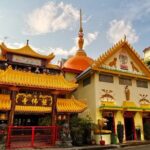
Next you visit Maha Vihara Duta Maitreya Temple, described as the largest Chinese temple in Indonesia. It sits on Lucky Hill, and the standout is the gold-plated Maitreya, a 5-meter standing figure representing the future Buddha. This stop is short but memorable because it’s visually clear and easy to understand on-site.
Batam Center: skyline views and the Grand Mosque
At Batam Center, you get views like the Welcome to Batam monument and the Grand Mosque of Batam. The mosque’s scale is impressive: it can accommodate 3,500 in the main prayer hall and up to 15,000 overall, with a 66-meter minaret. You’re not going here for a long worship visit—think “see it, appreciate it, move on.”



Garuda Park, layer cakes, and a Tanjak Mosque photostop
You also get quick cultural “flavor stops” that break up the driving:
- A short bakery stop for kueh lapis, the famous Indonesian layer cakes. You can sample and take home the traditional cake.
- Garuda Park (Taman Rajawali) near the airport. It’s built around a Garuda monument, representing virtues like knowledge and bravery.
- A vantage view of the Tanjak Mosque, noted for its 45-meter minaret and modern exterior panels.
The practical takeaway from Day 1
Day 1 is a controlled mix of “big architecture” and “quick stops.” If you want maximum time in one place, this won’t suit you. If you want a sense of place across borders in a single day, it hits that goal.
The Batam to Kuala Lumpur flight: a quick reset before Kuala Lumpur hits
After the Batam sightseeing block, you head to Hang Nadim International Airport for a 1-hour Airbus ATR flight to Kuala Lumpur. Once you land, you clear immigration and continue in a private air-conditioned vehicle for Kuala Lumpur highlights.
This is where the tour becomes a classic “greatest hits” city day—Batu Caves, royal and independence sites, then the Petronas complex.
Batu Caves and the Malaysia landmarks you can actually place on a map
Batu Caves: 400 million-year limestone and a Murugan statue
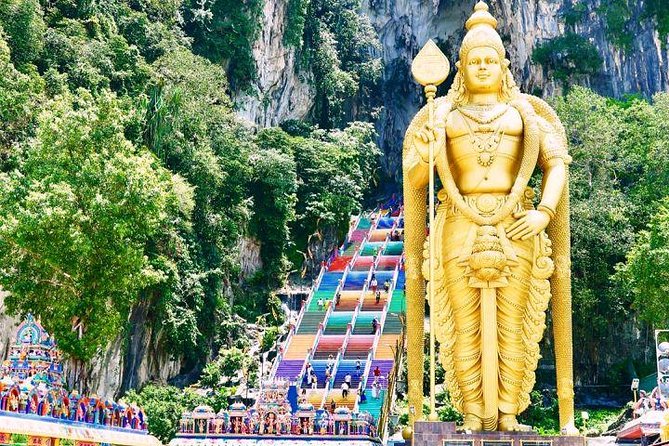
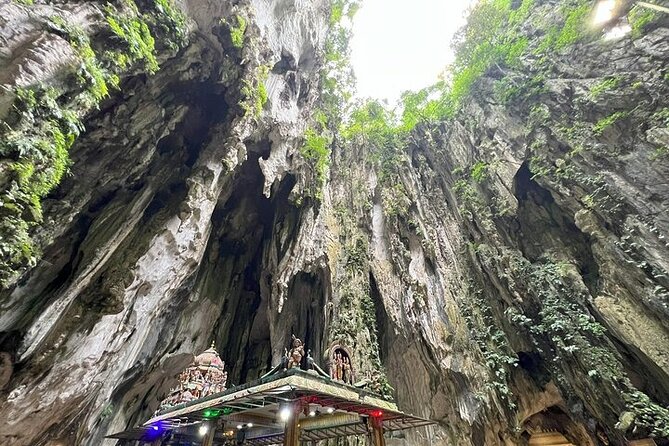
Batu Caves is one of those stops where it helps to know what you’re seeing. The cave limestone is said to be around 400 million years old, and the site is a Hindu temple dedicated to Lord Murugan, founded in 1891 by an Indian trader, K. Thamboosamy Pillai. The bright focal point for many visitors is the 42.7-meter gold-painted Lord Murugan statue, unveiled in 2006.
It’s a fast visit, so focus on what your eyes catch first: the limestone setting, then the main statue area.
Istana Negara and Merdeka Square: power and independence in public space
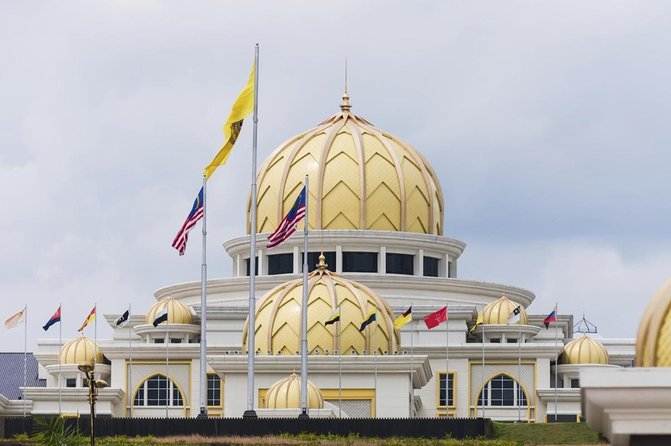
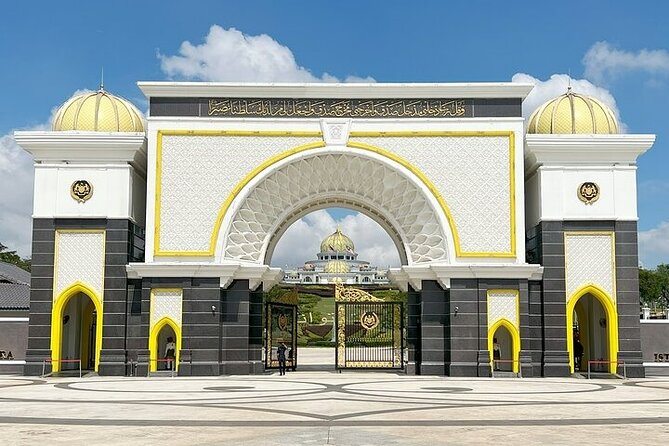
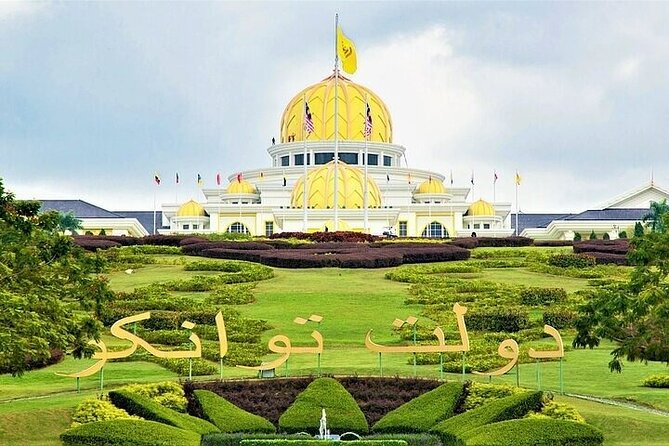
From Batu Caves, you drive to Istana Negara (National Palace). The tour doesn’t center on a long interior tour; instead, it gives you the context of the palace complex, including that it covers 97.65 hectares and includes 22 domes split across formal, royal, and administration components.
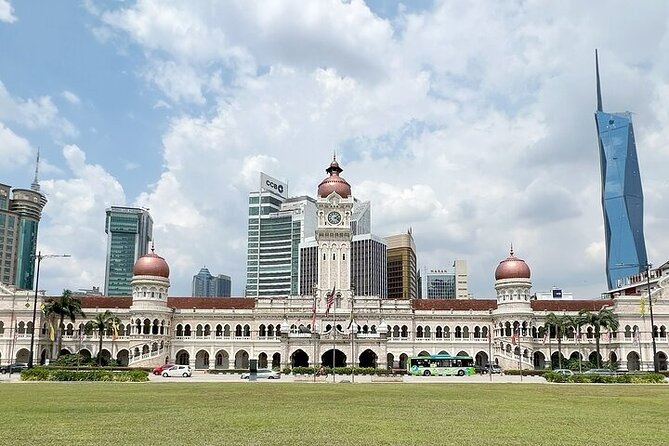
Next comes Independence Square (Dataran Merdeka), tied to Malaysia’s independence moment in 1957. You also get vantage views of key colonial-era and landmark architecture like Sultan Abdul Samad building, the Royal Selangor Club, and the Dayabumi Complex. Even on a short schedule, it helps to have someone explain what each building represented—rule, identity, and modernity.
Petronas Twin Towers skybridge: what you should expect from the ticketed time
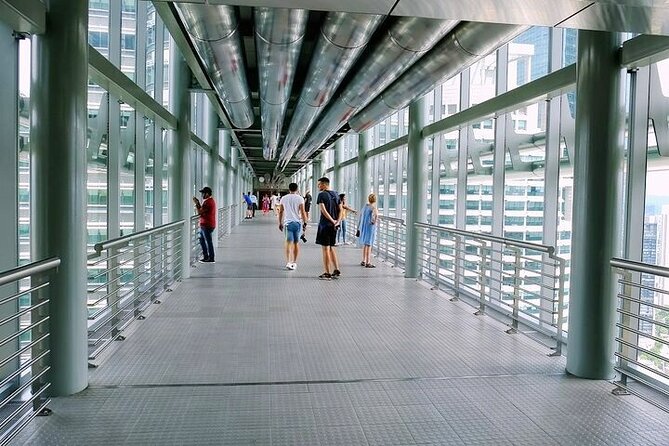
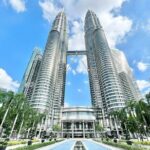
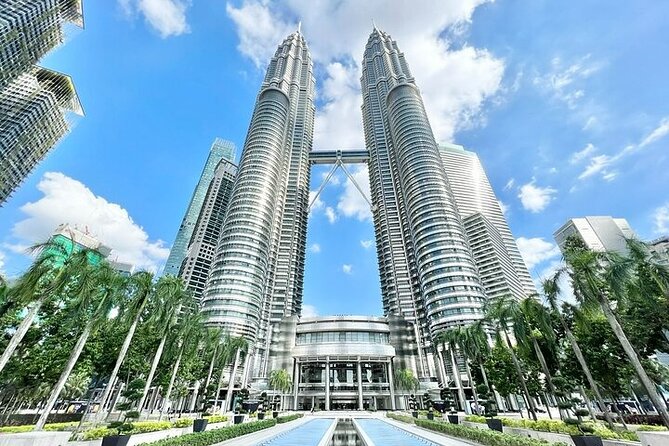
The headline moment is Petronas Twin Towers with a visit to the Skybridge on the 41st floor (paired with the 42nd floor) and the observation deck on level 86. You get 45 minutes total admission time, so you’ll want to treat it like a focused photo mission.
Here’s how to make it painless:
- Bring a phone with enough battery and storage (you’ll shoot more than you plan).
- Wear something comfortable for stairs and crowd movement.
- Don’t expect a long sit-down view. This is a timed, high-demand experience.
If you’re deciding between tours, this is the part that makes it “worth paying for.” A guaranteed Skybridge visit turns the whole trip from flexible sightseeing into a reliable bucket-list win.
Din Tai Fung dinner and the 8-hour Pullman pause that keeps the trip human
Dinner is at Din Tai Fung at Suria KLCC, with a note of No Pork No Lard. It’s a good choice on a day this busy because the menu is familiar and service is built for crowds.
Then you move to the Pullman Hotel for 8 hours overnight (Deluxe Room). That matters because Day 2 is long and includes a skywalk with early timing. There’s also time to use the pool if you want to reset your body before the next leg.
This overnight block is where you get value for your time. Without it, a two-day tri-country idea starts feeling like punishment.
Day 2 in Thailand’s Betong: tunnels, a 1000-year tree, and big misty views
Day 2 starts with a pickup from the hotel, with staff checking documents before heading out. You’ll chauffeur for about 5 hours toward Betong, described as Thailand’s southern-most district. Your guide escorts you through immigration with border paperwork settled for you.
Piyamit Communist Hideout Tunnels: small rooms, heavy context
Your first major stop is the Piyamit Communist Hideout Tunnels. The tunnels were used to hide from airstrikes and store supplies for members of the (now-defunct) Communist Party of Malaya. They were dug into a hill by 40–50 people in just three months during 1976.
The network stretches about 1,000 meters and could accommodate 200 insurgents. Today you see reduced access points—six entrances instead of the nine in the past—with rooms for radio communications, storage, and sleeping quarters. It’s one of those places where the “tour” part feels less like entertainment and more like learning in a contained space.
Piyamit Millennium Tree
Near the tunnels you stop at a 1000-year-old tree. It’s brief, but it adds a softer counterpoint after the tunnel’s seriousness.
Aiyerweng Skywalk: a 61-meter walk above mist at 600 meters
Then you go to the Aiyerweng Skywalk. It’s described as the longest skywalk in Southeast Asia, reaching 61 meters over a forested valley. The altitude is 600 meters, and the view is often through mist.
This is also the stop where early timing can matter. The schedule can shift if weather is expected, and that’s not a small detail. If your goal is the clearest view possible, you’ll appreciate the guide’s plan to beat rough weather conditions.
Betong mailbox and Wat Phuttha Thiwat: markers plus panoramic views
After the skywalk, you visit the largest mailbox in Thailand in the Betong City area, a 9-meter tall structure originally built in 1924 as a communications centre. It’s a quick photo stop, but it’s also a reminder that the area has its own sense of quirky pride.
Next is Wat Phuttha Thiwat, on a small hill with views over town and a 40-meter bronze Buddha. Statues of Buddha appear throughout Thailand, but here the scale makes it a focal point even in a short visit.
You also pass the Betong Clock Tower (marble, 60 feet tall, with an orientation role for first-time visitors) and see the Betong Mongkollit Tunnel, a 268-meter road tunnel described as the first and largest of its kind in Thailand.
The Thai oil massage and Penang Clan Jetties: the end of the day’s story
Right after the tunnel and city stops comes a 1-hour traditional Thai oil massage at a licensed massage centre. This is a smart inclusion in a day like this. When you walk and travel nonstop, your body needs a reset, and oil massage is one way to keep you from feeling wrecked before the flight.
Then you head back west toward Penang. About 2 hours from the Malaysia–Thailand border, you stop for a photo moment and a brief dinner at the Clan Jetties of Penang. These are stilt villages over water, built around the lives of Chinese clans. In the 19th century, many immigrants arrived for work and formed clan communities for support in a new environment.
It’s a great final stop because the atmosphere is different from the roadside landmarks of Betong. You get a sense of how people built community with the sea right under their feet.
Finally, you reach Penang International Airport at night and fly 1 hour on an Airbus A320 to the Singapore border. Depending on traffic, you can arrive around midnight and get a free hotel drop-off.
Price and value: why this isn’t a cheap “sightseeing run”
The price is listed at $3,183.15 per person, which feels steep until you map what you’re actually buying. You’re paying for:
- Private transportation across three countries (minivan with tolls, parking, gas)
- High-speed ferry from Singapore to Indonesia
- Air flights (Indonesia to Malaysia, then Malaysia to Singapore border)
- A 5-star Pullman overnight block (8 hours)
- Admissions to multiple major attractions, including Petronas Skybridge + observation deck
- A full set of meals (packed breakfast box, daily lunch, and dinners)
- Help with border paperwork and visa handling, where required
- A licensed guide plus a separate driver (2 staff) to manage the long day
If you were to buy these separately—especially the Skybridge access, hotel night, and cross-border transportation—you’d likely spend comparable money. The trade-off is that you’re committing to a fixed schedule and early starts. This tour rewards people who want maximum variety with strong support.
One thing not included: alcoholic beverages. If you’re a drink-with-dinner person, budget for that.
Logistics that matter: early starts, document accuracy, and passport rules
This trip is run on paperwork and timing. Here are the biggest “don’t mess around” items.
First: passport details must match exactly. You’ll need full names, passport number, and date of birth. If a correction is required and doesn’t match what’s submitted, the border process may require amendment fees.
Second: your passport needs at least 6 months validity on travel day.
Third: early starts can show up on Day 2. Even if the usual start is not that early, weather planning can shift timing. If you’re bringing kids or anyone who hates disrupted sleep, think hard about whether you want a high-pressure schedule.
Finally: the booking is described as non-refundable. That’s not the place to experiment with last-minute changes.
Who should book this tour (and who should skip it)
This experience is best for you if you want:
- Big highlights fast: Petronas Skybridge, Batu Caves, Aiyerweng Skywalk
- Cross-country context: you’ll see how the region looks through multiple cultural and architectural lenses
- Strong guidance and handling of border paperwork
- A mix of “serious” and “light” stops (tunnels, temples, then massage and water-side Penang)
I’d skip it if you:
- Want slow travel, lots of free time, or fewer moving parts
- Get grumpy without a normal sleep schedule
- Don’t enjoy timed attractions and crowd-adjacent sights
A nice bonus from the guide experience shared in feedback is that guides can be attentive to special needs when the team is informed ahead of time. If that’s your situation, tell your provider early.
Should you book Private 2-day Thailand, Malaysia & Indonesia from Singapore?
Book it if you’re chasing variety with a support team and you’re excited by the headline “rare access” moments—especially the Petronas Skybridge and the long skywalk in Thailand. It’s also a good choice for people who don’t want to plan flights, border steps, and admissions across three countries.
Skip it if your ideal vacation is calm and flexible. This trip is efficient, but it’s still a full-on sprint. If you can handle early timing and you like a guided plan, it’s a strong value for what you’re packing into two days.
FAQ
FAQ
What is the start time for pickup in Singapore?
The start time is 7:00 am, with pickup from your Singapore hotel before heading to HarbourFront Centre Ferry Terminal.
How do you travel from Singapore to Indonesia on Day 1?
You take a high-speed public ferry from Singapore to Batam (about 1 hour).
Are Petronas Twin Towers tickets included, and do I get the Skybridge?
Yes. The tour includes admission tickets to Petronas Twin Towers, including the Skybridge (levels 41 and 42) and the observation deck at level 86.
Where do you stay overnight, and for how long?
You stay for 8 hours at a 5-star Pullman Hotel (Deluxe Room).
What’s included for meals during the tour?
The tour includes a daily packed breakfast box, daily lunch, and dinner(s) as part of the schedule.
Is the Thai massage included on Day 2?
Yes. You get a 1-hour traditional Thai oil massage at a licensed massage centre.
Is border paperwork and visa handling included?
Yes, the tour includes all border paperwork and visa fees if required, and you’ll have staff support for immigration steps. For some nationalities, prior travel authorization may be required.