REVIEW · CHINATOWN, LITTLE INDIA & KAMPONG GLAM WALKING TOURS
Guided Walking Tour to the Historical Attractions in Farrer Park
Book on Viator →Operated by On-A-Roll-Tours · Bookable on Viator
Farrer Park tells a Singapore story few people get. This walking tour threads century-old temples, restored heritage architecture on Petain Road, and wartime memories into one smooth 2.5-hour route, plus a stop at an active daytime red light area. I especially love how the guide connects street names to real events, and how the pace is built for noticing details you’d otherwise miss. One consideration: the route includes a look at the local red light zone in Flanders Square, which may feel awkward for some folks.
The tour is led by a licensed English-speaking guide (and I’ve heard great things about guide Ping’s warm style and strong historical grounding). You’ll start at lyf Farrer Park Singapore and end right back there, so you don’t have to think about transport after the walk. With a small group size (max 15) and a mobile ticket, it’s also easy to ask questions and stay oriented.
In This Review
- Key things that make this Farrer Park walk work
- Why Farrer Park is the perfect “Singapore story” neighborhood
- Getting oriented: Race Course Road and the 1843 to 1933 arc
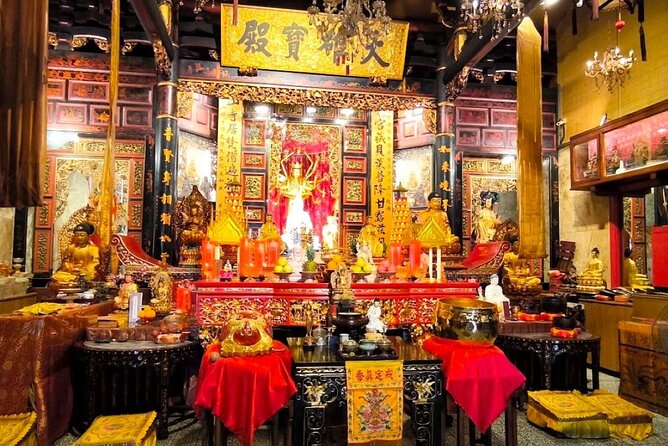
- Inside Sakya Muni Buddha Gaya Temple: a reclining Buddha in a secret chamber
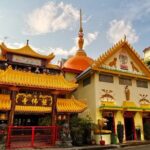
- Leong San See Temple and the Taoism/ancestral worship thread
- Hindu temples and colour: Sri Vadapathira Kaliamman Temple
- Balestier Road names, America’s link, and food you can actually hunt down
- Flanders Square: learning about an active daytime red light area
- Petain Road heritage shophouses: architecture plus the Peranakan connection
- Tyrwhitt Road energy at Chye Seng Huat Hardware (and a Chinese Renaissance church)
- WWII memory at Jalan Besar Stadium and education history at People’s Association
- Kitchener Road: where local eateries and a Charlie Chaplin–linked amusement park story meet
- Price and value: $31.38 for 2.5 hours of guided storytelling
- Who should book this Farrer Park historical walk
- Should you book this walking tour?
- FAQ
- FAQ
- How long is the guided walking tour?
- What is the price per person?
- What time does the tour start, and where does it meet?
- Is the tour guided by an English-speaking guide?
- How big is the group?
- Do I need to buy admission tickets for the stops?
- What kind of ticket do I get?
- How many places are covered in the route?
Key things that make this Farrer Park walk work
- Tight, story-led route across racecourse history, temples, schools, and WWII sites
- Temple interiors and symbolism, including a reclining Buddha in a secret chamber
- Heritage shophouses on Petain Road, framed through the Peranakan community
- An active red light area stop (daytime) at Flanders Square, with context rather than sensationalism
- Real food + local hangouts, including a coffee shop stop for fried Hokkien prawn noodles
Why Farrer Park is the perfect “Singapore story” neighborhood
Farrer Park isn’t the postcard center of Singapore. That’s the point. On this walk, you get the feel of a working neighborhood where multiple communities have lived side by side for generations, and where newer street life sits right next to older landmarks.
What I like is that the tour doesn’t treat the past like a museum exhibit. Instead, it shows how history still shapes what you see today: street names, places of worship, school grounds, and even the kinds of food people line up for.
And because the route avoids the usual major attractions, you’ll leave with that rare mix of wonder and street-level understanding. You’ll also get the kind of context that makes Singapore feel less like a set of separate sights and more like one connected story.
You can also read our reviews of more walking tours in Singapore


Getting oriented: Race Course Road and the 1843 to 1933 arc
The tour begins with Race Course Road, and it quickly reframes this area from “just another neighborhood” into a place with a long timeline. You’ll hear how a horse racing track existed here from 1843 to 1933, and how the space later became a sporting field known as Farrer Park.
This is a smart way to start, because it trains your eyes right away. When you later see the other landmarks—temples, churches, stadium history—it’s easier to understand them as layers stacked over time, not isolated buildings.
A small caution: the tour is packed with short stops. The vibe is more “guided walk with snapshots” than “sit down and read.” If you like slow pacing, you’ll still enjoy it, but set your expectation that you’ll be moving most of the time.
Inside Sakya Muni Buddha Gaya Temple: a reclining Buddha in a secret chamber
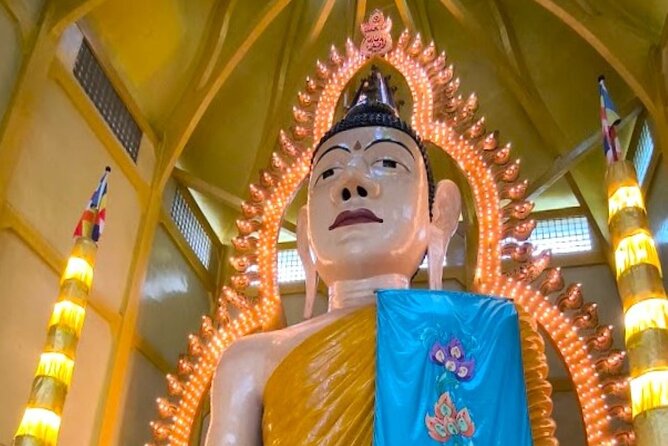
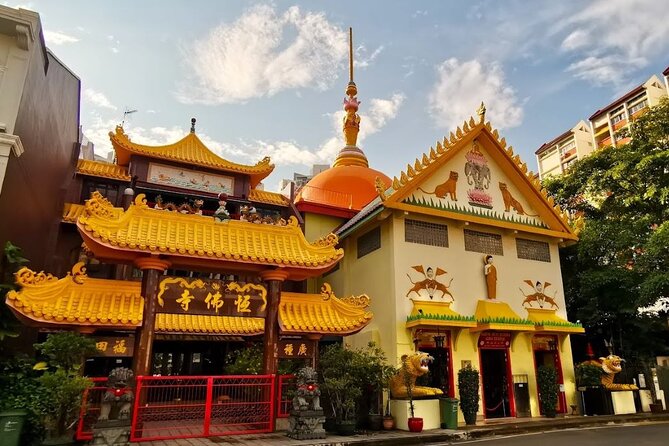
One of the most memorable moments is the visit to Sakya Muni Buddha Gaya Temple. You don’t just look from the outside. The tour brings you into a secret chamber that houses a reclining Buddha.
Even if you’re familiar with Buddhist iconography, this stop works because it’s tied to storytelling. You’re shown sculptures that tell the story of Buddha’s life, which makes the details feel purposeful instead of decorative.
The practical takeaway? This is the kind of place where being quiet and observant pays off. It’s also a nice contrast to the street scenes outside. You go from active neighborhood sounds to a calmer, more reflective pocket of the walk—then back out again.
Leong San See Temple and the Taoism/ancestral worship thread
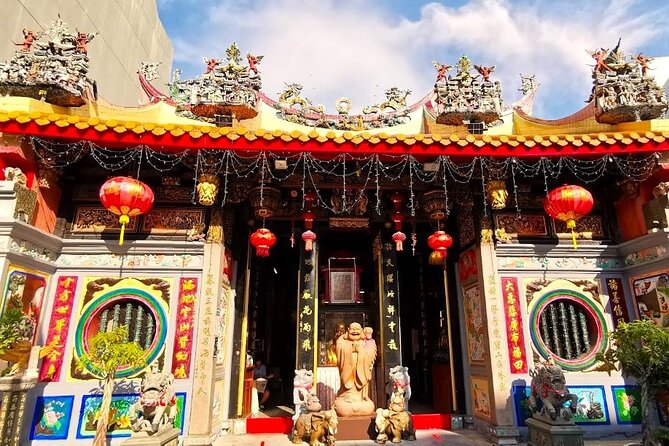
Next up is Leong San See Temple, where the guide focuses on ornate architecture and the traditions tied to Taoism and ancestral worship.
I like this stop because it adds nuance. Singapore’s religious landmarks can sometimes feel like “different stops” on an itinerary. Here, you get the sense of how belief systems express themselves through design, carvings, and the way worship practices are passed along.
A consideration: places like this require patience. The best experience comes from slowing your attention a little—look, listen, then ask questions when something catches your eye.
Hindu temples and colour: Sri Vadapathira Kaliamman Temple
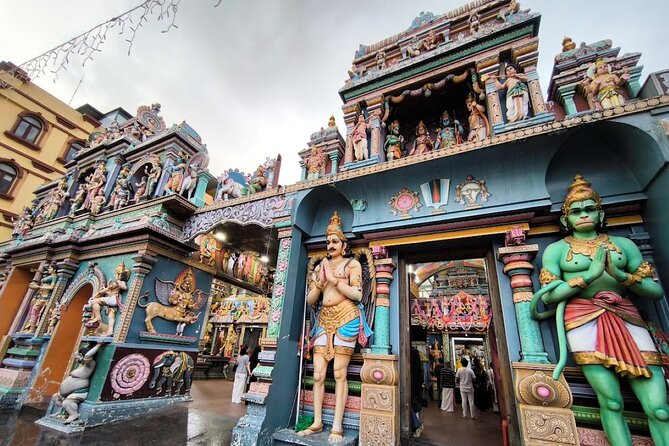
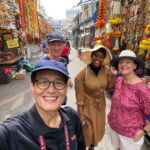
Sri Vadapathira Kaliamman Temple brings a different look and mood, with colourful Hindu gods and a temple dating to around 1870.
This stop is useful if you want your cultural understanding to be grounded in local continuity, not just architecture appreciation. You’ll hear the kinds of stories people associate with the gods featured here, which helps the temple feel alive rather than purely historical.
If you’re sensitive to loud or busy streets, you might enjoy mentally switching gears here. The contrast between temple colour and the surrounding neighborhood energy is a big part of why the walk feels like more than a checklist.
You can also read our reviews of more guided tours in Singapore
Balestier Road names, America’s link, and food you can actually hunt down
Balestier is where the tour starts to feel very Singapore-an. The guide tells you how Balestier Road got its name, including its link to America, then pulls you toward why this area became a food haven.
What you get from this isn’t just trivia. It’s a sense of how communities and commerce shape where people eat—and how those patterns become part of the local identity.
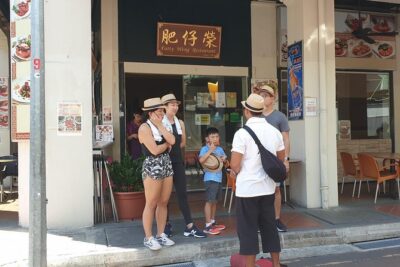
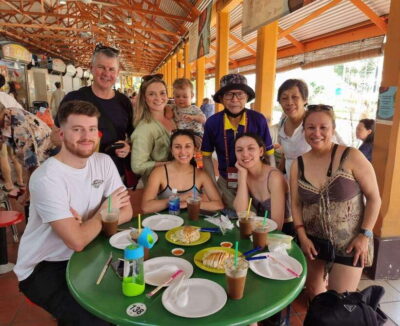
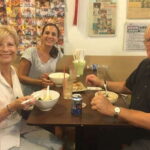
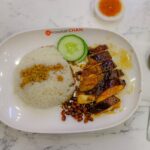
Then comes the Serangoon break at a local coffee shop. You’ll be directed to one of the best fried Hokkien prawn noodles in Singapore, served in a place that feels built for regulars, not tourists.
Practical advice: wear shoes you can keep on for a while. This is a walking tour with eating stitched into the route, so you’ll want comfort more than fashion.
Flanders Square: learning about an active daytime red light area
One of the boldest parts of the tour is Flanders Square, described as an unusual red light area that is active in the day and shuts at night.
The value here is context. The guide explains what’s going on and why the area has that daytime rhythm. You’re not asked to stare. You’re asked to understand how urban life works when you have everything from houses of worship to nightlife all within walking distance.
This is also the clearest “consideration” for the whole tour. If the topic of legalised prostitution is uncomfortable for you, you may want to skip this experience or at least brace yourself emotionally. The way the stop is handled matters, but the theme itself is not for everyone.
Petain Road heritage shophouses: architecture plus the Peranakan connection
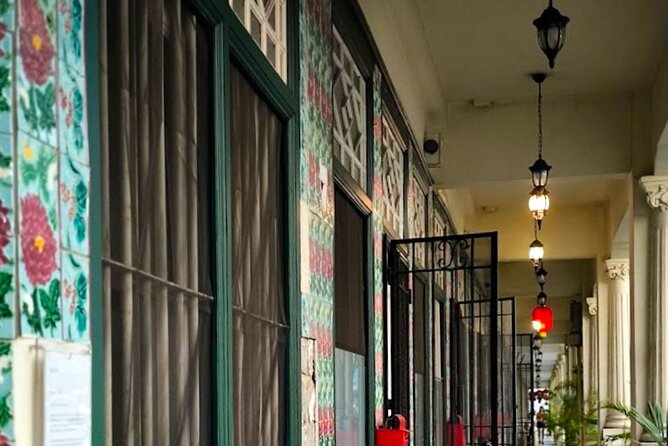
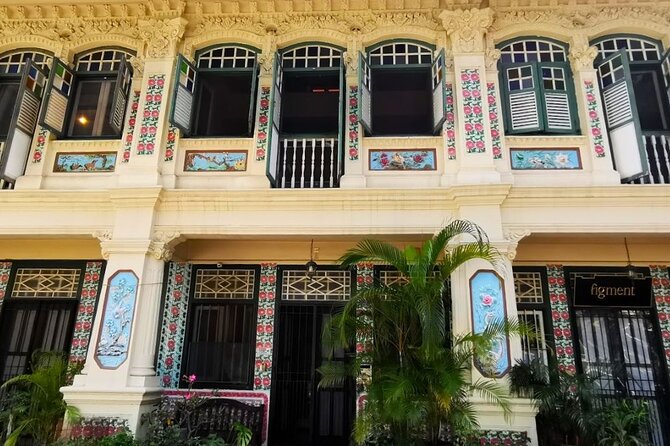
After the red light stop, the tour pivots to something visually quieter and historically rich: Petain Road and its row of heritage shophouses.
The guide points out what’s described as possibly Singapore’s most beautifully restored heritage shophouses along this stretch. More importantly, you learn who the Peranakans are and how that community shaped the area’s look and identity.
I like that the architectural talk isn’t just about facades. It’s tied to people. When you understand the Peranakan link, the shophouses stop looking like pretty old buildings and start looking like a readable record of cultural adaptation.
If you love photo stops, you’ll get chances here. But don’t let it become only a “camera moment.” Stand where the guide tells you to, and pay attention to the architecture cues you’re given—those are what make the explanation click.
Tyrwhitt Road energy at Chye Seng Huat Hardware (and a Chinese Renaissance church)
The tour also gives you the modern layer of this neighborhood. At Chye Seng Huat Hardware, you’ll discover hipster joints on Tyrwhitt Road.
This works because it bridges eras: old streets that carried real working life now host newer street culture. You’ll see how the same corridor can hold different meanings depending on what people do there today.
Then you visit Holy Trinity Church (Anglican), one of two churches built in Chinese Renaissance style in Singapore. It’s a quick stop, but it rounds out the tour’s religious and cultural sweep—temples in multiple traditions, plus a church with a style that reflects the local interpretation of Chinese Renaissance architecture.
If you’re the kind of person who notices rooflines and window patterns, this is a fun one. If you’re not, still show up with curiosity. The guide’s framing is what makes it memorable.
WWII memory at Jalan Besar Stadium and education history at People’s Association
At Jalan Besar Stadium, the tour covers two big stories. First, it’s described as the birthplace of Singapore soccer. Second, it becomes a WWII inspection site during Operation Sook Ching.
That’s heavy material. The value of a guided walk here is that you get context in walking form—so you’re not left with a vague sense of “something happened here,” but instead learn why the site matters.
A few minutes later, you visit the grounds of the Former Victoria School, now associated with the People’s Association. This adds another layer: education and civic life, not just war history.
The practical point for you: keep a bit of mental space for the emotional weight. This isn’t a purely lighthearted stroll.
Kitchener Road: where local eateries and a Charlie Chaplin–linked amusement park story meet
The walk ends with Kitchener Road, where the guide points out locations of locals’ favourite eateries and talks about an amusement park in the area that once entertained the likes of Charlie Chaplin.
Even without turning this into a full-on nostalgia session, the stop helps you understand how entertainment has shifted over time in this part of town. It also gives you a starting point for your own post-walk dinner plans—because the tour is not only about what’s old, it’s also about what you can still eat and experience now.
I like that the tour avoids making you guess. You’ll come away with named areas and a sense of what locals gravitate toward for a meal.
Price and value: $31.38 for 2.5 hours of guided storytelling
At $31.38 per person for about 2 hours 30 minutes, the value comes from the guide’s labor and the density of stops. This isn’t a long sightseeing bus tour. It’s a compact walking format where you get multiple landmark types—temples, churches, heritage streetscapes, WWII-linked sites—without needing to plan routes or arrange separate visits.
A couple of reasons it feels worth it:
- You’re paying for a licensed English-speaking guide who ties sights together into one narrative.
- The group is kept small (up to 15), which makes questions and pacing more realistic.
- There’s a “free admission ticket” pattern across the listed stops, so you’re not hit with separate entrance fees at each site.
If you’re the kind of traveler who likes to understand how a place got its shape—rather than just collecting photos—this price makes sense.
Who should book this Farrer Park historical walk
This tour is a strong fit if you want:
- A less touristy side of Singapore, with temples and heritage streets instead of only the biggest attractions
- Historical context you can connect to what you see today
- A walk that includes both older landmarks and present-day neighborhood life
It may be less ideal if:
- You’d rather avoid any discussion or visibility of an active daytime red light area
- You prefer long stops and slow pacing over a sequence of short guided moments
Should you book this walking tour?
Yes, if you’re open to learning Singapore through neighbourhood layers. I’d book it for the guide-led storytelling—especially the way the walk moves from racecourse history to temple symbolism, then to heritage shophouses and WWII-linked sites. The combination of cultural stops plus practical local food orientation makes it feel useful, not just entertaining.
If the red light area topic sounds like it would put you off, think carefully. For everyone else, it’s a small-group, high-information way to see a part of Singapore that usually stays off most standard itineraries.
FAQ
FAQ
How long is the guided walking tour?
It runs for about 2 hours 30 minutes.
What is the price per person?
The price is listed as $31.38 per person.
What time does the tour start, and where does it meet?
It starts at 11:00 am at lyf Farrer Park Singapore, 2 Perumal Rd, #01-01, Singapore 218773, and it ends back at the same meeting point.
Is the tour guided by an English-speaking guide?
Yes. The tour includes an English-speaking licensed tourist guide.
How big is the group?
The tour has a maximum of 15 travelers.
Do I need to buy admission tickets for the stops?
The itinerary lists admission tickets as free at the stops shown.
What kind of ticket do I get?
You receive a mobile ticket.
How many places are covered in the route?
The route includes multiple stops, from Race Course Road and several temples to areas like Balestier, Flanders Square, Petain Road, and several other landmarks, for a full guided walking circuit.