REVIEW · CHINATOWN, LITTLE INDIA & KAMPONG GLAM WALKING TOURS
Singapore: Private Food & Heritage Walking Tour
Book on GetYourGuide →Operated by Monster Day Tours · Bookable on GetYourGuide
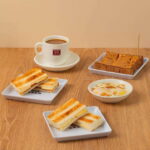
Three neighborhoods, one hungry day. This is a food-and-heritage walking tour built around Singapore’s three major ethnic communities, tied together with arts and history you’ll actually notice. I especially like the 9 to 10 local dishes and drinks (each one explained) and the fact that you ride the MRT and bus as you go, not just taxi-hop for photos. One big consideration: it’s not suitable for guests with dietary restrictions.
You’ll start at Chinatown MRT Station, Exit A (street level) and end back there, after about six hours of moderate walking (some of it outdoors). The guide keeps the day moving with stories and community context, and you’ll come away with a better sense of why people eat what they eat in each neighborhood.
In This Review
- Key Highlights That Make This Tour Work
- Three Neighborhoods and One Hungry Day
- Meeting at Chinatown MRT, Then Riding the MRT Like a Local
- Chinatown Food Stops and Heritage Details You Will Actually Remember
- Little India: Spices, Street Life, and How the Dishes Got Here
- Kampong Glam and Arab Street: Culture Plus Big Flavor Lessons
- The River Cruise Ticket: A Useful Bonus for the End of the Day
- What You Get for $196: Guide, Transport, and Tastings That Add Up
- Practical Tips: Shoes, Weather, and How to Eat Confidently
- Who This Tour Fits Best (and Who Should Skip It)
- Should You Book This Singapore Food & Heritage Walk?
- FAQ
- How long is the Singapore Private Food & Heritage Walking Tour?
- Where does the tour start?
- Where does the tour end?
- What language are the guides?
- How much food is included?
- Does the tour include transportation?
- Is a River Cruise included?
- Does the tour run in rain?
- What should I bring?
- Is the tour suitable for wheelchair users or people with dietary restrictions?
Key Highlights That Make This Tour Work
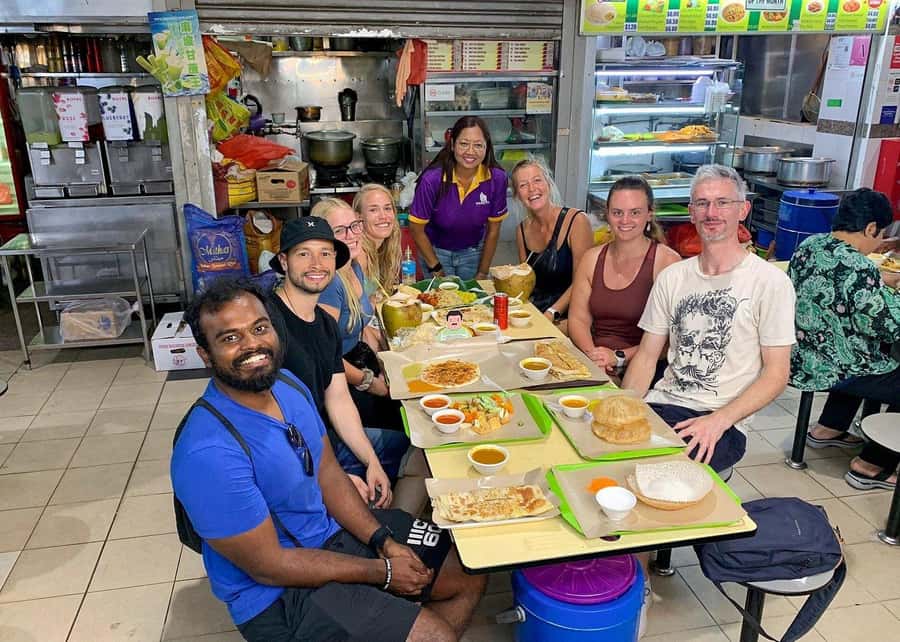
- Three ethnic quarters in one day: Chinatown, Little India, and Kampong Glam, each with its own food culture
- A real local-food pace: 9 to 10 dishes and drinks, with explanations that turn tasting into learning
- MRT and bus included: you’ll get from place to place the way locals do
- Neighborhood stories, not trivia: the guide ties dishes to people and community history
- River Cruise admission ticket included: an easy bonus for another classic Singapore experience
- Good guide energy: English-speaking local guides like Rayney, Bryan, and Leo bring the streets to life
Three Neighborhoods and One Hungry Day
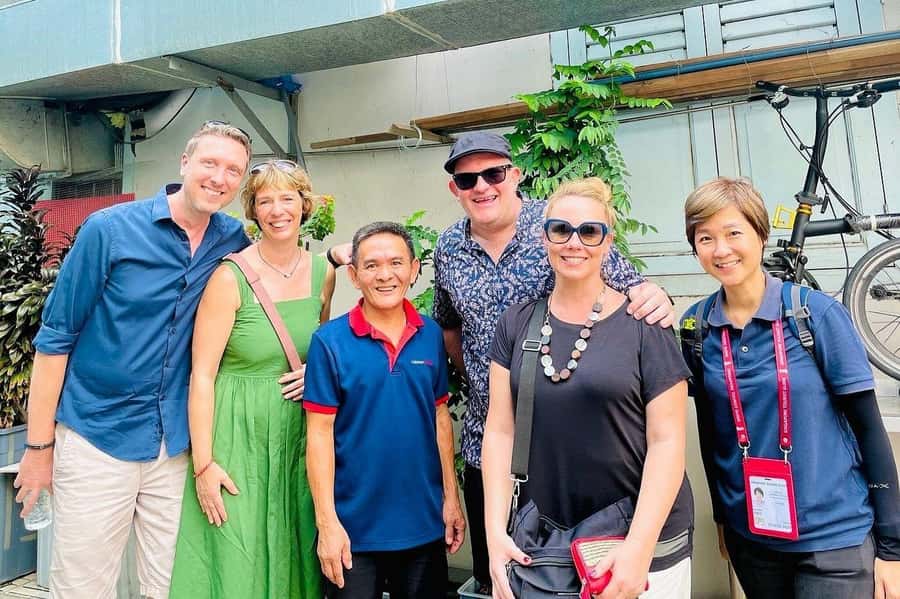
Singapore can feel like a greatest-hits city. This tour avoids that trap by focusing on three neighborhoods that each show a different slice of the country. Chinatown gives you one flavor of identity and tradition. Little India shifts the atmosphere with spices, street culture, and food that moves fast. Kampong Glam adds a distinctly Middle Eastern tilt, especially around Arab Street.
The best part is that the food isn’t treated like background entertainment. You get in-depth insight into each item you try, plus light challenges that help you spot flavors and understand what you’re tasting. If you’re the type who usually eats first and asks questions later, you’ll enjoy how this guide flips the order.
It’s also structured so you’re not stuck in a single mall food court vibe. Instead, you’re walking through authentic neighborhoods and hearing how locals think about their daily routines, markets, and community spaces.
You can also read our reviews of more walking tours in Singapore


Meeting at Chinatown MRT, Then Riding the MRT Like a Local
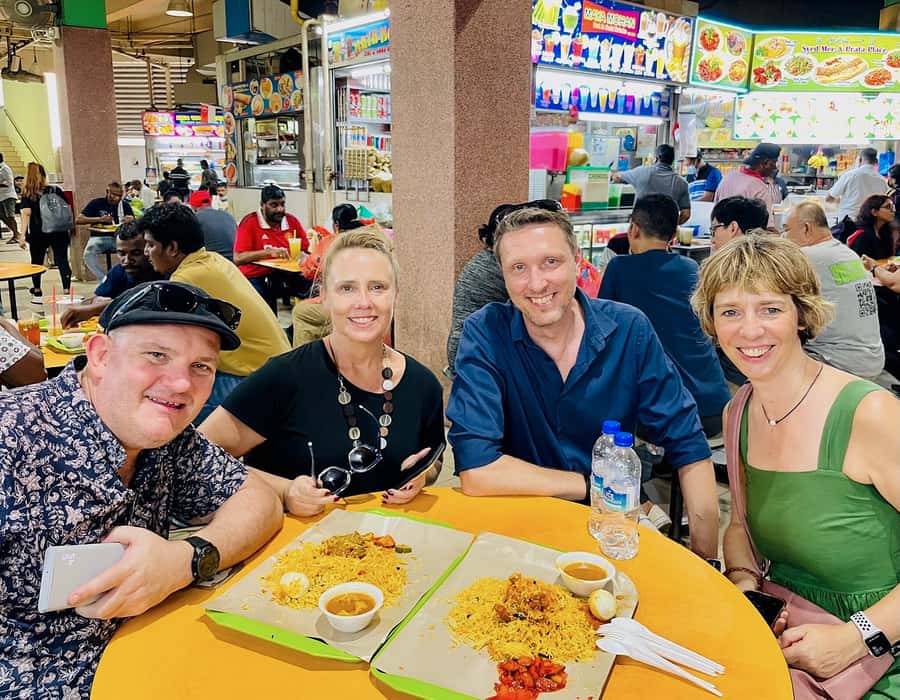
Your day begins at Chinatown MRT Station, Exit A (street level). Look for guides wearing purple Monster Day Tours shirts. That sounds small, but it matters in Singapore: exits can be confusing when you’re standing in the wrong place.
Right after you meet, the tour shifts into motion. The plan uses public transport (MRT and bus), which is the smartest way to experience a city like this. You’ll learn the rhythm of getting around and get a bit of city life along the way—queues, station chatter, and the quick decisions locals make when they’re heading somewhere specific.
This is also one of the tour’s sneaky benefits: transport becomes part of the experience rather than a time-waster. You’re walking moderate distances, then stepping onto transit, then walking again. If you come to Singapore expecting to do everything by taxi, this day will recalibrate you fast.
Chinatown Food Stops and Heritage Details You Will Actually Remember
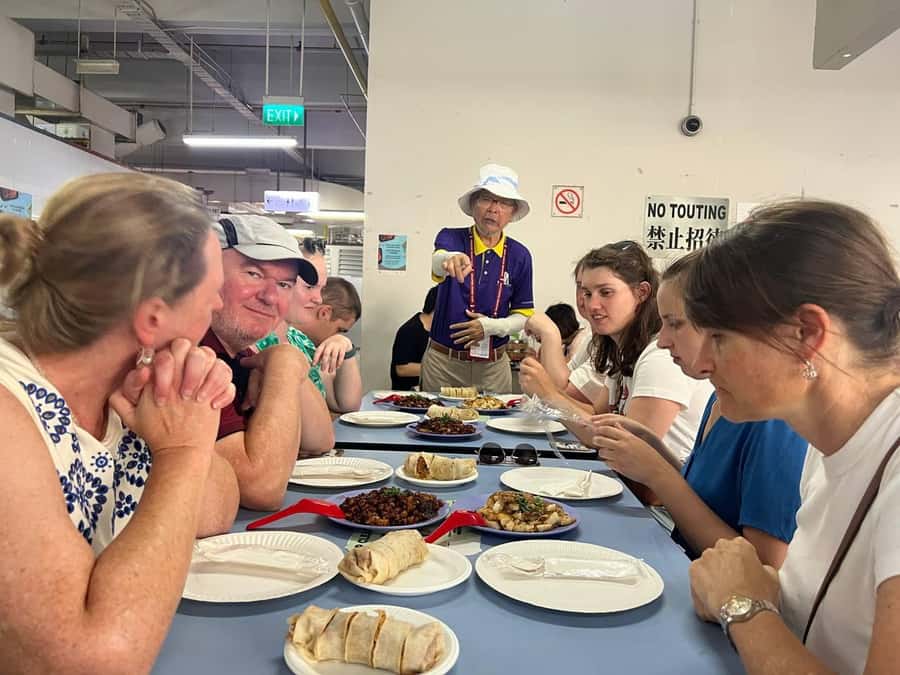
Chinatown is where the tour starts to feel like a guided discovery mission. You’re walking the streets of an area shaped by waves of migration and trade, and the guide points out details most people miss because they’re just scanning for the next selfie spot.
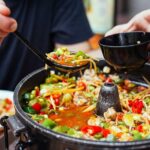
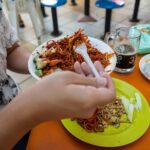
The tour’s format is simple: you try local dishes and drinks, then you get context. That context might be about ingredients, preparation, or the cultural logic behind why a certain snack shows up where it does. Either way, you leave with more than a list of what you ate. You understand how food fits into neighborhood life.
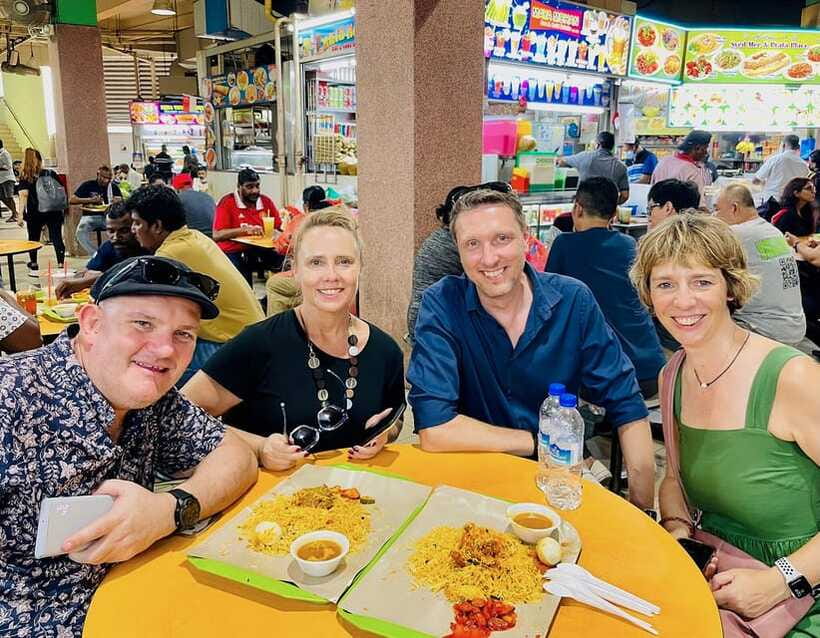
In the Maxwell Food Centre area, for example, the guide brings you through a wide selection of foods. That’s helpful because food centres can be overwhelming if you’re hungry and undecided. With a guide, you can taste multiple options instead of picking one safe item and calling it a day.
If you’re a fan of street food but want it explained (not just handed to you), Chinatown is a great opener. The pacing also sets expectations for the rest of the day, so when you reach the next neighborhood, you know how to listen for the stories.
Little India: Spices, Street Life, and How the Dishes Got Here
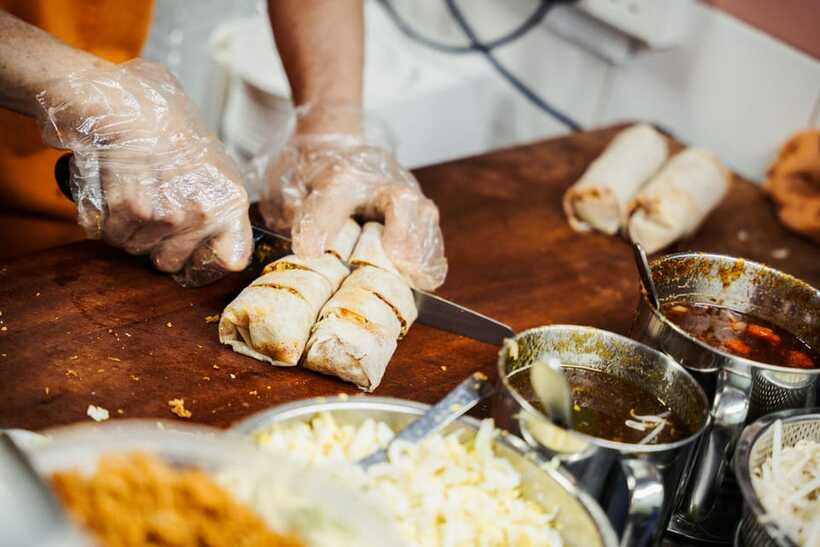
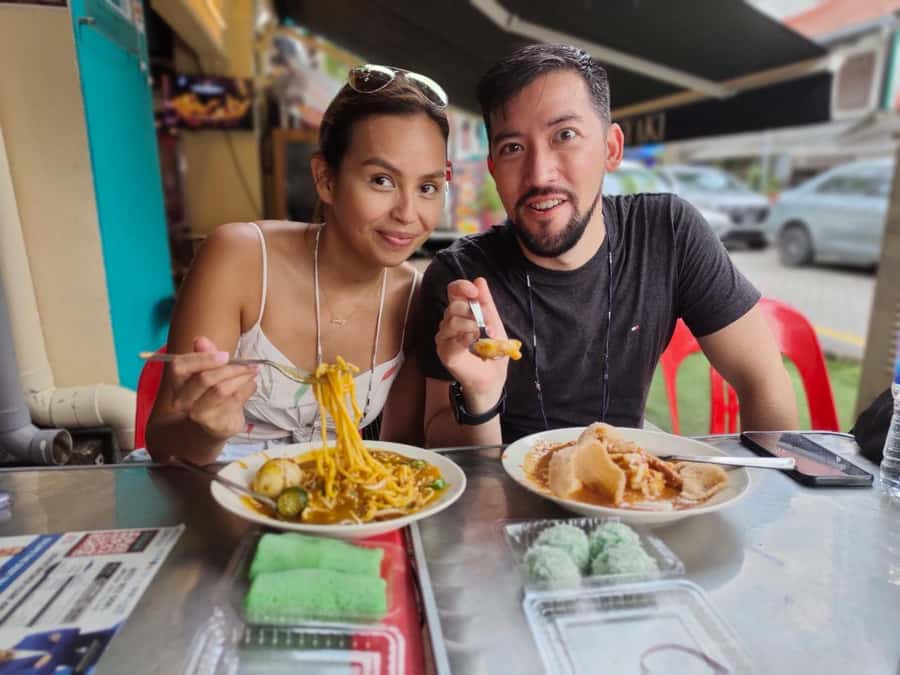
Little India changes the soundscape and smellscape quickly, and the tour handles that contrast well. This stop isn’t about turning the neighborhood into a theme park. You’ll hear stories about the local community while still doing the main job: tasting.
You’ll get deeper insight into each dish or drink you try, and the guide also pushes you to connect flavors to origins and everyday culture. That’s what makes the food feel meaningful rather than random.
Little India is a great place for first-time Singapore visitors who want to understand the city’s diversity beyond broad headlines. The guide’s job here is to give you the why behind the what. You start noticing how ingredients and cooking methods reflect local tastes, not just how something looks on a menu board.
The challenge element matters too. It’s not about making you feel tested. It’s about paying attention—texture, spice level, sweetness, and how one bite leads to the next. You’ll eat more confidently after learning what to look for.
And because the tour includes public transport, you’re not stranded in one area for too long. You can savor the neighborhood without burning out.
Kampong Glam and Arab Street: Culture Plus Big Flavor Lessons
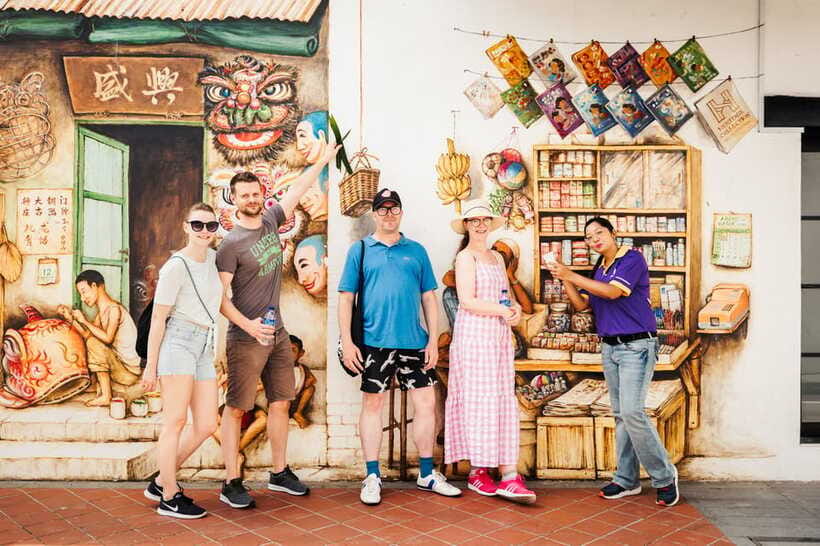
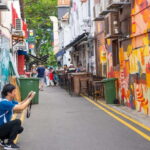
Kampong Glam is where Singapore feels especially layered. The streets mix everyday life with heritage you can see in architecture, storefront rhythms, and the kinds of food that keep locals coming back.
This part of the day also rewards your curiosity. The guide doesn’t just point out where to eat. You’ll hear stories that connect food choices to community identity and local history, so the tasting makes sense in context.
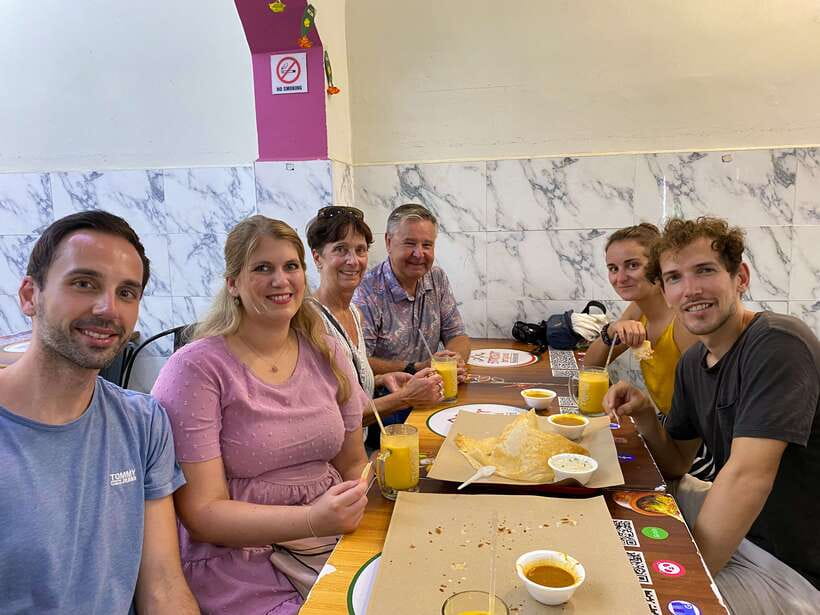
One standout stop is Zam Zam on Arab Street. You’ll get really delicious Indian food there, and the guide’s explanations make it easier to understand what you’re tasting and why it’s popular in that setting. Even if you’ve had similar dishes elsewhere, you’ll likely notice differences—spice balance, freshness, and the way flavors combine.
Kampong Glam can also be a strong option if you like walking photo routes but don’t want a purely visual tour. You’re tasting at the same time, so your camera and your stomach both get fed.
As you move through this neighborhood, you’ll also get a better sense of Singapore’s broader cultural mix. It’s not just three districts pasted on a map. It’s how real people lived, traded, worshipped, and ate over time.
You can also read our reviews of more food & drink experiences in Singapore
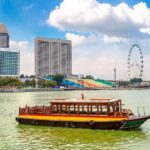
The River Cruise Ticket: A Useful Bonus for the End of the Day
You’ll receive an admission ticket to a River Cruise as part of the tour. Since the exact timing isn’t detailed, I suggest treating it as a planned follow-up during your Singapore stay. Use it as a calm counterpoint to all the walking and eating.
A river cruise is a smart match for a food-and-heritage day because it slows the pace down. You get to sit, look, and absorb the city from the water level. It’s also a simple way to see “classic Singapore” landmarks without adding more complicated logistics to your schedule.
If you’re the kind of traveler who likes to end the day with something relaxing, this ticket is a nice value add. You’re already out and about; this gives you an easy next step rather than forcing you to research and book something new on the fly.
What You Get for $196: Guide, Transport, and Tastings That Add Up
At $196 per person for a 6-hour tour, this isn’t a cheap snack crawl. But you’re not paying only for food. You’re paying for a guided day that bundles several things together:
- An English-speaking local guide
- 9 to 10 local ethnic food dishes and drinks
- Public transport via MRT and bus
- All taxes, fees, and handling charges
- Admission ticket to a River Cruise
Here’s how I think about the value: in Singapore, a guided experience like this reduces decision fatigue. You don’t have to guess what’s worth trying, what’s too touristy, or how to compare options quickly. That matters when you’re hungry and the best stalls can be easy to miss.
The other big value is interpretation. If each dish comes with explanations and community stories, you’re effectively buying a crash course in how these neighborhoods work. That’s hard to replicate on your own unless you’re willing to do lots of reading and still risk ordering the wrong thing.
Also, you’re getting transport included, which saves time and keeps the itinerary moving. Even if you love transit, doing it all yourself adds planning effort.
In short: if you want a guided day that’s food-forward and story-supported, this price can feel fair. If you only want a casual walk and a few bites, you might feel it’s pricier than you need.
Practical Tips: Shoes, Weather, and How to Eat Confidently
This tour runs rain or shine. Singapore weather can change fast, and walking plus tastings means you’ll want to be prepared. Bring:
- Comfortable shoes
- Umbrella
- Water
- Rain gear
- Comfortable clothes
- A face mask or protective covering
Dress code is casual with comfortable footwear, so you don’t have to overthink outfits. Still, prioritize comfort. You’ll do a moderate amount of walking, including outdoor sections, and your feet will judge you.
One more practical note: the tour is not suitable for guests with food allergies. It’s also not suitable for dietary restrictions. If you have any serious allergy or strict dietary requirement, this is one to skip, because the tour is built around sampling local items.
If you’re generally flexible with food and just want to try more than you would alone, you’ll probably love it. The guide’s explanations help you order with confidence during the tastings and enjoy each stop instead of rushing through it.
Who This Tour Fits Best (and Who Should Skip It)
I’d book this if you want to understand Singapore through food and neighborhood context. It’s especially good for:
- First-time visitors who want a strong orientation to Chinatown, Little India, and Kampong Glam
- Travelers who like street food but want the stories behind it
- People who enjoy public transit as part of the travel experience
- Anyone who prefers an English-speaking local guide who can explain what you’re eating and seeing
It’s not the right fit if you need:
- Wheelchair accessibility (this tour is unfortunately not wheelchair accessible)
- Walking assistance (it’s not suitable for guests who require walking assistance)
- Food options that work with dietary restrictions or food allergies
Also, punctuality matters. The tour runs on a schedule, and you’ll be walking and taking transit throughout the day.
A final thought: I love doing this kind of tour early in my Singapore trip. One guide example from Rayney stuck with me: he explained so much about the neighborhoods that people often end up looking at the city differently afterward. Guides like Bryan also leave extra recommendations after the tour, which is a smart way to extend the day’s momentum.
Should You Book This Singapore Food & Heritage Walk?
Book it if you want a guided, food-first day that connects tastings to neighborhood history and community life. The included 9 to 10 dishes and drinks, the MRT and bus routing, and the River Cruise admission ticket make it feel like a packaged local experience rather than a self-guided scramble.
Skip it if you have dietary restrictions, food allergies, or mobility needs, because the tour is built around tasting and moderate walking. Also, if you prefer total freedom and minimal structure, you might find this format too guided.
If you’re sitting on the fence, my advice is simple: if you can eat freely and you’re okay with walking and possible rain, this is one of the better ways to experience Singapore’s diversity without turning the day into separate plans.
FAQ
How long is the Singapore Private Food & Heritage Walking Tour?
It’s a 6-hour experience.
Where does the tour start?
The meeting point is Chinatown MRT Station, Exit A (street level).
Where does the tour end?
The activity ends back at the meeting point.
What language are the guides?
The tour is guided in English.
How much food is included?
You’ll sample 9 to 10 local ethnic food dishes and drinks.
Does the tour include transportation?
Yes. Public transport (MRT & bus) is included.
Is a River Cruise included?
Admission ticket to River Cruise is included.
Does the tour run in rain?
Yes, it operates rain or shine.
What should I bring?
Bring comfortable shoes, an umbrella, water, rain gear, comfortable clothes, and a face mask or protective covering.
Is the tour suitable for wheelchair users or people with dietary restrictions?
No. It is not wheelchair accessible and it is not suitable for guests with dietary restrictions (and it’s not suitable for guests with food allergies).