REVIEW · HAWKER & STREET FOOD TOURS
Singapore: Private Food Tour – 10 Tastings with Locals
Book on GetYourGuide →Operated by Withlocals · Bookable on GetYourGuide
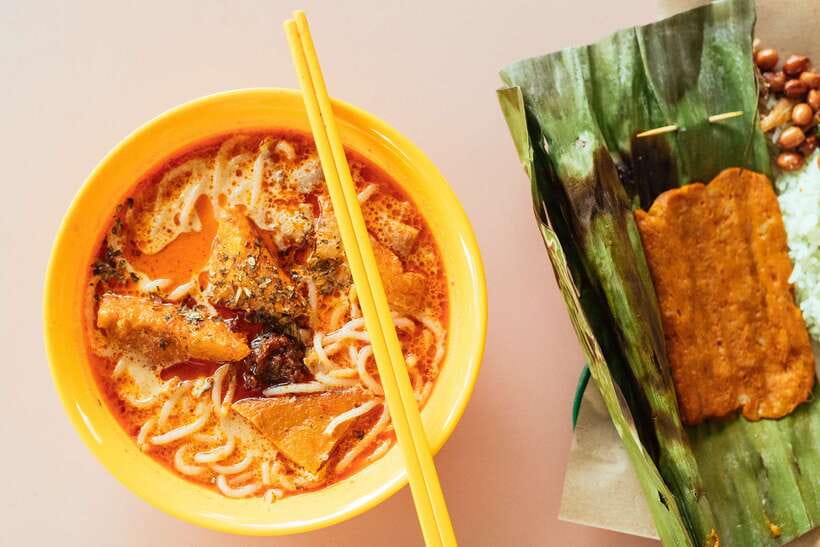
Street food meets city stories. In 3 hours, you get 10 local tastings with a small-group guide, plus stops in Kampong Glam, Little India, and Chinatown where food connects to neighborhood history. This is the kind of outing that helps you understand why Singapore’s different communities share the same streets, the same hawker centers, and often the same cravings.
I especially like that you’re not just sampling random bites. You’ll hit real classics like teh tarik and rojak and taste them where locals actually queue up. The second big win is the guide focus: people like Chin Meng, Stefan, John Tan, and Teng Ching Meng are repeatedly praised for tying what you eat to how Singapore developed. One consideration: the tour involves walking and getting around locally, and it’s not suitable for wheelchair users or people with mobility impairments, plus there’s no hotel pickup—so you’ll need to meet at Arabica Singapore Coffee Shop and come in ready for a stroll.
In This Review
- 10 Tastings, 3 Neighborhoods, and a Real Sense of Singapore
- Meeting at Arabica Singapore: The Start That Sets Your Pace
- Teh Tarik and Rojak: Two Classics, Two Ways to Read Singapore
- Teh tarik (pulled tea)
- Rojak (sweet-savory salad)
- Kampong Glam and Sultan Mosque Area: Malay Flavors with City-Scale Meaning
- What you’ll learn (and why it matters)
- A practical tip
- Little India and Cow Murals: Spices, Snacks, and the Street-Market Logic
- What to expect from the tastings
- Cow murals and neighborhood context
- Chinatown and Elderly Corner: Hawker Culture You Can Actually Understand
- Food focus, but with real city mechanics
- The best way to handle Chinatown
- Private Guide Vibes: You’ll See More, Ask More, and Move Smarter
- Walking + MRT in 3 Hours: Comfort, Timing, and a Light Strategy
- How to plan your day
- Vegetarian Options: A Real Adaptation, Not a Side Quest
- Price and Value: $160 for 10 Tastings and City Orientation
- Who Should Book This Private Singapore Food Tour
- Should You Book This Tour?
10 Tastings, 3 Neighborhoods, and a Real Sense of Singapore
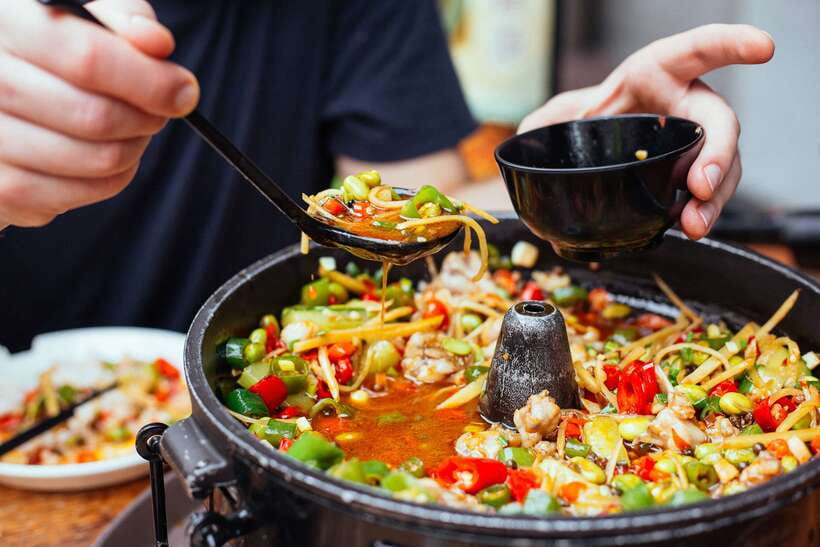
If your Singapore plan is built around museum tickets and photo stops, this tour adds something better. It gives you a map of taste. And it gives you context for why those tastes belong to specific neighborhoods.
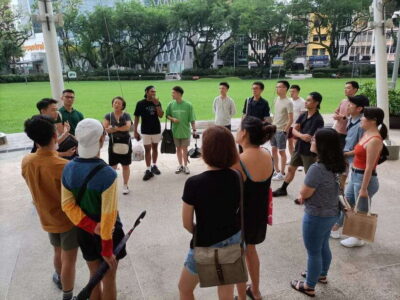
You’ll meet your guide at the front of Arabica Singapore Coffee Shop, then start moving through the areas where the city’s different cultural communities shaped the street-food scene. The plan is built around 10 food and drink tastings, with vegetarian alternatives available if you tell the guide at the start. English-speaking guides lead the group, and the group stays small (up to 8), which matters because you’ll actually be able to ask questions and react to what you’re tasting.
The tour also works as an orientation lesson. You see highlights along the way—Kampong Glam, Sultan Mosque area, Little India, Chinatown—and you learn how the food ties to the people who live there now.
Meeting at Arabica Singapore: The Start That Sets Your Pace
The meeting point is simple: meet your guide in front of Arabica Singapore Coffee Shop. That’s a good thing. No complicated pickup hunt, no guessing where the van is parked. It’s also in a neighborhood you’ll recognize quickly, which helps you build momentum early.
What you should bring is just as important as where you meet. Wear comfortable shoes. This isn’t a sit-and-sip tour; it’s a walking experience, with time spent between tastings. If you’re the type who likes to snack all day, great. If you’re the type who eats light, you’ll still be fine—but plan on eating.
Also: there are guides who strongly encourage you to come hungry. One guest noted the guide advised them not to eat breakfast or to keep it very light. Even if your appetite is normal, I’d treat this like your main meal plan for the day.
You can also read our reviews of more food & drink experiences in Singapore
Teh Tarik and Rojak: Two Classics, Two Ways to Read Singapore
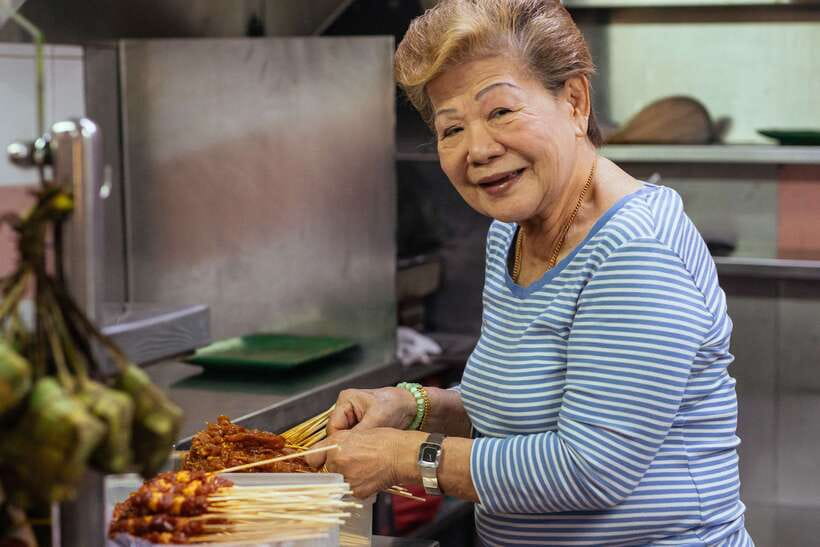
Let’s talk about the food anchor: teh tarik and rojak. These two tastings do more than taste good. They show how Singapore street food often blends technique, culture, and a little bit of showmanship.
Teh tarik (pulled tea)
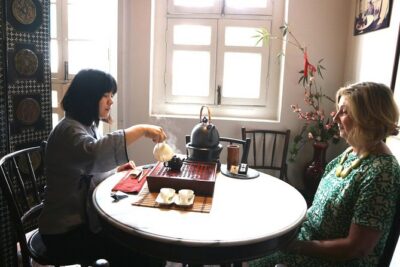
Teh tarik is traditional tea served with a frothy, slightly caramelized look and a texture you notice immediately. The point on this tour is that you taste it in a way that feels local and familiar—where it’s treated as an everyday drink, not a novelty.
If you’re wondering what to order in a hawker center later, this is a great benchmark. You’ll learn what you’re aiming for: sweetness level, strength of tea, and that signature foamy finish.
Rojak (sweet-savory salad)
Rojak is the other classic stop, and it’s the kind of dish that makes you pay attention. It’s typically a mix of textures and flavors—sweet, tangy, and savory all fighting for attention in a good way.
The value here is contrast. You’ll get a street-food dish that isn’t trying to be “cute” or “fine dining.” It’s meant to be eaten fast, shared, and enjoyed by people with errands to run.
Kampong Glam and Sultan Mosque Area: Malay Flavors with City-Scale Meaning
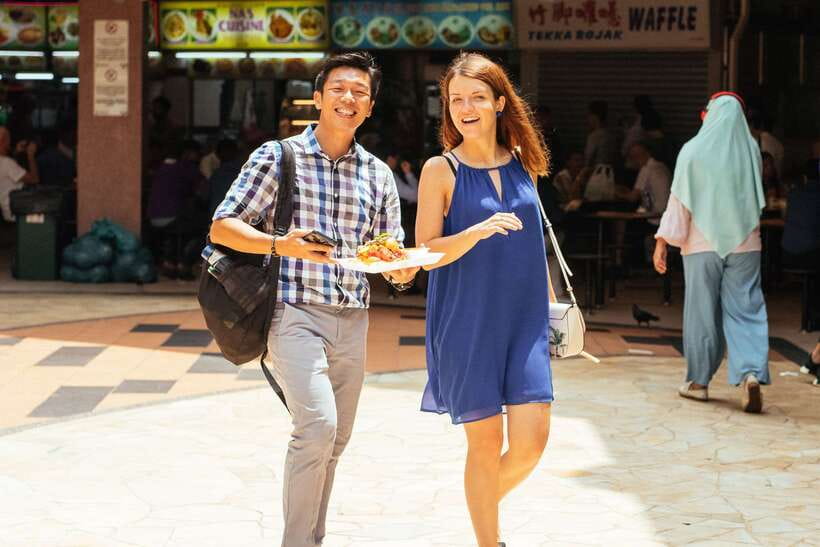
Your tour includes Kampong Glam and the Sultan Mosque area, which is a big deal in Singapore’s story. This isn’t just a pretty backdrop. It’s a neighborhood where the city’s Malay heritage is visible in food, signage, and everyday life.
In practice, you’ll walk and stop for tastings that connect to the kinds of flavors and ingredients you associate with this part of town. You’ll also get a sense of what the guide thinks you should notice—not just what to photograph.
You can also read our reviews of more tours and experiences in Singapore
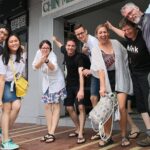
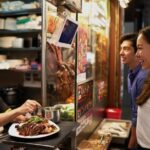
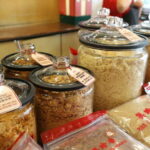
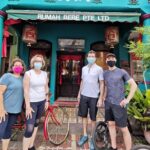
What you’ll learn (and why it matters)
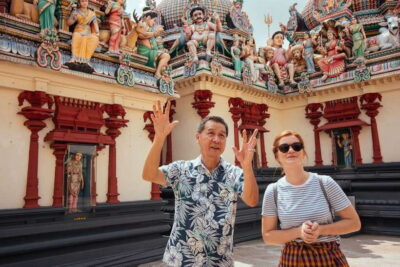
Guides on this tour repeatedly bring in the “why,” not just the “what.” John Tan, for example, was praised for explaining how Singapore’s different cultural groups shaped modern city life, and how each group’s food culture fits into that picture.
That’s useful because Singapore food can feel like a giant collage when you’re there on your own. A good guide helps you see the pattern.
A practical tip
If you want to return later, take note of the stalls and areas you like during the Kampong Glam portion. You’ll leave with a better sense of where to aim your own wandering once the tour ends.
Little India and Cow Murals: Spices, Snacks, and the Street-Market Logic
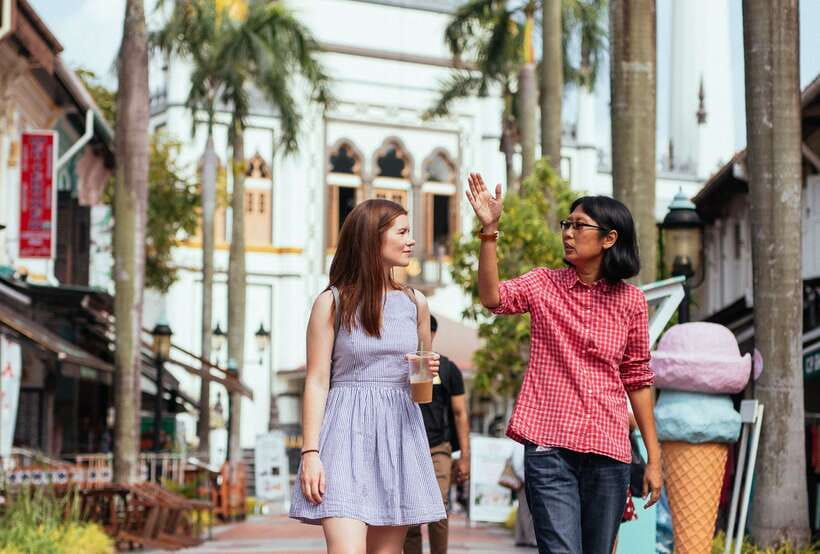
Then you shift toward Little India, including time around the Cow murals area. The murals are fun, yes—but they also signal that this is a neighborhood with its own identity and rhythm.
Here’s what I like about this part of the route: it helps you understand how Indian-influenced flavors show up in Singapore street food. You’re not just tasting; you’re learning how ingredients, spices, and cooking styles create a recognizable flavor family.
What to expect from the tastings
The tour is set up for variety: savory, sweet, and local drinks. In this segment, you’ll likely notice stronger spice profiles and richer sauces, especially compared with the lighter flavors you might have encountered earlier.
If you’re sensitive to heat, tell your guide right away. The tour is built for adjustments, especially since vegetarian alternatives are available. (And yes, it’s better to ask early than to try to “wait and see.”)
Cow murals and neighborhood context
The cow murals stop is short, but it’s exactly the kind of detail that makes your later self-guided exploring easier. When you know what you’re looking at, you stop walking past things like they’re random decor.
Chinatown and Elderly Corner: Hawker Culture You Can Actually Understand
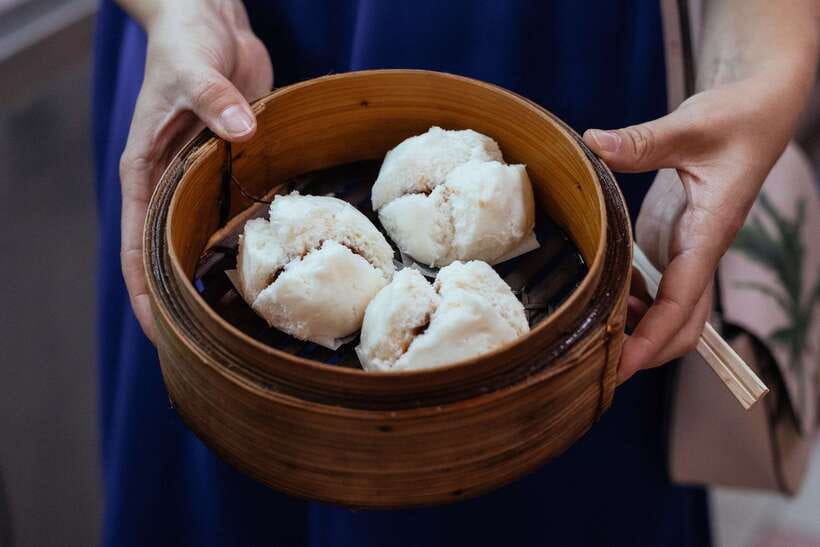
Next comes Chinatown, including Elderly Corner. This is the part of Singapore that can feel hard to read if you’re visiting for the first time—until you learn what’s going on.
Chinatown is strongly tied to the street-food ecosystem and to everyday social life. Elderly Corner is a helpful anchor because it signals that this neighborhood isn’t just about shopping or architecture. It’s also about daily routines and community spaces.
Food focus, but with real city mechanics
The tastings here are chosen as part of a broader logic: Singapore’s food culture is a system. It includes comfort food, quick meals, shared spaces, and repeat customers.
A few guide narratives in the tour reviews underline this point. For example, guests mentioned guides taking them through Chinatown and ending in a hawker center area with more food to eat. That ending style is practical: it helps you leave with a plan for where you can come back and keep eating.
The best way to handle Chinatown
Go in with a flexible appetite. You’ll probably have one of those moments where you think you can’t possibly eat more—then the food comes and you realize you can.
Private Guide Vibes: You’ll See More, Ask More, and Move Smarter
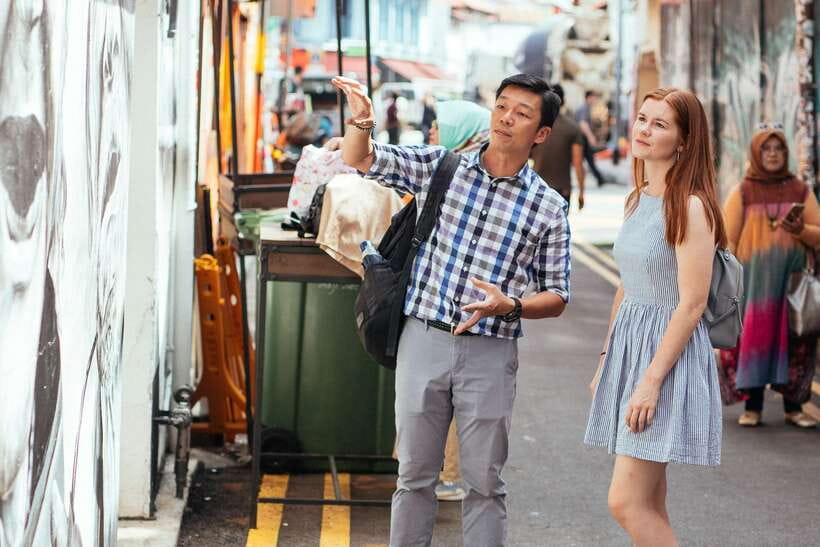
This is labeled a private food tour, but it’s also small-group with a cap of 8. That hybrid matters. You get the personal attention of a private format, without feeling like you’re stuck in a one-person conversation where the guide has to keep you entertained every second.
The best guides are the ones who can move between food and story without turning it into a lecture. Guests repeatedly praised guides by name—Chin Meng for deep food-and-history context, Stefan for multicutural explanations and helpful vegetarian accommodation, and Royston and Ron for making the tour feel relaxed and personal.
You’ll feel it most when you ask questions. When your guide can explain why a dish exists, you start noticing the city differently: the languages you hear, the ingredients you spot, the way different communities share space.
Walking + MRT in 3 Hours: Comfort, Timing, and a Light Strategy
This is a 3-hour tour, which is an intense but manageable window. You’ll likely spend time walking, then use local transport (like the MRT) depending on the route and pacing.
A couple reviews specifically mention riding the MRT during the tour. That’s a plus because it helps you figure out the mechanics without feeling lost. If you’re new to Singapore’s transit, the tour can act like a crash course in moving between neighborhoods efficiently.
How to plan your day
- Wear shoes you don’t mind getting a little sweaty in.
- Try to avoid a heavy breakfast. One guest noted their guide advised eating lightly or skipping breakfast.
- Bring a curious mindset. The best value comes when you treat each tasting like a clue.
One more practical point: a few reviews noted that some guides may walk at a slightly fast pace but still wait for the group. Still, you’ll get the smoothest experience if you keep up when you can.
Vegetarian Options: A Real Adaptation, Not a Side Quest
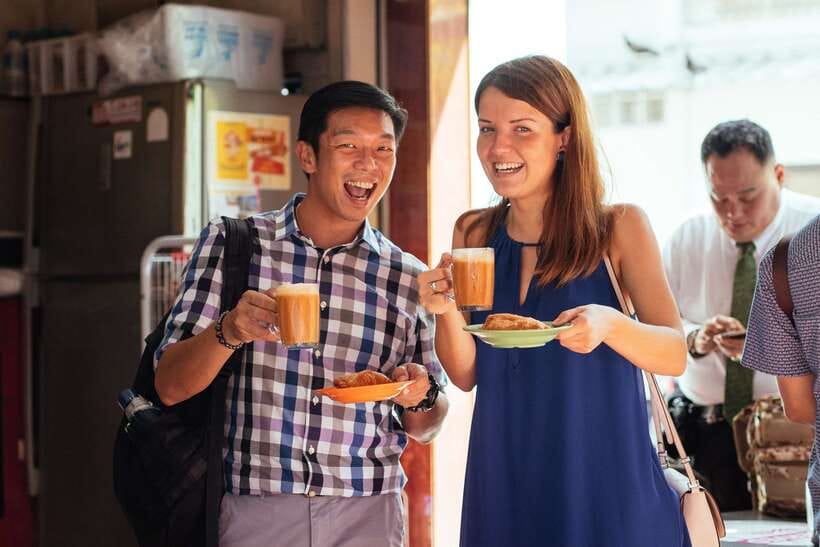
Vegetarian alternatives are available, and the tour says the menu will be adapted if you tell the guide at the beginning. That’s exactly how it should work. You don’t want a token substitution. You want food that still feels like part of the local scene.
In reviews, vegetarian accommodations were praised—Stefan was specifically mentioned for being wonderful with accommodating two vegetarian guests and introducing plenty of delicious options. So if you eat vegetarian, you should feel confident this tour can work for you.
If you have allergies or very specific dietary limits, the only smart move is to explain it early. Don’t assume street food can be “made safe” without details.
Price and Value: $160 for 10 Tastings and City Orientation
The price is $160 per person for about 3 hours and 10 food and drink tastings, plus a live English-speaking guide and city stops. Here’s how I’d think about value.
You’re paying for three things:
- Access to great places without hunting on your own.
- A guide to decode what you’re eating and where it fits in Singapore’s cultural map.
- Time compression: three neighborhoods in one pass, with tastings at each.
If you’re the type who likes street food but hates the uncertainty of finding the right stall or ordering the right thing, the guide part is the value engine. If you only want one meal and don’t care about context, you could skip a tour. But if you’re planning a first trip and want to understand the city through what people actually eat, $160 can feel fair.
And 10 tastings is the other reason it works. Singapore street food is affordable at the source, but buying enough variety on your own can turn into decision fatigue. This tour removes the friction.
Who Should Book This Private Singapore Food Tour
I’d recommend this tour if:
- You want local flavor across Malay, Indian, and Chinese-influenced food scenes in a short time.
- You like learning why dishes matter, not just what they are.
- You’re okay with a guided walk plus transit between neighborhoods.
- You want a starting point for your own future exploring.
I’d think twice if:
- You or anyone in your group has mobility needs. The tour is not suitable for wheelchair users or people with mobility impairments.
- You hate spice or strong flavors and don’t want to communicate with your guide about adjustments.
- You expect a sit-down restaurant experience. This is street-food style.
Should You Book This Tour?
If it’s your first or second day in Singapore, I think this is one of the smartest ways to get your bearings fast—by tasting your way through the city’s cultural neighborhoods. The repeated praise for guides like Chin Meng, John Tan, Teng Ching Meng, and Stefan makes one point clear: the best thing isn’t just the food count. It’s the way the guide connects the food to real Singapore life.
Book it if you want 10 tastings, classic stops like teh tarik and rojak, and a tour that doubles as neighborhood orientation. Skip it if mobility is an issue or if you want to control every single food choice without help. For most food-first visitors, this is a solid yes.