REVIEW · SINGAPORE ZOO & RIVER WONDERS TICKETS
Singapore Zoo Entry Ticket
Book on Viator →Operated by GlobalTix Pte Ltd · Bookable on Viator
This zoo feels like it belongs to the animals. The open-concept design means you’re walking in habitats where animals roam more freely, and the walk-through biodome gives you that up-close, feet-on-the-path feeling. The other big win is the zoo’s famous wildlife dining option, the Jungle Breakfast with Wildlife, where orangutans are part of the story. The only real catch is Singapore heat and sun, so plan to move smart and hydrate.
I like that this is straightforward: you get a Singapore Zoo admission ticket that’s built for a half-day outing, roughly 2 to 4 hours. It’s also capped at a maximum of 15 travelers, so you’re not stuck in a huge swarm. Plus, it’s close to public transportation, which makes it easier to stitch into a day of Mandai-area sightseeing.
One thing to consider: a small number of exhibits may not always have animals on view at any given moment, and the walking adds up fast. Bring the basics and you’ll have a much better day.
In This Review
- Key things that make this Singapore Zoo ticket worth your time
- Open-concept animal viewing: why the zoo layout changes the whole mood
- Walk-through biodome: the close-up experience to plan around
- Animal shows and keeper talks: how to get more from every stop
- Jungle Breakfast with Wildlife and orangutan dining: what it is and how to treat it
- Your 2 to 4 hour plan: a half-day that doesn’t feel short
- Comfort checklist: shoes, water, sunblock, and why it matters at this zoo
- Getting there with MRT and bus: location is part of the value
- Price and value: is $42.32 a fair deal for Singapore Zoo entry?
- Who should book this Singapore Zoo entry ticket
- Booking timing tips: mobile ticket reality and arrival rules
- Should you book the Singapore Zoo entry ticket?
- FAQ
- How long does the Singapore Zoo entry take?
- Is this entry ticket a mobile ticket?
- When will I receive the official ticket?
- What time should I arrive at Singapore Zoo?
- Is there a refund if my plans change?
- How are children and seniors defined for ticket pricing?
- How big is the group for this experience?
Key things that make this Singapore Zoo ticket worth your time
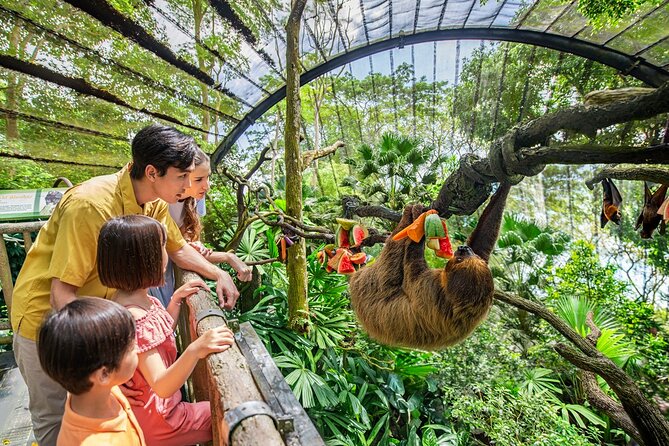
- Open-concept animal habitats let you watch animals in more natural-looking settings
- Walk-through biodome brings animals closer to your level in a walkable space
- Wildlife-first activities like feeding sessions and keeper talks help you understand what you’re seeing
- Good park comfort with rest rooms and water facilities for a long, warm day
- Family-friendly add-ons like a water playground and farmyard encounters (if you’re traveling with kids)
- Easy logistics with a mobile ticket and access via MRT and bus
Open-concept animal viewing: why the zoo layout changes the whole mood
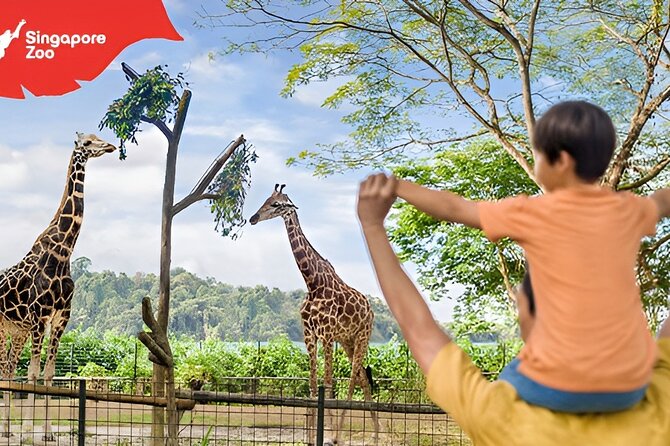
Singapore Zoo has a reputation for being clean and well cared for, and you’ll feel that immediately once you start walking. The grounds are landscaped for guest flow, with plenty of places to take breaks so you’re not constantly hunting for shade or bathrooms. Several visitors point out that they could enjoy a long, leisurely loop and still not feel rushed, which matches how this place is designed: slow down and let the habitats do their job.
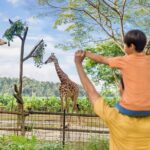
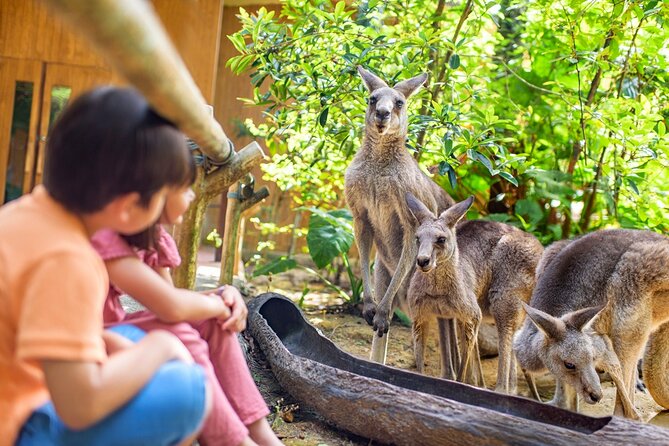
The big personality trait here is the open concept approach. Instead of a typical, heavily separated zoo feel, you’re often viewing animals from paths that sit closer to their living spaces. That tends to make the sightings more interesting, even for people who have seen a lot of zoos already. If you’re the type who likes noticing behavior—how an animal moves, rests, hunts, or socializes—this layout gives you more time to observe without constantly changing locations.
And yes, you’ll want to set expectations: you are inside a living system. Some enclosures may feel smaller than you’d picture, and you might notice a couple exhibits that don’t have animals out at that moment. That doesn’t mean the zoo is failing—it’s a reality of animal care schedules and temperature. Your best strategy is to keep walking. When the animals are active, it’s genuinely memorable.
You can also read our reviews of more tours and experiences in Singapore

Walk-through biodome: the close-up experience to plan around
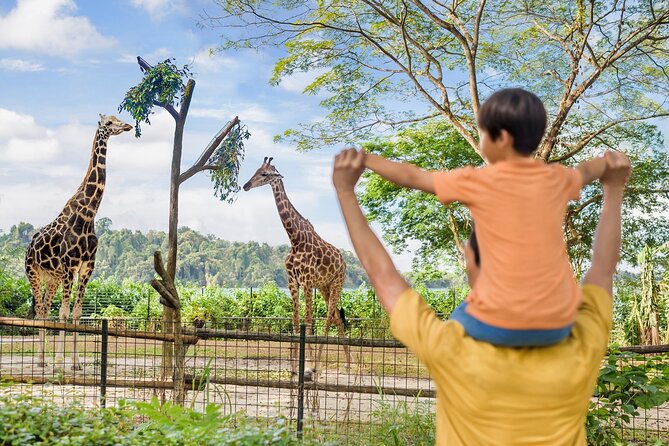
One of the signature experiences tied to Singapore Zoo is the walk-through biodome. This is where the zoo leans into that walk-among-the-animals feeling, instead of making you stand far back and crane your neck. It’s the kind of space where you naturally slow down because you’re moving through an environment that feels like part of the animal world.
I like biodome-style areas because they do two things at once: they add variety and they increase your chance of real encounters. In a normal zoo, you might see animals from across a gap. Here, the path placement helps shorten that distance and makes the visit feel more interactive. If you like photos, you’ll likely find better angles too, because your position changes as you walk rather than staying fixed.
Timing matters here. If you go during the hottest part of the day, some animals may be less active, but your best bet is to still go—because even when animals aren’t moving much, you can often still watch feeding rhythms, resting spots, and general behavior. The biodome is also where the zoo’s design shows off: you’re not just passing through exhibits, you’re in a space.
Animal shows and keeper talks: how to get more from every stop
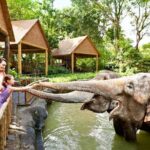
Singapore Zoo’s energy isn’t only about what’s in the enclosures. It’s also about the animal feeding sessions and keeper talks. Those moments add context fast. Instead of wondering what you’re looking at, you get a human explanation for the behavior you’re seeing—why an animal is where it is, what it’s doing, and what to notice.
These are especially useful if you’re traveling with kids or anyone who gets restless without a payoff. It’s a simple fix: check the day’s showtimes and feeding schedule once you’re on-site, then build your route around the moments that matter most to your group.
Then there are the animal shows. These can be hit or miss at any attraction depending on what you enjoy, but here they’re positioned as part of the zoo’s entertainment and education mix. If your goal is a well-paced zoo visit rather than just an open-walk-and-hope plan, shows help keep your time efficient.
Jungle Breakfast with Wildlife and orangutan dining: what it is and how to treat it
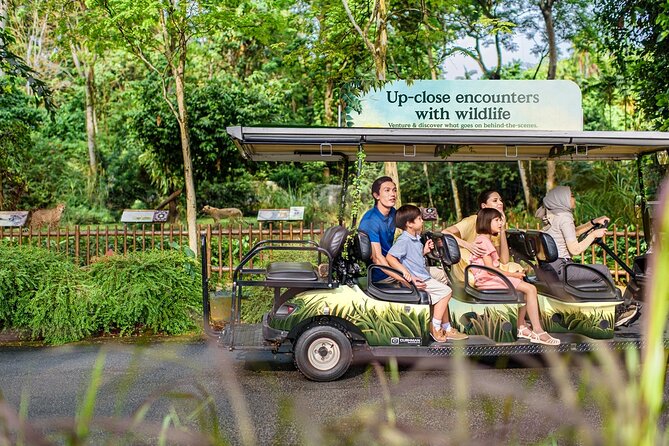
The zoo promotes a Jungle Breakfast with Wildlife, with orangutans as part of the experience. It sounds like the kind of thing that turns a regular day out into a standout memory. I’d treat it like this: if it’s on your must-do list, plan it early and be realistic about what your morning will feel like.
Here’s the practical approach. Your entry ticket covers admission to the zoo, and the breakfast is a separate experience you may need to book or schedule depending on availability. If you’re set on breakfast, that shapes your entire day. If you’re not sure, you can still enjoy the orangutan sightings and other highlights without tying yourself to a specific meal time.
Why this matters: breakfast programs often work best when you’re not rushing. If you’re arriving hot and late, you may miss the relaxed atmosphere that makes this kind of experience special. If you can manage your timing, it can be a big upgrade to the standard zoo visit.
Your 2 to 4 hour plan: a half-day that doesn’t feel short
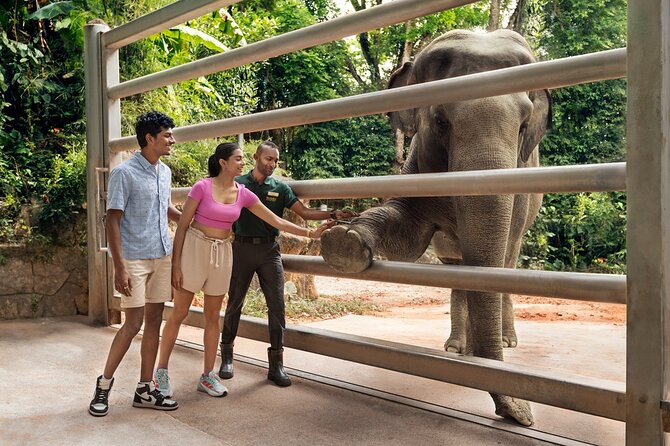
This ticket is designed for a visit around 2 to 4 hours. That’s a helpful window if you’ve got other plans in Singapore, because you can still fit the zoo without turning the day into an all-day grind.
But I also like to give you a realistic rule of thumb. If you enjoy a slow walk—stopping for behavior watching, checking multiple exhibits twice, and using rest stops when you need them—you may go longer than the estimate. One review-style pattern you’ll recognize from many zoo visits here: people say they didn’t notice time passing. That’s not magic; it’s design plus plenty of breaks.
Here’s a simple way to structure your time once you arrive:
- Start with the highlights that interest you most (like orangutans and the walk-through biodome area).
- Schedule one keeper talk or feeding session so you get narrative, not just sightings.
- Save some buffer time for the rest rooms, water stations, and shade breaks—Singapore heat is real.
- If you’re hungry, don’t assume food options will wow you. Build your expectations accordingly.
You can also read our reviews of more tours and experiences in Singapore


Comfort checklist: shoes, water, sunblock, and why it matters at this zoo
I can’t stress this enough: bring a water bottle and refill it when you can. The heat is a big deal, and zoo walking is relentless. Several visitors call out the availability of rest rooms and water facilities, which makes it easier to stay comfortable, but you still need your own bottle to avoid running out at the worst moment.
Also pack:
- Walking shoes with good grip
- A hat
- Sunblock
- An extra layer in case the weather swings or shaded areas cool you off briefly
You’ll see why this matters fast when the ground is clean and easy to walk, but the sun doesn’t care. People who have a smooth day tend to look prepared. People who struggle tend to underestimate the walking distance and the speed at which they get thirsty.
And about food: it’s a common travel disappointment, and it shows up here too. The zoo is great for animals, but the food selection can feel limited. If you’re picky or have dietary needs, plan ahead so hunger doesn’t derail your pacing.
Getting there with MRT and bus: location is part of the value
This Singapore Zoo entry ticket works well because getting to the zoo is not a headache. You can reach it using MRT and bus, which is a big deal when you’re planning a half-day. It also means you can build a day around the Mandai area without tying yourself to complex transfers.
Another smart detail: the experience is near public transportation, so you’re less likely to burn time coordinating taxis or rideshares back-and-forth. Time saved here turns into more time watching animals, which is the point.
If you’re combining this with other Mandai stops, treat the zoo as a core anchor and plan the rest of your route around it. That keeps logistics simple and reduces backtracking.
Price and value: is $42.32 a fair deal for Singapore Zoo entry?

At $42.32 per person, this is not a bargain-bin ticket. But it’s also not priced like a premium-only add-on experience. For value, you’re paying for admission to a zoo that’s known for being clean, well run, and designed for close animal viewing.
Here’s how I judge value for zoo tickets:
- Do you get enough time on-site to actually see what you came for?
- Are rest areas and basics available so you can enjoy the experience without suffering?
- Is the attraction strong enough that you’ll remember it after the visit, not just after the photos?
Given the open-concept style, the walk-through biodome, feeding sessions, keeper talks, and the general care of the grounds, this ticket makes sense if your goal is a proper zoo day without overcomplicating your planning. If you’re only looking for a quick glance and you hate walking in heat, then it might feel pricey. But if you like animal watching, this is the kind of day that earns its cost.
Who should book this Singapore Zoo entry ticket
This ticket fits best if you:
- Want a half-day wildlife outing with a clear starting point and manageable time range
- Like animal behavior and don’t mind walking between exhibits
- Travel with kids and want water play and farmyard-style encounters on-site
- Prefer the comfort of a well-maintained park with rest rooms and water facilities
It may not be your best choice if you:
- Want a low-walking, minimal-heat experience
- Expect every exhibit to have animals out all the time
- Are very budget-sensitive and can only justify free or very cheap attractions
Booking timing tips: mobile ticket reality and arrival rules
This experience uses a mobile ticket. Just know that the confirmation you receive right away may not be the official pass. The official ticket is sent to you within 24 hours, so don’t panic if you don’t see the final ticket instantly.
When you show up, you’ll want to arrive no later than 45 minutes from your selected time. If the park is at capacity, you might have to wait for availability. That waiting piece matters when you’re traveling with kids, so plan your day with buffer time rather than treating the entry as an exact-to-the-minute event.
One more scheduling note for people planning far ahead: on Thursday, 5 February 2026, Singapore Zoo and some nearby Mandai parks will close earlier due to a staff event. If your dates overlap, double-check hours so you don’t lose time.
Also, keep expectations clear: this is non-refundable and cannot be changed for any reason. If your plans might be shaky, build in flexibility before paying.
Should you book the Singapore Zoo entry ticket?
Yes—if you want a well-run Singapore Zoo visit where the animal viewing feels more natural than a typical fence-and-distance setup. The open-concept design, walk-through biodome, and the zoo’s schedule of feeding sessions and keeper talks are the core reasons this ticket works.
I’d book it if you’ll bring the basics for comfort (water, hat, sunblock, shoes) and you’re okay with some exhibits not showing animals at every moment. You’ll get the most out of it when you treat it like a slow, warm-weather walk with breaks.
Skip it or reconsider only if you’re not a walking-in-heat person, or you need a large food-and-luxury focus instead of a wildlife-first day.
FAQ
How long does the Singapore Zoo entry take?
The visit is listed as approximately 2 to 4 hours.
Is this entry ticket a mobile ticket?
Yes, the experience uses a mobile ticket.
When will I receive the official ticket?
You’ll receive the official ticket within 24 hours after booking. The immediate confirmation message may not be the official ticket.
What time should I arrive at Singapore Zoo?
You should arrive no later than 45 minutes from your selected time. If the park reaches capacity, you may have to wait for availability.
Is there a refund if my plans change?
No. The experience is non-refundable and cannot be changed for any reason.
How are children and seniors defined for ticket pricing?
A child is defined as age 3 to 12, and a senior is age 60 and above. Children below 3 may enter for free, subject to verification.
How big is the group for this experience?
The maximum group size is 15 travelers.