REVIEW · HAWKER & STREET FOOD TOURS
Street Food, Cultural & Historical Tour of 3 Ethnic Quarters
Book on GetYourGuide →Operated by Singapore Foodsters / Livin' Da Local Experiences · Bookable on GetYourGuide
Food has a passport stamp here.
This 6-hour small-group walk-and-taste tour uses UNESCO-listed hawker centres and neighborhood markets to explain how Singapore’s Chinese, Indian, and Malay communities formed over time, with Gerry (a Singapore-born Peranakan guide) bringing it all to life with humor and old photos. I love the mix of street food plus history you can actually see on the streets, and I love how you get to meet hawkers and traders in their own settings, not just stand around a restaurant menu. One consideration: it’s about 6,000 steps, so comfortable shoes and a steady walking pace matter.
Here’s why it works so well: the food is treated as a story. You start in Chinatown for hawker-centre classics and temple-area context, then glide over to Little India’s produce and spice markets, and finish in Kampong Glam with shopping lanes, a first Sultan Mosque intro, and a dessert stop in an old shophouse used by Muslim pilgrims. The one drawback I’d plan around is that the tour is not suitable for several needs and diets listed by the operator, including vegans and people with gluten intolerance, plus it’s not built for mobility limits.
In This Review
- Key points you’ll notice on this street-food + history route
- Why this tour feels like Singapore, not a checklist
- Chinatown: hawker-centre Chinese food, plus the backstories in temple lanes
- The short public transport rides that keep you from wasting energy
- Little India: produce, spice, clothing lanes, then a family-style meal
- Kampong Glam: Haji Lane energy, Arab Street textiles, and the Sultan Mosque intro
- The guide matters: Gerry’s humor, photos, and family-root perspective
- Food amount and pacing: why you should show up ready
- Price and value: $148 for food, beer, guide time, and transit
- Who this tour fits best (and who should skip it)
- Practical tips so your day stays fun
- Should you book this 3-ethnic-quarter street-food and history tour?
- FAQ
- What’s the duration of the tour?
- How much does the tour cost?
- Is it a small group tour?
- What locations does the tour cover?
- What’s included in the price?
- Where can I get picked up?
- If I don’t want pickup, where can I meet?
- Is the tour guide English-speaking?
- What dietary needs should I watch for?
- How much walking is involved, and what should I wear?
- FAQ
- What should I bring and what should I avoid bringing?
- What’s the cancellation policy?
- Can I reserve now and pay later?
Key points you’ll notice on this street-food + history route
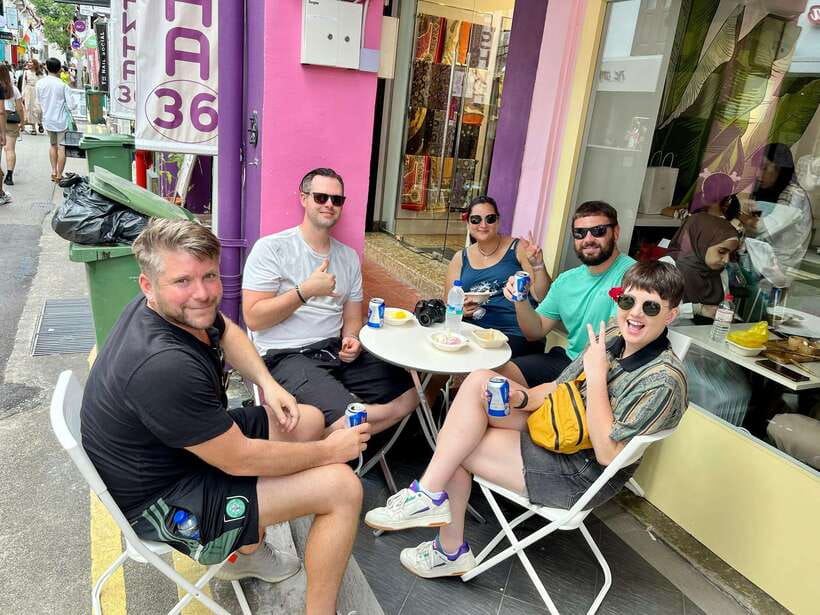
- Gerry’s family story: great-grandparents came from Fujian, China in 1910, and he’s Singapore-born (born 6 years after independence in 1965).
- UNESCO-inscribed hawker centres: street food as a living cultural institution, not just a meal stop.
- Markets before meals: fruit/vegetable/seafood, herbs and spice stalls, plus clothing lanes in each quarter.
- Public transport included: short rides between districts, so you see how locals move across the city.
- Plenty of food and drink: tastings across multiple stops, including beer in the mix.
Why this tour feels like Singapore, not a checklist
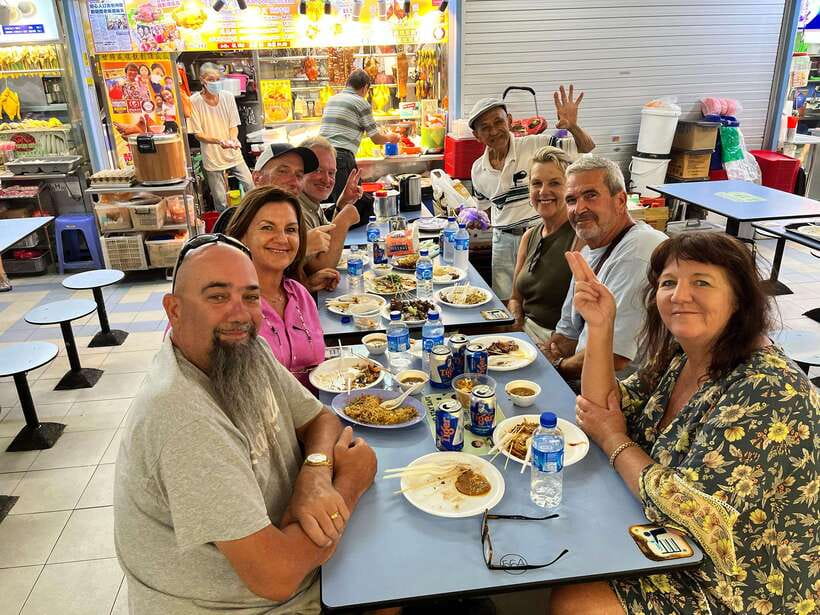
Singapore can feel like a city of systems. This tour gives you the human scale inside those systems, using food as your map. Instead of trying to do three districts on your own, you follow a route designed to connect food, immigration, and policy—all in about a half-day.
I like that the guide’s approach isn’t just narration. Gerry shares stories with photos showing earlier immigrant hardship—then points out what still survives today, including the family-run businesses you’re supporting as you eat. You’ll get context for why the British-era 1822 planning mattered for these quarters and how later government choices shaped everyday life after independence.
And because it’s a small group (up to 8), the questions flow. You’re not shouting over a crowd, and you can ask about ingredients, customs, or why certain dishes show up where they do.
You can also read our reviews of more food & drink experiences in Singapore
Chinatown: hawker-centre Chinese food, plus the backstories in temple lanes
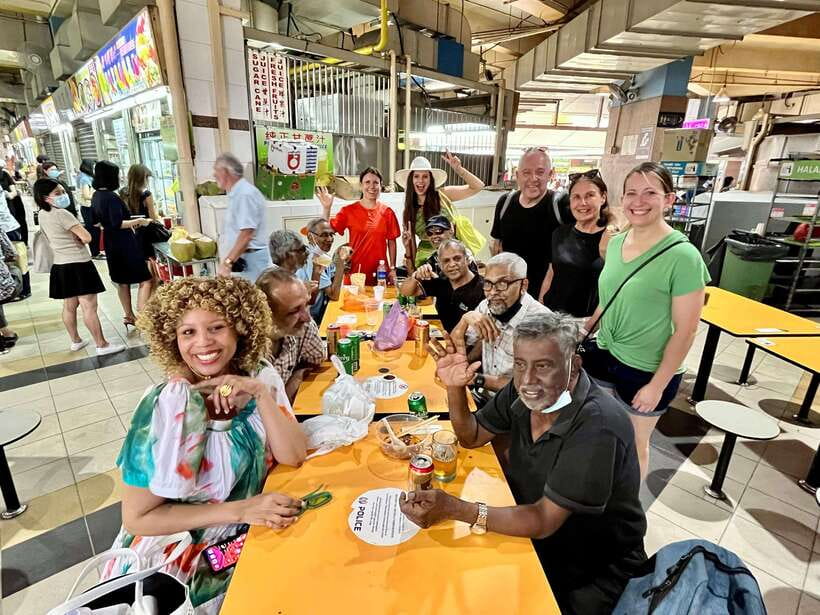
Chinatown starts with what you came for: an UNESCO-listed hawker centre where you’ll taste local Chinese food and drink. This is where you learn how hawker culture works in practice: quick decisions, shared stools, and the idea that the best meal isn’t “one signature place,” it’s multiple stalls doing their thing every day.
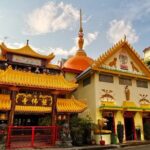
From there, you step into a quieter layer with a Buddhist temple visit. Even if you’re not there for religious study, it helps you understand what the neighborhood’s routines can center on. I’d keep an eye on your body language and clothing—temple spaces tend to reward respectful behavior, and the guide can steer you through what’s appropriate.
Then it’s out to the street market side of Chinatown, with stalls where traders and shopkeepers show up as part of the scene. The history stops are the most memorable part for me. You’ll hear stories tied to places like Street of the Dead, Red Lanterns and Private Chambers, and Opium Dens—so the area’s darker chapters aren’t hidden behind modern signage.
The practical value: you’ll leave Chinatown understanding that street food sits on top of migration, work, and struggle. It’s not just snacks; it’s food shaped by survival and community rebuilding.
The short public transport rides that keep you from wasting energy
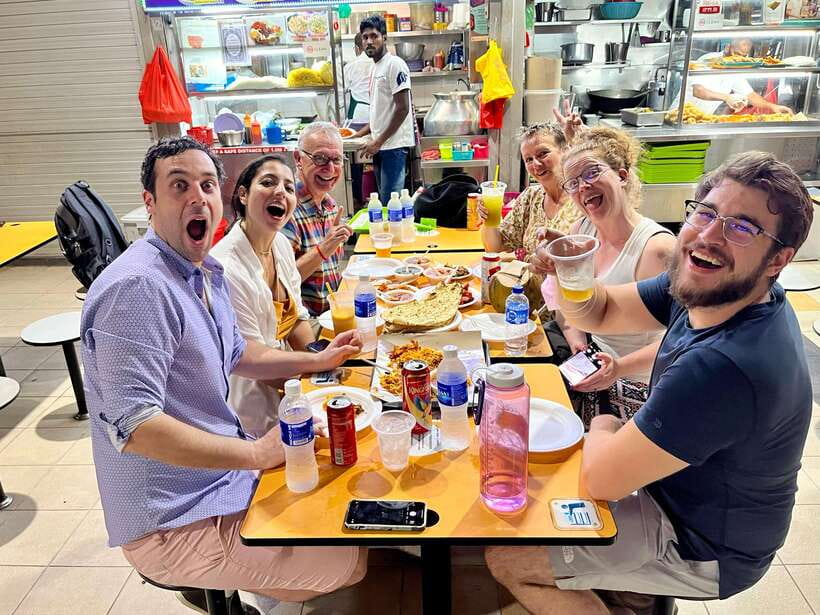
You’ll use public transport between areas, with tickets included. Each ride is brief, which matters when you’re doing three quarters in one day.
I also like how this changes your sense of distance. Instead of thinking Chinatown, Little India, and Kampong Glam are “far apart,” you learn how the city links them, and you get a feel for route logic you can reuse later on your own. It’s also a relief for your legs: you can keep walking, but you’re not stuck in long stretches with constant stops and starts.
Little India: produce, spice, clothing lanes, then a family-style meal
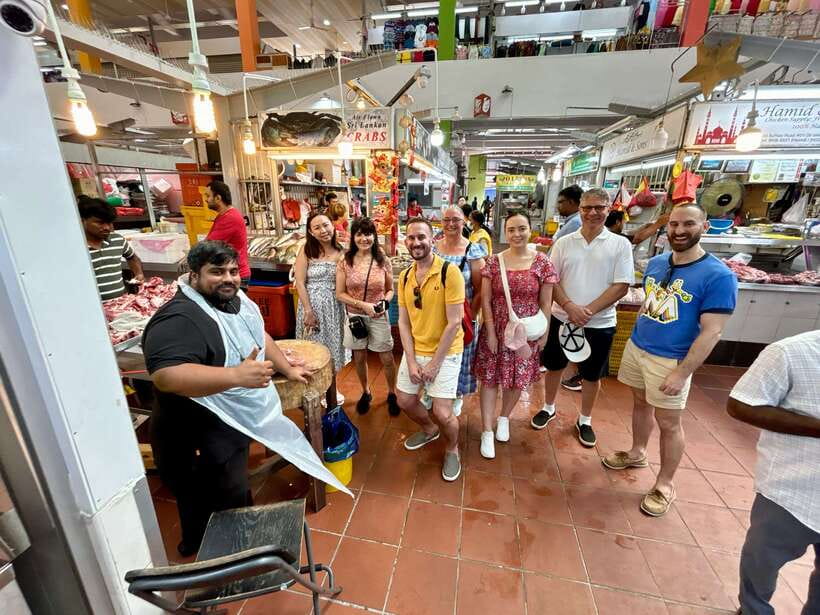
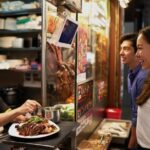
Little India is built around ingredients you can almost smell. The tour takes you through a wet and dry produce market with stops that cover seafood stalls, meat stalls, fruit and vegetable stalls, and spice stalls. Watching the markets in action helps you understand why the food here tastes the way it does—freshness and spice intensity are part of the daily rhythm, not a one-time “tourist special.”
You’ll also see spice and herb trading as a storefront ecosystem. This is one of the most useful parts of the day if you love cooking, because you learn what gets handled where, and how the market stage leads directly to the plate later.
Next comes a look at the Indian clothing market and the surrounding street stalls. This adds texture beyond food. The quarter’s identity isn’t only in what you eat; it’s in what people wear, sell, and preserve as part of cultural continuity.
The food portion then shifts into a family eatery where you’ll taste local Indian and Malay food and drink. The drinks selection includes beer as part of the experience, plus coffee and tea, and you’ll get lunch during this segment. One practical note: because you’re eating across multiple neighborhoods in a single day, you’ll want to pace your portions and leave room for later dessert.
If you have a sensitive palate, tell your guide at the start. Gerry’s style is interactive and responsive, and the overall setup is designed for people who want variety without the stress of ordering blindly.
Kampong Glam: Haji Lane energy, Arab Street textiles, and the Sultan Mosque intro
Kampong Glam shifts the mood from market intensity to neighborhood lanes with visible design influences. You’ll spend time around Haji Lane, where the streets feel like an Instagram-ready walk—but the tour keeps it grounded with local context rather than just photo stops.
You’ll also pass colourful graffiti walls around the area. These aren’t treated like random street art; they’re part of how the neighborhood communicates with visitors and locals now.
Then it’s Arab Street for textile shops—an excellent stop if you want to understand the quarter’s trading history through everyday commerce. Shopping lanes are often where culture lives longest, because materials have to be sourced, stitched, and sold repeatedly for years, not months.
A key cultural moment here is an introduction to Singapore’s 1st Sultan Mosque. Even as an intro, it gives you a reference point for how the Malay and Muslim community shaped Kampong Glam’s social structure. I’d dress comfortably and modestly since mosque environments can have expectations around clothing and behavior.
Finally, you end with dessert in an old shophouse connected to 19th-century Muslim pilgrims. This is a nice way to close the loop: you started the day with migration stories in Chinatown and you finish with a physical reminder of how travelers and faith shaped the built environment.
There’s a real payoff to ending on dessert. After markets, streets, temples, and eating in waves, your last stop gives you a softer landing—something sweet to remember while the day’s history is still fresh.
You can also read our reviews of more tours and experiences in Singapore
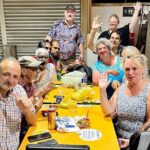

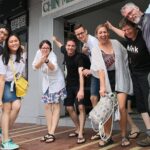
The guide matters: Gerry’s humor, photos, and family-root perspective
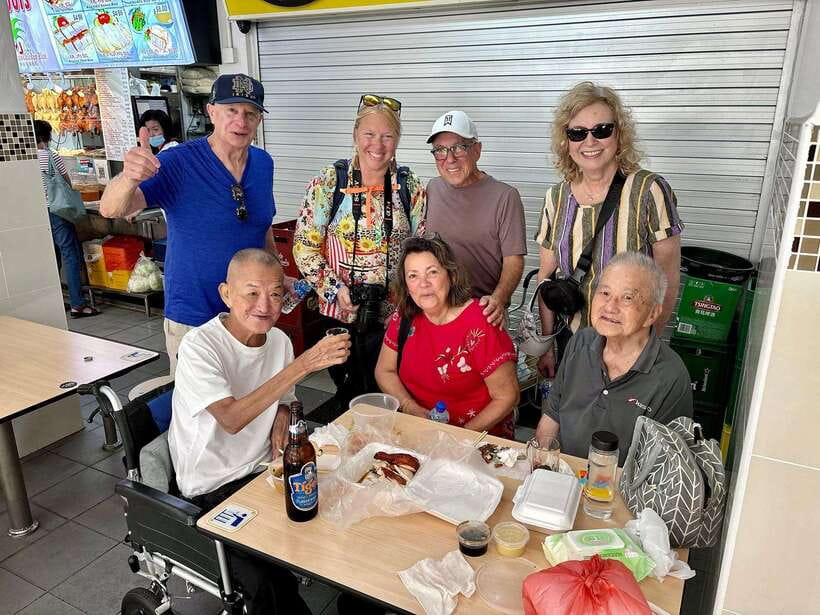
This tour is not a script you follow with a headset. It feels like walking with a friend who happens to know how Singapore got its shape.
Gerry’s background matters for a few reasons. His family roots trace back to Fujian, China in 1910, and he’s Singapore-born after independence in 1965, which means he speaks both the historical “why” and the current “how.” The stories come with pictures showing earlier immigrant life—hardship, trials, and the reality behind the quarters you’re touring.
In practical terms, that storytelling makes the food make sense. Hawker centres aren’t just venues; they’re outcomes of where people settled and how they built community. Markets aren’t just busy stops; they’re supply chains you can visualize, connecting stalls to family kitchens and onward to dining tables.
The humor is more than entertainment. It keeps the day moving so the history doesn’t feel heavy, and it makes it easy to ask questions without awkwardness. Several highlights from past participants point to Gerry’s humor, storytelling, and the way he manages to answer questions on the spot.
Food amount and pacing: why you should show up ready
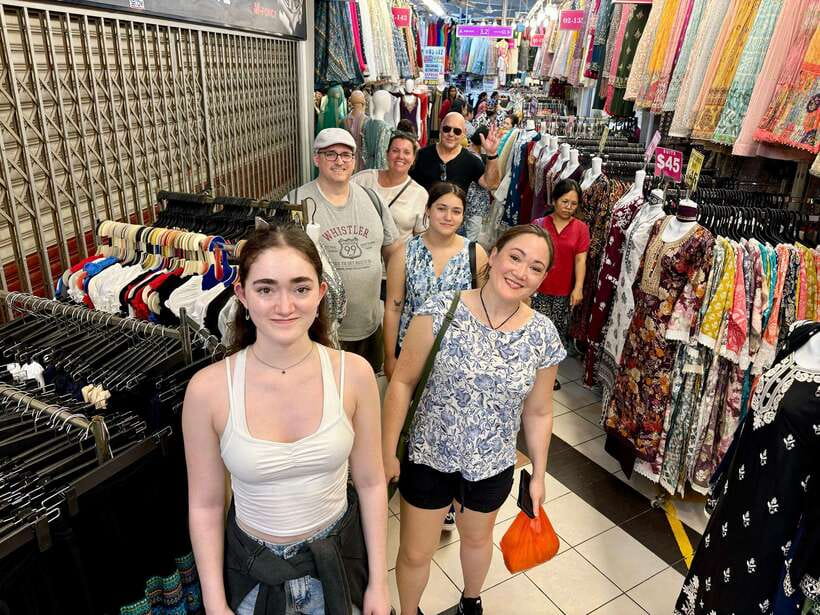
The day is built around multiple tastings across three districts, and the included drink mix includes beer. You should not plan on having a big breakfast beforehand. The flow is designed so you’ll eat in waves rather than one huge meal followed by regrets.
Still, it’s not a constant conveyor belt. You’ll walk, see markets, hear context, and then taste. That rhythm helps you enjoy the variety instead of getting overwhelmed.
One thing to plan for: this isn’t a sit-down day. You’re covering about 6,000 steps, and you’re mixing walking with short public transport rides. If your fitness level is low, if you have balance concerns, or if you tire easily, this could become uncomfortable fast.
Also pay attention to the operator’s dietary limitations. This tour is not listed as suitable for vegans and it’s flagged for gluten intolerance, so if those matter to you, you’ll want to choose a different experience.
Price and value: $148 for food, beer, guide time, and transit
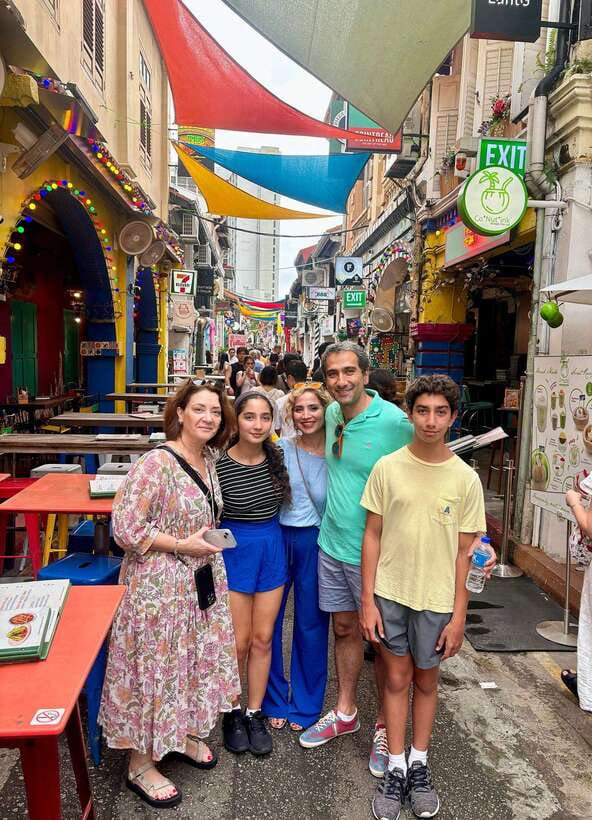
At $148 per person for a 6-hour tour, the price is easy to question at first glance—especially if you’ve heard that hawker meals can be cheap on your own. Here’s the value logic: you’re paying for coordinated sourcing and selection, plus a guide who connects each stop to the quarter’s social history.
You’re also getting things that cost money and time separately:
- Hotel pickup and drop-off (within city areas only)
- Public transport tickets between quarters
- Food and drink tastings across multiple locations, including beer
- A small group format (up to 8)
If you like food but also want planning help, this is where the price makes sense. You’ll eat more than you’d likely order alone, and you’ll avoid the guesswork of where to go for specific markets, temples, and community-linked eateries.
If you only want to “eat cheaply,” you can build your own route. But if your priority is context plus a day that runs on a schedule without you steering, this tour is a solid deal.
Who this tour fits best (and who should skip it)
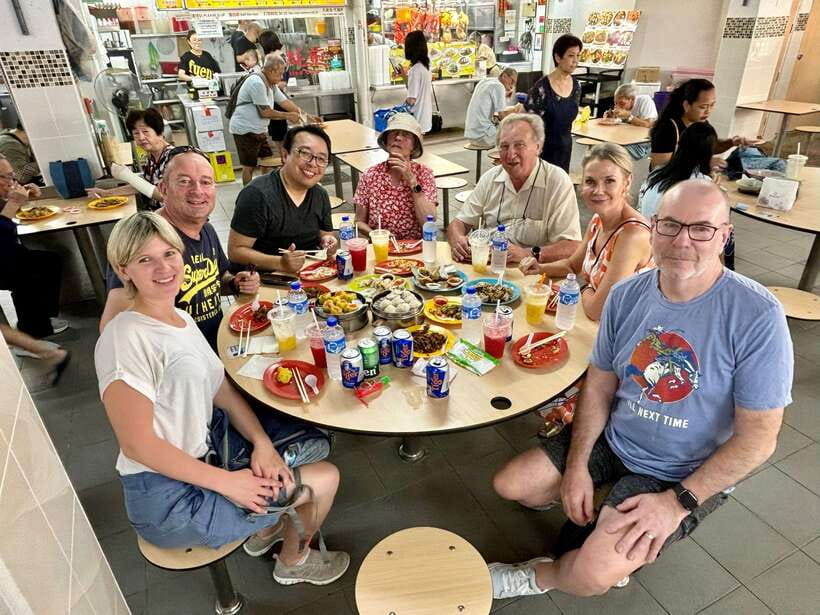
This works best if you want a day that combines street food with local stories you can’t easily pick up from a quick guidebook read. It’s a good match for couples, friends, and solo travelers who enjoy walking, market atmosphere, and asking questions.
It may not be ideal if you fall into categories the operator says it’s not suitable for, including:
- Pregnant women
- People with back problems
- People with mobility impairments or wheelchair users
- People with vertigo
- People with respiratory issues
- Vegans
- People with gluten intolerance
- People with low level of fitness
- Babies under 1 year
If you’re bringing kids, check the suitability—one note from past experiences shows it was enjoyed by a 15-year-old and a parent, but the overall operator rules still apply.
Practical tips so your day stays fun
Bring comfortable shoes and comfortable clothes. This is a walking-forward plan, and you’ll want your feet to feel good before you start chasing aromas in hawker centres and markets.
Keep your luggage small. Oversize luggage is not allowed, and you also can’t bring items like strollers or non-folding wheelchairs. If you’re traveling light already, you’re in good shape.
One more tip: be ready to eat and drink. Reviews consistently mention there’s a lot of food and drink, so don’t show up hungry in a “skipping breakfast” way and then expect to be stuffed only once. Think of the day as several tastings stitched together with stories.
Should you book this 3-ethnic-quarter street-food and history tour?
I’d book it if you want more than “try a few dishes.” This tour gives you street food in UNESCO-listed hawker centres, market walks that explain ingredients, and a guide who connects Chinatown, Little India, and Kampong Glam to Singapore’s immigration story and post-independence evolution.
Skip it if you need vegan or gluten-free options, if mobility or balance issues make walking difficult, or if you hate walking at a pace of about 6,000 steps in one day.
If you’re on the fence, here’s the quick decision rule: food lover who also likes history and culture, choose it. Pure “grab-and-go food” traveler, you can do cheaper on your own.
FAQ
What’s the duration of the tour?
The tour runs for about 6 hours.
How much does the tour cost?
It costs $148 per person.
Is it a small group tour?
Yes. It’s limited to 8 participants.
What locations does the tour cover?
You’ll cover Chinatown, Little India, and Kampong Glam.
What’s included in the price?
Food and drink (including beer), public transportation tickets, and hotel pickup and drop-off (depending on location).
Where can I get picked up?
Two pickup options are City Hall MRT (at Raffles City) and Raffles City. Exact pickup can vary by location in the city area.
If I don’t want pickup, where can I meet?
You can meet either at the first stop in Chinatown or Little India, or at the nearest MRT station (you’ll be advised by the operator through your booking).
Is the tour guide English-speaking?
Yes, the live guide speaks English.
What dietary needs should I watch for?
The tour is not listed as suitable for vegans or for people with gluten intolerance.
How much walking is involved, and what should I wear?
Expect about 6,000 steps. Wear comfortable clothes and shoes.
FAQ
What should I bring and what should I avoid bringing?
Bring comfortable shoes and comfortable clothes. Oversize luggage, baby strollers, luggage or large bags, mobility scooters, non-folding wheelchairs, non-folding strollers, walking frames, and baby carriages are not allowed.
What’s the cancellation policy?
Free cancellation is available up to 24 hours in advance for a full refund.
Can I reserve now and pay later?
Yes, reserve now & pay later is offered so you can book without paying immediately.