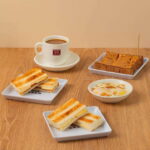
Food in Singapore is best when you see it up close. This short, small-group morning takes you through market life and ends with a hands-on cooking session. You’ll learn the why behind the bites, not just collect snacks.
I really like the five-person group size and the fact you make popiah yourself, not just watch. The walk also pairs tastings with food-industry and eating-custom basics, so you leave with real context for how Singapore eats.
One possible drawback: this is a 3-hour outdoor-style market crawl that depends on good weather, so plan around rain. If you prefer a sit-down meal with minimal walking, this might feel a bit like sensory training (in a good way).
In This Review
- Key highlights I’d circle before booking
- Morning Food Starts at Geylang Serai New Market
- Wet vs Dry Markets: What Your Guide Points Out
- Katong-Joo Chiat Stops: Where the Snacks Make Sense
- Popiah Hands-On Cooking Class (Yes, You’ll Make It)
- The Tastings You Can Look Forward To: Putu Piring and Kueh Pie Tees
- Value Check: Is $104.91 Worth It for a 3-Hour Small Group?
- Pace, Weather, and What to Wear for Market Walking
- Who Should Book This Tour (and Who Might Skip It)
- Practical Tips So You Enjoy Every Bite
- Final Call: Should You Book Ultimate Food Journey?
- FAQ
- How long is the Ultimate Food Journey tour in Singapore?
- Where does the tour start and where does it end?
- What time does the tour begin?
- What is the maximum group size?
- What foods will I get to sample or cook?
- Is there a mobile ticket?
- Do I need good weather for the tour?
- Can I cancel for free?
- When will I receive confirmation?
Key highlights I’d circle before booking
- Geylang Serai New Market as the starting point, with wet-market and dry-market flavors in one morning
- Small group (max 5), which usually means faster answers and more attention at each stall
- Hands-on popiah making, including learning the popiah crepe wrapper/skin concept as part of the process
- Street-food sampling tied to stories, including dishes like putu piring and kueh pie tees
- Guides who explain in practical detail, with examples like Veronica, Kenneth, and Anthony showing up in past leadership
Morning Food Starts at Geylang Serai New Market
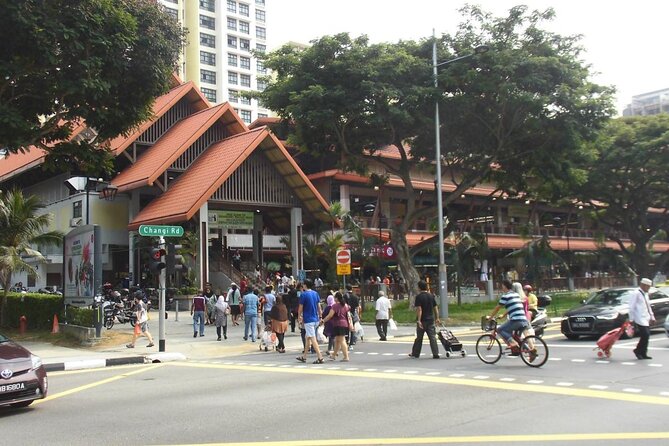
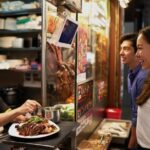
Your tour begins at Geylang Serai New Market in Singapore, a great place to get your bearings fast in this city’s food world. The idea isn’t sightseeing for sightseeing’s sake. It’s walking through real stalls, shops, and market routines so you understand what you’re eating and why people love it.
The timing is also helpful. With a 9:00 am start and about 3 hours total, you’re eating while the morning energy is still fresh, and you’re less likely to feel like you’re chasing your food all day. I like that the experience is built for a full food immersion without requiring a whole day off your plans.
You can also read our reviews of more food & drink experiences in Singapore


Wet vs Dry Markets: What Your Guide Points Out
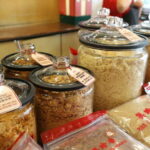
One of the best parts of this kind of tour is the difference between a wet market and a dry market, and how your guide helps you see it. At Geylang Serai, you’ll get the chance to look at how ingredients are displayed and handled, and how that affects cooking and eating styles.
A strong theme here is “food as culture.” You’ll hear about the local food industry and eating customs as you go, instead of getting a lecture that disconnects from what’s in front of you. Past leaders such as Veronica (noted for expert explanations) and Kenneth (known for English and Malay fluency) are the kind of guides who connect ingredients, spice use, and regional food habits.
What this means for you: you stop treating Singapore snacks like random bites. Instead, you start to recognize patterns—sweet versus savory snack logic, how fillings balance, and why certain preparations are common in particular areas and communities.
Katong-Joo Chiat Stops: Where the Snacks Make Sense
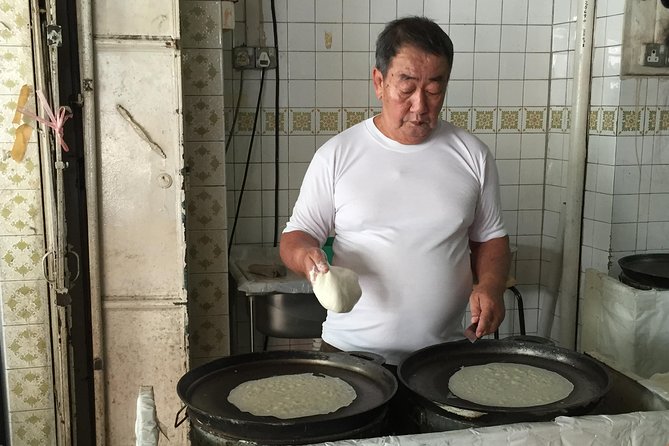
After Geylang Serai, the tour focuses on the Katong–Joo Chiat area. This isn’t just a change of scenery. It’s a chance to compare how food culture shifts by neighborhood.
Katong–Joo Chiat is associated with its own food identity, and the walking route helps you notice the contrast between market ingredients and ready-to-eat hawker-style food. You’ll sample local favorites along the way, with the tour designed to keep you moving and eating in a sensible order.
If you’re visiting Singapore for the first time, this pairing works well: start with the ingredient-and-market foundation, then continue into an area where the food feels more immediately “street ready.” That order makes the cooking class easier to understand later.
Popiah Hands-On Cooking Class (Yes, You’ll Make It)
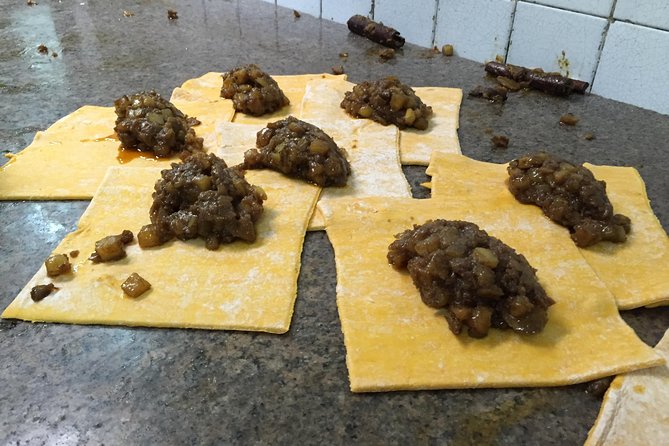
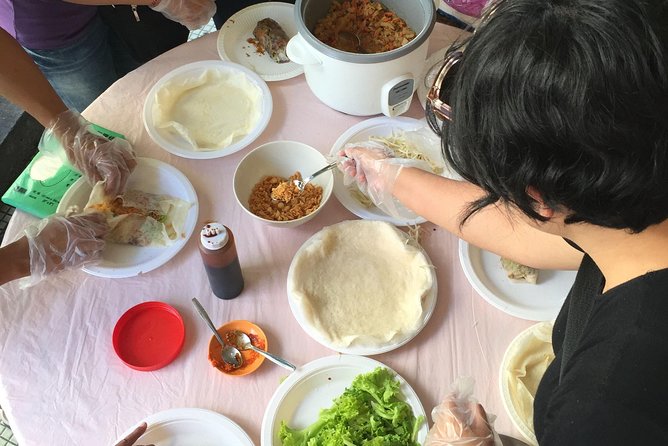
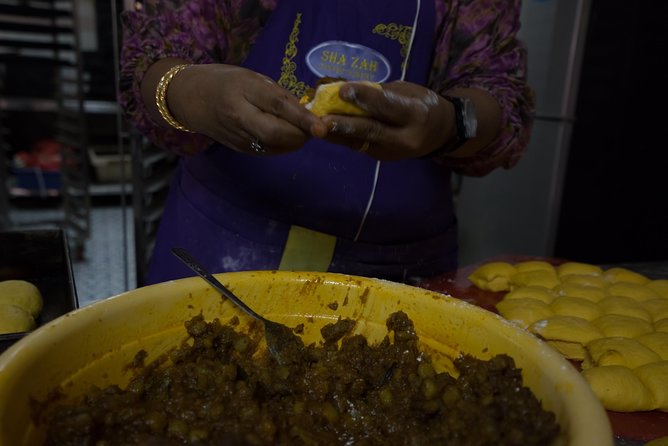
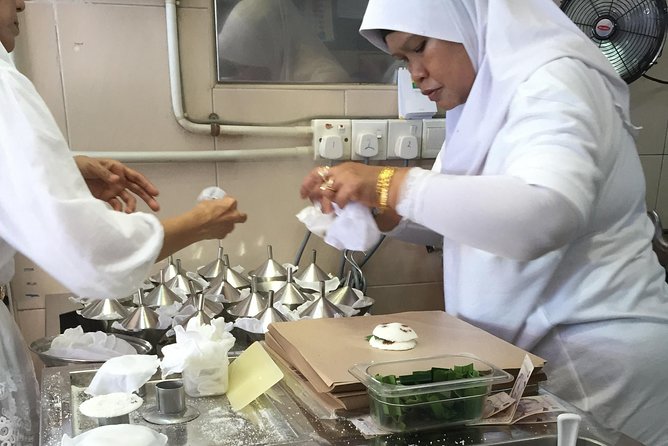
The tour doesn’t end at tasting. This is where it becomes a real learning experience: you’ll make popiah, Singapore’s fresh spring roll wrapped around savory fillings. The tour specifically calls out popiah as an Asian crepe-style item, which is useful context because the wrapper is the start of the whole flavor story.
In practical terms, expect a cooking segment where you get your hands involved. This is one of those activities where the goal isn’t culinary perfection. The goal is understanding process—how the wrapper is handled, how fillings are prepared, and how the final roll comes together.
And here’s the detail I like: the tour also includes seeing aspects of food prep behind the scenes. One highlight from the experience description is that you learn while watching and sampling, and past participants have described getting a glimpse of making elements like popiah skin and even curry-puff production in the broader market context. Even if your exact stop details vary a bit by route day, the emphasis stays the same: learn how these foods are made, not just what they taste like.
What you’ll take away:
- You’ll better understand how popiah gets its balance—crisp, fresh, savory, and slightly sweet notes working together.
- You’ll learn enough technique to recognize why a good popiah doesn’t taste just like “stuff inside a wrap.” It tastes like a system.
Also, quick reality check: your hands may get a little messy. That’s normal. In Singapore street food culture, that’s part of the fun.
The Tastings You Can Look Forward To: Putu Piring and Kueh Pie Tees
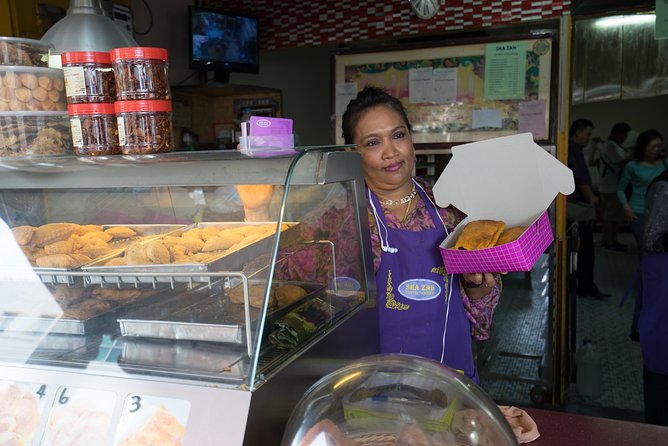
Food tours can be a hit-or-miss when they’re heavy on generic snacking. This one has specific targets, which makes it easier for you to feel confident you’ll eat things you actually want.
Two standout items called out in the tour overview are:
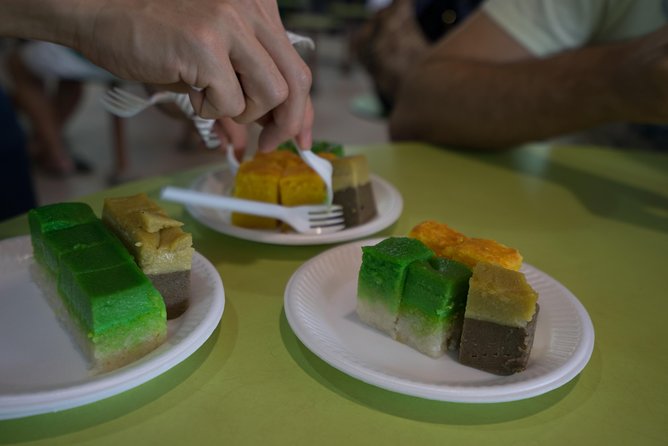
- Putu piring: a sweet rice flour snack you’ll get to sample. It’s the kind of treat that feels distinctly local, not just “another dessert.”
- Kueh pie tees: a savory tart, usually served with crisp textures and a mix of toppings. It’s a great contrast to sweeter snacks and helps show how Singapore street food covers both comfort and crunch.
You’ll also get popiah tasting as part of the experience, which matters because making something without tasting it first can be harder to calibrate. Taste and technique reinforce each other here.
If you’re a foodie, this is valuable because it’s not only about eating. It’s about comparing textures, sweetness levels, and how spices show up across different snack styles.
You can also read our reviews of more tours and experiences in Singapore


Value Check: Is $104.91 Worth It for a 3-Hour Small Group?
At $104.91 per person for about 3 hours, you’re paying for more than walking and sampling. You’re paying for:
- a guided route through market and neighborhood food zones,
- multiple tastings tied to local favorites (including specific named snacks),
- and a hands-on cooking component (popiah making).
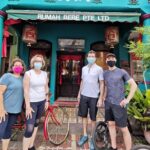
You’re also not doing it in a massive group. With a maximum of five travelers, this format tends to reduce that “tour herd” feeling. You get more chances to ask why something is prepared a certain way or what you’re actually tasting.
I also like that the tour uses a mobile ticket. That saves time at the start and helps keep you focused on getting to the first stalls.
If you’re trying to build “best Singapore day” value, a cooking element like this usually beats a purely observational food walk. You leave with taste memories plus a skill you can talk about later (and, frankly, show off a little).
One consideration: $104.91 isn’t “cheap eats.” It’s a mid-priced experience. If you’re on a strict budget, you’ll want to decide whether hands-on popiah making is the part you really want.
Pace, Weather, and What to Wear for Market Walking
This experience requires good weather. That means you should think of it as a street-and-market walk where conditions outside matter. Singapore weather can change fast, so plan for the possibility of rain and keep an eye on day-of updates.
Wear-wise, you want comfort over style. Markets mean standing, short walks between stalls, and time spent close to food prep and display counters. If you’ve got shoes you can stand in for a while, you’re already ahead.
Food-wise, the tour includes local specialties and likely a range of flavors. If you’re extremely sensitive to spice, ask questions early. The best guided experiences help you decide what to try on the spot.
Who Should Book This Tour (and Who Might Skip It)
This is a great fit if:
- you’re a first-time visitor who wants to understand how Singapore food culture works,
- you like markets and hawker-style eating (not just restaurants),
- you want a small-group experience that doesn’t rush you too much,
- you’re interested in cooking, even if you’re not a “serious home chef.”
This might be a weaker fit if:
- you dislike hands-on cooking or prefer to observe from a distance,
- you want a longer sit-down meal with lots of downtime,
- you’re not comfortable with walking in outdoor market areas for about three hours.
For most people who love street food, this hits a smart balance: you eat, you learn, and you take part in the making.
Practical Tips So You Enjoy Every Bite
Here’s how to get the most out of this type of morning.
First, don’t arrive overly stuffed. A food tour is only enjoyable if you can actually taste. If you’ve got a habit of heavy breakfast, consider going lighter beforehand.
Second, treat your guide like a translator for flavor. When you’re told what a snack is made from or how it’s meant to be eaten, ask follow-ups. If your guide is someone like Veronica or Kenneth (names that have come up in past leadership), you’re likely to get answers that connect the dish to the local ingredients and spice logic.
Third, be ready for texture variety. You’ll likely go from sweet snacks like putu piring to savory crisp items like kueh pie tees and then into the fresher, assembled popiah segment. That range is one reason this works well for food lovers.
Finally, bring a small, practical mindset. You’re not hunting for fine dining plating here. You’re learning how everyday Singapore foods are built to taste good in real life—standing, sharing, and moving.
Final Call: Should You Book Ultimate Food Journey?
I’d recommend booking this if you want a Singapore food experience that feels grounded in real places and real food work. The small group helps a lot, and the hands-on popiah cooking is the kind of “memory + skill” combo that makes a tour worth paying for.
I’d consider skipping only if weather concerns or walking pace is a dealbreaker for you. Otherwise, this is an excellent way to spend a morning: market atmosphere first, named street snacks next, and then a cooking class that turns what you ate into something you can actually understand.
FAQ
How long is the Ultimate Food Journey tour in Singapore?
The tour lasts about 3 hours.
Where does the tour start and where does it end?
It starts at Geylang Serai, Singapore and ends back at the meeting point.
What time does the tour begin?
The start time is 9:00 am.
What is the maximum group size?
The tour has a maximum of 5 travelers.
What foods will I get to sample or cook?
You’ll sample local favorites including putu piring, and you’ll learn to make popiah and kueh pie tees.
Is there a mobile ticket?
Yes, the tour uses a mobile ticket.
Do I need good weather for the tour?
Yes. The experience requires good weather, and if it’s canceled due to poor weather, you’ll be offered a different date or a full refund.
Can I cancel for free?
Yes. You can cancel for free up to 24 hours before the experience start time for a full refund.
When will I receive confirmation?
You’ll receive confirmation at the time of booking.