REVIEW · CHINATOWN, LITTLE INDIA & KAMPONG GLAM WALKING TOURS
UNESCO Hawker Culture: Chinatown Food Tasting Tour
Book on Viator →Operated by LC Travel Planners · Bookable on Viator
Hawker food meets street history. This UNESCO-style Chinatown walk is built to solve Singapore’s main problem: tasting great hawker food without guessing. You’ll pair hawker icons like chicken rice with nearby temples, restored shophouses, and a proper stop for a hot coffeehouse drink.
I especially like how the tour turns a chaotic hawker scene into an easy plan—9 to 10 hand-picked dishes and drinks (plus mineral water) are timed around the route. And I love the people angle: you’re with a licensed local guide who adds context so the food doesn’t feel random, whether it’s a quick chicken rice lesson or why those alley murals matter.
One thing to consider: it’s still a 3-hour walking loop through Chinatown and nearby areas. If you’re not into frequent stops, narrow footpaths, and eating multiple small portions back-to-back, you’ll want to pace yourself and come hungry—but not starving.
In This Review
- Key things that make this Chinatown hawker tour work
- Why UNESCO hawker culture feels different in Chinatown
- Price and what $88.81 really buys you
- The route starts at Bee Cheng Hiang and ends in Chinatown’s food zone
- Sri Mariamman Temple: a loud start, then immediate calm
- Ann Siang Hill Park: shophouses and the old business beat
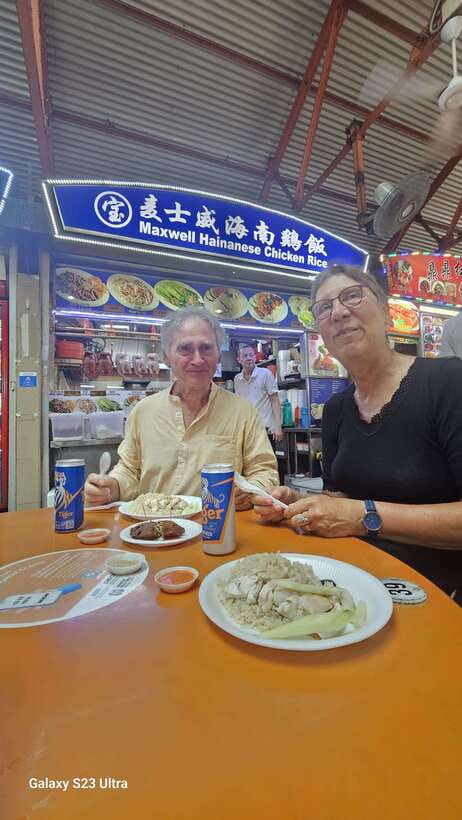
- Maxwell Food Centre: where the chicken rice moment lands
- Buddha Tooth Relic Temple and Museum: a cultural pause before more food
- Chinatown Complex and Smith Street: architecture you can photograph, not just pass
- The traditional coffeehouse hot drink stop matters more than you think
- What you’ll taste (and why the guide’s selection is the whole point)
- Guides make or break this tour: the human pattern behind the praise
- Who this tour is best for
- A couple of practical tips so you’ll enjoy it more
- Should you book this UNESCO hawker culture Chinatown tasting tour?
- FAQ
- How long is the UNESCO Hawker Culture Chinatown Food Tasting Tour?
- How many dishes and drinks are included?
- Where does the tour start and end?
- Is admission included for the temple stops?
- What if an attraction closes during the tour?
- Can children join the tour?
Key things that make this Chinatown hawker tour work
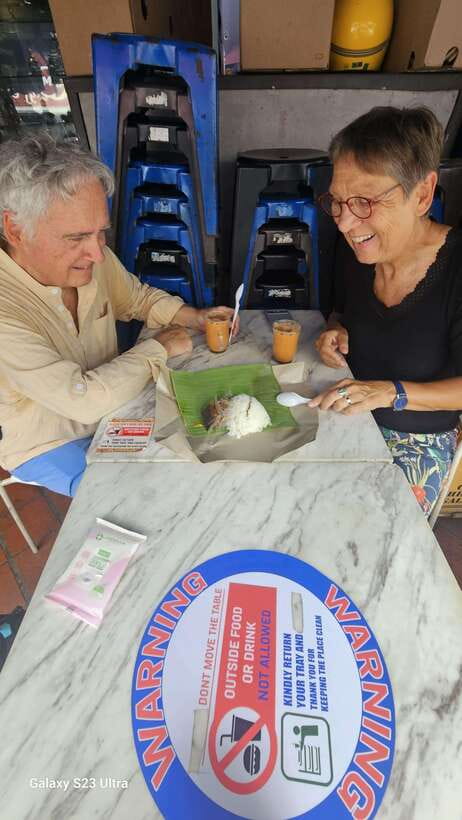
- Up to 10 tastings planned across hawker centres, with famous dishes like chicken rice on the list
- UNESCO-recognized hawker culture meets architecture: temples, shophouses, and street murals
- A licensed local guide who explains what you’re eating and what you’re looking at
- Maxwell Food Centre as the hawker anchor stop, where the classic flavours are easy to compare
- A traditional coffeehouse hot drink stop, so the tour ends with Singapore’s café culture, not just more food
- Small group size (up to 10), which helps you get around hawker courtyards without feeling lost
Why UNESCO hawker culture feels different in Chinatown
Singapore’s hawker culture is about more than noodles and grilled meat. It’s a living food system shaped by migration, trade, and everyday schedules—and Chinatown is where you can feel those layers fast.
On this tour, the guide keeps you moving with a simple goal: taste the flavours and understand the setting. You’re not just collecting snacks; you’re watching how communities overlap—Chinese, Malay, and Indian influences show up in menus, cooking styles, and even the way you order.
You can also read our reviews of more food & drink experiences in Singapore
Price and what $88.81 really buys you
At $88.81 per person for about 3 hours, you’re paying for three things: guided routing, scheduled food stops, and a defined tasting count. The tour includes 9 to 10 hand-picked food items at major hawker centres, plus a bottle of mineral water. Tips aren’t required, which keeps the total easier to control.
If you try to DIY this, you’ll spend time figuring out which stalls are worth it and how to avoid ordering a pile you can’t finish. Here, the guide handles the hard part—matching you with hawker staples (and Michelin Bid Gourmand Award–recognized options) so your meal list makes sense.
The route starts at Bee Cheng Hiang and ends in Chinatown’s food zone
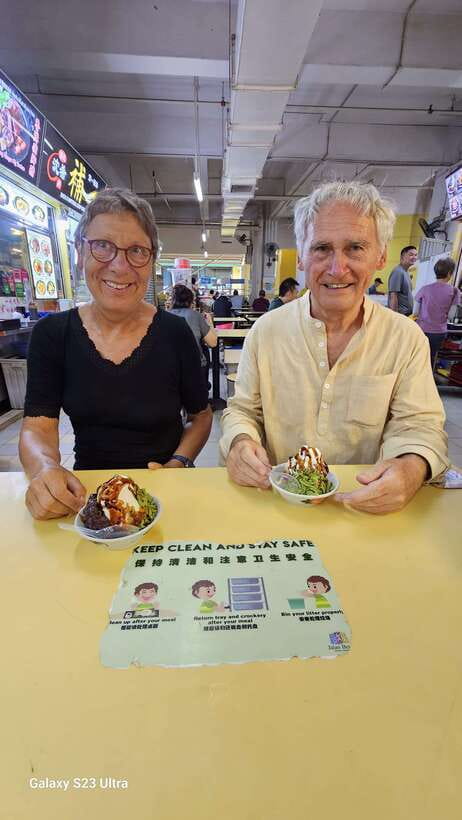
The tour meeting point is Bee Cheng Hiang on Pagoda Street (69 Pagoda St). It’s a useful starting spot because it puts you right into the Chinatown flow from minute one, instead of beginning miles away and trying to catch up.
The walk ends at Chinatown Complex on Smith Street. The nearest MRT to the end is Maxwell Station, which is handy if you’re planning dinner plans right after the tour or heading back to your hotel.
Sri Mariamman Temple: a loud start, then immediate calm
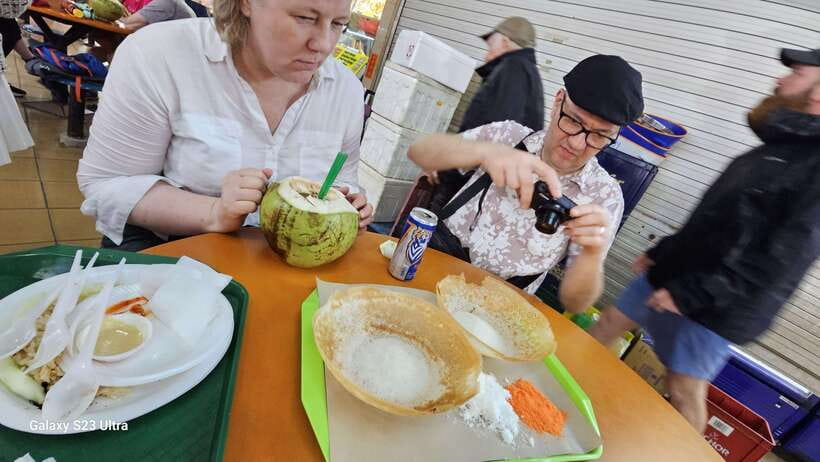
You begin at Sri Mariamman Temple, founded in 1827 by Naraina Pillai, a prominent figure in Singapore’s Indian community. It’s also recognized as a National Monument for its historical and architectural significance.
Even if you’re not religious, the value here is timing. Starting at a major temple gives you a cultural anchor before the tour shifts into food, and it helps you notice how Chinatown’s story isn’t only Chinese—migration and faith communities sit side by side.
Ann Siang Hill Park: shophouses and the old business beat
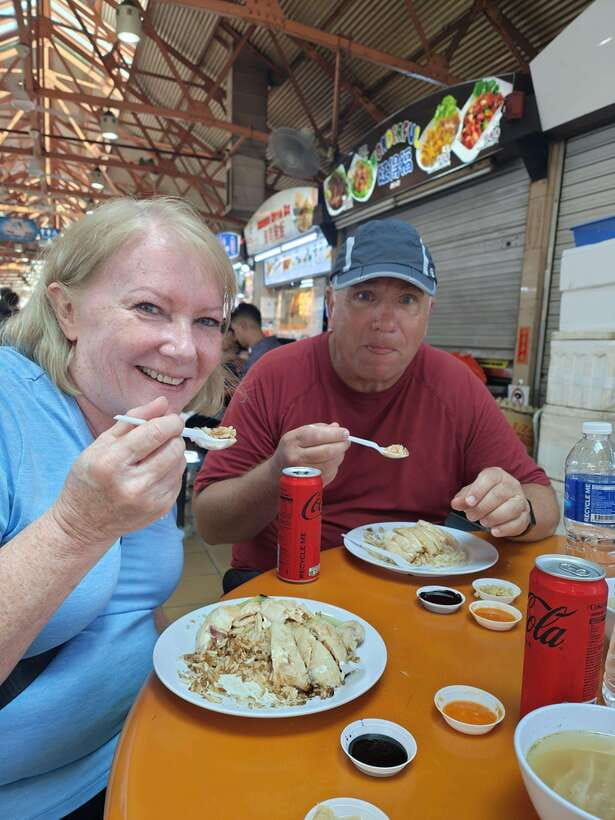
Next is Ann Siang Hill Park, an area tied to earlier business activity for Chinese immigrants. The real point isn’t just a pretty park stop; it’s a chance to see preserved and restored shophouse character without rushing past it.
This section is short on purpose. It gives you a breather from eating chaos while still moving you toward the hawker heart of the afternoon.
You can also read our reviews of more tours and experiences in Singapore
Maxwell Food Centre: where the chicken rice moment lands
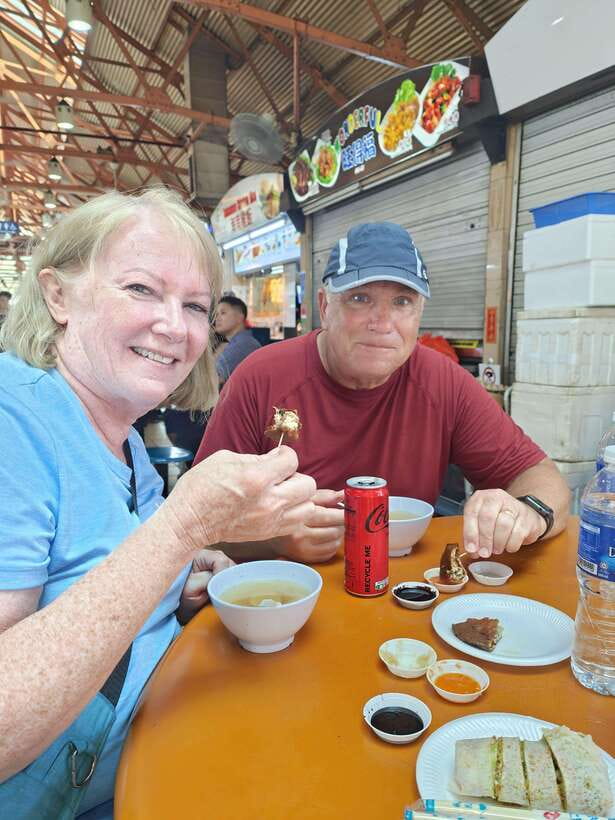
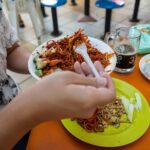
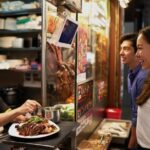
Your hawker centre highlight is Maxwell Food Centre, a go-to spot for classic Singapore hawker dishes. It’s strongly associated with Singapore chicken rice, and the broader menu world here can include items like Fuzhou pancakes.
What makes this stop especially valuable is comparison. When multiple stalls are in one place, you can taste confidently because the setting is controlled. A guide also helps you avoid the common hawker mistake: over-ordering because everything looks good, then regretting it when the line gets longer and you still have more tastings coming.
Buddha Tooth Relic Temple and Museum: a cultural pause before more food
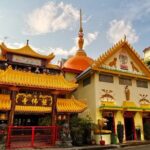
After hawker time comes a change of pace at Buddha Tooth Relic Temple and Museum. This Tang-styled Chinese Buddhist temple is known for richly designed interiors and exhibits that cover Buddhist art and history.
This stop works well on a food tour because it resets your senses. You’re not running from one bite to the next with no context; you get a quiet, slower moment where you can absorb what you’ve seen and heard so far.
If you’re the type who loves reading signage or taking a few minutes to look at design details, this is the place to do it.
Chinatown Complex and Smith Street: architecture you can photograph, not just pass
Then you shift into the wider Chinatown scene: Chinatown Complex and the Smith Street area, where shophouses show off Chinese-style tile motifs and decorative exterior details.
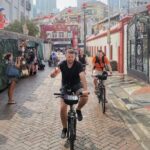
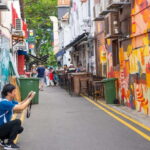
Smith Street adds the fun factor with Instagrammable murals by local artist Yip Yew Chong. This isn’t just for photos; the murals help you place the neighbourhood in a modern story while still connected to heritage.
The stop also includes an alley-style walking feel, which means you’ll likely hear the area differently than you would on a main road. If you like atmosphere, this is where the tour feels more like a neighbourhood walk than a checklist.
The traditional coffeehouse hot drink stop matters more than you think
You end with a rest stop at a traditional Singapore coffee shop, plus a hot drink. This is the kind of detail that’s easy to underestimate on a food tour—until you do it.
Coffeehouse culture in Singapore is part of the daily rhythm, not a tourist add-on. A warm drink also helps you pace your final tastings so you don’t end the tour feeling overfull and rushed.
What you’ll taste (and why the guide’s selection is the whole point)
The core idea is simple: you’re sampling up to 10 hand-picked dishes and drinks across famous hawker centres. The tour also aims for dishes tied to Michelin Bid Gourmand Award selections, where that’s available in the schedule.
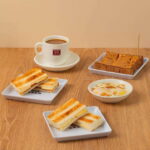
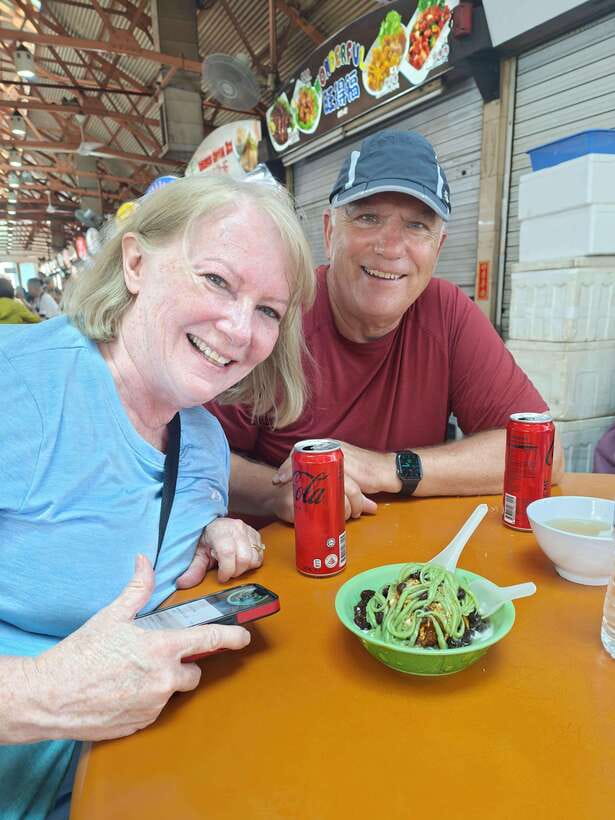
You can expect staples such as chicken rice (including versions tied to Hainanese-style preparations). Depending on your specific guide and the day, you may also see items like Fuzhou pancakes and desserts or drinks such as chendol.
Here’s the practical benefit: you’re getting variety in small portions rather than one huge meal. That’s the easiest way to understand Singapore’s “fusion” reputation because you taste the different influences in the same afternoon rather than across multiple dinners.
Guides make or break this tour: the human pattern behind the praise
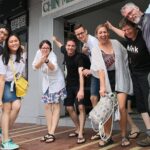
The tour is led by licensed local guides, and the strongest sessions seem to share the same style: friendly pacing, lots of Q&A, and clear explanations that tie food to place.
Names that have shown up for guides include Silvia, Jeanette, Kelvyn, Liang, and Ronnie. What stands out across these guides is the mix: they’ll talk about what you’re eating and also connect it to how Singapore grew—politics, migration, and daily life, not just food facts.
If you’re the kind of person who likes asking, you’ll likely enjoy this more than a self-guided walk. It turns the tour into a conversation, not a sprint.
Who this tour is best for
This tour is a strong match if you want:
- A first-timer’s route that makes Chinatown easy to navigate
- A guided way to taste multiple hawker favourites without spending hours researching stalls
- A blend of food + cultural stops (temples, shophouses, murals), not just an eat-and-run schedule
- A small group setting (up to 10) where it’s manageable to follow along
It’s also a good choice if you’re travelling with kids who can handle light walking and small tastings—there’s a child ticket structure, and the tour is described as doable for most travellers.
A couple of practical tips so you’ll enjoy it more
Come hungry, but keep expectations realistic. “Up to 10” usually means you’ll be eating steadily, not sampling huge plates, so you don’t need to arrive starving.
Wear comfortable shoes. The route includes short walks, alleyways, and longer hawker-centre time, so you’ll be standing a lot.
If you’re picky, don’t rely on menus alone. Tell your guide early about dietary limits or things you really don’t want. Since dishes are hand-picked, guidance matters more than scanning a menu after you’re already seated.
Should you book this UNESCO hawker culture Chinatown tasting tour?
I think you should book it if you want a structured Chinatown experience that still feels local. The price makes sense because it bundles guided routing plus a defined tasting count, and you get cultural context from temple and heritage stops rather than just a food crawl.
Skip it only if you strongly prefer eating one big meal at a time, dislike walking for three hours, or need lots of free time to wander without guidance. The tour is designed to keep you moving, tasting, and learning in a tight rhythm.
FAQ
How long is the UNESCO Hawker Culture Chinatown Food Tasting Tour?
It runs for about 3 hours.
How many dishes and drinks are included?
You’ll sample 9 to 10 hand-picked food at hawker centres (or Michelin Bid Gourmand Award dishes) and drinks, plus 1 bottle of mineral water.
Where does the tour start and end?
It starts at Bee Cheng Hiang (69 Pagoda Street) and ends at Chinatown Complex (335 Smith St). The nearest MRT station to the end point is Maxwell Station.
Is admission included for the temple stops?
The itinerary shows free admission for the listed paid attractions (for example, Sri Mariamman Temple is listed as free).
What if an attraction closes during the tour?
If an included paid attraction is closed due to unforeseen circumstances, the operator may substitute it with an alternative of similar value. No refunds or compensation are provided for closures or substitutions.
Can children join the tour?
Yes, children can participate with specific ticket rules listed in the child policy (based on how many child tickets you can purchase relative to adult tickets).