REVIEW · CHINATOWN, LITTLE INDIA & KAMPONG GLAM WALKING TOURS
Chinatown Heritage and Local Street Food Small Group Tour
Book on Viator →Operated by Looppee Tour · Bookable on Viator
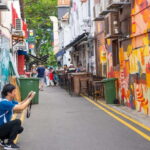
Chinatown smells like lunch and stories. This small-group food-and-heritage tour strings together hawker centres and landmark stops, so you understand what you’re eating while you walk. The route stays focused on food you can actually find locally, not tourist-only plates, which makes it feel practical from minute one.
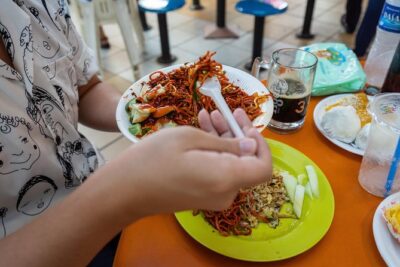
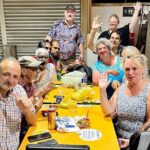
I especially like the street-food tastings. You’re guided to try a stack of local favourites, and the servings add up to more than a few bites—think a real hawker-centre meal pace, plus sweet and tea-style stops. On tours led by Jason, the spread can feel like a full snack-to-meal progression (including items such as chicken rice, cake, tea, and even durian, when that’s on the day’s lineup).
One thing to consider: it’s still a walk and it includes queue time at hawker stalls. If you’re not into standing for a bit, or if your idea of Singapore is getting around by taxi all day, this might feel a touch slower than you want—and transport isn’t included, so you’ll want to get to the meeting point easily.
In This Review
- Key Highlights You’ll Care About
- First Steps in Chinatown: How the Route Sets You Up
- Buddha Tooth Relic Temple and Museum: A Quick Stop That Explains the Area
- Chinatown Complex: Where Hawker Food Feels Like City Life
- Sago Street (Street of the Dead): A Name With Weight
- Leisure Stroll Through Chinatown: Shophouses and Everyday Stops
- Sri Mariamman Temple and Jamae Mosque: The Religious Mosaic Close Up
- Maxwell Food Centre: The Main Event for Chicken Rice, Cake, and More
- What the 7–8 Tastings Actually Mean for Your Wallet
- Timing and Logistics: How to Make the Schedule Feel Easy
- Guides: Jason (and Sometimes Carol) Make It Feel Personal
- Who This Tour Fits Best (And Who Should Skip It)
- Small Details That Make a Big Difference
- Should You Book Chinatown Heritage and Local Street Food?
- FAQ
- Where does the tour start and end?
- How long is the Chinatown Heritage and Local Street Food tour?
- What’s included in the price?
- Is transport included?
- How big is the group?
- What food and stops should I expect?
- Can I get a full refund if my plans change?
Key Highlights You’ll Care About
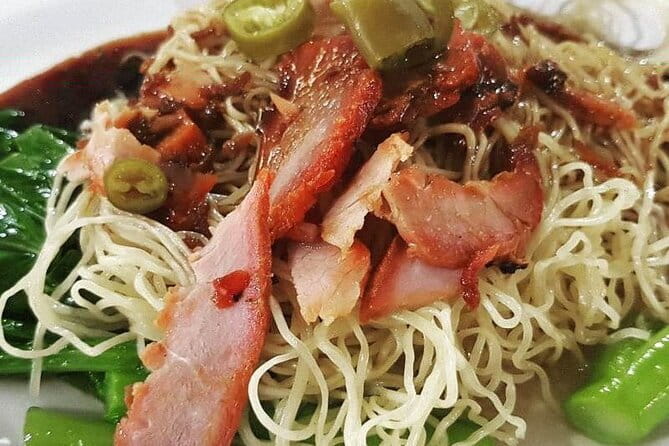
- Maxwell Food Centre time: a full hour at one of Chinatown’s best-known hawker centres, with popular dishes like Tian Tian-style chicken rice that can mean a line
- Temple stops, not just eating: quick visits connected to Chinatown’s Buddhist and Hindu heritage, plus a famous mosque photo stop
- Guide-led pacing: the small group size (max 10) keeps the conversation going and makes it easier to ask questions
- Real food variety: you get 7 to 8 tastings plus drinks, not just one main dish
- Allergy-aware when possible: at least some guides can tailor the food choices when you flag allergies
First Steps in Chinatown: How the Route Sets You Up
This tour works because it starts where most people end up later: Chinatown’s core. You don’t waste time with a long intro lecture or a random shopping stop. Instead, you begin with cultural context and then immediately head into food mode, so the neighbourhood makes sense as you go.
I like that the pace is designed for people who want both worlds: heritage sights and hawker-centre food. A lot of food tours do one or the other. Here, you get a guided walk that ties street culture and religious landmarks to what you’ll see and taste.
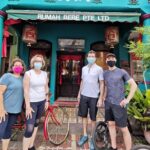
The group stays small, with a maximum of 10. That matters because it changes the feel: you can ask questions, the guide can manage the flow at crowded stalls, and you’re less likely to get lost in a slow-moving crowd.
You can also read our reviews of more food & drink experiences in Singapore
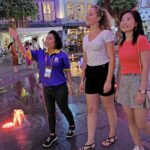

Buddha Tooth Relic Temple and Museum: A Quick Stop That Explains the Area
The first real landmark stop is the Buddha Tooth Relic Temple and Museum. It’s in the heart of Chinatown, and the big draw is that it houses a sacred relic believed to be a tooth of the Buddha.
Even though this stop is short (about five minutes), it gives you a framework for reading Chinatown. You notice how close everyday life is to religious space here. That helps later when you pass temples and a mosque, because it’s not just sightseeing—you’re seeing how different communities share the same urban fabric.
Good to know: admission for this stop is free on the tour plan, so you’re not paying extra just to get oriented.
Chinatown Complex: Where Hawker Food Feels Like City Life
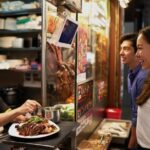
Next comes Chinatown Complex, one of the best-known hawker hubs in the area. The key point isn’t just that it’s a hawker centre—it’s that it’s large and packed with everyday choices. You can taste the Singapore pattern: lots of small plates, lots of variation, and lots of locals who already know what they want.
This stop runs about 20 minutes. That’s enough time for you to sample and settle into how the guide handles ordering and flow. It’s also a chance to see how hawker culture works in practice: you’re not waiting for a sit-down restaurant experience, you’re stepping into a working food environment.
Because the tour includes tastings, you don’t have to decide everything on your own. That’s a real advantage if you’re visiting for the first time and you don’t yet know which stalls are worth chasing.
Sago Street (Street of the Dead): A Name With Weight
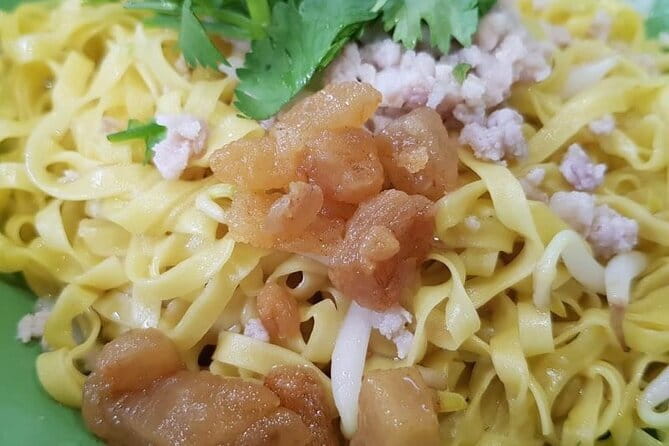
Sago Street gets a short stop, around five minutes, but it’s a powerful one. Historically, it was tied to Chinatown’s trading life, and the nickname Street of the Dead comes from older burial-related associations connected to the area’s past.
I like stops like this because they add a layer of meaning without dragging you through a long history lesson. You glance, you connect a name to a story, and then you move on to the food. That rhythm keeps the tour lively and makes the learning stick.
If you tend to skim over street names at home, this is the kind of quick stop that fixes that habit. You’ll remember Sago Street because you’ll know why the name sounds unusual.
Leisure Stroll Through Chinatown: Shophouses and Everyday Stops
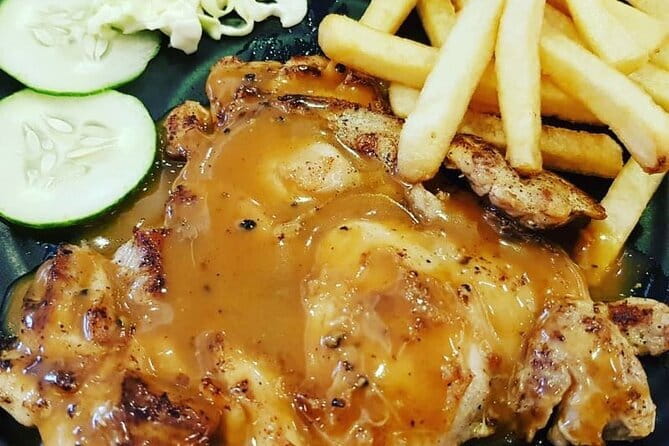
About an hour is set aside for a leisurely walk through Chinatown. This is where you slow down enough to notice street design and small-shop culture. The tour doesn’t rush you past everything like a conveyor belt.
You’ll see shophouses and traditional shops, which help you understand why Chinatown looks the way it does. Even if you’re more of a food person than an architecture person, the details matter: they explain the narrow streets, the shophouse fronts, and why hawker centres feel so central.
This stretch is also useful for grabbing your bearings. If it’s your first day, you’ll start to get the map in your head: temples here, hawker centres there, and the streets that connect it all.
You can also read our reviews of more tours and experiences in Singapore


Sri Mariamman Temple and Jamae Mosque: The Religious Mosaic Close Up
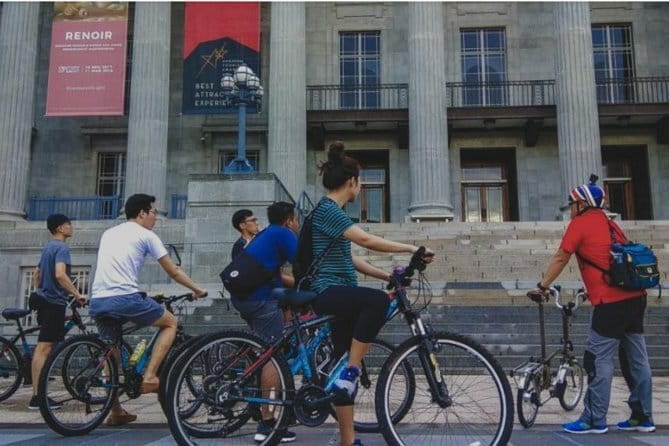
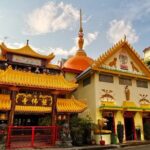
Two major spiritual landmarks show up during the walking portion: Sri Mariamman Temple and Jamae Mosque (also known as Jamae Chulia Mosque).
Sri Mariamman Temple is Singapore’s oldest Hindu temple, located in the heart of Chinatown. Jamae Mosque is one of Singapore’s oldest historic mosques, also in Chinatown. These stops give you a clear look at how multiple communities have shaped the same neighbourhood over time.
I like that these are short, practical interruptions rather than long detours. You’re not sacrificing the food schedule to get the cultural context. You’re getting enough to notice patterns, take photos, and understand what you’re walking past.
Tip: dress for respect. Even if you’re not entering every space for long, you’ll be near active places of worship.
Maxwell Food Centre: The Main Event for Chicken Rice, Cake, and More
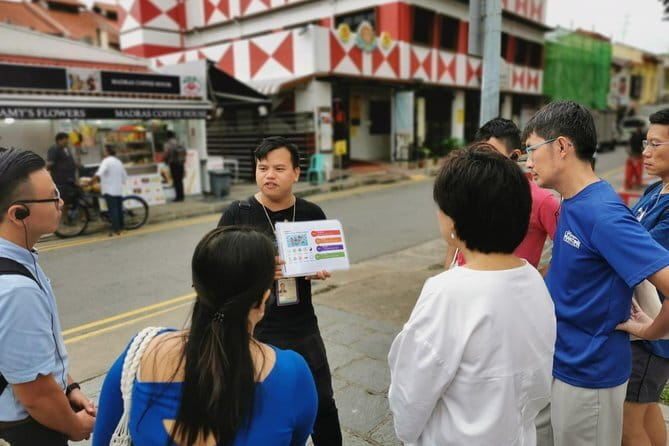
Maxwell Food Centre is where the tour most clearly earns its keep. You spend about one hour here, and it’s designed as the hawker-centre highlight.
Maxwell is known for offering a wide range of local dishes, and it’s famous for being the place food lovers keep circling back to. For this tour, the time at Maxwell isn’t just wandering—you’re tasting.
In practice, guides like Jason often bring you through a popular dish path. One highlight is queuing up for Tian Tian-style chicken rice, which can take a bit of waiting. But that line exists for a reason, and the guide helps you handle it without getting stuck.
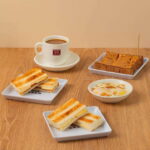
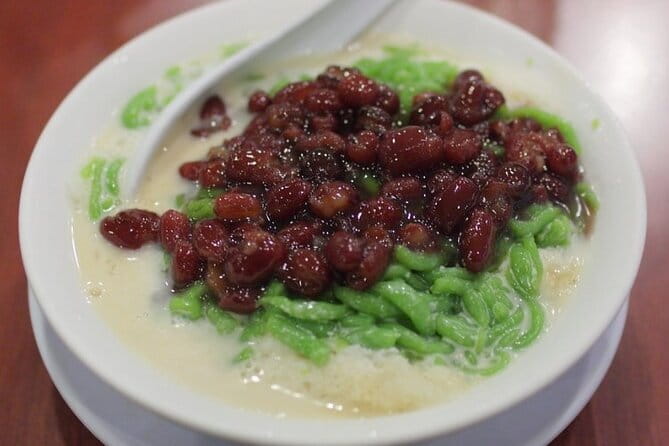
Then the food keeps moving. The tastings can include a mix of savoury dishes plus sweet and tea-style items. In at least some instances, the tour flow can feel like a multi-part meal: a chicken rice-focused start, then cake and tea, and even durian, ending with a kaya breakfast-style finish.
If you like structure, you’ll enjoy this part. You don’t have to choose every stall; you’re guided through a logical sequence.
One note: hawker centres can be crowded, and the smells are intense. That’s normal. Bring a bit of patience and enjoy the sensory overload.
What the 7–8 Tastings Actually Mean for Your Wallet
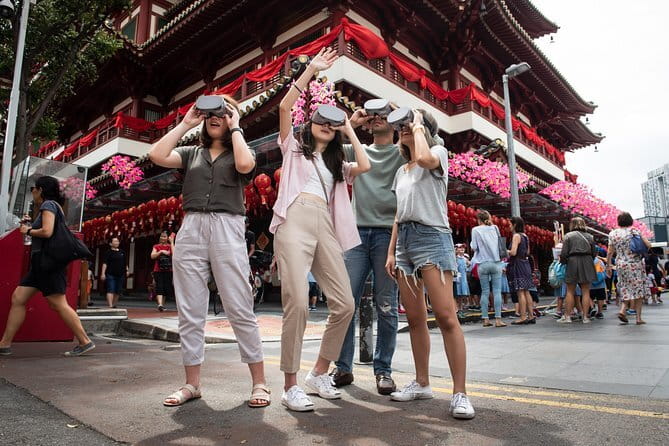
At $52.31 per person for about 2 hours 30 minutes, this isn’t just a bargain snack crawl. It’s a guided way to string together enough food that your Singapore day feels complete.
The value comes from a simple combo:
- Multiple tastings (7–8) rather than a couple of items
- A guide managing the choices and timing so you don’t waste time deciding
- One big anchor meal at Maxwell Food Centre
Can you eat this well on your own? Sure. But doing it well on your first day is harder than it looks. You’d need to know where to go, what to order, and how to time it around queues. This tour collapses that learning curve into a single morning/early afternoon style block.
Transport isn’t included, so your real out-of-pocket cost includes getting to Maxwell Station Exit 2. Once you’re there, though, the food portion is covered.
Timing and Logistics: How to Make the Schedule Feel Easy
The tour starts at Maxwell Stn Exit 2 and ends back at the same meeting point. That round-trip setup matters because it reduces decision fatigue. You’re not planning a second pickup location or figuring out how to get back after eating your weight in chicken rice.
The duration is about 2 hours 30 minutes. That sounds short, but it adds up fast in hawker areas where you’re moving between stalls, waiting, and eating. Shoes matter. So does water. And if you’re sensitive to spice, you’ll want to let the guide know early.
You’ll also get a mobile ticket, and you’ll receive confirmation at booking. The tour caps at 10 people, which usually keeps the group from turning into a slow shuffle.
Also, the experience is listed as near public transportation. That’s ideal for a city like Singapore, where getting around is easier than people expect—once you know the station exits.
Guides: Jason (and Sometimes Carol) Make It Feel Personal
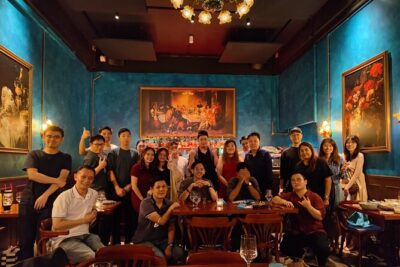
The strongest signal from the experience is the guide style. Jason stands out as a guide who keeps the tour fun and conversational, weaving food with stories and local meaning. He’s also linked with practical “this is why we’re eating this” explanations, not just naming dishes.
Carol shows up in at least one instance as part of the guiding team. That’s useful because it suggests the operation isn’t a one-person show. If Jason is unavailable on a given day, you may still get the same approach: friendly, informed, and focused on getting you fed and oriented.
One of the best signs for people with food needs: the tour has shown flexibility when someone has allergies. That doesn’t mean every restriction will be safe for every dish, but it does mean the guide is willing to adapt the tastings when you raise the issue.
If allergies or strong preferences apply to you, treat this like a checklist situation. Share the details at booking or at the very start of the tour so the guide can plan around it.
Who This Tour Fits Best (And Who Should Skip It)
This tour is ideal if you want:
- A first taste of Singapore beyond one restaurant meal
- Chinatown heritage plus hawker-centre food in one connected route
- A guide to help you order and pace yourself through crowds
- A structured tasting experience with multiple stops
It’s also a good option for families, at least based on how guides can adapt pace and choices. If your group includes a child or someone picky, tell the guide what matters and let them build the tasting plan accordingly.
Skip it if:
- You hate queues and standing in crowded food halls
- You can’t do moderate walking
- You want total freedom to roam without scheduled stops
Also, if you’re the type who wants to study one hawker centre in depth, you might prefer a solo plan. This tour is designed for breadth and first-day orientation.
Small Details That Make a Big Difference
Bring cashless payment habits if you’re using add-on snacks beyond the included tastings. The tour includes food and drink tastings, but personal expenses are not included, so you might still want spending flexibility.
Also, keep your expectations realistic about taste variety. You’re sampling 7 to 8 items, so you’ll get a good range. But you might not get every dish you dream about from social media. That’s okay. The point is the Singapore pattern—small portions, variety, and a few memorable anchors.
Finally, plan your day so you can smell the food and actually enjoy it. Don’t schedule a strenuous activity right after. Hawker food is fun, but you’ll be walking and eating for a while.
Should You Book Chinatown Heritage and Local Street Food?
If you’re visiting Singapore and you want one smart way to see Chinatown while eating like a local, this is an easy yes. For $52.31, you’re buying time-saving guidance and a multi-stop tasting that lands at Maxwell Food Centre—the part most people remember.
Book it if:
- You want heritage landmarks and hawker food in one package
- You like conversational guides who connect dishes to place
- You’d rather spend your time eating than researching stalls
Hold off if:
- You need a low-walking day or hate lines
- You’re going to spend the day elsewhere and don’t want to be tied to a set route
- You have complex dietary needs and haven’t confirmed suitability for your specific restrictions
If you can, book ahead. This type of small-group tour tends to fill, and going in with a plan makes your Chinatown day smoother.
FAQ
Where does the tour start and end?
The tour starts at Maxwell Station Exit 2 and ends back at the same meeting point.
How long is the Chinatown Heritage and Local Street Food tour?
It runs about 2 hours 30 minutes.
What’s included in the price?
The tour includes a guide and 7 to 8 local food and drink tastings.
Is transport included?
No. Transport is not included.
How big is the group?
The tour has a maximum of 10 travelers.
What food and stops should I expect?
You’ll visit Chinatown area landmarks and hawker centres, including the Buddha Tooth Relic Temple and Museum, Chinatown Complex, Sago Street, and a highlight stop at Maxwell Food Centre.
Can I get a full refund if my plans change?
Yes. You can cancel for a full refund up to 24 hours in advance of the experience start time.