REVIEW · CITY TOURS
Off the Beaten Track in Singapore: Private City Tour
Book on Viator →Operated by Withlocals · Bookable on Viator
Skip the skyline. Try real neighborhoods.
This private 3-hour tour trades the usual checklist for off-the-beaten-track stops and a walking-focused route that shows how Singapore feels when you’re not in the main tourist lanes. I like that you can adjust the plan with your host, and that the vibe is local from start to finish, with stories about ordinary life, not just landmarks.
Two highlights I really appreciate: you visit Sri Darma Muneeswaran Temple with a rare view of rituals, then you head to Kampong Buangkok, described as the last surviving kampong on mainland Singapore. You also get that cool, unexpected contrast—part temple neighborhood, part suburban living—plus a chance (depending on the route) to see a slice of jungle within the city.
One thing to plan for: this tour involves walking, and there’s no guest pickup or food/drinks included. If you run hot, come ready with water and light layers, and use the short time wisely.
In This Review
- Key things you’ll notice on this tour
- Serangoon and the suburbs: a different Singapore mood
- Starting at Serangoon MRT (NE12): fast access, no hotel pickup
- Sri Darma Muneeswaran Temple: where ritual details are easy to see
- Kampong Buangkok: the last mainland kampong story in 20 minutes
- The flexible extra stop: HDB life and that city-jungle contrast
- Walking pace, heat, and what to bring
- Price value: $104.01 for a private 3-hour local lens
- Who this tour suits best (and who might skip it)
- Should you book this Off-the-Beaten-Track Singapore tour?
- FAQ
- FAQ
- How long is the Off the Beaten Track in Singapore private city tour?
- How much does the tour cost?
- Is this tour private or shared with other people?
- Where do I meet the guide?
- Do I get hotel pickup or drop-off?
- What stops are included?
- Do I need to pay for admission or bring food?
- Is free cancellation available?
Key things you’ll notice on this tour
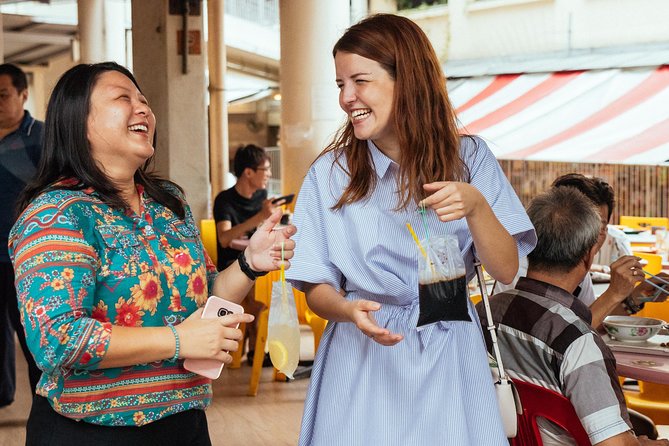
- Sri Darma Muneeswaran Temple: a pillar-less space that gives you a clear view of ceremonies
- Kampong Buangkok: the last surviving mainland kampong, established in 1956
- HDB life might appear: your host may include a walk through public housing areas to explain everyday living
- Local anecdotes, not lectures: guides like Stefan, Richard, Joyce, and Monica are praised for explaining culture in plain terms
- Short and active: about 3 hours with enough walking to feel it, especially in the heat
Serangoon and the suburbs: a different Singapore mood
Singapore can feel like one big, polished postcard—until you step into areas where daily life is the star. This tour is built for that switch. Instead of racing from museum to museum, you spend your time in neighborhoods that are still part of the city’s working rhythm.
What I like about the concept is how it explains Singapore through places people actually use. You’re not just looking at buildings. You’re seeing religious life, community history, and the feel of public housing areas that most residents call home. The result is a Singapore that feels human-sized, not only photo-op sized.
There’s also a practical payoff: in a short 3-hour window, you still get variety. Temples and kampongs aren’t the kind of stops you can easily stitch into a busy itinerary without knowing what to aim for. Here, your host handles the flow, and you can tailor the route to your interests.
You can also read our reviews of more city tours in Singapore


Starting at Serangoon MRT (NE12): fast access, no hotel pickup
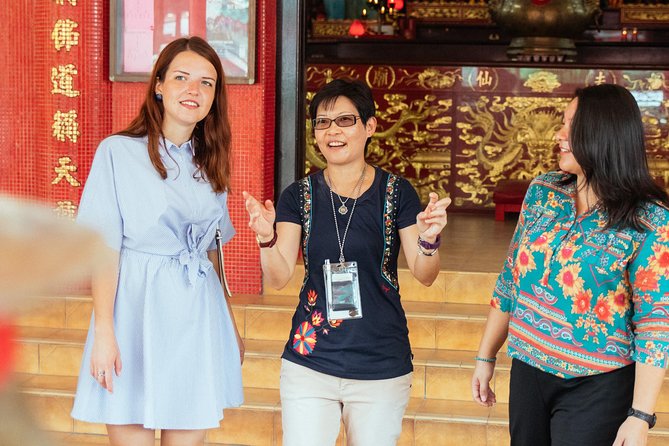
You meet at Serangoon MRT Station (NE12) at 600 Upper Serangoon Rd, Singapore 534801. The tour ends back at the same meeting point. That simple setup is great if you’re already exploring north-east Singapore and want something different without extra transfers.
No guest pickup or drop-off means you’ll need to plan your own arrival and departure. In exchange, you get a meeting point that’s right by public transportation, so it’s usually straightforward to reach.
The tour uses a mobile ticket, so have it ready on your phone when you meet your guide. And since it’s private, it’s just your group—no mixing in with strangers.
Sri Darma Muneeswaran Temple: where ritual details are easy to see
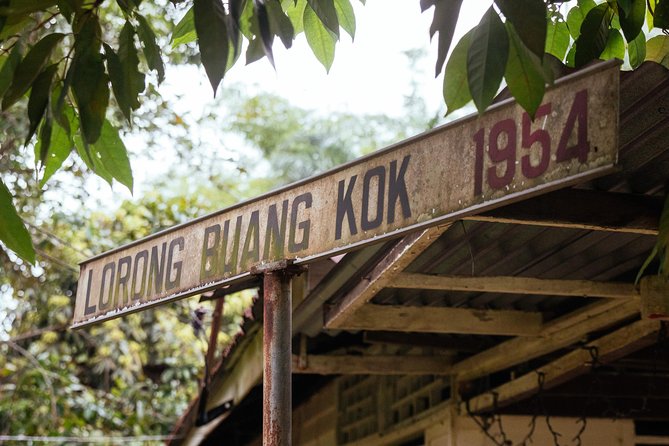
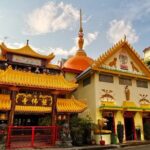
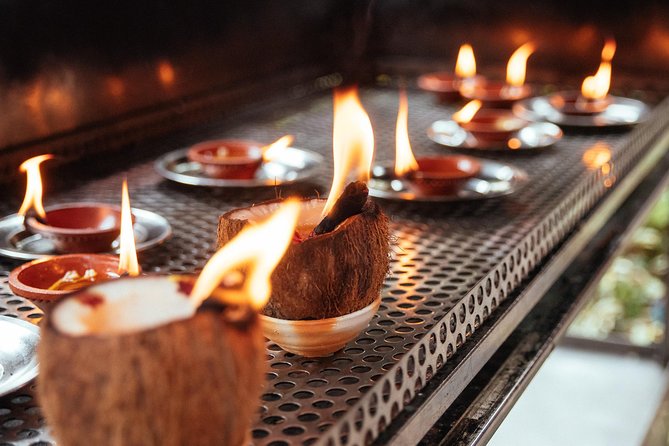
The tour begins with Sri Darma Muneeswaran Temple. You’ll spend about 20 minutes here, and the admission ticket is free. This temple has been at the present site for more than a century, and one design detail makes it especially good for visitors: it has no pillars, which helps devotees have a full view of rituals.
So what does that mean for you? It means the ceremonies aren’t hidden behind architectural obstacles. You’re more likely to understand what people are doing, and why the space is arranged the way it is. Even if your faith background is different, you can still follow the rhythm of the visit—viewing, observing, and listening to your host’s explanations.
A small consideration: temples usually call for respectful behavior, and this is one more reason to dress sensibly for a walk. Also, if you’re visiting on a hot day, remember you’ll likely be out and moving before and after this stop.
This is one of the tour’s best “education by seeing” moments. It turns a religious site into context for daily life, not just a pretty structure.
Kampong Buangkok: the last mainland kampong story in 20 minutes
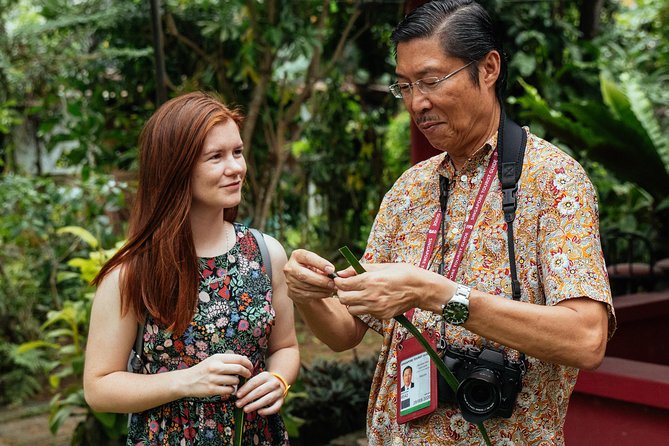
Next up is Kampong Buangkok (Kampong Lorong Buangkok), another 20-minute stop with free admission. It’s described as the last surviving kampong on mainland Singapore and was established in 1956. That’s a big deal, because it frames the neighborhood as living history, not a recreated set.
You’ll get the sense of how kampongs fit into Singapore’s story: older village-style living in a country that has been rapidly modernizing. Your host can connect that history to what you’re seeing now—how communities formed, what daily life looked like, and why remnants like this matter.
The tradeoff is time. Twenty minutes goes fast, so treat this stop like a focused orientation. Ask questions early, look closely, and keep an eye on what your guide points out. If you want deeper time for photos or quiet observation, you might wish the visit were longer—but that’s often the case on a short, active tour.
Also, be ready for the environment. This isn’t a museum with climate control. You’re walking through a real neighborhood, which is exactly why it feels authentic.
The flexible extra stop: HDB life and that city-jungle contrast
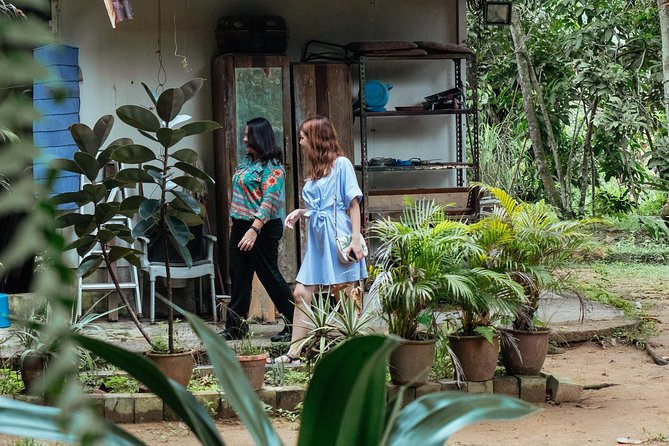
The tour description leaves room for additional stops based on your host’s route. You might get more than temples and kampong time.
One pattern that shows up in the experience is an HDB-area walkthrough—a chance to understand how many locals live. Guides have been praised for explaining everyday urban life in clear, practical terms, and this is where that kind of explanation often lands best. You’re not just hearing stats. You’re getting a feel for layout, building life, and how the city supports residents.
You may also encounter a contrast like a “slice of jungle within the city,” depending on the route. Singapore has pockets of green that people forget exist when they only move along the famous sights. Even a short look at that kind of environment helps you see Singapore as more than concrete and skyline.
Because this stop is flexible, consider what you like most:
- If you care about culture and religion, focus your guide on how the neighborhoods tie together.
- If you care about daily living, ask if the route can include public housing areas.
This flexibility is a real value feature. The tour isn’t locked into only the two listed anchors.
You can also read our reviews of more private tours in Singapore






Walking pace, heat, and what to bring
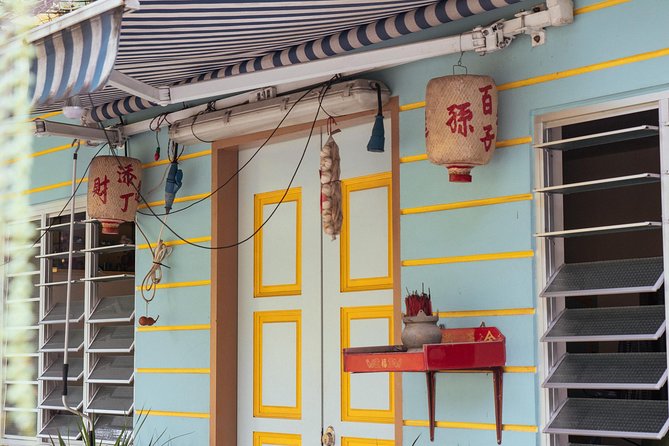
This is a moderate-fitness tour with walking. That matters more in Singapore than in many cities, because the weather can go from fine to uncomfortable quickly. In the feedback you’ll often see guides who keep an eye on participants in warm conditions. One guide, Monica, is specifically noted for looking after people in the heat.
Here’s your practical game plan:
- Bring water, even if you think you can buy it later.
- Wear cool clothes you don’t mind walking in.
- Plan for sun exposure. Short stops don’t erase the fact that you’re moving.
Also, because you start at an MRT and finish back there, you can’t count on long recovery breaks. If you want to take your time inside a building or linger for photos, do it, but expect that it may affect how much time you have at the next stop.
Price value: $104.01 for a private 3-hour local lens
At $104.01 per person for about 3 hours, this isn’t the cheapest way to see Singapore. But it’s not trying to be. The value is in what private guiding buys you: a tailored route, a local host who can explain what you’re looking at, and access to places that are harder to plan on your own.
Here’s how I’d think about whether it’s worth it for you:
- If you’re traveling with friends and can split the cost, group discounts may make the math friendlier.
- If you’re the type who learns best by walking and asking questions, private guiding often feels like the best use of time.
- If you only want a quick photo list, you might feel this is too short or too local.
For me, the strongest argument is that you’re paying for context. Temples and kampongs can be confusing without guidance, and public housing life is better understood with someone who knows the why behind the how.
One more plus: admission at the two main stops is listed as free, so you’re mostly paying for the guide and the experience flow.
Who this tour suits best (and who might skip it)
This tour fits best if you want Singapore that’s not staged. You’ll probably enjoy it most if you:
- like walking through real neighborhoods
- want culture explained in plain language
- are curious about religion and community life
- don’t need a packed day of major attractions
It’s also a good choice when your schedule is tight. Three hours is manageable even when you’re also doing the usual big sights.
You might consider skipping if:
- you hate walking in heat
- you want only big-name attractions and iconic views
- you need hotel pickup and a very low-effort schedule
The tour’s private nature can help solve some of that. For example, if your group moves slower, a good host can adjust the pacing. But you still won’t avoid the fact that you’ll be outside and walking.
Should you book this Off-the-Beaten-Track Singapore tour?
I’d book it if you’re looking for a Singapore you can actually feel—temple rituals you can see clearly, a kampong that represents a preserved slice of the past, and (often) a look at how public housing shapes everyday life. The private guide approach is also a big plus, and the consistent five-star feedback backs that up, especially around guides like Stefan, Richard, Joyce, and Monica who focus on local culture and caring during warm weather.
I’d pause if you’re mainly chasing skyline icons, or if you want food included and lots of downtime. This is active, and it’s mostly about seeing and learning through walking.
If you’re ready to step off the main tourist route for a human-scale morning or afternoon, this tour is one of the smarter ways to do it in a short window.
FAQ
FAQ
How long is the Off the Beaten Track in Singapore private city tour?
The tour runs about 3 hours.
How much does the tour cost?
It costs $104.01 per person.
Is this tour private or shared with other people?
It’s a private tour/activity, so only your group participates.
Where do I meet the guide?
You meet at Serangoon MRT Station (NE12), 600 Upper Serangoon Rd, Singapore 534801. The tour ends back at the meeting point.
Do I get hotel pickup or drop-off?
No. There’s no guest pick up or drop off.
What stops are included?
The listed stops are Sri Darma Muneeswaran Temple and Kampong Buangkok. There may be additional stops depending on your host and route.
Do I need to pay for admission or bring food?
Admission is listed as free for the two main stops. Food and drinks are not included, so you should plan to bring water and handle snacks or meals on your own.
Is free cancellation available?
Yes. You can cancel up to 24 hours in advance for a full refund. If you cancel less than 24 hours before the start time, the amount paid isn’t refunded.