REVIEW · COOKING CLASSES
Peranakan Cooking Class in Singapore, near Lavender MRT Station
Book on Viator →Operated by Traveling Spoon · Bookable on Viator
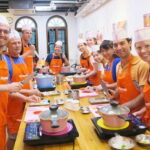
Peranakan cooking turns dinner into a story. I love the hands-on setup in a tidy studio, and I also like that you cook and then eat what you make with your host. The fusion focus on Malay-Chinese flavors is a great way to understand Singapore beyond hawker photos.
A key thing to keep in mind: the menu is seasonal and may vary, and if Chef Colin isn’t available you’ll be hosted by a colleague instead. If you’re set on one dish like Nyonya laksa, you’ll want to request it in advance.
In This Review
- Key Points to Know Before You Go
- Private Peranakan Cooking Studio Near Lavender MRT: The First Good Sign
- Chef Colin (or Denise) Runs the Show: Why the Host Matters
- The Menu Game: Ngoh Hiang, Kueh Dadar, Laksa, and More
- How the 3-Hour Experience Runs in Real Time
- Learning Technique, Not Just Recipes: What You’ll Really Take Away
- Price and Value at $128 Per Person: When It Makes Sense
- Practical Logistics: Meeting Point, Timing, and Getting There
- Who This Peranakan Class Is Best For
- Should You Book This Peranakan Cooking Class?
- FAQ
- Where is the meeting point for the Peranakan Cooking Class?
- What time does the class start?
- How long is the experience?
- Is it a private class?
- Who will host the class?
- What dishes will I cook?
- Can I request a specific dish or dietary needs?
- Is lunch included?
- Is hotel pickup included?
Key Points to Know Before You Go
- Private, host-led class in a studio inside a bicycle tour shop near Lavender MRT Station
- Cook 2–3 Peranakan dishes during a 1.5-hour practical session, then eat them for lunch
- Flexible menu with requests for specific dishes, plus vegetarian and gluten-free options on request
- Chef Colin or Denise will lead the class depending on who’s available that day
- Confirmation within 48 hours and a mobile ticket for a smoother start time
Private Peranakan Cooking Studio Near Lavender MRT: The First Good Sign
This is one of those Singapore experiences that feels local right away, not staged for tourists. You meet at Crawford Lane (Crawford Ln) at 10:00 am, and the activity ends back at the same spot. From the moment you arrive, you’re walking into a real working place: the cooking studio sits inside a bicycle tour shop, so you pass through racks of bikes before you step into the class area.
Inside, the studio is described as well-lit and very organized, with pastel-colored props and a mural. That matters more than it sounds. When you’re learning a cuisine that relies on exact balances—spice, sweetness, and texture—you want a clean workspace where you can focus on what your hands are doing, not on dodging clutter.
And because this is private, it’s just your group. That usually means more attention from the chef and better pacing, especially if you’re the type who likes to ask why something works.
You can also read our reviews of more cooking classes in Singapore
Chef Colin (or Denise) Runs the Show: Why the Host Matters
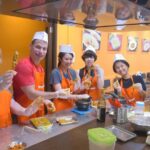
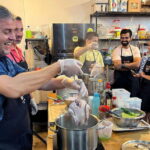
In a cooking class, the chef is the lesson plan. Here, your host is Colin, and on days when he’s not available, his colleague Denise leads the cooking session. You can see why this detail is so important: Peranakan food is expressive, and a good host translates that creativity into clear steps you can actually repeat later.
From the feedback, Chef Colin is consistently described as warm and welcoming, with a fun teaching style. The best part isn’t only that the class is friendly—it’s that he explains the food alongside the technique. You’ll get more than a recipe worksheet; you’ll understand how these flavors fit into Singapore’s story and why the dishes are built the way they are.
Denise stepping in when Colin is unavailable also keeps the experience going rather than changing into something completely different. The trade-off is simple: your day’s menu and style may shift depending on who’s hosting.
The Menu Game: Ngoh Hiang, Kueh Dadar, Laksa, and More
Peranakan cooking blends Malay and Chinese influences, and the dishes on offer show that mix clearly. The class is built around making 2 to 3 Peranakan dishes from family-style recipes, and the menu can include options like:
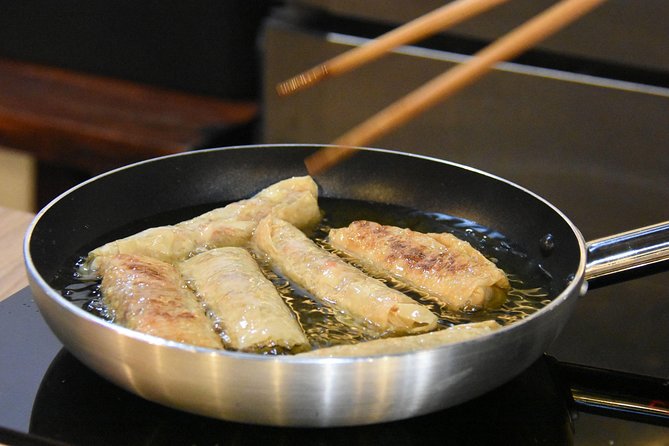
- Ngoh hiang: minced filling (often meat-based) mixed with vegetables, wrapped in bean curd, then cooked until you get that satisfying bite
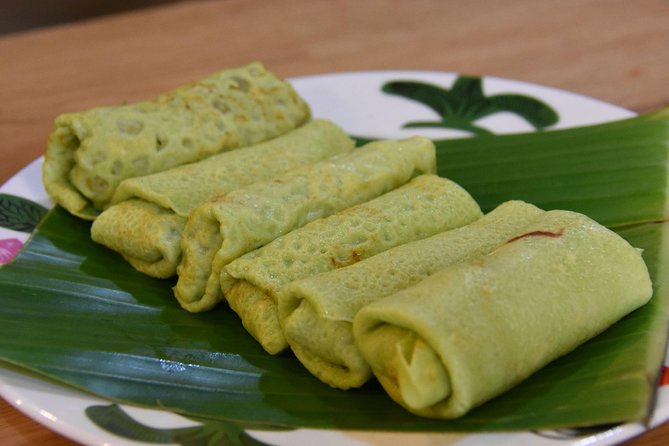
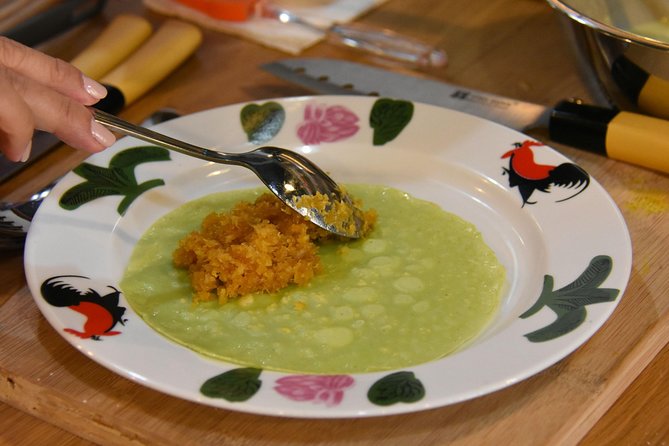
- Nyonya kueh dadar: a pandan-flavored crepe with freshly grated coconut
- Hainanese chicken rice: listed as a possible dish you might cook together
- Nyonya laksa and Hokkien noodles: both part of the broader sample menu range
A big practical point: the menu is seasonal and may vary. That’s not unusual in Singapore, but it becomes crucial when you book. If you have a must-have dish—again, think Nyonya laksa—put it in the booking form. Otherwise, your host chooses based on what’s available and seasonal.
This is also where the experience can work better than you’d expect. A seasonal menu can mean fresher ingredients and fewer substitutions. But you’ll want to be realistic: if you book purely for one specific dish, your best move is to request it upfront.
There are also vegetarian and gluten-free options available on request. That’s especially useful for Peranakan food, where sauces and fillings can include hidden ingredients. Don’t wait until you arrive—request it while booking so the kitchen can plan around your needs.
How the 3-Hour Experience Runs in Real Time
The schedule is straightforward: the whole activity is listed at about 3 hours, with roughly 1.5 hours of hands-on cooking inside the studio. The rest of the time is essentially for check-in, chef demos, and your lunch meal together.
Here’s the typical rhythm you should expect:
1) Arrive and get oriented in the studio
You step past the bicycles and settle into a workspace set up for cooking. The studio setup is described as organized and easy to use, which helps when you’re cooking items like kueh dadar that require quick timing.
2) Chef demonstrates key steps first
Your host will demonstrate some parts of the process, then you move into doing the work yourself. This is important for Peranakan cooking because it’s not just about assembling ingredients. It’s about technique—heat control, thickness, and balancing aromatics and sauce.
3) You cook 2–3 dishes with support
This is the hands-on center of the experience. You’ll likely rotate through steps as the dishes come together, with guidance along the way. If you’ve never cooked Asian dumpling-style fillings or pandan crepes before, this kind of guided practice is exactly what makes the class worth it.
4) Lunch: eat what you made
After the cooking, you eat together with your host. That turns the class into a meal experience, not just a studio workshop. You get to taste the results while the chef can still answer questions.
5) Finish back at the meeting point
The activity ends where you started on Crawford Ln.
Learning Technique, Not Just Recipes: What You’ll Really Take Away
A lot of cooking classes teach you steps. This one is positioned more like a food lesson with food-making. From the way Colin is described, you’ll get practical tips, plus cultural context that makes the dishes make sense.
Here’s what that means in plain terms:
- Cooking becomes more intuitive. When you understand what a dish is supposed to feel like—crispy outside, tender inside; thin crepe, balanced sweetness—you notice mistakes faster and correct them while you’re still in the process.
- You learn how Peranakan flavor works. Peranakan cuisine often balances spice with aromatics, and sweetness with savory depth. When you see how the chef builds flavors step by step, you’re more likely to recreate it later.
- You get guidance you can use at home. Several comments point to useful tips and hands-on instruction. That’s the difference between taking photos and actually improving your cooking.
Also, there’s a social element that’s hard to manufacture in group tours. In at least one account, the host had time to talk about local history. Even if that conversation isn’t guaranteed every time, the format encourages it: you’re not being rushed out right after a lesson ends.
You can also read our reviews of more tours and experiences in Singapore




Price and Value at $128 Per Person: When It Makes Sense
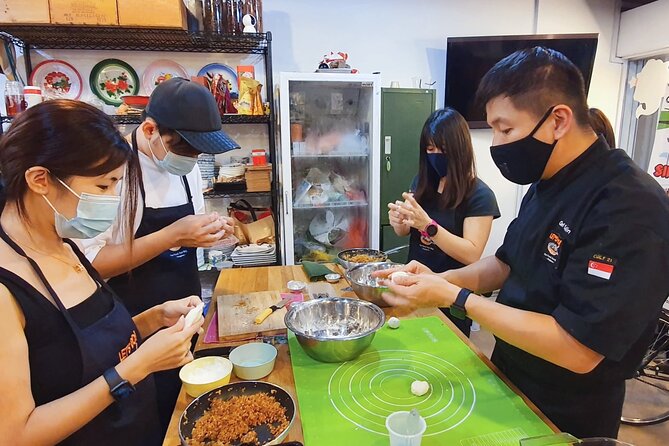
At $128 per person, this isn’t a bargain class. It’s a private studio cooking experience, and the cost reflects what you’re buying: chef time, a private cooking setup, ingredient planning, and lunch included.
The value depends on your priorities:
- If you want a true private class rather than squeezing into a larger group, the per-person price can feel reasonable. You’re likely to get more attention and less waiting.
- If you care about specific dishes, the value improves when you can request them in advance. A class that matches your taste beats a generic lesson every time.
- If you want to handle dietary needs (vegetarian or gluten-free), the value also improves, because the class is structured around accommodating those requests rather than telling you to “figure it out.”
Where the price can feel less satisfying is the same place you should watch for risk: if you assume you’ll get Colin and one specific dish but your day’s menu or host changes, you might leave disappointed. The fix is simple—plan with the booking form and be flexible about what seasonal ingredients determine.
Practical Logistics: Meeting Point, Timing, and Getting There
This experience starts at 10:00 am and runs for about 3 hours. The meeting point is Crawford Ln. Since the class is near Lavender MRT Station, you can plan your day around getting to that part of town early.
You should also plan for this reality: there’s no hotel pickup or drop-off. That means you’ll want to build the experience into your schedule with travel time accounted for. Singapore’s transit is efficient, but leaving early reduces stress.
One more practical detail: you’ll get a mobile ticket, and service animals are allowed. If you’re coming with any special needs, it’s worth confirming ahead so the studio can be set up accordingly.
Who This Peranakan Class Is Best For
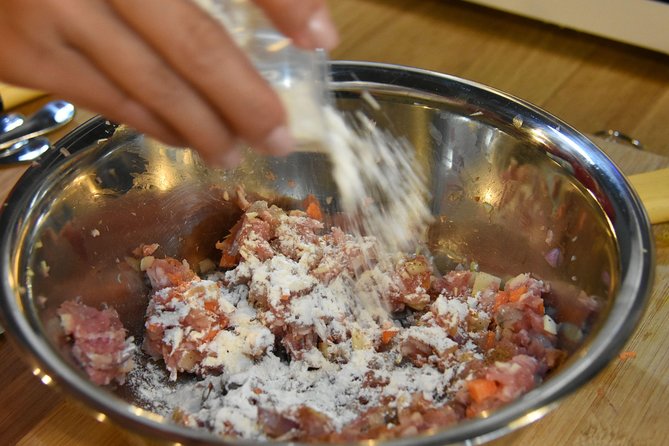
This is a great fit if you want Singapore food that feels more specific than the usual basics.
I’d strongly consider booking if:
- You want a private cooking class focused on Peranakan/Nyonya cuisine
- You like cooking that’s hands-on, with demos first and then you doing the work
- You enjoy food culture and want to understand the story behind the dishes as you cook
- You’re traveling as a couple or small group that prefers a quieter, more personal activity
It may be less ideal if:
- You’re only interested in one dish and don’t want any flexibility. Since the menu is seasonal, your best strategy is to request the dish you want while booking.
- You’re traveling with the strict expectation that your host must be Colin. He may not be available, and Denise can lead instead. Both are positioned as passionate hosts, but the day-to-day menu and flow may still vary.
Should You Book This Peranakan Cooking Class?
If you’re choosing between “watch cooking” and “do cooking,” book this. The structure—demo, hands-on practice, then lunch—matches how most people learn best. And the fact that you can request vegetarian or gluten-free options makes it a strong choice for many diets.
I’d make one recommendation that determines satisfaction more than anything: use the booking form to request your must-have dishes. Because the menu is seasonal and can vary, that’s how you keep your expectations aligned with reality. And if you’re aiming for a particular host, remember Colin isn’t guaranteed every day.
If you want Peranakan food as a skill you take home, not just a meal you eat once, this class is a smart way to spend a morning in Singapore.
FAQ
Where is the meeting point for the Peranakan Cooking Class?
You meet at Crawford Lane (Crawford Ln), Singapore, and the class ends back at the same meeting point.
What time does the class start?
The start time is 10:00 am.
How long is the experience?
The total experience is listed at about 3 hours, with roughly 1.5 hours of hands-on cooking.
Is it a private class?
Yes. It’s described as a private tour/activity, and only your group participates.
Who will host the class?
The host is Colin when available. If Colin isn’t available, his colleague Denise hosts the class.
What dishes will I cook?
You cook 2 to 3 Peranakan dishes, and the menu can vary seasonally. Examples that may appear include ngoh hiang, Nyonya kueh dadar, and possibly dishes like Nyonya laksa, Hainanese chicken rice, or Hokkien noodles depending on the day.
Can I request a specific dish or dietary needs?
Yes. The menu is flexible based on requests added to the booking form, and vegetarian or gluten-free options are available on request.
Is lunch included?
Yes. After cooking, you eat the dishes with your host for lunch.
Is hotel pickup included?
No. Hotel pickup and drop-off are not included. You’ll need to get to the meeting point yourself.