REVIEW · PHOTOGRAPHY SESSIONS
Singapore Photography Masterclass – Private Photography Lesson
Book on Viator →Operated by Aperture Tours · Bookable on Viator
Singapore’s camera-friendly, and this lesson helps you use it. The Singapore Photography Masterclass pairs a professional photographer guide with a local perspective as you move through Chinatown, bridges, and Marina Bay. I like how it’s built around practice—so you’re not just sightseeing with a camera. One thing to plan for: your camera isn’t included, and a tripod would need to be hired.
The best part is the coaching style. I love the way guides give real-time feedback and can tailor the session to what you want to shoot, even adjusting to your specific gear. In at least one review, the guide Lance also respected the shooter’s own creative instincts, while still guiding settings and composition—exactly the mix most people hope for in a private lesson.
In This Review
- Key moments that make this masterclass worth it
- Why a private 3-hour lesson is a smart way to shoot Singapore
- Day street vs night portfolio: pick the mood you want
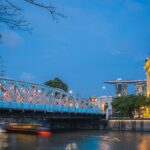
- Start at Esplanade Bridge: a strong launch point for photos
- Chinatown frames and Buddha Tooth Relic Temple: texture with a purpose
- Jubilee Bridge to Marina Bay: practice lines, angles, and pacing
- Helix Bridge and the Marina Bay glow: settings practice you can feel
- Gardens by the Bay to Supertree Grove: night light without chaos
- How the guide helps: real-time feedback, custom coaching, and creative respect
- What you should bring (and how to handle gear)
- Price and value: what $190 buys you in practice
- Who this masterclass suits best
- Should you book the Singapore Photography Masterclass?
- FAQ
- How long is the Singapore Photography Masterclass?
- Is this a private tour?
- Where does the tour start, and where does it end?
- Do I need to bring my own camera?
- Can I choose between daytime street photography and night photography?
- What stops are included on the route?
- Is a tripod available?
- Can I get a full refund if I cancel?
Key moments that make this masterclass worth it
- Private, instructor-led practice that focuses on composition plus the basics of aperture, shutter speed, ISO, and focus
- Day street or night portfolio options, so you’re matching the lesson to your photo goals
- A route that mixes classic Singapore with modern icons: Chinatown, Marina Bay, Helix Bridge, and Gardens by the Bay
- Real-time feedback from a pro, including tips that work even when your camera model is unfamiliar
- You choose what to emphasize, including the option to build your own route on a private tour
Why a private 3-hour lesson is a smart way to shoot Singapore
Singapore can feel like one long photo opportunity. That’s the fun part—and the trap. You can end up with hundreds of decent shots and still not know what to change next time.
A lesson like this uses a simple plan: you stop, you look, you shoot, and you get feedback. The focus is on the camera settings you actually control, not vague advice. In a short 3-hour window, that beats spending a whole day guessing.
Because it’s private, the instructor can adjust pace. If you’re newer, you can slow down and build confidence. If you’re already semi-pro level, you can push for more control and craft. Either way, you leave with a clearer workflow for your next Singapore shoot.
You can also read our reviews of more private tours in Singapore

Day street vs night portfolio: pick the mood you want
This experience is set up for two distinct styles. You can go for a daytime street photography tour aimed at getting sharper at real-life scenes. Or you can choose a night portfolio route focused on low-light techniques and city lights.
That choice matters because the settings and mindset change fast. In daylight street shooting, you usually want to nail timing, depth, and quick composition. In twilight and night, your priorities shift toward handling light levels, managing motion, and making dark areas look intentional.
Night also changes what you photograph. The experience is designed around the moment Singapore transitions into neon and glow, with twilight leading into the Supertree light show area at Gardens by the Bay.
Start at Esplanade Bridge: a strong launch point for photos
You meet at Esplanade Bridge (Esplanade Dr, Singapore). The tour ends back at the same meeting point, so you’re not stuck figuring out how to get home with camera gear at the end.
This is a practical start for two reasons. First, it puts you in the Marina Bay orbit quickly, where you can practice framing on wide-open views and strong architectural lines. Second, it’s a convenient hub for moving between photo stops without wasting time.
From the beginning, expect the guide to help you “see” the scene before you shoot it. That means talking about angles, where the light sits, and how to position yourself for cleaner backgrounds.
Chinatown frames and Buddha Tooth Relic Temple: texture with a purpose
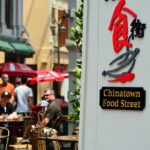
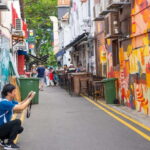
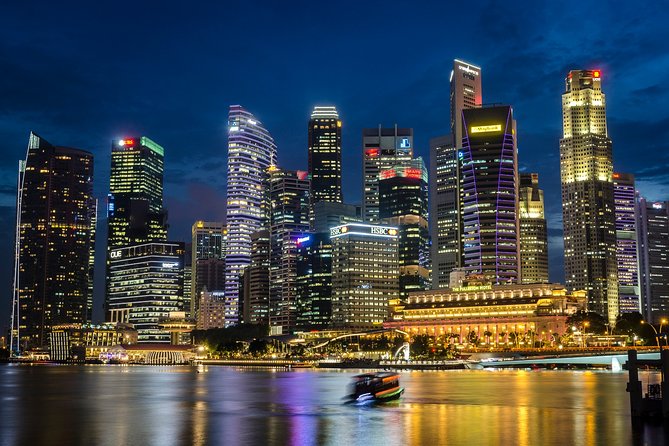
Chinatown is where street photographers get addicted. You’ve got layers—signs, shop fronts, faces, and corners that look like they were made for close framing.
On this route, your Chinatown stop is tied to building street skills rather than random wandering. The guide helps you find angles that reduce clutter and emphasize gesture or story. If you’re practicing composition, this is ideal because Chinatown gives you both busy and quiet corners within walking distance.
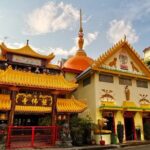
Then you move to Buddha Tooth Relic Temple and Museum. This spot is useful for photographers because it adds strong architectural geometry and a clear sense of place. You can practice balancing detail shots with wider context shots, and you can work on focus decisions where the background might pull focus if you’re not careful.
A good takeaway here is learning when to use your camera settings to simplify the scene. In places like this, you can often make a photo feel cleaner just by choosing the right depth of field and where you focus.
Jubilee Bridge to Marina Bay: practice lines, angles, and pacing
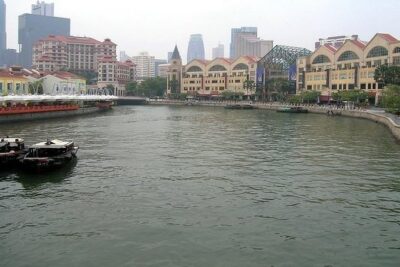
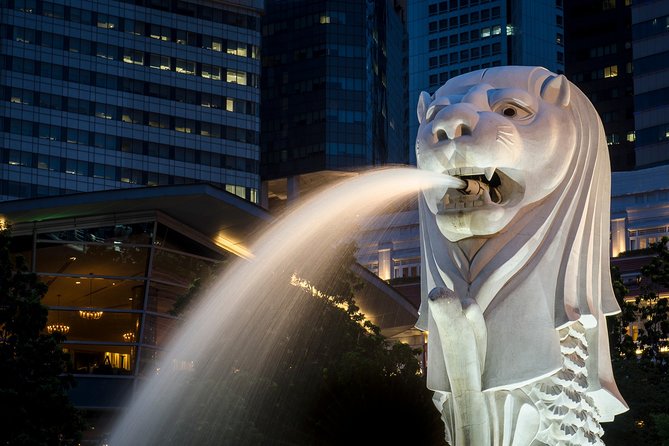
Next comes Jubilee Bridge. Bridges are great training wheels for composition because they create leading lines and natural framing. You can test how your focal length changes the feel of the scene—wide to emphasize space, tighter views to compress layers.
In many cities, bridges are just “pretty.” Here, Jubilee Bridge is also a timing challenge. You’re walking and positioning while the city moves around you, so you learn to keep your rhythm. That matters for street work, because your best shot often comes when you’re ready—not when the scene “tries harder.”
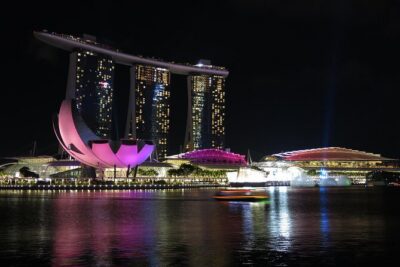
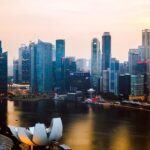
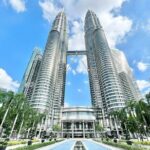
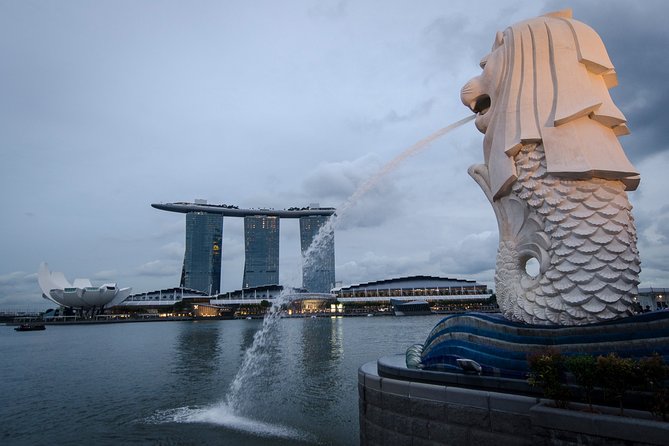
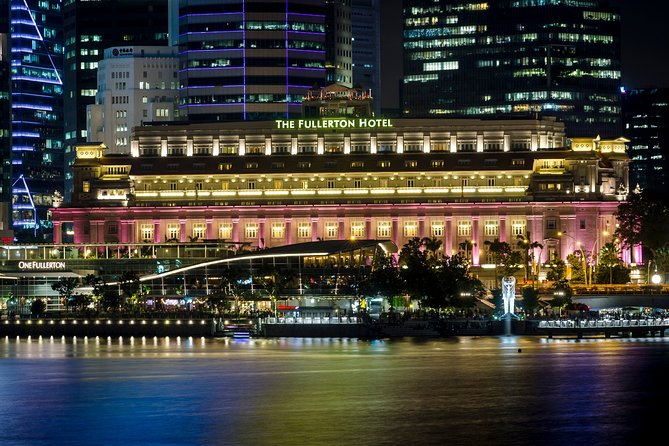
From there you reach Marina Bay, where the city flips from human scale to skyline scale. This is where you can practice control: choosing exposure that holds highlight detail, framing so buildings look intentional rather than accidental, and using focus settings to decide what stands out.
If you choose a departure that lines up with twilight, you’ll also start learning a key transition: how your camera behaves as daylight fades and artificial light takes over.
You can also read our reviews of more photography tours in Singapore
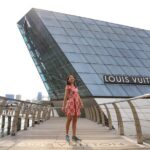
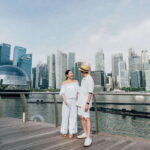
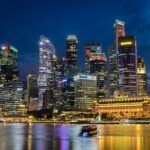
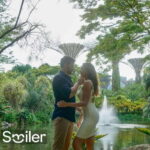
Helix Bridge and the Marina Bay glow: settings practice you can feel
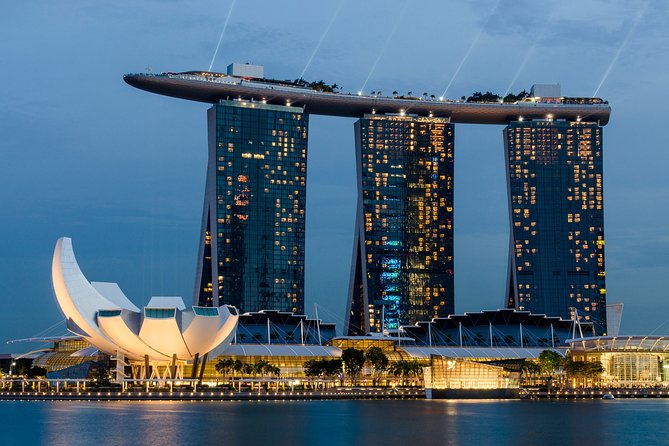
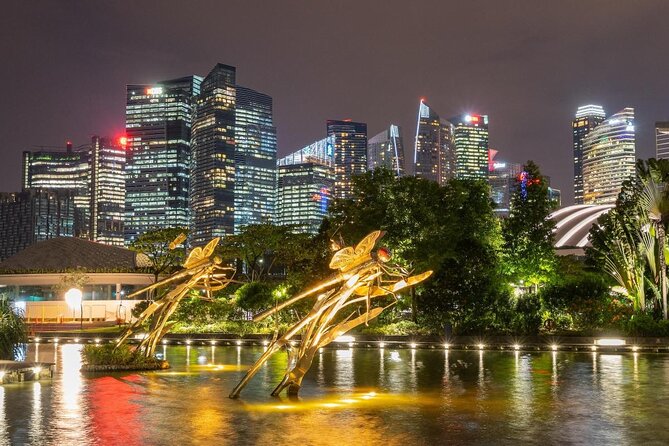
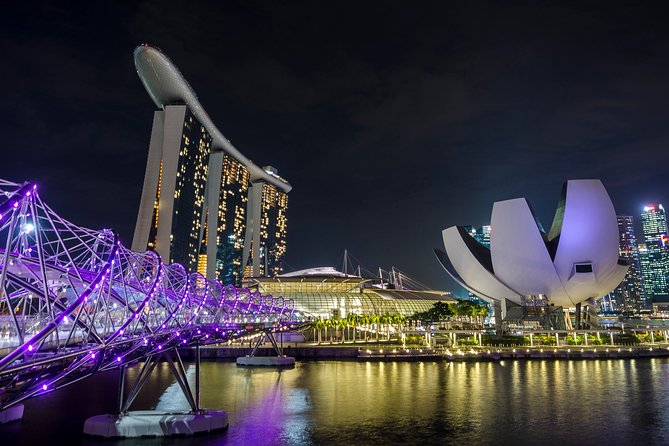
The Helix Bridge is the kind of structure that makes photographers stand back and stare for a second. Its repeating curves give you built-in patterns, and those patterns make it easier to learn composition rules through real results.
This stop is also where a private guide’s value shows up. You’re not just shooting. You’re being coached on why a shot works, and what to change for the next attempt—like how shutter speed choice affects motion or how ISO choices affect noise.
If you’re doing night or twilight photography, you’ll likely start seeing why the lesson focuses on aperture, shutter speed, ISO, and focus. In lower light, you can’t treat settings like a checklist. You have to pick a priority and balance the rest.
And because this is a private tour, your instructor can tailor advice to your exact camera behavior. One review specifically mentioned the guide helped with settings even when he hadn’t used the participant’s camera model before. That’s a big deal, because many lessons assume your gear matches their go-to.
Gardens by the Bay to Supertree Grove: night light without chaos
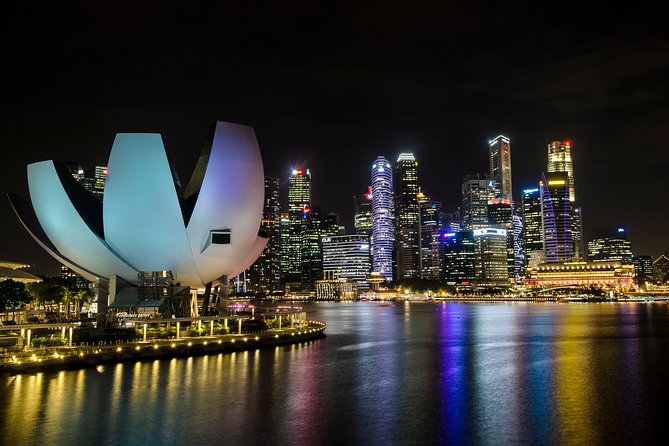
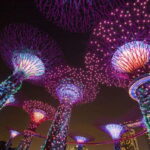
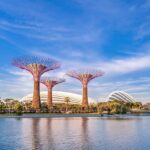
You end up at Gardens by the Bay and then toward Supertree Grove, where the Supertree light show happens (when your timing matches it).
This is one of the best places on the route for learning night photography basics fast. You get bright light sources, strong contrast, and lots of structured shapes. That’s perfect for practicing how to expose for lights without losing the surrounding scene to darkness.
The tour design is also smart: it takes you from twilight into the night hours. That gives you a learning ramp. You can test settings while the city is still transitioning, then refine as the brightness changes and the lights really kick in.
At this stage, you’re not just chasing pretty photos. You’re building a night portfolio mindset: how to plan your frame, how to keep the subject sharp when you’re surrounded by moving visitors or shifting lights, and how to keep your images from looking overexposed or muddy.
How the guide helps: real-time feedback, custom coaching, and creative respect
A private lesson works only if the instructor can talk your language. Here, that part seems to land well.
In reviews, the guide Lance is described as accommodating and easy to talk to, with guidance tailored to what the shooter wanted. The consistent theme is support without taking over. The instructor points out options, gives setting suggestions, and provides real-time feedback—then respects your creative choices.
That approach matters because some people want strict instruction. Others want structure but still want their own style. A good private guide can steer the technical side while letting you keep your eye.
You should also expect some hands-on help with camera controls. The lesson is built around understanding aperture, shutter speed, ISO, and focus, not just hearing about them. If you’ve ever come home from a trip and wondered why a photo looked off, this kind of coaching helps you connect the outcome to the setting you chose.
What you should bring (and how to handle gear)
The tour doesn’t include a camera. That’s the only real gear requirement. If you’re serious about photography, you’ll want your own camera so you can apply the settings changes instantly.
A tripod is available to hire, which can be helpful for night and low-light shots where you’re trying to control blur and keep detail. If you don’t have a tripod experience, don’t panic. The guide can still help you shoot handheld, but having the option makes the night portion more flexible.
The experience is private, meaning only your group participates. That’s useful for couples, friends, or anyone who prefers not to share instruction with a larger group.
Service animals are allowed, and most people can participate, so this is a good option for a wide range of skill levels and comfort with walking.
Price and value: what $190 buys you in practice
At $190 per person for about 3 hours, this isn’t a budget activity. But for what you’re getting, it can be a smart use of photo time.
Here’s why the value works:
- You’re paying for a professional photographer guide plus a local guide.
- You’re getting private instruction, not a general walking tour with occasional tips.
- You’re practicing camera settings in real environments, with feedback while you shoot.
If you’ve ever paid for generic photo classes, you know the difference between “learning settings” and actually seeing the effect in the places you want to photograph. That’s what this format is trying to deliver.
Also, the tour offers group discounts, so if you book with friends, your per-person cost can drop. And you’ll want that because a private session is easiest when you can compare notes and share ideas afterward.
Who this masterclass suits best
This is ideal if you’re:
- New to cameras and want a straightforward way to learn settings fast
- Already shooting a lot and want better results through smarter aperture/shutter/ISO choices
- Interested in street photography skills during the day
- Want a night portfolio focused on Singapore’s modern light scenes
If you love both styles, you can also plan your visit around the right departure time. The experience offers a good range of departure times, which matters because twilight and night quality can change quickly.
Should you book the Singapore Photography Masterclass?
I’d book it if you want real instruction in real locations, without the awkward feeling of a class that doesn’t match your camera or your goals. The strongest reason is the coaching style: custom help, real-time feedback, and respect for your own creativity.
Skip it if you’re looking for a pure sightseeing tour with minimal photography focus. This is about learning how to shoot better, not just checking landmarks off a list.
If you go in with curiosity and you’re willing to make a few practice shots, you’ll leave with a clearer plan for how to control the camera—and how to frame Singapore the way you actually see it.
FAQ
How long is the Singapore Photography Masterclass?
It runs for about 3 hours.
Is this a private tour?
Yes. It’s a private tour/activity, and only your group participates.
Where does the tour start, and where does it end?
You start at Esplanade Bridge on Esplanade Dr, Singapore, and the tour ends back at the meeting point.
Do I need to bring my own camera?
Yes. A camera is not included.
Can I choose between daytime street photography and night photography?
Yes. You can opt for a daytime street photography tour or build a night portfolio.
What stops are included on the route?
The route includes stops in Chinatown, Buddha Tooth Relic Temple and Museum, Jubilee Bridge, Marina Bay, The Helix Bridge, Gardens by the Bay, and Supertree Grove.
Is a tripod available?
A tripod is available to hire.
Can I get a full refund if I cancel?
You can cancel up to 24 hours in advance for a full refund.
If you want, tell me what camera you’re using (phone, mirrorless, DSLR) and whether you’re aiming for street shots, night city lights, or both. I can suggest which kind of departure time to target based on your goal.