REVIEW · COOKING CLASSES
Singapore: Hands-on Cooking Class with Cultural Immersion
Book on GetYourGuide →Operated by Food Playground Pte Ltd · Bookable on GetYourGuide
Singapore is food in motion, and this class gives you the hands-on part. You’ll spend three hours cooking classic Singaporean dishes at your own station, while your hosts connect the food to everyday life and family traditions. I like that it’s practical, step-by-step instruction, not just watching someone else cook.
I also love the human side: instructors like Nur, Sara, Helen, and Annie share the backstory behind their recipes and how they built their way into teaching. You get real details, including how the program supports women returning to work, plus the kind of life stories that make the meal feel more personal.
One consideration: the studio is on level 2 of a conservation shophouse with no lift, so it’s not a good pick if you have limited mobility.
In This Review
- Key things that make this cooking class worth your time
- 1) Arriving in Chinatown and getting set up fast
- 2) The best part: cooking with real hosts who teach the why
- 3) Your 3-course plan: the weekly menu you should match to your tastes
- 4) In the kitchen: where the hands-on work really pays off
- 5) Eating your work: why the meal feels like the main event
- 6) Value check: is $94 really fair for what you get?
- 7) Who should book this, and who should skip it
- 8) After-class moves in Chinatown
- Should you book this Singapore cooking class?
- FAQ
- FAQ
- How long is the cooking class?
- How much does the experience cost?
- Where do I meet the instructor?
- Is hotel pickup and drop-off included?
- What dishes will I cook?
- Is the class taught in English?
- Can I record the class on video?
- Is the studio accessible for people with limited mobility?
- What’s included in the price?
Key things that make this cooking class worth your time
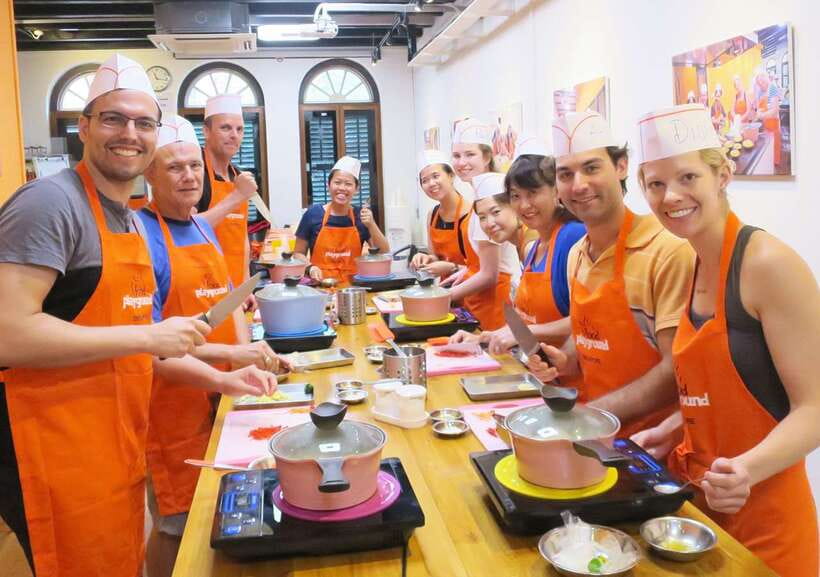
- Three signature dishes plus a full sit-down 3-course meal you cook yourself
- Family recipes passed down across generations, with dish origins and local ingredients explained
- Hands-on stations with close coaching, so even tricky steps feel manageable
- Hosts share personal stories, including overcoming life challenges and building a cooking teaching path
- A fixed weekly menu schedule, so double-check the day you book
- Strong organization: ingredients are prepped, and cleanup is handled for you
1) Arriving in Chinatown and getting set up fast
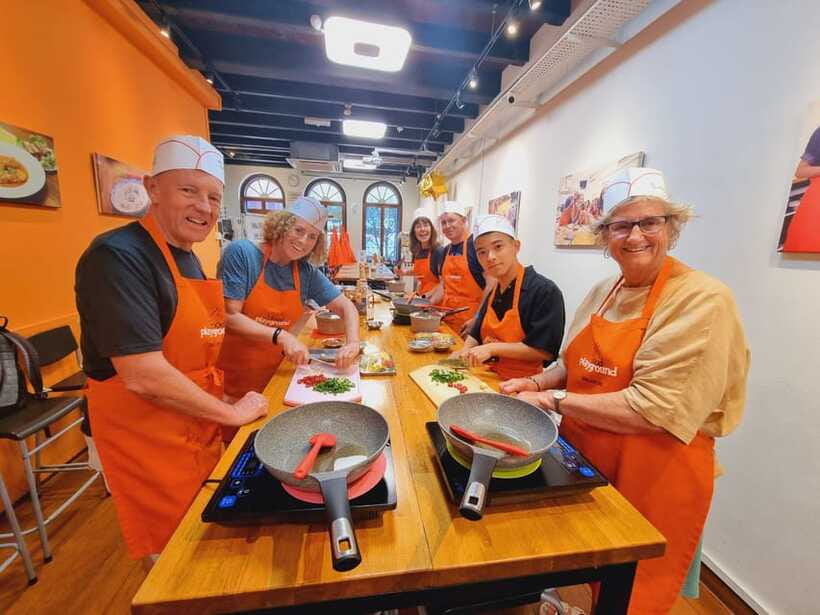
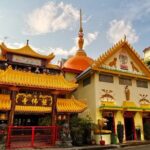
The class starts in a cooking studio in Chinatown, right next to the Buddha Tooth Relic Temple and Museum. When you’re near that landmark, look for an orange sign with the local partner name. This location is perfect for an easy morning: you can tie it into a day of temple sights and street-food wandering right before or after.
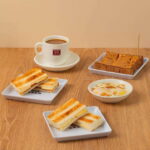
When you arrive, you’re not thrown into the deep end. You’ll get settled with coffee or tea and small nostalgic bites, then the class kicks off with a fun ice-breaker game. It’s a simple trick, but it works: you get talking, you learn names and small bits of food culture, and suddenly the kitchen feels like a shared workshop.
You’ll also pick up a good baseline of what’s coming. The hosts explain what you’ll cook, where each dish comes from, and what ingredients matter locally. That context makes the cooking steps easier to follow and helps you taste with intention instead of guessing.
You can also read our reviews of more cooking classes in Singapore
2) The best part: cooking with real hosts who teach the why
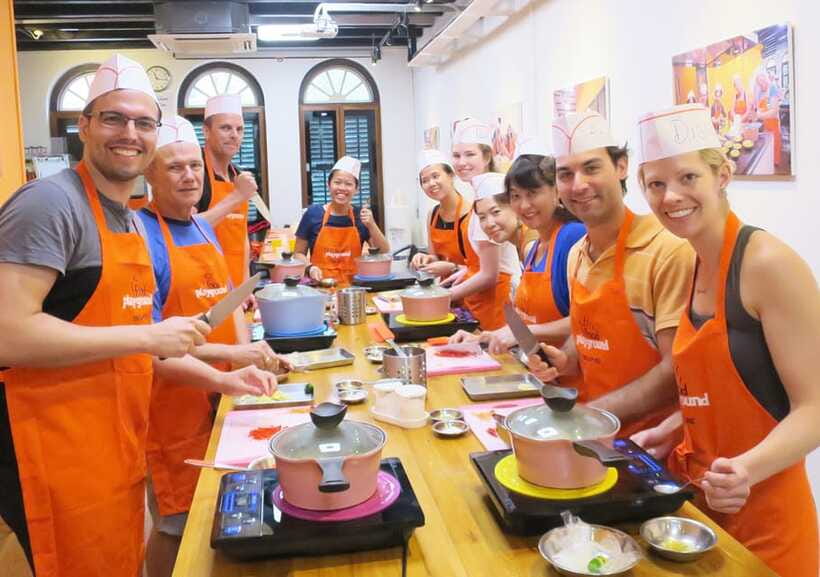
This is where the experience earns its near-perfect rating. The instruction is consistently friendly and engaging, with a “you can do this” vibe. In different sessions, I’ve seen instructors praised for being patient with varying skill levels, clear with explanations, and organized enough that the pace never feels chaotic.
Hosts such as Wy Wy and Mrs Lee show up in the feedback as especially warm and helpful. People mention moments like grinding spices for chicken curry and learning what changes the flavor, not just the final result. That’s the difference between a meal that tastes great and a meal you can recreate later.
There’s also a personal story layer. Several accounts highlight hosts explaining how and why the program exists, including life challenges they overcame. One review specifically mentioned the organization’s goal of bringing women—particularly stay-at-home moms—back into the workforce. If you care about food as culture and people, that angle lands.
3) Your 3-course plan: the weekly menu you should match to your tastes
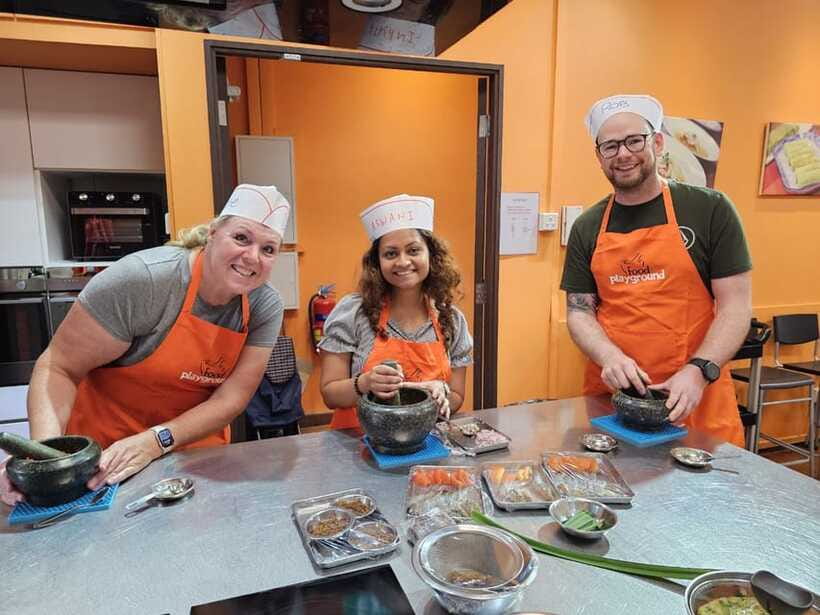
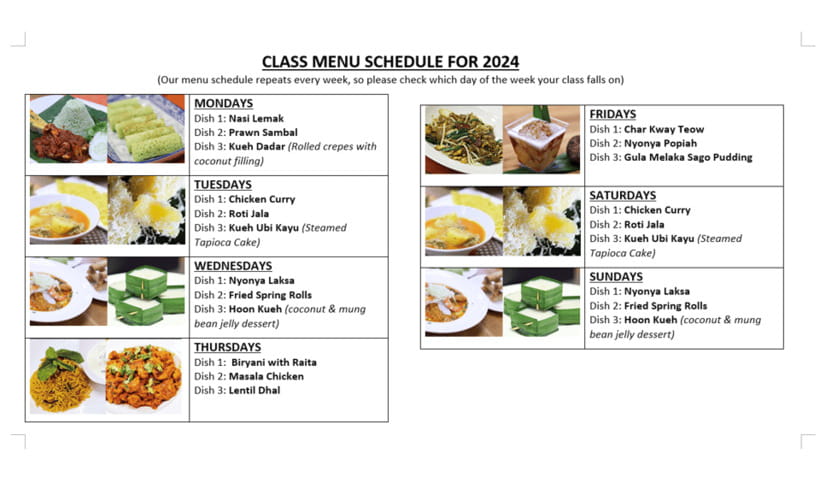
The class runs on a fixed menu schedule each week, so your biggest “planning move” is choosing the day that fits what you want to eat. You cook 3 dishes, then you sit down to eat them as a full 3-course Singaporean meal.
Here’s the weekly lineup:
- Every Monday: Nasi Lemak, Sambal Prawns, Kueh Dadar
- Every Tuesday: Curry Chicken, Roti Jala, Ondeh Ondeh
- Every Wednesday: Laksa, Fried Spring Rolls, Hoon Kueh
- Every Thursday: Nasi Biryani, Masala Chicken, Lentil Dhal
- Every Friday: Char Kway Teow, Nyonya Popiah, Sago Gula Melaka
- Every Saturday: Curry Chicken, Roti Jala, Ondeh Ondeh
- Every Sunday: Laksa, Fried Spring Rolls, Hoon Kueh
A quick guide to choosing:
- Pick a spice-and-curry day (Curry Chicken / Masala Chicken) if you want technique-heavy flavor building.
- Choose noodle and soup if you love big aromas (Laksa, Char Kway Teow).
- Pick Nasi Lemak if you want that classic Singapore breakfast feel with a satisfying sambal component.
And yes, desserts matter here. One person mentioned a sweet item featuring pandan-sugar coconut flavors, and the menu includes options like Ondeh Ondeh and Sago Gula Melaka. If you’re the type who wants savory and sweet in one sitting, this class delivers.
4) In the kitchen: where the hands-on work really pays off
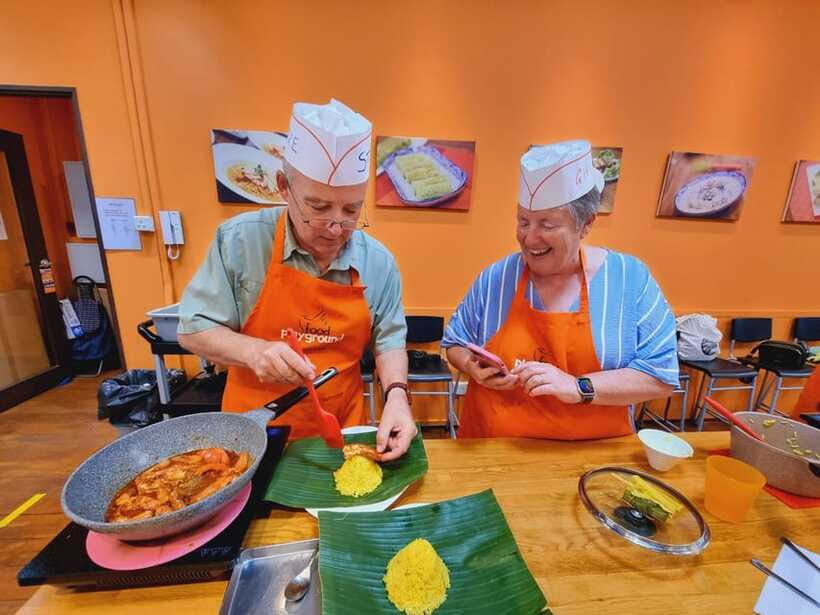
Once it’s time to cook, you’ll put on your chef hat and apron and head to the kitchen. You get fully equipped cooking workstations, and the instructors stay close as you move through each step.
The best practical part is how the class is taught:
- You learn the dish plan first (what ingredients go where and why).
- Then you work through the steps while the instructor watches for timing, texture, and flavor balance.
- You’re not just assembling; you’re learning the logic behind the method so you can redo it later at home.
People repeatedly highlight moments like spice grinding and learning what “right” looks like—especially for curry. You’ll also find that what seems complicated at first becomes straightforward once you’re shown the sequence.
One more small but meaningful point: the setup is organized and clean. Multiple comments mention that everything feels prepared in advance, so you can focus on cooking instead of hunting for tools. Cleanup is also handled by the team, which keeps the experience from turning into a chores-and-more-chores day.
Notably, video recording is not allowed. So if you like to film everything, you’ll need to rely on memory and photos taken normally outside the recording rule set.
5) Eating your work: why the meal feels like the main event
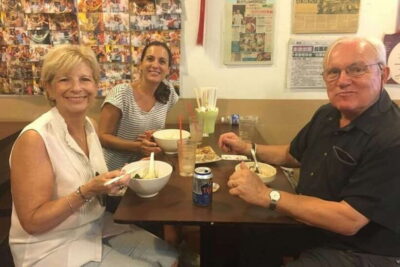
After cooking, you sit down for your three-course meal. This part isn’t just a reward; it’s part of learning. You get to taste the dish you made, compare it to what you expected, and connect flavor notes to the steps you did in the kitchen.
Feedback on the eating portion is consistent: the food is described as fresh, delicious, and worth savoring fully since you already did the work. You’ll also get a chance to mingle after the meal, which makes the overall feel more like a friendly food day than a classroom.
Another underrated benefit: you can ask your instructors about what to eat next and what to do during the rest of your stay in Singapore. If you want practical recommendations rather than generic lists, this is the moment to use their local knowledge while it’s right in front of you.
You can also read our reviews of more tours and experiences in Singapore




6) Value check: is $94 really fair for what you get?
At $94 per person for three hours, the value depends on what you want from Singapore food.
For me, the math works when you care about:
- learning technique (not just sampling),
- cooking a full 3-dish set,
- and getting the cultural backstory that makes the food make sense.
Because you’re given all the ingredients, plus chef gear and even coffee/tea and drinking water, you aren’t paying extra just to get started. And the instructors’ guidance is the core product here. If you’ve ever left a food tour thinking you enjoyed it but couldn’t repeat anything at home, this class is structured to prevent that.
Also, the fixed weekly menu is a smart kind of clarity. You’re not guessing what you’ll get that day—you can plan your Singapore eating around the dishes you actually want.
7) Who should book this, and who should skip it
This cooking class is a great fit if you:
- want hands-on instruction and a meal you cook yourself,
- enjoy Singapore comfort food, noodles, curries, and sweet desserts,
- like food culture stories tied to real people and real kitchens.
You might want to skip it if:
- you have limited mobility. The studio is on level 2 of a conservation shophouse and there’s no lift, so the building layout can be a dealbreaker.
One more “fit” note: the class is taught in English, so it works well for English speakers.
8) After-class moves in Chinatown
Your meeting point puts you in a prime spot to keep the day going. Since you’re next to the Buddha Tooth Relic Temple and Museum, you can easily layer in temple time and then walk through nearby Chinatown streets afterward.
The practical strategy: eat your class meal, then use your instructors’ suggestions to decide what to try next. This matters because Singapore food can be overwhelming if you don’t know the basics—one honest local recommendation is often better than five random ones.
And with the high-speed wifi provided, you can also check your next-day plans immediately—especially useful if you’re coordinating museum hours or deciding where to go between neighborhoods.
Should you book this Singapore cooking class?
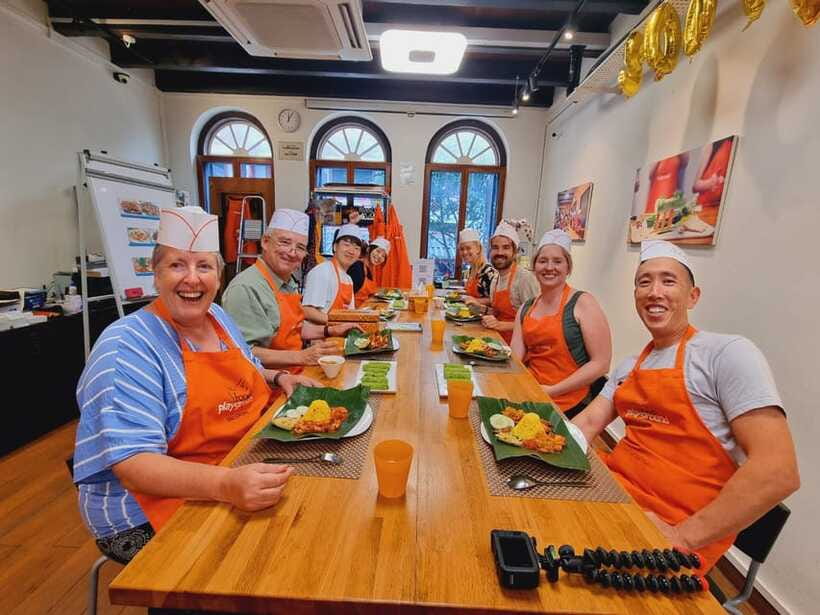
Book it if you want a food experience that mixes hands-on cooking, friendly teaching, and dish stories you can actually use. It’s also a strong value if you’re hungry for a full meal plus the skills to recreate key Singapore favorites like Nasi Lemak, Laksa, Curry Chicken, or Char Kway Teow.
Skip it only if the physical setup (level 2, no lift) doesn’t work for your needs, or if you’re looking for a purely observational activity. For most people who want to learn and eat in one smooth morning, this is a solid yes.
FAQ
FAQ
How long is the cooking class?
The class runs for 3 hours.
How much does the experience cost?
It costs $94 per person.
Where do I meet the instructor?
The studio is next to the Buddha Tooth Relic Temple and Museum in Chinatown. Look for an orange sign with the local partner’s name.
Is hotel pickup and drop-off included?
No. Hotel pickup and drop-off are not included.
What dishes will I cook?
You cook 3 signature dishes from a fixed weekly menu schedule. The lineup changes by day (for example, Monday includes Nasi Lemak, Sambal Prawns, and Kueh Dadar).
Is the class taught in English?
Yes, the instructor teaches in English.
Can I record the class on video?
No, video recording is not allowed.
Is the studio accessible for people with limited mobility?
It’s not recommended for people with limited mobility because the class is on level 2 of a conservation shophouse without lift access.
What’s included in the price?
You get all required ingredients, chef hats and aprons, coffee/tea and drinking water, and complimentary high-speed wifi.