REVIEW · 1-HOUR EXPERIENCES
SMALL GROUP: Batam day tour with Ferry, 1-hour Massage, and Lunch from Singapore
Book on Viator →Operated by JE Travel · Bookable on Viator
Batam in one day? That’s the pitch, and it works—mostly. This small-group route trades long sightseeing for a tight loop of photo stops, major temples, a 4-course seafood lunch, and a 1-hour traditional massage, all kicked off by a comfy public high-speed ferry from HarbourFront. I especially like how the day is structured enough to feel like a real taste of Indonesia, without needing days in another country. The main drawback to weigh is that the schedule is packed with quick stops, and parts of the day can feel shopping-heavy if that’s not your thing.
If you want a calm, slow travel day, pick a different plan. If you want a practical “cross the border, see real places, go home” day, this one fits.
In This Review
- Key highlights at a glance
- Ferry-First Day: Getting from Singapore to Batam Fast
- Meeting Your Guide and Getting Oriented at Welcome to Batam
- Mini Indonesia Park and layer-cake tasting: the quick hits that work
- Maha Vihara Duta Maitreya Temple: the main temple stop
- Balinese-style Pura Agung Amerta Buana: photostop, not a full visit
- Garuda Park and the Tanjak Mosque: architecture spotting on the move
- Barelang Bridge photo stop: good views, short time
- 4-course seafood lunch and kueh lapis: the meal that justifies part of the price
- The included 1-hour massage: real tradition, mixed relaxation depending on you
- Shopping stops and coffee sampling: why your expectations matter
- Mega Mall stop and the ferry back to Singapore
- Price and value: what you’re really paying for at $266.31
- Who should book this Batam day tour from Singapore
- Should you book this Batam day tour? My call
- FAQ
- How long is the ferry from Singapore to Batam?
- Do I need an Indonesian visa-on-arrival?
- Is the 1-hour massage included?
- What’s included in the lunch?
- What happens if the Batam Raja Ali Haji museum is closed?
- What if the tour can’t run due to weather?
Key highlights at a glance
- One-hour ferry each way: You get a genuine international day without losing a full day to transit
- Temples and architecture variety: Buddhist, Chinese, and Balinese-style Hindu stops in one loop
- Lunch that hits the brief: 4-course seafood meal plus kueh lapis tasting
- Traditional massage included: 60 minutes in the middle of the day so you can actually feel it
- Small group cap: Up to 15 people keeps the pace more manageable than bigger tours
- Flexible swap if a museum is closed: Mini Indonesia Park can step in when needed
Ferry-First Day: Getting from Singapore to Batam Fast
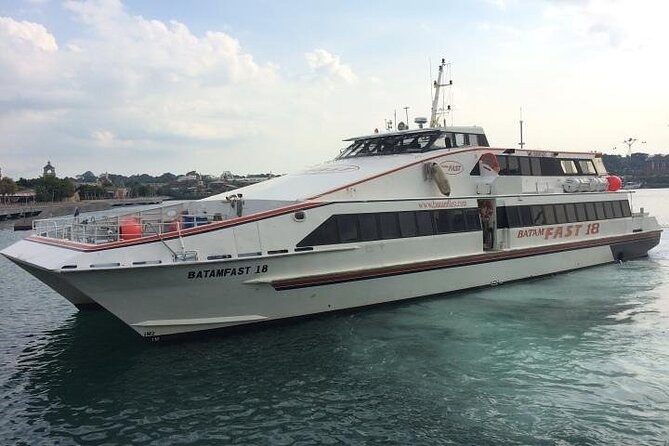
This tour is built around a simple idea: start with the water, not with stress. You head to Singapore Harbourfront Centre (at 1 Maritime Square) and meet the group around 9:20am. Your tickets are held at the ferry counter, and you collect them using your passports before boarding—so bring your documents and don’t plan to be late.
The crossing is about 1 hour on a high-speed public ferry. It’s long enough to feel like you left Singapore, but short enough that the day doesn’t melt away. For most people, that timing is the sweet spot: you still return to Singapore around 10:00pm after the last ferry.
Practical note: the tour says refunds aren’t given if you miss the high-speed ferry, so treat that morning like a departure day for a flight. You’re crossing borders, and the schedule doesn’t wait.
You can also read our reviews of more tours and experiences in Singapore

Meeting Your Guide and Getting Oriented at Welcome to Batam

Once you land in Batam and clear immigration, your English-speaking guide meets you with a sign. Then you’re whisked into an air-conditioned vehicle and the day starts “introducing” you to Batam in quick strokes.
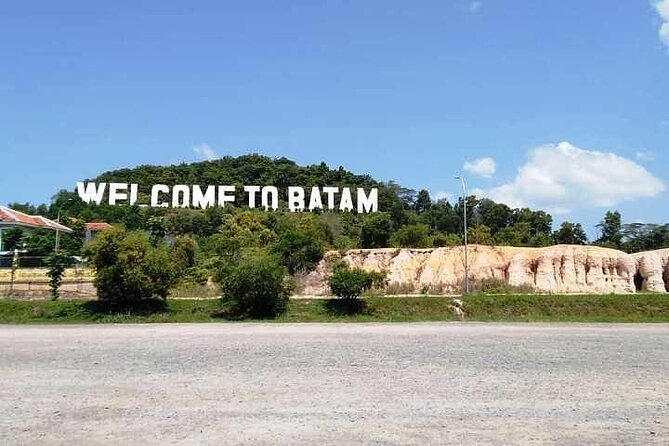
The first photo stop is at the Welcome to Batam Monument, just the kind of stop that helps you get your bearings fast. It’s not a museum moment—it’s a context moment. After you’ve cleared paperwork and stepped into a different country, a landmark like this makes the rest of the day feel less like a checklist and more like a place.
This part matters because Batam is not marketed like a classic postcard island. You’re seeing a developing city with a mix of cultures and religions, and orientation stops help you read what you’re seeing later—like why certain temple areas feel prominent, or why the road scenery is so “everyday.”
Mini Indonesia Park and layer-cake tasting: the quick hits that work
The day moves through short stops that don’t demand a lot of time, but still give you sensory wins.
One stop is Mini Indonesia Park at Bengkong, with miniature replicas of architecture from Indonesia’s 34 provinces (including Jakarta). It’s brief, but it does something useful: it gives you a map-in-miniature. When you later see different temple styles, you’ll feel less lost.
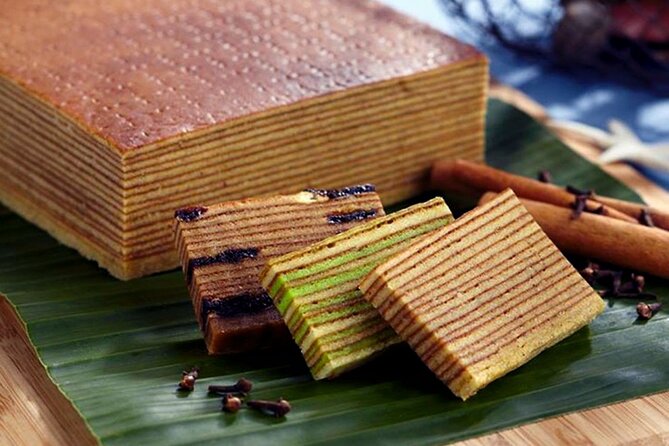
Right after, you get a stop for Batam layer cakes (kueh lapis). Expect a short bakery stop where you sample the layered cake and learn what makes it different from the idea of cake most people know. This is one of those “small time investment, high payoff” moments. It’s also the kind of food stop that doesn’t pressure you into buying anything immediately—though you should always be ready for the sales rhythm that often comes with tastings in regional tour stops.
One tip: if you have a sweet tooth, pace yourself. Kueh lapis is often served in small portions, but you can still end up tasting more than you planned, which makes lunch feel oddly optional later.
Maha Vihara Duta Maitreya Temple: the main temple stop
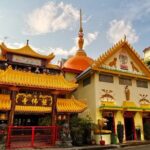
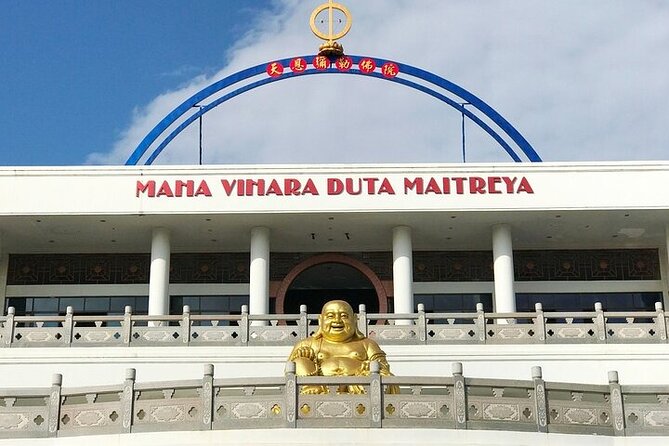
If you remember only one religious sight from this day, make it the Maha Vihara Duta Maitreya Temple. The tour notes it’s the largest Chinese temple in Indonesia, located on Lucky Hill. It’s dedicated to Maitreya, and the setting helps explain why this stop tends to be a crowd favorite.
You’ll get about 20 minutes here. That’s not long enough for deep study of symbolism or architecture in depth, but it is long enough to actually enjoy it. The best way to use this short window is to slow down for five minutes, look upward and across the complex, and take your time with photos before the group is moving again.
Why this stop is valuable for your money: it’s one of the few “big, recognizable” cultural sites in Batam’s day-trip format. If your time in Indonesia is limited, a major temple makes the day feel earned.
Balinese-style Pura Agung Amerta Buana: photostop, not a full visit
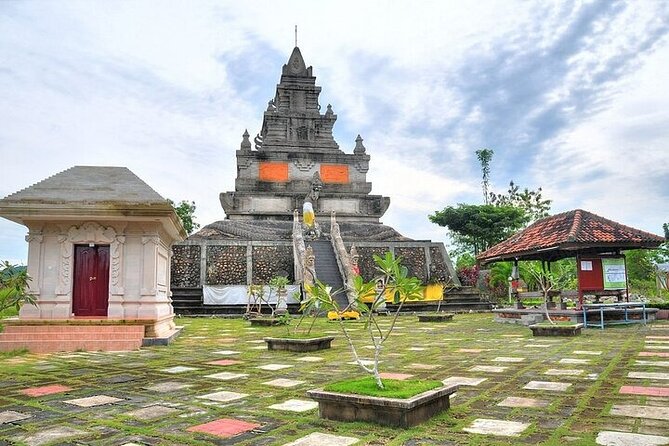
Next comes Pura Agung Amerta Bhuana, a Balinese-style Hindu temple. The tour frames it as an exclusive photostop, so don’t expect an extended walk or lots of time inside.
This is still worth doing, especially if you like seeing how Indonesian culture expresses itself across religions. One quick temple stop can add real texture to a day that otherwise runs on roads and waiting. The downside is simple: with only a short stop, you might want more time if you’re a temple-focused traveler.




Garuda Park and the Tanjak Mosque: architecture spotting on the move

From temple country, you go into the “let’s look around” phase.
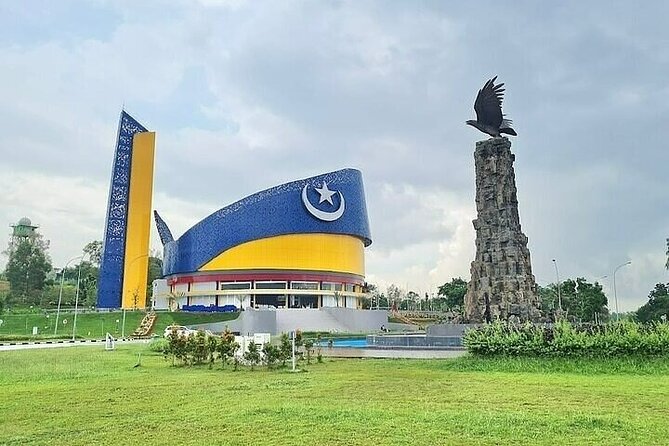
At Taman Rajawali (Garuda Park, linked to Hang Nadim area), you’ll see a monument with a Garuda statue, which represents Indonesia in many symbolic ways. The tour gives you a short time here—think photos and quick orientation.
Then you get a vantage view of Masjid Tanwirun Naja (Masjid Tanjak). The minaret is listed as 45 meters, and the exterior is described as modern aluminum composite panels. This is a nice contrast stop after temple buildings: mosque architecture and materials read differently, even when you’re seeing everything in fast motion.
If you’re the type who likes architecture more than shopping, these two stops are the kind that keep the day from feeling like an unbroken sales funnel.
Barelang Bridge photo stop: good views, short time
The day includes Barelang Bridge, sometimes called the Golden Gate Bridge of Batam. The itinerary wording suggests a focus on viewing and photos, and time can be tight.
A one-hour window sounds generous, but remember the day already runs on travel time, quick stops, and lunch timing. This stop is best approached with a mindset of: arrive, get the photos you want, then move on. If you’re hoping for a long scenic walk, you may feel a little rushed.
That said, it’s a striking modern structure in a place that doesn’t otherwise feel built for mass tourism. Even a short stop can be memorable if you plan your angles.
4-course seafood lunch and kueh lapis: the meal that justifies part of the price
Most day trips stand or fall on food. This one leans into food with a 4-course seafood lunch that includes two types of seafood, plus chicken and vegetables. There’s also a tasting of traditional kueh lapis during the day.
If you’re doing this from Singapore, this matters. Singapore has world-class food, but it also sets your expectations high. A strong meal helps the trip feel like more than “a ferry ride plus photos.” Several positive notes in the feedback history focus on the seafood lunch as a key highlight, and it’s easy to see why. When the meal is part of the program, it becomes a built-in win.
Two practical pointers:
- If you’re vegetarian, you can request a vegetarian option at booking. Do it early so you’re not stuck improvising.
- If you don’t eat seafood, you still have chicken and vegetables, but you should check how your lunch course is structured in advance if you’re picky. The tour description says the lunch is seafood-forward.
The included 1-hour massage: real tradition, mixed relaxation depending on you
One of the standout inclusions is a 1-hour (60-min) traditional Indonesian massage. It’s included, which is a big deal for value. You get a break from walking and photos, and it’s scheduled in a way that helps you unwind after you’ve been moving all day.
Now the honest part. Massage quality is personal. Some people want gentle pressure; others want deep work. The tour is marketed as traditional, and traditional styles can feel firm. If you’re sensitive to strong pressure or you’re hoping for spa-level soft touch, you might find it less relaxing than you pictured.
Still, even when massage satisfaction varies, it remains one of the most commonly praised components of the day. It’s a good “body reset” if you’re ready for a more intensive session rather than a float-in-scented-oils vibe.
Shopping stops and coffee sampling: why your expectations matter
Here’s the section that can make or break the experience for you.
The route includes local shopping stops and at least one coffee-related stop tied to product sampling. For some people, that’s fun: you see local goods, taste coffee, and learn how they position certain products. For others, this part feels like time spent selling rather than sightseeing.
You’ll want to decide upfront what you want from the day:
- If you enjoy browsing batik items or bringing home local snacks, you’ll probably accept the shopping rhythm.
- If you want more culture and fewer sales speeches, keep your expectations realistic. This itinerary is designed to include commercial stops.
Also pay attention to pacing. Some feedback history indicates driving time can feel long, with commentary varying by guide style. If you’re the type who loves storytelling on the road, you’ll want a guide who talks through what you’re seeing.
Tip: if you’re not a shopping person, you can still make these stops useful. Treat them like quick “pulse checks” on daily life: look at what people buy, glance at menus or packaging, and ask simple questions. Don’t sit there bored, and don’t get pulled into buying just to avoid awkwardness.
Mega Mall stop and the ferry back to Singapore
At the end of your Batam day, your guide brings you back near the ferry terminal. The itinerary includes a stop at Mega Mall Batam Centre, and it mentions the ferry terminal is connected via a skybridge on the departure level.
This is essentially your “time and comfort buffer.” You’re waiting anyway, so a mall near the terminal can keep you from just standing around. It’s also a practical last chance for water or snacks if you’re running low, though the tour may not consistently offer drinks throughout the whole day. Bring a small bottle if you’re the kind of person who hates dehydration headaches.
Then you board the return ferry to Singapore, with arrival back at HarbourFront Centre around 10:00pm.
Price and value: what you’re really paying for at $266.31
At $266.31 per person, this isn’t a cheap thrill. You’re paying for the combination of:
- Round-trip high-speed ferry (crossing borders)
- Air-conditioned vehicle in Batam
- English-speaking guided tour
- Temple and museum admissions
- 4-course lunch
- A full 1-hour massage
When you add those pieces together, the price starts to make sense, especially compared to trying to stitch everything yourself on a tight day. The included ferry crossing alone is often what pushes day trips into the mid-to-high range.
The value question depends on what you care about most:
- If you want food + massage + a guided overview, it’s strong value.
- If you care mostly about major sights and minimal shopping, you may feel the schedule is too sales-adjacent.
Who should book this Batam day tour from Singapore
This tour is a good fit if you:
- Have limited time in Singapore and want one full “Indonesia taste” day
- Like culture and architecture stops, even if they’re short
- Want an included massage instead of searching for one on your own
- Prefer small-group structure (maximum 15 people) over a giant bus tour
It’s not as good if you:
- Want a calm, slow day with lots of free time
- Hate shopping stops or coffee pitches
- Need a very gentle massage style
- Have health limits that make tours unsuitable (the tour notes it’s not suitable with fever or serious medical conditions)
Should you book this Batam day tour? My call
I’d book it if you want an efficient day with real variety: temples, a big bridge photo moment, a useful kueh lapis stop, and a proper lunch plus massage. The ferry timing makes it workable, and the included elements cover most of the costs that would otherwise eat your day.
I’d hesitate if your priority is deep cultural immersion with minimal commercial stops. This trip is designed for a “tour loop” experience, not a wandering, independent travel day. If you go in ready for that format, you’ll likely feel like you got your money’s worth.
FAQ
How long is the ferry from Singapore to Batam?
The ferry crossing is about 1 hour each way, with the tour starting from Singapore Harbourfront Centre.
Do I need an Indonesian visa-on-arrival?
Visa-on-arrival is not included. The tour notes it costs US$20 per person, paid in cash at the border. Availability depends on your nationality.
Is the 1-hour massage included?
Yes. A traditional Indonesian massage for 60 minutes is included in the tour.
What’s included in the lunch?
You get a 4-course lunch that includes two types of seafood, plus chicken and vegetables. A vegetarian option is available if you request it at booking.
What happens if the Batam Raja Ali Haji museum is closed?
If the museum is closed (the tour gives examples like sanitisation every Monday), the visit can be replaced with Batam Mini Indonesia Park.
What if the tour can’t run due to weather?
The experience requires good weather. If it’s canceled due to poor weather, you’ll be offered a different date or a full refund.