REVIEW · CHINATOWN, LITTLE INDIA & KAMPONG GLAM WALKING TOURS
UNESCO Hawker Culture: Chinatown Food Tasting Tour
Book on GetYourGuide →Operated by LC Travel Planners · Bookable on GetYourGuide
Food here comes with footnotes. This Chinatown walk mixes immigrant-history stops with 9–10 hawker tastings, so you understand what you’re eating, not just where. The tour works at hawker speed, so expect some waiting because tables can’t be pre-booked.
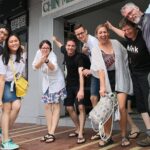
I also like the pacing and story flow. You’ll move street to street—Pagoda Street, Ann Siang Hill, then into hawker centers—getting short guided context plus photo breaks along the way. Guides such as Ronnie, Kent, and Jeanette get praised for humor, ordering skills, and making the area feel understandable fast.
One consideration: the experience is not wheelchair-accessible, and it’s built around walking. If you’re sensitive to crowds or you need a strictly reserved-seating plan, go in with that in mind.
In This Review
- Key things to know before you go
- Price and what you actually get for $69 in Chinatown
- Starting at Chinatown MRT Exit A and going in hungry
- Chinatown Heritage Centre and Pagoda Street storytelling on foot
- Hidden alleys, Yip Yew Chong murals, and traditional coffee-shop breaks
- Ann Siang Hill and the Crazy Rich Asians style photo circuit
- Maxwell Food Centre: chicken rice, oyster pancakes, and how to pace yourself
- Buddha Tooth Relic Temple and Sago Lane: culture past the food counter
- Chinatown Complex architecture and the final food-scene walk
- How the guide experience shapes what you’ll actually enjoy
- What to expect from the food: more than “random hawker bites”
- Who this walking food tour is best for
- Should you book this Chinatown hawker tasting tour?
- FAQ
- How long is the UNESCO Hawker Culture: Chinatown Food Tasting Tour?
- Where does the tour start and where do I get dropped off?
- What is included in the $69 per person price?
- Can the tour pre-book tables or pre-order food?
- Is the tour wheelchair accessible?
- Are dietary needs accommodated?
- What are the child policy and cancellation rules?
Key things to know before you go
- Start with bak kwa, then connect the dots across Chinatown streets tied to migration and settlement
- Hidden alleys and mural photo stops including the Yip Yew Chong murals
- Ann Siang Hill photo moments with iconic filming-locale vibes (Crazy Rich Asians style)
- Maxwell Food Centre highlights like Hainanese chicken rice and Fuzhou oyster pancakes
- Temple and back-lane culture at Buddha Tooth Relic Temple and Sago Lane, the street of the dead
- A guide who orders for you so you’re not stuck guessing at busy stalls
Price and what you actually get for $69 in Chinatown
At $69 per person for about 3 hours, this tour is priced like a true food-and-walking experience, not just a casual stroll. You’re not paying for a single dish. You’re paying for a licensed guide, plus 9–10 handpicked food and drinks from well-known or Michelin-recognized hawker stalls, and a bottle of mineral water.
That structure matters. Hawker centers are fast, loud, and full of options. Without local guidance, you can easily miss a stall, order something that doesn’t hit, or spend time walking back and forth. Here, the guide sequences the tastings so you’re not burning your afternoon on “should we try this or that?” That’s the real value.
You can also read our reviews of more food & drink experiences in Singapore
Starting at Chinatown MRT Exit A and going in hungry
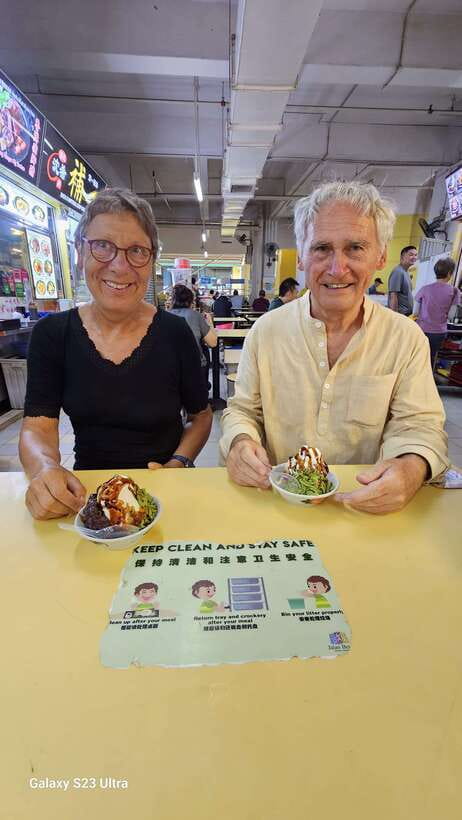
Your tour starts in Chinatown, with the listed meeting point at Chinatown MRT Exit A (the exact meeting location can vary depending on the option you booked). From the first minutes, the flow is designed for walking comfort: short guided segments, then quick transitions to the next food stop.
Bring practical energy. Wear comfortable shoes because you’ll be on your feet the whole time, and you’ll want your stomach ready. More than one guide-style tip shows up in the feedback: go hungry. By the end, you’re meant to feel completely fed, not snacky.
Quick pro move: don’t plan a big meal right before departure. If you do, you’ll lose the joy of tasting multiples, and you may end up skipping items just because you’re full.
Chinatown Heritage Centre and Pagoda Street storytelling on foot
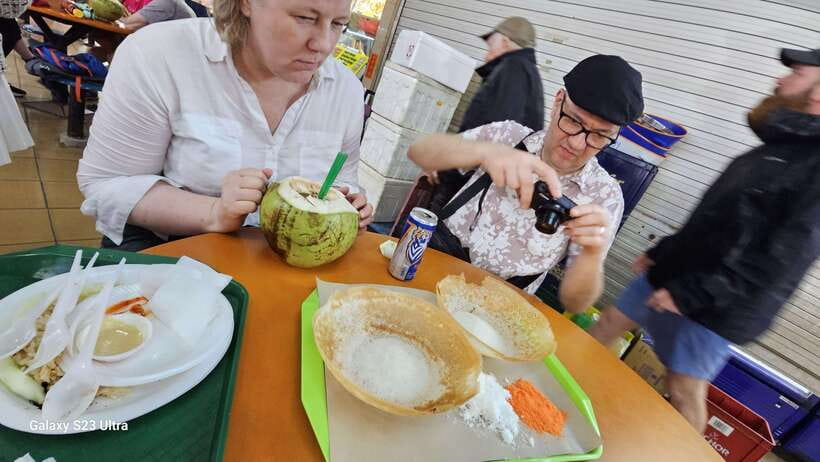
One of the best parts of this experience is how it starts with context. The early stops focus on Chinatown’s immigrant story—especially around Pagoda Street and the Chinatown Heritage Centre.
Here’s what you gain from this section: you stop treating Chinatown food like random street snacks. Instead, you get the backstory behind why certain foods show up, how communities took root, and how traditions carried over into everyday life. Even if you’ve read about Singapore before, a guided walkthrough of local landmarks gives you a better mental map.
You’ll also have a photo pause, plus guided sightseeing and walking time (around 35 minutes for the Heritage Centre portion). That’s enough time to look around without feeling rushed, and it sets the tone: you’re not only eating—you’re learning what to notice.
Hidden alleys, Yip Yew Chong murals, and traditional coffee-shop breaks
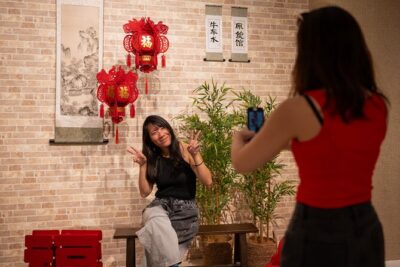
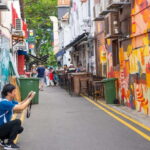
After the heritage stops, you’ll shift into the part that makes Chinatown feel like a living neighborhood. The tour highlights small lanes and Instagram-worthy mural spots, including the Yip Yew Chong murals. This is the section where you slow down for images and details: worn alley corners, shopfront textures, and street scenes that don’t appear in broad “main road” sightseeing.
It also includes time for traditional coffee-shop moments along the way. That’s a smart choice because hawker culture isn’t just about eating. Coffee stalls, sweet snacks, and old-school beverages are part of the daily rhythm.
Timing is tight (again, segments are built around short stops and steady walking), but the guide keeps it organized. You’re not left to wander with a camera and guesswork.
Ann Siang Hill and the Crazy Rich Asians style photo circuit
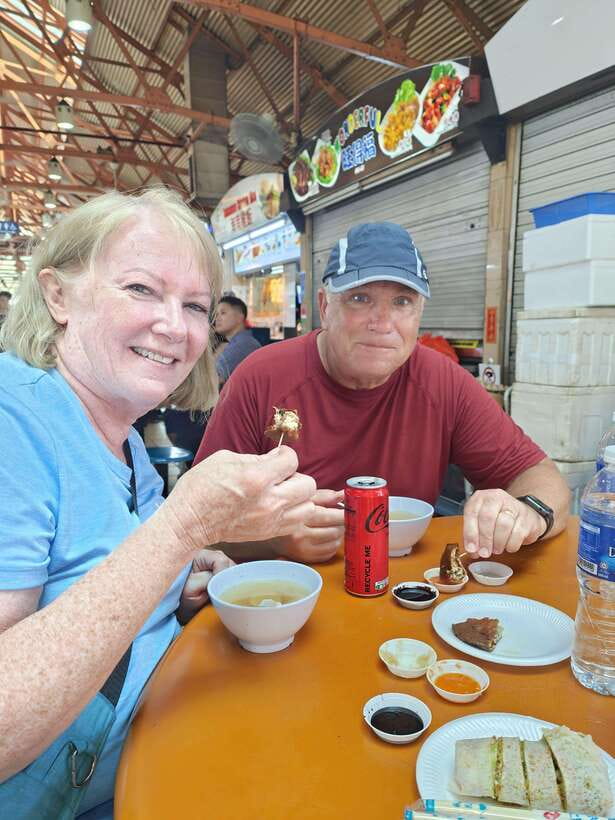
Next comes Ann Siang Hill, a stretch with history you can see in the streetscape and storefront style. The tour includes guided sightseeing and another photo-stop window (about 35 minutes).
What makes this stop fun is the mix of cinematic familiarity and real-world context. You’ll hit iconic photo spots that many people recognize from Crazy Rich Asians–type imagery—then the guide adds the “why this looks like this” layer. Instead of only snapping pictures, you learn how the area’s character shows up in the details.
If you enjoy photography, this is one of the more camera-friendly sections. If you don’t care about photos, it still works because it’s where the history feels visible at street level.
You can also read our reviews of more tours and experiences in Singapore
Maxwell Food Centre: chicken rice, oyster pancakes, and how to pace yourself
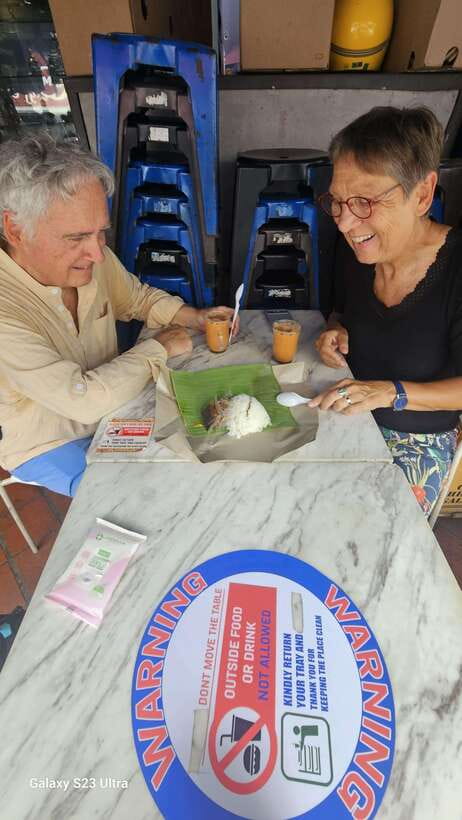
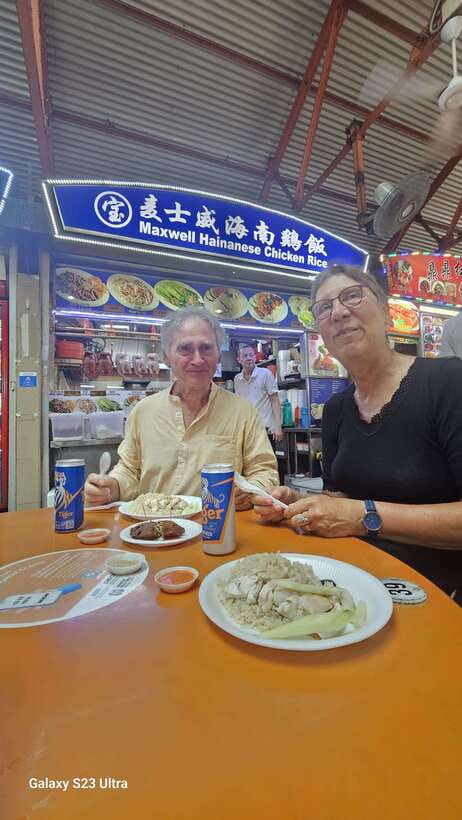
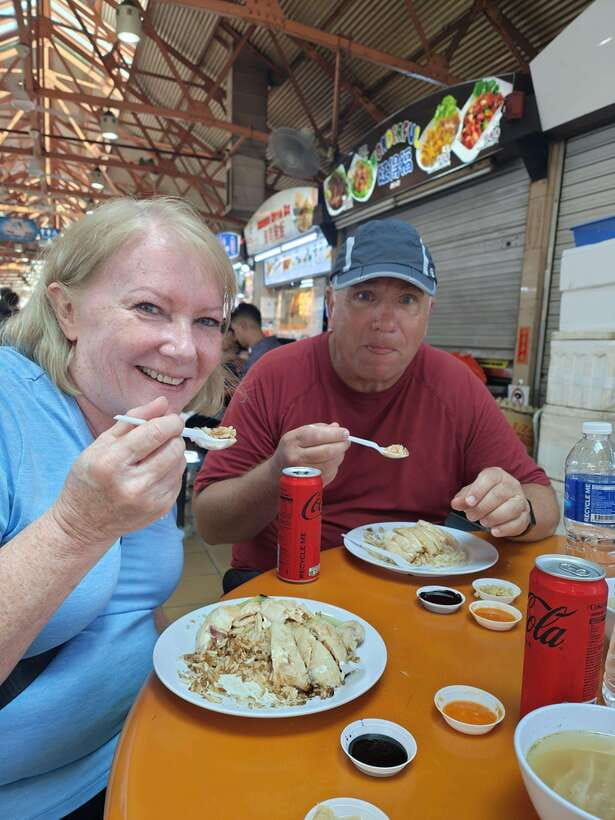
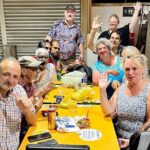
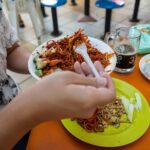
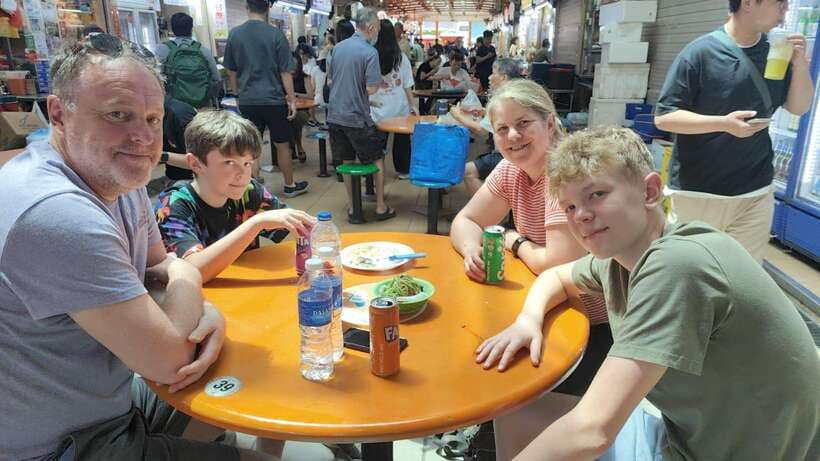
This is where the tour earns its name: hawker tasting with a guide who actually knows how to order and sequence tastings. The stop at Maxwell Food Centre includes a break time, guided visit, walking within the center, local snacks, and food tasting (about 35 minutes).
Two highlighted must-tries anchor this segment:
- Chicken rice (often the headline order at Maxwell)
- Fuzhou oyster pancakes (a distinctive choice with serious fan energy)
What I like about this part for practical travelers: you’re not forced into a single “big lunch.” Instead, the tasting approach helps you sample variety without turning it into a full meal you regret later. You’ll likely leave this part pleasantly full, but still able to enjoy what comes next (temple stop, then Chinatown Complex).
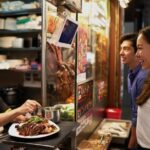
One more tip: because table booking or food pre-ordering isn’t possible, there may be short waits. The guide will work to get tables and place orders, but you’ll want to stay flexible and keep your expectations hawker-real.
Buddha Tooth Relic Temple and Sago Lane: culture past the food counter
After the hawker center, you move from “eat and compare” to “understand and notice.” The tour visits Buddha Tooth Relic Temple and Museum with guided sightseeing and walking time (about 20 minutes).
This stop is valuable because it broadens the story. Chinatown isn’t only about migration and snacks—it’s also about culture expressed through landmark institutions. You’re getting a deeper sense of how the area’s identity shows up beyond the plates.
Then you head toward Sago Lane, described as the street of the dead. That detail alone makes people pay attention to the lane’s atmosphere, and the guided context helps it feel meaningful rather than just spooky-fun.
Expect this segment to be shorter, but it’s not shallow. It’s designed as a cultural reset between food stops.
Chinatown Complex architecture and the final food-scene walk
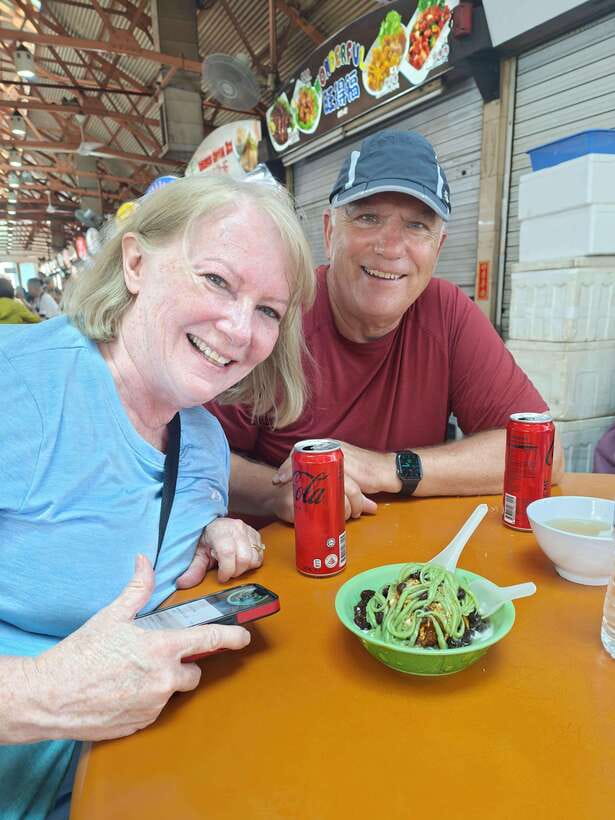
You’ll wrap with time at Chinatown Complex, including guided tour, sightseeing, and walking (about 20 minutes). Chinatown Complex is a major working neighborhood hub—part daily life, part food scene, and very much a place locals use.
This part matters because it shows you a different side of Chinatown than the postcard streets. You see how food and daily routines exist side by side in a real commercial setting. You also get a structured “last pass” so the tour doesn’t abruptly end right after a single hawker stop.
The listed drop-off is around Chinatown Complex (and the Chinatown complex option matches that). So you finish in a place where you can keep exploring on your own without needing a long commute.
How the guide experience shapes what you’ll actually enjoy
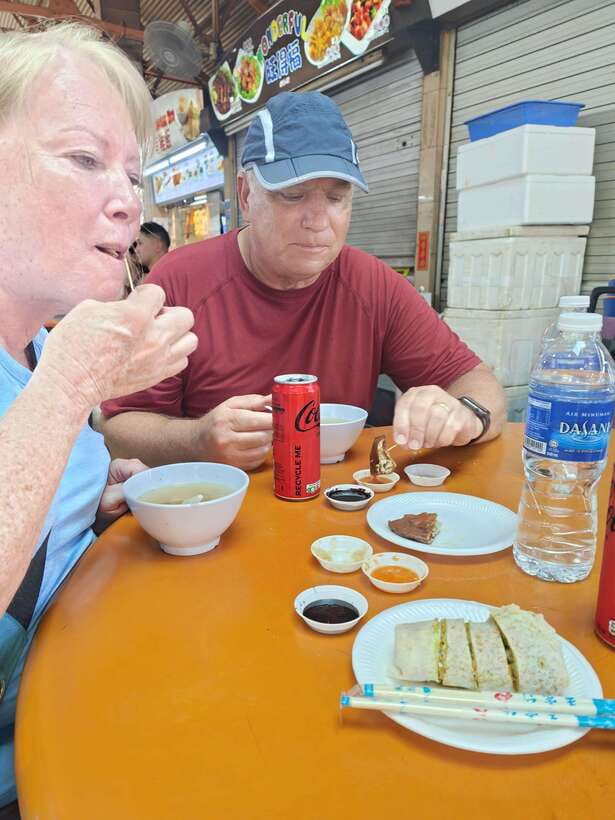
One reason this tour earns a 4.9 rating from 43 reviews is guide performance. The names that show up repeatedly—Ronnie, Kent, Kelvin, Jeanette, Edwin, and Janet—share a common theme: guides keep the stories readable and the ordering smart.
What that means for you:
- You get explanations at landmarks, not just at food stalls
- You’re not left standing in front of a menu guessing what’s best
- The pacing stays manageable for most people in a group setting
A practical detail: the tour is offered in Chinese, English, and Japanese. If you’re trying to catch more nuance in the stories, language support makes a difference.
Also, if you’re traveling solo and worry about getting oriented, you’ll be glad the guides are used to helping people find the right MRT connections. (One recent guest described extra help getting onto the correct station.)
What to expect from the food: more than “random hawker bites”
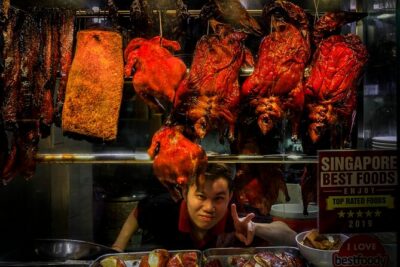
You’ll sample handpicked food and drinks—typically 9–10 items—at stalls that are described as famous or Michelin-recognized. That matters because the guide isn’t pulling you toward the first stall with a line. The goal is variety and quality.
Some items you should expect to hear about during the tour include:
- Bak kwa to start
- Hainanese chicken rice
- Fuzhou oyster pancakes
But the bigger value is the selection logic. The guide tends to mix flavors, textures, and styles across different cultural lanes of Chinatown, then ties each bite back to the neighborhood’s history.
And because you won’t pre-book tables, you also get the realistic hawker experience: ordering, waiting, eating at a steady rhythm, then moving on.
Who this walking food tour is best for
This tour fits best if you want:
- A Chinatown food-and-stories plan that lasts about 3 hours
- Access to the street-level sides of Chinatown—murals, lanes, and landmark context
- A guide who helps you avoid the menu confusion trap
It’s also a good choice for repeat visitors to Singapore who feel like they’ve seen the big sites already. Chinatown has a lot of texture, and this kind of guided focus helps you notice details you’d likely skip on your own.
Consider skipping or adjusting if:
- You need wheelchair access (the tour isn’t wheelchair-accessible)
- You refuse any chance of waiting at hawker centers
- You have dietary needs and need guaranteed substitutions (the data says special diets may not be catered to unless it’s a private tour)
Should you book this Chinatown hawker tasting tour?
I’d book it if you’re coming to Chinatown for food and want the story behind the snacks. The best match is someone who likes learning while walking, eating a smart sequence of hawker items, and getting photo stops at places you’d otherwise miss—like the Yip Yew Chong murals and the lanes around Ann Siang Hill.
I’d think twice if your main goal is a strictly timed meal with zero waiting. Because tables can’t be booked and pre-ordering isn’t possible, you need to be comfortable with hawker-center reality.
Overall, for $69 and a 3-hour walking format with licensed guides plus 9–10 tastings, it’s strong value—especially if you go in hungry and treat it like a guided neighborhood walk, not a quick bite-and-run.
FAQ
How long is the UNESCO Hawker Culture: Chinatown Food Tasting Tour?
The tour lasts 3 hours.
Where does the tour start and where do I get dropped off?
The meeting point can vary by option, and one listed option is Chinatown MRT Exit A. Drop-off is listed at Chinatown Complex.
What is included in the $69 per person price?
It includes a licensed tour guide, 1 bottle of mineral water, and 9–10 handpicked food and drinks at hawker stores, plus the total 3 hours with the guide.
Can the tour pre-book tables or pre-order food?
No. The tour involves hawker centers where table booking or food pre-ordering isn’t possible, and there may be waiting times.
Is the tour wheelchair accessible?
No, the activity isn’t wheelchair-accessible.
Are dietary needs accommodated?
Special dietary needs may not be catered to, unless it’s a private tour. It’s best to contact the operator before booking if you have specific dietary requirements.
What are the child policy and cancellation rules?
Children aged 0–2 can join free. The child ticket limit is tied to how many adult tickets you purchase. Free cancellation is available up to 24 hours in advance for a full refund.