REVIEW · HERITAGE & COLONIAL HISTORY TOURS
Learn to cook authentic Peranakan food with local market tour
Book on Viator →Operated by Low Salt Low Sugar · Bookable on Viator
Peranakan food tastes like a cross-border meeting. You’ll join a small group in Singapore to shop local ingredients with a chef, then cook Assam Fishhead and Ayam Pongteh from scratch, finishing with lunch you made yourself. I like that the class is truly hands-on, and I like that chef Wei Qiang brings both technique and context so you understand what you’re doing, not just copy steps.
Two things I’d bet you’ll care about: market time that helps you buy the right herbs and spices, and printed recipes so the food doesn’t disappear as soon as you leave the kitchen. One possible drawback: the workshop requires at least 2 people to start, and class details can change, so you should double-check the exact meeting time and address before you go.
In This Review
- Key Highlights at a Glance
- Peranakan Cooking in Real Life: What You’ll Be Making
- Assam Fishhead
- Ayam Pongteh
- Starting Point: Chinatown MRT Meets Kitchen Prep
- Why the meeting point is a plus
- The Market Tour: Buying Peranakan Flavors the Right Way
- What I like about this market step
- A small reality check
- Private Chef Time: How Your Class Will Feel
- What you can expect in the kitchen
- Where a private format helps most
- Assam Fishhead: Training Your Nose and Taste Buds
- Ayam Pongteh: Comfort Food With Fermented Depth
- Lunch at the End: Eat What You Cook
- What’s Included (And Why It Matters for Value)
- Price and value reality check
- Best Fit: Who Should Book This Class
- Practical Tips Before You Go
- Should You Book This Peranakan Cooking Class?
- FAQ
- How long is the Peranakan cooking class?
- Where does the experience start?
- What dishes will I learn to cook?
- Do I go to a market before cooking?
- What is included in the price?
- Is lunch included?
- What group size is this?
- Does it require a minimum number of participants?
- When can the class be scheduled?
- Can I cancel for a full refund?
Key Highlights at a Glance
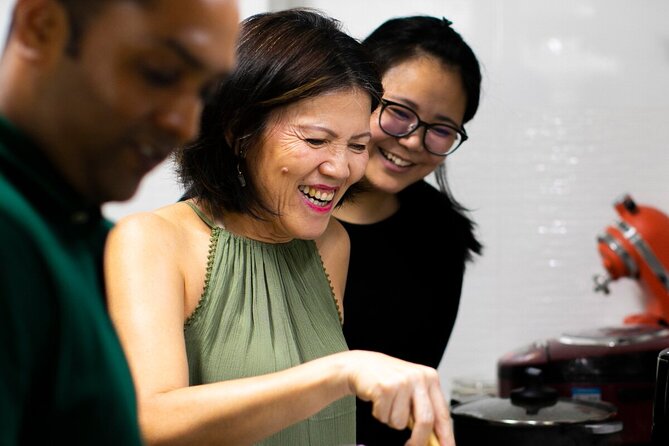
- Private chef + small group setup (maximum 6 travelers) for more direct help
- Local market shopping in a heartland area, not a tourist-only stop
- Two Peranakan dishes from scratch: Assam Fishhead and Ayam Pongteh
- All ingredients and equipment included, plus an apron and printed recipes
- Lunch included at the end, making it easy to enjoy and photograph your results
Peranakan Cooking in Real Life: What You’ll Be Making
Peranakan cuisine is basically a flavor handshake. It blends Chinese ingredients and cooking methods with Malaysian and Indonesian spice profiles, so the dishes land with bold aromatics and layers you don’t get from plain “Chinese-style” or “Malay-style” cooking alone.
In this class, you’ll focus on two classic dishes that show off that blend:
You can also read our reviews of more food & drink experiences in Singapore
Assam Fishhead
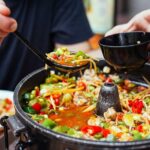
Assam is known for its sour-and-spicy edge, usually built with tamarind-style tang and fragrant spices. Assam fishhead is one of those dishes where the sauce matters as much as the fish. You’ll be learning how to balance that tang with spice, and how to treat the aromatics so they smell right before anything reaches the pot.
Ayam Pongteh
Ayam pongteh is a comforting chicken stew, and the key detail here is that it includes fermented soybean. That ingredient brings depth and savoriness that feels both homey and complex. Expect the cooking to be more about building flavor slowly than rushing for speed.
If you’re the type of cook who likes to understand why something tastes the way it does, you’ll appreciate that the chef shares the background behind the food and how Peranakan cooking fits together. One session even described learning three recipes in practice, so the hands-on time can feel fuller than the headline dishes.
Starting Point: Chinatown MRT Meets Kitchen Prep
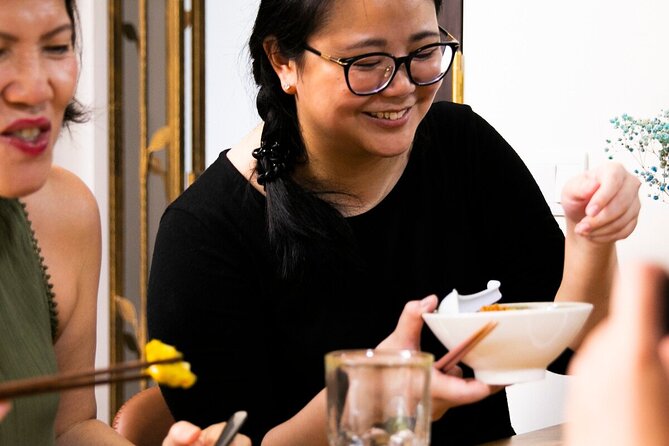
You start at Chinatown MRT Station (DT19), located at 91 Upper Cross St, Singapore 058362. This matters because it puts you near public transport, and it gets you in motion early rather than spending your time looking for the right road in a new neighborhood.
The schedule window also helps your planning: the activity runs Monday through Sunday, 7:00 AM to 1:00 PM, so you can usually choose a morning slot that fits your other Singapore plans.
Why the meeting point is a plus
- Chinatown is easy to reach, so you’re less likely to start stressed.
- You’re already in the area where ingredient shopping makes sense, so the market step feels like a natural warm-up to cooking.
You can also read our reviews of more tours and experiences in Singapore


The Market Tour: Buying Peranakan Flavors the Right Way
Before you cook, you’ll join a local market run to pick up the ingredients you’ll use in the workshop. This is one of the best parts for most people because it shifts the class from “follow a recipe” to “learn how to source the right things.”
You’ll see how ingredients used in Peranakan food don’t show up as generic supermarket items. Things like spice mixes, aromatics, and fermented components often matter more than you expect. When you shop with the chef, you learn what to look for and how to think about substitutions later—without turning the experience into a shopping quiz.
What I like about this market step
You get the heartland experience. It’s designed for more than photos at a famous landmark. You’re actually learning how locals buy what they cook.
It also makes the cooking make sense. When you’ve just picked up the herbs and spices, you’re less confused about their role once you’re back at the stove.
A small reality check
Market shopping can take a bit of time and attention. If you’re someone who hates being in crowds or you prefer very structured schedules, plan for some walking and pay attention to where the group is heading.
Private Chef Time: How Your Class Will Feel
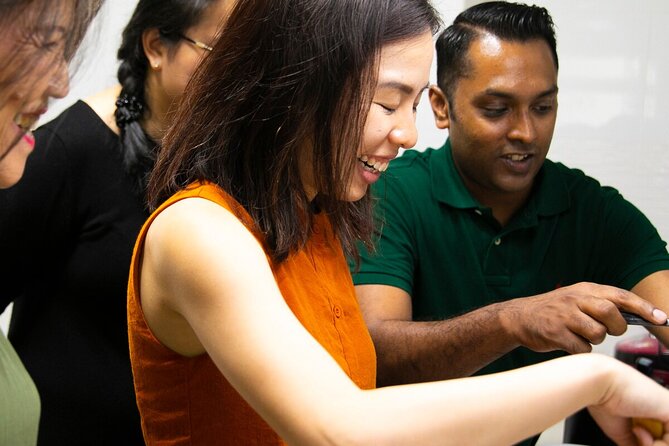
This is set up as a private Peranakan cooking class with a private chef for a small group (up to 6 travelers). That’s a sweet spot. You still get the personal attention of a private lesson, but you won’t feel totally alone at the workbench.
Chef Wei Qiang has a teaching style that comes through in the way the class is described: welcoming, hands-on guidance, and a willingness to explain the food’s background. In one experience, the chef made sure people knew what they were doing and kept the session interactive across the cooking process.
What you can expect in the kitchen
- You’ll work from scratch on the dishes, not just assemble pre-made components.
- You’ll get help while you cook so you can actually learn techniques.
- You’ll get a take-home printed recipe set, which is great for repeating the dishes later.
Where a private format helps most
Cooking classes can feel uneven when one or two people do most of the work. A small-group private chef setup helps you avoid that. You’re more likely to touch the steps that actually build flavor—like prepping aromatics, seasoning, and getting the sauce to the right balance.
Assam Fishhead: Training Your Nose and Taste Buds
Assam fishhead isn’t the kind of dish where you can rely on guessing. You’ll need to pay attention to aroma and balance, because “sour” and “spicy” can swing quickly.
The upside is that once you understand the sour-spice logic, the dish becomes repeatable. Here’s what matters most as you cook:
- Aromatics first: get the fragrance right before you add liquids.
- Sour balance: the sour element drives the whole flavor structure.
- Spice control: you’re building heat that stays pleasant, not just burning.
If you’ve never cooked a Peranakan-style sauce before, this dish is a great entry point. It teaches the idea of layered flavors, not one-note seasoning.
Ayam Pongteh: Comfort Food With Fermented Depth
Ayam pongteh is the “slow comfort” dish in the pair. The fermented soybean is the defining clue, and it changes the whole character of the stew. You’re learning how fermentation-style ingredients add savory depth and rounded flavor.
In practice, that usually means:
- You’ll spend more time letting the stew build.
- You’ll pay attention to how the stew smells and thickens.
- You’ll learn how to judge when it’s ready by taste and consistency, not just timing.
This is a dish that rewards patience. If you like food that feels like a warm bowl and not just a heavy sauce, pongteh is the one that often makes people leave thinking about making it again.
Lunch at the End: Eat What You Cook
You’ll end the session with a homey lunch using the dishes you prepared. That’s not just a nice perk. It’s part of the learning loop.
When you eat right after cooking:
- You notice seasoning balance while it’s fresh in your mind.
- You can compare your work to the chef’s guidance in a way that sinks in.
- You get food you can actually photograph while it looks like it’s supposed to.
And since you’re sharing the meal with your group, it’s easy to talk through what worked and what surprised you. Cooking classes can feel abstract if the meal comes later; here, it comes right away.
What’s Included (And Why It Matters for Value)
This experience includes:
- All ingredients
- Cooking equipment
- An apron
- Printed recipes
- Market shopping as part of the experience
- A chef-led setup focused on two dishes
For me, the value is in the total package. Singapore is not cheap, and a class that includes ingredients and equipment saves you the cost and hassle of figuring out what to buy. Plus, the printed recipes mean you’re not stuck trying to recreate flavors from memory.
Price and value reality check
At $168.16 per person for about 6 hours, you’re paying for:
- A chef’s time
- Guided market shopping
- Ingredient sourcing
- A full cooking session plus lunch
If you would otherwise spend time hunting for the right ingredients and then pay for a meal anyway, this starts to look like a practical deal. It’s especially strong if you want two dishes instead of one.
Best Fit: Who Should Book This Class
This works well if you:
- Want an authentic Peranakan meal with real technique, not just a tasting tour
- Like hands-on cooking
- Want to shop for ingredients with a guide, so you learn what matters
- Appreciate printed recipes you can actually use later
It may be less ideal if you:
- Need a totally fixed schedule with zero chance of change (the format can be flexible, and there’s a note that at least 2 people are required to start)
- Prefer a very large-group sightseeing style instead of kitchen work
Practical Tips Before You Go
Here are a few things I’d do before your cooking day, based on what usually makes cooking classes smoother.
- Arrive a few minutes early at Chinatown MRT (DT19) so you can find the group without rushing.
- Wear comfortable clothes you don’t mind getting a little cooking aroma on you.
- Come hungry. Lunch is included, and you’ll enjoy tasting more if your stomach isn’t already full.
- If you’re coordinating with a travel partner, double-check that the booking meets the requirement of at least 2 people to start.
Should You Book This Peranakan Cooking Class?
I’d book it if you want a grounded Singapore experience where you learn real dishes and leave with recipes you can follow again. The market step is a big plus, and the fact that you cook two recognizable Peranakan classics—Assam Fishhead and Ayam Pongteh—means you’re not just learning “one flavor idea.” You’ll get both the sour-spicy lesson and the fermented, savory stew lesson.
I’d think twice only if you’re the type who gets frustrated by small schedule changes or you’re traveling solo during a period when the operator might need enough people to start. If that’s you, coordinate carefully and confirm meeting details in advance.
FAQ
How long is the Peranakan cooking class?
It lasts about 6 hours.
Where does the experience start?
You start at Chinatown MRT Station (DT19), 91 Upper Cross St, Singapore 058362.
What dishes will I learn to cook?
You’ll cook Assam Fishhead and Ayam Pongteh (chicken stew with fermented soybean).
Do I go to a market before cooking?
Yes. You join a local market tour to purchase ingredients for the workshop.
What is included in the price?
All ingredients, cooking equipment, an apron, and printed recipes are included.
Is lunch included?
Yes. The class ends with a homey lunch so you can enjoy what you cooked.
What group size is this?
It has a maximum of 6 travelers.
Does it require a minimum number of participants?
Yes. The workshop requires at least 2 people to start.
When can the class be scheduled?
It runs Monday to Sunday from 7:00 AM to 1:00 PM.
Can I cancel for a full refund?
Yes. You can cancel up to 24 hours in advance for a full refund.