REVIEW · CHINATOWN, LITTLE INDIA & KAMPONG GLAM WALKING TOURS
Private Chinatown Heritage Tour with Best 8 Local Tastings
Book on GetYourGuide →Operated by LC Travel Planners · Bookable on GetYourGuide
Chinatown tells its story through food. I love the storytelling at every stop and the way you’re guided into hidden alleys and mural spots instead of just walking the obvious route. You’ll also get practical help at the hawker centers, like ordering guidance so you don’t end up standing there guessing. The main trade-off is simple: it’s about 3 hours and a fair amount of walking, so plan comfy shoes and be ready for rain.
Ronnie and Tang (two guides I saw praised for different strengths) bring the kind of energy that makes the area feel personal, not like a scripted checklist. I especially like that the tastings are handpicked and focused on local favorites, including standout items such as chicken rice and Fuzhou oyster pancakes at Maxwell Food Centre. If you’re the type who wants huge portions on a food mission, you might still need an extra snack after, since this is a curated “best-of” sampling route rather than an eat-until-you-drop plan.
In This Review
- Key Highlights You’ll Actually Care About
- Meeting at Chinatown MRT Exit A (Find the Bak Kwa)
- Bak Kwa to Chinatown Heritage Centre: Start With Taste and Context
- Yip Yew Chong Murals and Old Coffee Shops: The Alley Walk You Want
- Ann Siang Hill Photo Stops: Where the Streets Feel Like a Set
- Maxwell Food Centre: Chicken Rice and Fuzhou Oyster Pancakes, Done Right
- Buddha Tooth Relic Temple, Sago Lane, and Chinatown Complex
- Price and Value for a $110 Private 3-Hour Walk
- Who This Private Chinatown Heritage Tour Fits Best
- Should You Book This Private Chinatown Heritage Food Tour?
- FAQ
- Where is the meeting point?
- How long is the tour?
- Is this a private tour?
- What is included in the price?
- What food will I try on the tour?
- Can I cancel for a full refund?
Key Highlights You’ll Actually Care About
- Private guide time for questions, pacing, and ordering help at food stops
- Baked-in photo stops tied to real neighborhood landmarks and visuals
- 9-10 must-try tastings across famous hawker stalls and Chinatown eateries
- Immigrant-era context along Pagoda Street and the heritage spaces you pass
- Temple and street culture stops that round out the area beyond food
Meeting at Chinatown MRT Exit A (Find the Bak Kwa)
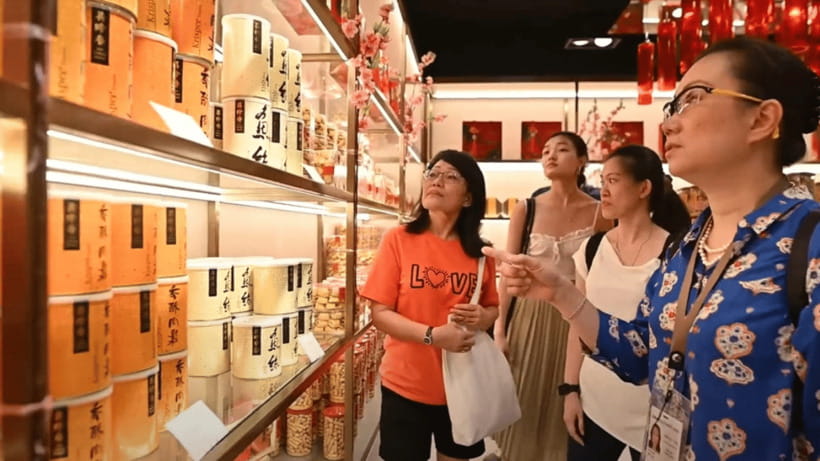
This tour starts at Chinatown MRT Station, Exit A, on the street level. You’ll meet in front of the Bee Chiang Heng Bak Kwa Store, which is a smart anchor point because it’s easy to spot and it sets the tone: sweet-salty Chinese bakery treats belong here.
From a practical point of view, meeting near a well-known shop also reduces stress. Instead of hunting down a generic tour flag, you’ll be able to get your bearings fast by looking for that familiar Bak Kwa storefront. And because the whole experience runs on foot for roughly three hours, being located right in the Chinatown core matters. You spend your time where the action is, not on transit shuffling.
One more small point: the route includes temple time and hawker time, so your schedule will feel like a mix of “walk, look, eat” rather than a straight line. If you’re sensitive to timing, arrive a few minutes early. That way you can start relaxed, not rushed.
If you’re planning what to wear, think comfort first. You’ll want shoes that can handle uneven pavement and lots of stairs in and around transit corridors. If rain shows up, bring a poncho or umbrella and keep it simple—don’t rely on fragile compact umbrellas.
You can also read our reviews of more private tours in Singapore
Bak Kwa to Chinatown Heritage Centre: Start With Taste and Context
The first major stop is Chinatown Heritage Centre, where you’ll begin with a photo stop and a guided walkthrough. This is the part of the tour that gives you the “why” behind what you’ll see next. Instead of treating Chinatown as one single uniform block of streets, your guide frames it as layers: migration, community life, and the markets and trades that formed there.
You also kick off the food experience with Bak Kwa. This is one of those Chinatown classics that’s easy to recognize later, because the flavor sticks in your memory. And it works well at the beginning: it’s a quick taste, not a heavy meal, so it doesn’t wreck your appetite for the hawker center part later.
From this area, you’ll also move through Pagoda Street territory and learn how the streets themselves became stages for everyday commerce and community. The tour keeps pairing visuals with stories, so you’re not just staring at buildings—you’re understanding why certain lanes and sites matter.
Why this start is valuable for you: if you’ve never visited Chinatown before, the heritage context turns the walking route into a storyline. If you have visited before, it still helps because it points out what you may have missed: specific street patterns, heritage spaces, and the logic behind where people gathered.
The only consideration is that heritage stops mean some indoor time and guided narration. If you hate sitting still even briefly, you’ll still be okay, because the tour keeps moving and includes lots of photo stops. It just won’t be nonstop walking from minute one.
Yip Yew Chong Murals and Old Coffee Shops: The Alley Walk You Want
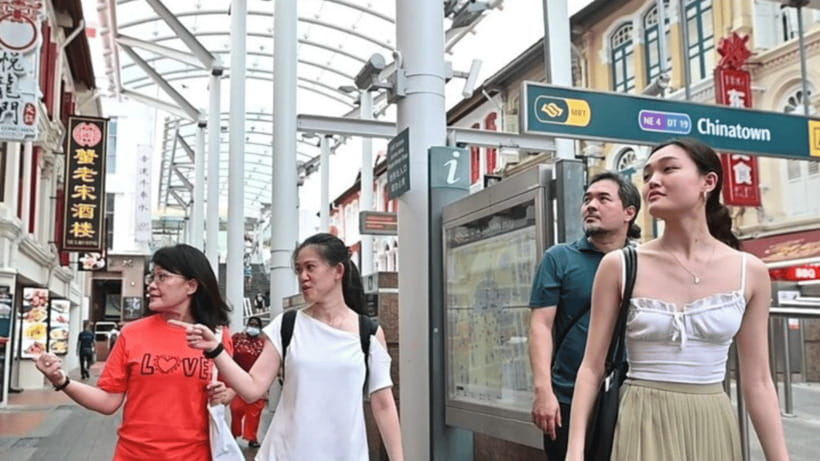
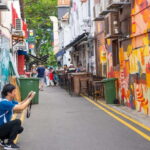
After the heritage introduction, you’ll wander through Chinatown’s picture-friendly lanes, including mural areas associated with Yip Yew Chong. The benefit of visiting these alley spaces with a guide is timing and context. A mural is just paint until someone connects it to the neighborhood story, and that’s exactly how this tour is framed.
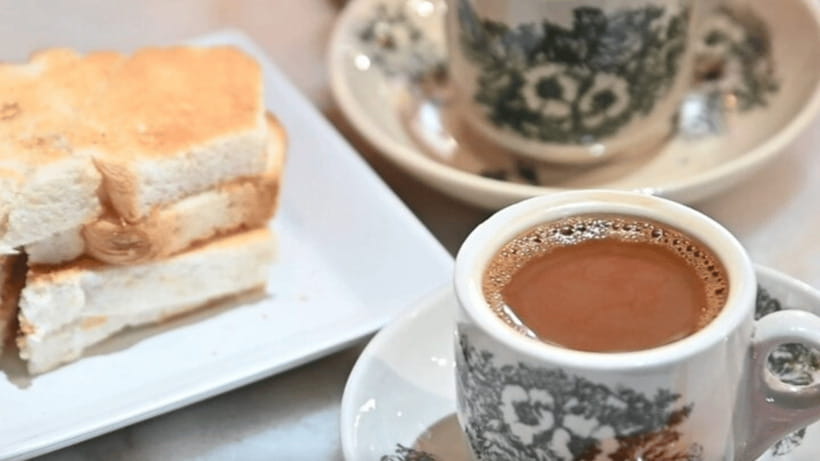
You’ll also spend time around traditional coffee shops. Even if you don’t order a big drink here (the tour includes tastings, but not every stop has to become a sit-down meal), just seeing the style of these places helps you understand how Chinatown works day to day. It’s not museum Chinatown—it’s living Chinatown.
What I like about this portion: the tour doesn’t treat “Instagram shots” as the main event. The photos happen, sure, but the guide uses the visuals to point you toward what matters. The alley access is described as exclusive, and that’s believable here: guides who know where to turn and what corners to prioritize can save you from aimless wandering.
Possible drawback: if your priority is purely eating, this mid-section might feel more like looking than eating. But that’s also where the tour earns its “heritage walking” identity. The murals and coffee-shop stops make the later food taste even better because you feel you understand the neighborhood’s rhythm.
Tip: if you’re sensitive to sun or rain, pack a light layer. You’ll be outside enough that weather can shift the mood quickly.
Ann Siang Hill Photo Stops: Where the Streets Feel Like a Set
Then comes Ann Siang Hill, which is known for its historical charm and strong visual identity. This part of the tour focuses on guided sightseeing with photo stops at iconic spots the area is famous for—spots that many people associate with popular media.
The value here isn’t the reference itself. It’s that the guide uses the streetscape as a way to talk about how Chinatown-adjacent areas changed over time. You’ll likely notice the difference between older shopfront styles and more modern-looking layers nearby, and the narration helps you see the shift instead of just noticing it.
If you’re a photo person, this is where you’ll get the most “pose and shoot” moments. If you’re not, you’ll still benefit because the tour uses the hill stretch to reset your pace. After hawker-center intensity, this kind of sightseeing stop gives you a breather while keeping you moving.
One practical note: photo stops slow people down. In a private setting, your guide can manage the pace so you don’t feel trapped waiting. But if you travel with someone who hates photos, give them 5 minutes of quick walking breaks and they’ll usually settle into the flow.
Maxwell Food Centre: Chicken Rice and Fuzhou Oyster Pancakes, Done Right
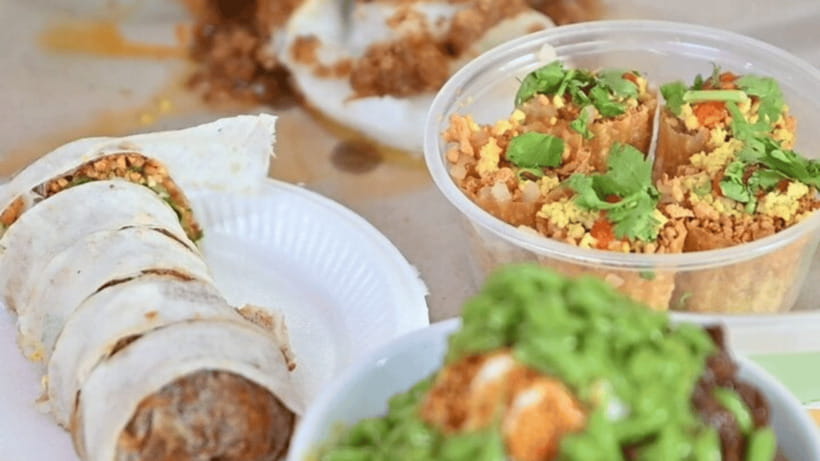
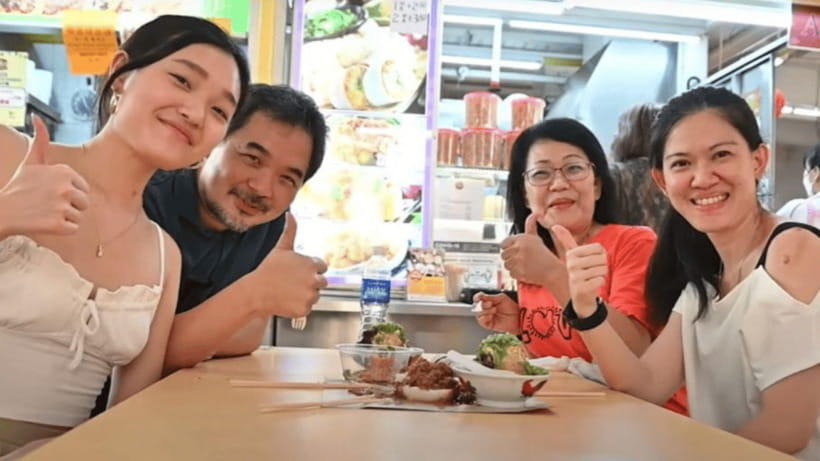
Maxwell Food Centre is the tour’s big hawker anchor, and it’s where the tasting strategy matters most. You’ll get a break time window, plus a guided visit and walking around the center to reach your food stops.
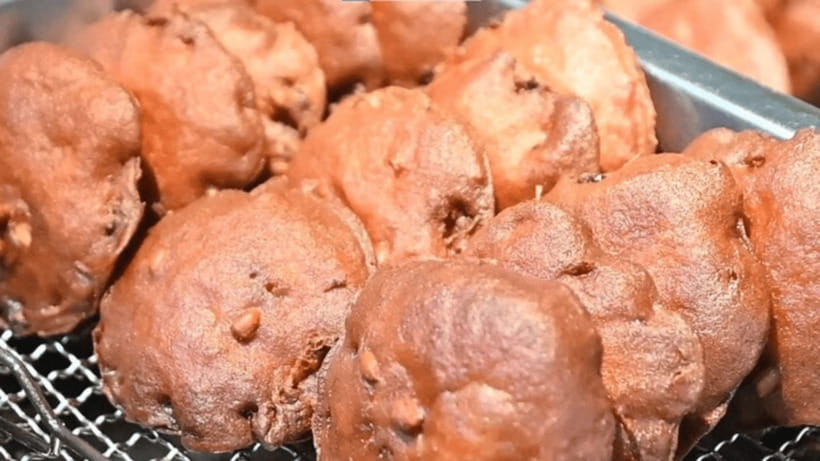
The included highlights here include chicken rice and Fuzhou oyster pancakes. These aren’t random picks. They’re classic items that help you understand why hawker centers are Singapore’s everyday food classroom. Chicken rice gives you the baseline: fragrant rice, tender chicken, and the sauces that define each stall’s identity. Fuzhou oyster pancakes bring a different texture and taste profile, which helps you avoid the mistake of only sampling one style of food.
Also, note the structure: the tour promises about 9-10 handpicked must-try local food and drinks across hawker centers. In practice, that means you’re not just ordering one thing and hoping for the best. Your guide makes selections and helps you get what you want without spending all your time reading menus.
This is where guides like Tang stand out in the feedback I saw: being able to suggest options and order the foods the person actually wants turns the whole hawker experience from stressful into fun. You get choices, but you don’t get overwhelmed.
Value for your money: hawker centers can be chaotic if you arrive hungry and unsure. Paying $110 for a private guide, plus multiple tastings and drink help, often works out as good value because it saves time and prevents ordering mistakes. You’re paying for sorting, pacing, and local context.
One consideration: hawker centers are busy places in general. Even with a guide, there will be standing and moving between stalls. If you hate crowds, you can still enjoy this, but keep expectations realistic: this isn’t a quiet tasting room.
You can also read our reviews of more historical tours in Singapore
Buddha Tooth Relic Temple, Sago Lane, and Chinatown Complex
After Maxwell, the tour shifts from food intensity to cultural landmarks.
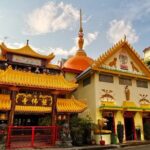
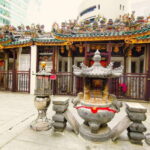
You’ll visit Buddha Tooth Relic Temple & Museum for a guided walkthrough and sightseeing time. This stop adds depth because it frames Chinatown not just as a food destination but as a place with spiritual landmarks that shape daily life and community identity.
Then you’ll move through Sago Lane, known as the street of the dead. That name grabs attention, and the guide’s job is to explain the story behind it. Even if you don’t remember every detail later, the point sticks: Chinatown’s streets hold layered meanings, including how people historically marked life, death, and community ties.
Finally, you’ll explore Chinatown Complex, including its unique architecture and active food scene. This is a good closer because it’s practical and real. You’ve already tasted and learned; now you see how the area functions as a food hub and everyday meeting place.
Why this mix works: a food tour alone can turn into a “eat and repeat” experience. Adding temple and street-story stops gives you something to carry home—ideas about how migration, belief, and trade shaped the neighborhood.
Another practical note: temple interiors can have more rules than hawker stalls. Wear clothing that lets you move comfortably and avoid anything too fussy. Your guide will set expectations once you’re there.
Price and Value for a $110 Private 3-Hour Walk
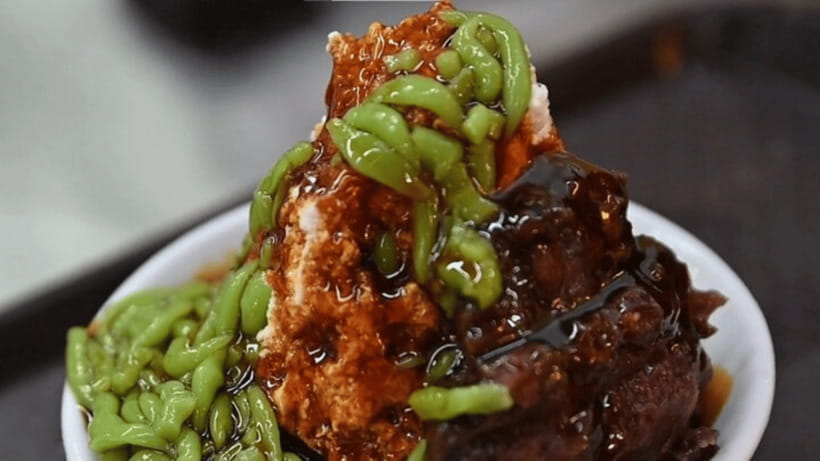
At $110 per person for a 3-hour private tour, the value comes from what’s included, not just the guiding.
You get:
- A licensed tour guide
- A private, personalized format
- 1 bottle of mineral water
- Around 9-10 handpicked must-try food and drinks
- Multiple sightseeing stops across key Chinatown landmarks
If you’ve paid for food tours before, you know the big problem: some tours include a lot of walking but only one or two real bites. Here, the structure is more balanced. You start with a meaningful snack (Bak Kwa), then you reach Maxwell for the hawker core with recognizable local classics. You also add cultural stops that make the walking route more than a route.
Is it worth it if you’re a low-budget traveler? If you’re hoping to get a full meal for cheap, you can certainly eat well in Singapore on your own. But if you want a guide to help you choose, order, and connect the dots across streets, the private format is where this becomes efficient.
Who gets the best value: people who like food but also want the “why” behind it, and people who hate wasting time figuring out what to order. This tour fits both.
Who This Private Chinatown Heritage Tour Fits Best
This is a strong choice if:
- You want a guided walk through Chinatown that mixes food and neighborhood story
- You care about photo-worthy lanes and landmarks, but you also want context
- You prefer help making decisions at hawker centers
- You want a private experience with a licensed guide (languages include Chinese, English, and Japanese)
It’s not the best match if:
- You hate walking and want zero weather exposure
- You expect a huge amount of food beyond a guided tasting format
- You want a completely free-form route with no structure at all
One great thing about the private setup is the flexibility. When a guide can match your pace and your food preferences, the experience feels less like a group tour and more like being shown around by someone who genuinely knows the area.
If you’re traveling with kids, the tour allows children ages 0-2 for free. For everyone else, the tour follows child ticket limits, so it’s worth checking details before you book.
Should You Book This Private Chinatown Heritage Food Tour?
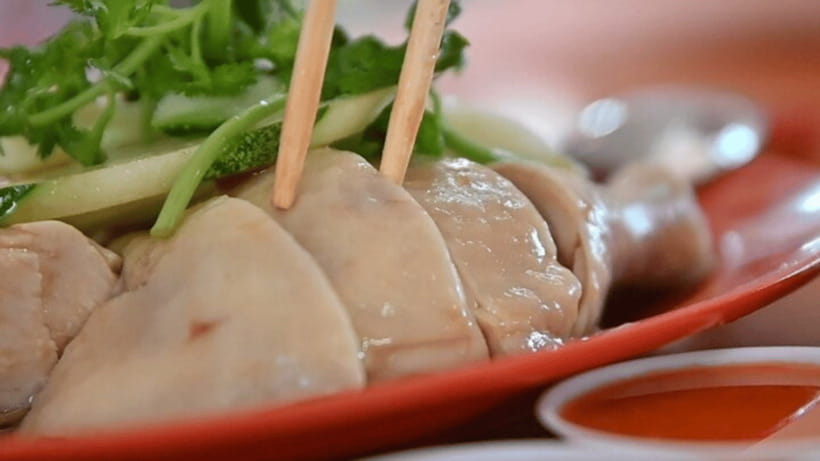
If your goal is to leave Chinatown with both full taste buds and a clearer picture of the place, I’d book it. The guiding approach is built around practical help (especially at Maxwell) plus storytelling that makes the walk feel purposeful, not random.
I’d skip it only if you’re strictly maximizing budget or you want a slow, no-rush schedule. The tour is active by design. But if you can handle a few hours of walking and you like food that’s tied to place, this is one of the more efficient ways to experience Chinatown without guessing your way through.
You’ll come away knowing what to order, where to look, and what to remember—whether you’re chatting with a guide like Ronnie or getting ordering suggestions that match your tastes like Tang.
FAQ
Where is the meeting point?
You meet at Chinatown MRT Station, Exit A (street level), in front of Bee Chiang Heng Bak Kwa Store.
How long is the tour?
The tour runs for 3 hours.
Is this a private tour?
Yes. It’s a private group experience.
What is included in the price?
Included are a licensed tour guide, 1 bottle of mineral water, and 9-10 handpicked must-try local food & drinks at famous hawker centers, plus the 3 hours of guided walking and sightseeing.
What food will I try on the tour?
You’ll start with Bak Kwa and then enjoy hawker tastings at Maxwell Food Centre, including chicken rice and Fuzhou oyster pancakes. Your guide also includes additional local tastings and drinks during the route.
Can I cancel for a full refund?
Yes. You can cancel up to 24 hours in advance for a full refund.